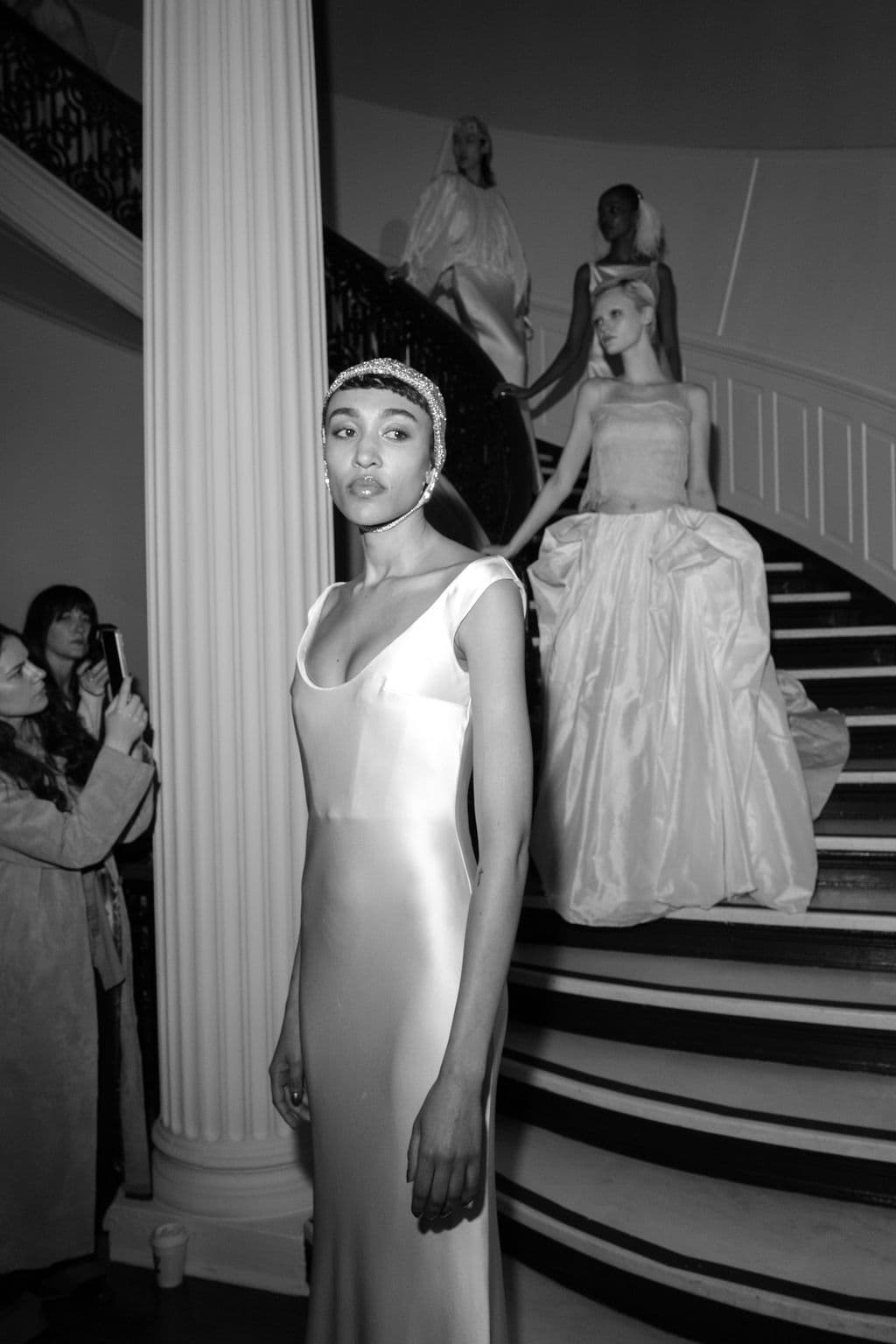
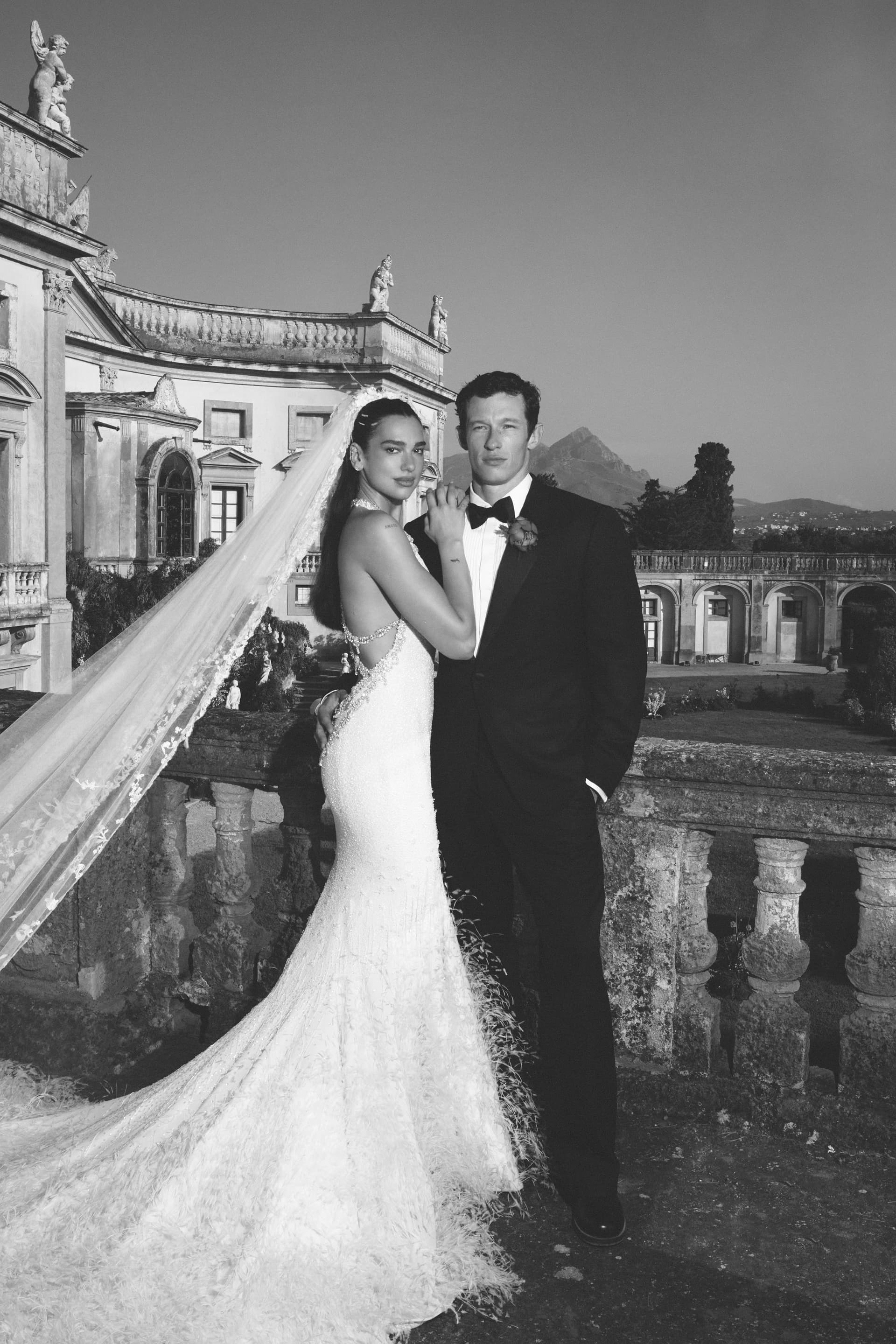
11 Bridal Designers to Watch from NYBFW, From Sculptural Minimalism to Vintage Volume
NYBFW's sharpest bridal ideas lean cleaner, richer, and more editorial, from sculptural columns to vintage volume, with salon-ready details set to spread fast.
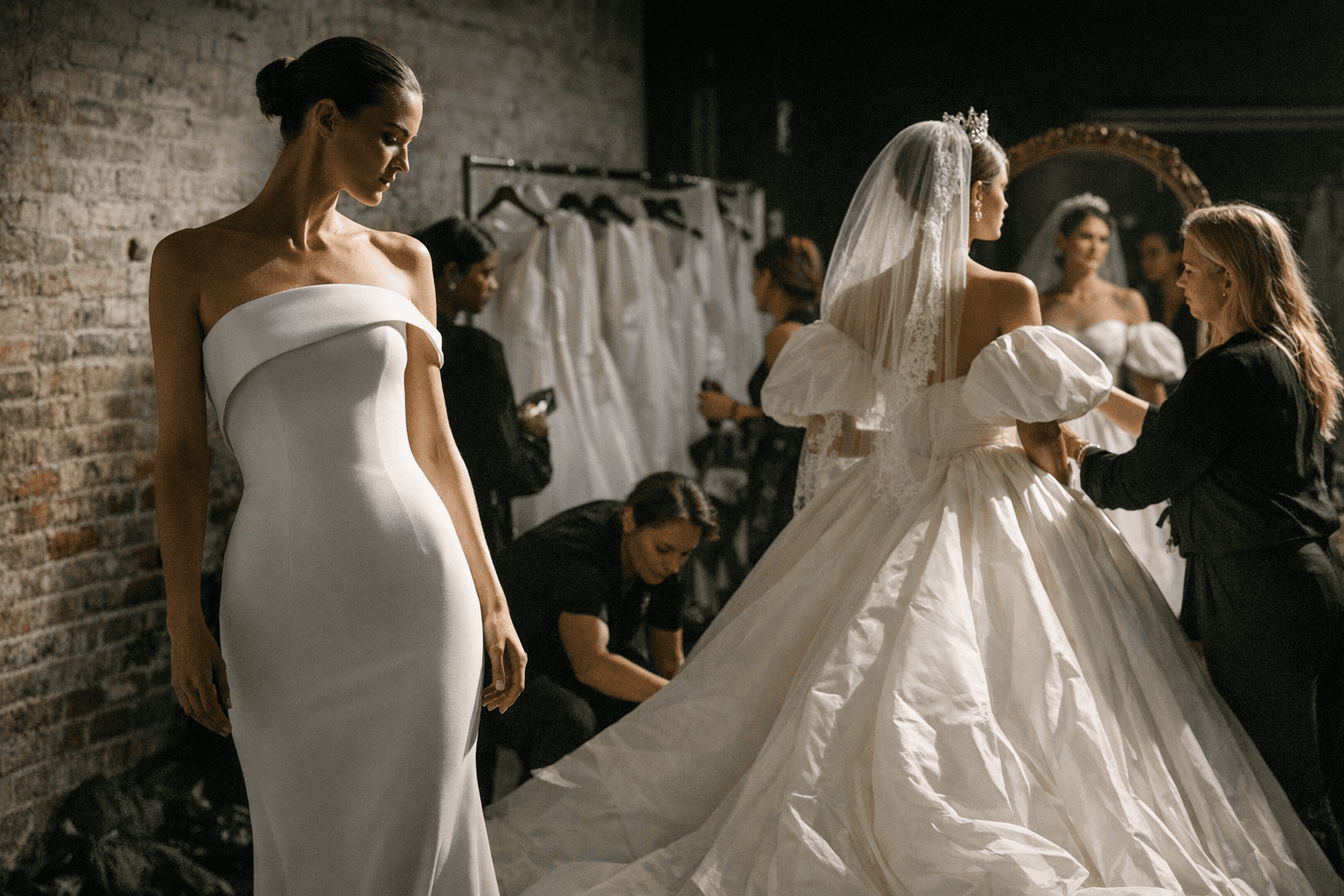
The strongest bridal ideas in New York this season were not shy. The Wedding Edition’s list of 11 designers to watch from New York Bridal Week 2026, including OUMA, Ferrah, and MWL Bridal, points to a market that wants cleaner lines, fuller skirts, and veils that do real styling work.
The week that set the tone
NYFW Bridal, also called New York Luxury Bridal Fashion Week, ran from April 7 to April 10, 2026 under the CFDA Fashion Calendar. CFDA said the bridal collections returned in that window, with Monique Lhuillier, Naeem Khan, and Tanner Fletcher Weddings anchoring the week, while Batsheva made its bridal debut. The Bridal Council framed New York as the epicenter for all things bridal, and for once that language felt exact rather than promotional.
The mood was more than pretty. Coverage of the season called it “bigger, bolder, more defined,” with sculpted corsetry and sheer layers giving the week a harder edge. A reported $1 million Galia Lahav gown added drama at the far couture end, but the real story was how many ideas looked ready to be translated into gowns a bride could actually wear.
OUMA and sculptural minimalism
OUMA is the cleanest read on where bridal is going if you want structure without fuss. Sculptural minimalism means the dress does the work with cut, not clutter, so seams, drape, and shape become the decoration. It is the kind of look that feels instantly modern in a fitting room because it does not need embellishment to justify itself.
For brides, the appeal is obvious: it reads expensive without looking overworked. Expect this to be one of the first directions salons borrow, because a refined column or architectural bodice can be adapted across budgets and body types without losing the point.
Ferrah and the quieter kind of precision
Ferrah belongs to the same restrained conversation, but with a touch more softness. The label’s value in this season is not loud novelty, it is clarity, the sense that every line has been edited down to what the dress truly needs. In a bridal market crowded with detail, that kind of discipline feels fresh.
This is the version of modern bridal that will travel well beyond fashion week. Brides who want a clean silhouette without looking severe can take the cue directly, especially if the fabric has enough weight to hold a smooth, uninterrupted line.
MWL Bridal and vintage volume
MWL Bridal brought vintage volume into focus, and the phrase does a lot of work. This is not puff for puff’s sake, but skirts with presence, movement, and a little old-world romance in the sweep of the fabric. The appeal lies in the contrast: a fuller shape that still feels edited enough for 2026.
That balance is exactly why the trend matters. Salon buyers know volume sells when it feels controlled, so expect this to show up in lighter, more wearable versions, with softer fullness at the hem and a cleaner top half.
Strapless ivory columns
One of the most commercially useful ideas from the week was the strapless ivory column. It solves a familiar bridal problem: how to look polished and current without leaning on heavy decoration. The silhouette is direct, bright, and easy to accessorize, which gives the bride more room to personalize the look.
What makes it promising is its flexibility. It can feel minimalist with a bare neckline and clean veil, or more styled with statement earrings and a dramatic train, which is why this shape is likely to land quickly in mainstream bridal salons.
Lace-trimmed veils
The veil is no longer a finishing touch, it is part of the dress code. Lace-trimmed veils stood out because they soften the shoulder line, add texture near the face, and give a simpler gown enough detail to feel considered. They also photograph beautifully, which matters more than ever when bridal styling has to read in motion and in close-up.
For brides who do not want a second look but still want a moment, this is the easiest borrow from the week. A strong veil can change the whole mood of a dress without forcing a more elaborate gown underneath it.
Monique Lhuillier keeps the polished center in place
Monique Lhuillier anchored the week because she understands bridal polish better than almost anyone. In a season leaning harder and cleaner, her presence gave the calendar a necessary point of reference, the kind of gown that says elegant first and editorial second. That matters because trends need a center of gravity before they can spread.
Her influence also keeps the market grounded. When bridal gets experimental, brides still need something that feels timeless in the best sense of the word, which here means beautifully cut, flattering, and immediately legible as special.
Naeem Khan turns the volume back up
Naeem Khan’s place in the anchor lineup reminds you that bridal still has room for spectacle. Couture-scale glamour is part of the week’s identity, and the reported $1 million Galia Lahav gown only underlined how far that appetite can go. Even as cleaner lines are rising, there is still a market for dresses that look unapologetically grand.
The takeaway for readers is not to copy the price tag, but the restraint around it. When the dress is doing something dramatic, the rest of the look should stay disciplined, which is why this side of bridal feels strongest when one detail takes the lead.
Tanner Fletcher Weddings brings tailoring to the aisle
Tanner Fletcher Weddings gives the season a sharper shoulder. Tailoring in bridal can feel too stiff if it is handled badly, but when it is done well, it reads crisp, cool, and unexpectedly romantic. That makes it one of the most useful signals for brides who want structure without the usual softness of a ballgown.
This is also the direction most likely to spill into separates and reception dressing. A tailored jacket, a straighter skirt, or a suit-inspired column can all carry the same energy in a more wearable form.
Batsheva’s debut changes the conversation
Batsheva’s bridal debut mattered because debut collections often reset expectations. New voices keep bridal from settling into a closed loop, and this one arrived in a season already leaning more defined, more intentional, and less apologetic. That makes the debut feel bigger than a single runway moment.
For the market, the message is simple: bridal is still open to surprise. Fresh names can shift the conversation just by seeing the aisle differently, which is exactly how new references become tomorrow’s default.
What salons will borrow first
The ideas most likely to filter into mainstream bridal salons are the strapless ivory columns, the cleaner sculptural gowns, and the lace-trimmed veils. They are easy to translate, easy to sell, and easy for a bride to make her own without committing to a costume. That is the real shape of this NYBFW cycle: less noise, more intention, and a sharper sense of what a modern wedding dress is supposed to do.
This article was produced by Prism’s automated news system from verified source data, official records, and press releases, then run through automated quality and moderation checks before publishing. The system is built and supervised by the people who set the standards it runs under. Read our full AI policy.
Did this article answer your question?