2026 Wedding Dress Trends: From Minimalist Suiting to Movement-Forward Romantic Tiers
Brides are choosing intent over ornamentation, think clean crepe suits, corseted basque waists, and movement-first tiers that photograph like a dream.

1. Lead: what’s actually shifting this season
Bridal fashion this cycle feels less about one-size-fits-all spectacle and more about choices that read personal and powerful. The trend primer published 2026-02-24 called out “minimalist suiting and clean crepe silhouettes; romantic, movement-forward gowns with soft tiers and ruffles; corsetry and ba”, the original excerpt even truncates mid-phrase, which is telling: structure and support are back on the agenda. Kate Halfpenny captures the mood perfectly: “There’s a real sense of self. Brides are less interested in tradition for tradition’s sake, and far more drawn to pieces that feel, intentional, expressive, and personal.”
2. Soft, sculpted silhouettes
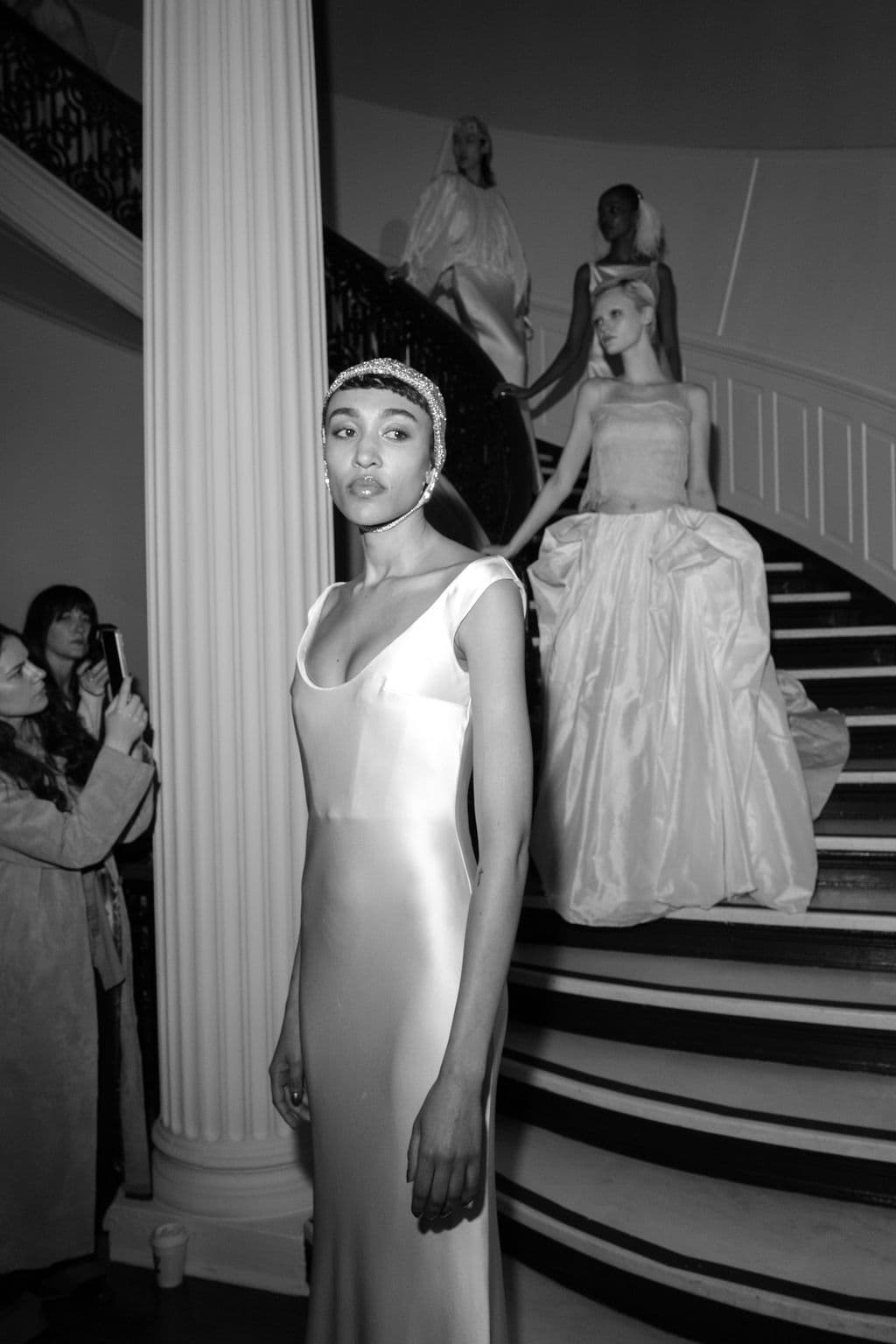
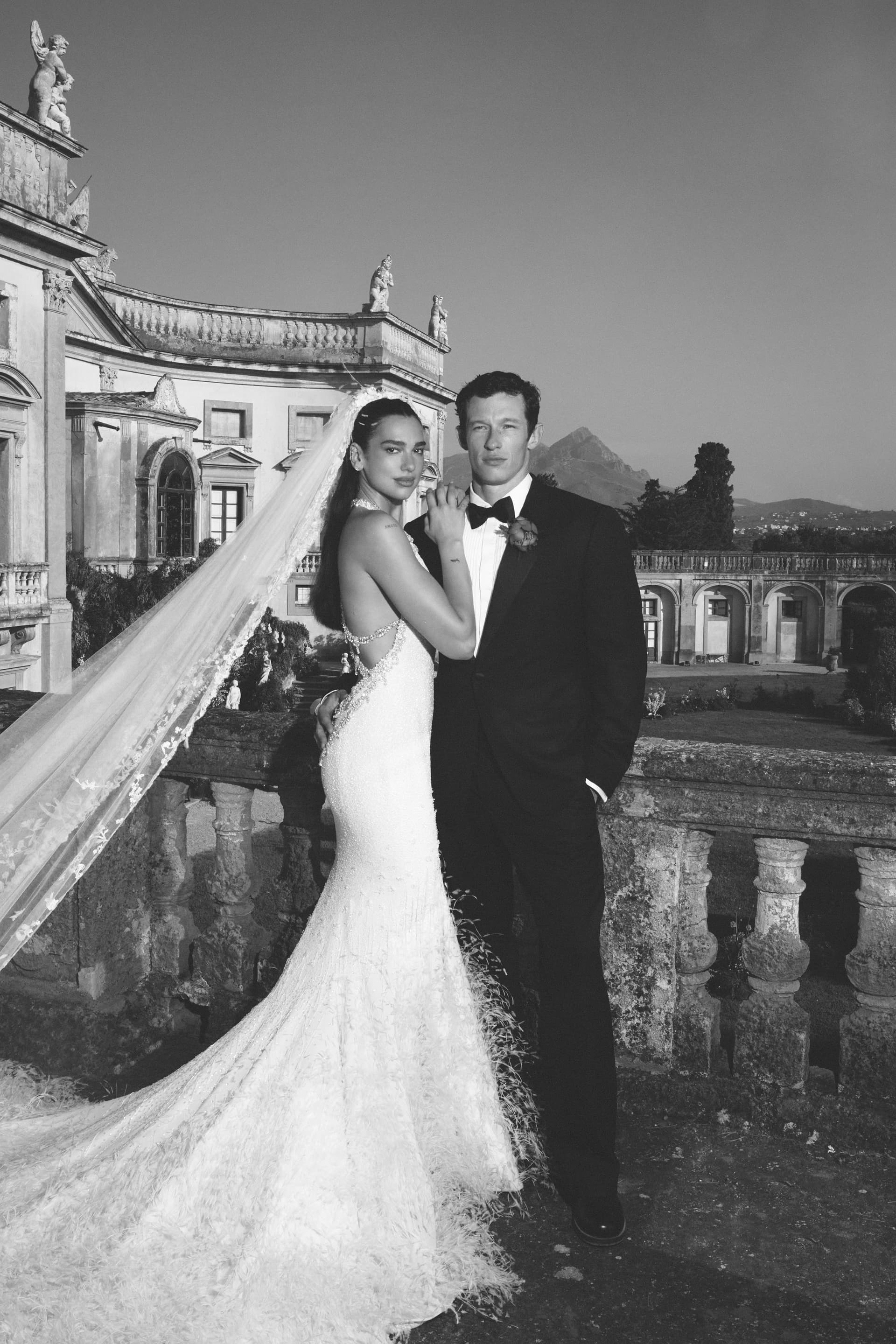
Softer shaping is overtaking hyper-structured drama: think fit-and-flare gowns that hug curves gently before opening into soft skirts, column dresses with subtle shaping, and modern A-lines that skip heavy layering. Theeventbay’s “Soft, Sculpted Silhouettes” direction highlights how these cuts flatter many bodies while letting brides move naturally, and it calls out backs as focal points in photos, which is exactly where designers are placing their craftsmanship.
3. Minimalist suiting and clean crepe silhouettes
Minimalist suiting continues to edge into bridal: clean lines, tailoring that reads like couture suiting, and crepe surfaces that read luxe without fuss. Theeventbay lists matte crepe among the unexpected fabrics trending now, and Galia Lahav’s Betty shows how crepe can be draped into classical shapes, “the Betty gown…boned glitter corset that subtly emerges from beautifully draped crepe fabric.” Crepe is quiet but authoritative; it’s the fabric that lets minimalism feel bridal rather than utilitarian.
4. Corsetry, basque waists and structured support
Corsetry and structured waistlines are not vintage callbacks; they’re modern tools for silhouette definition. Multiple brand examples make the point: Galia Lahav’s Betty features a “boned glitter corset,” Robyn is a “mini ball gown” with a “strapless corset,” and the Miley mini has a “sculpting basque waist”, David’s Bridal also flags the basque waist as a flattering hourglass option. The original trend guide even begins the fragment “corsetry and ba…”, which reads like confirmation that shapework is front-and-center.
5. Movement-forward tiers and layered skirts
Movement is the narrative for ceremony and reception alike: feather-light organza layers, layered tulle with delicate pleats, and cascading ruffles, all named in Theeventbay’s “Layered Skirts with Movement.” These techniques create depth without ballooning into heavy ball gowns, so brides get romantic motion that photographs at every angle and performs on the dance floor.
6. Unexpected fabrics and tactile constructions
Bridal fabrics in 2026 refuse to be predictable. Theeventbay explicitly lists matte crepe, silk organza, brocade printed with modern florals, and structured mikado as go-tos, while OUMA’s Ou Ma points to “layered textiles, three-dimensional lace, and mixed-fabric constructions,” saying it’s “about creating gowns using fabrics that invite touch and create unforgettable movement.” If you want a gown that reads like an object of design, look for mixed textures and architectural weaves.
7. Necklines, shoulders and sleeve drama
Necklines and shoulders are where personality shows up: halternecks “emerged as a defining trend on the spring 2026 bridal runways,” Galia Lahav notes, calling the halter silhouette a way to “draw focus to the face, neck, and shoulders.” David’s Bridal names “cat-eye necklines and off-shoulder designs” as having a major moment, and Theeventbay signals continued appetite for romantic sleeves and statement shoulders. Halfpenny’s work with tailored lace emphasizes “clean seams, strong shoulders, and defined waists”, architecture for the upper body.

8. Tailored lace and the new romance
Lace hasn’t disappeared; it’s been re-engineered. Halfpenny says, “Lace feels inherently ‘bridal’, but tailored lace feels powerful… Clean seams, strong shoulders, and defined waists allow lace to move away from being decorative and to become architectural.” Lovely Bride’s “ROMANTIC LACE WEDDING DRESSES” section positions lace as softer and dimensional this season, and Galia Lahav’s Robyn mini proves lace can be playful and modern when cut as a mini ball gown in ivory.
9. Boho, elevated, and slip silhouettes
Boho isn’t backyard festival wear anymore; it’s elevated. “The boho bride is back but in a much more elevated and chic way,” Sever shares. “It’s all about effortless silhouettes, soft movements and sheer layers, and romance, but executed with couture technique and intention.” At the same time Ou Ma notes: “Minimalist bridal styling continues to gain momentum, and this classic silhouette combines effortless sophistication with bridal sensibility,” pointing to slip silhouettes as a refined, intimate option for brides craving simplicity with gravitas.
10. Embellishment strategy, subtlety with strategic sparkle
Theeventbay points out a market-wide shift to “Subtle Embellishments With Impact,” where targeted detail beats overall coverage. That strategy sits alongside branded exceptions: Galia Lahav’s party pieces, Toni with “beaded tassel detailing” and “sequin discs,” Clara’s “hand-beaded” mini with “fabulous fringe details”, show how selective, high-drama elements can live in a bridal wardrobe as reception or after-party looks without overwhelming the ceremony silhouette.
11. Minis, separates, and vintage revival
Galia Lahav leans hard into mini and party-ready dresses, Robyn is “ready-to-wear,” Robyn’s volume and matching tights are “extra playful,” and Miley is “designed to shine on and off the dance floor.” Lovely Bride catalogs two parallel movements: a genuine vintage revival, “nostalgic details like unique necklines, intricate seams, and heirloom‑style fabrics”, and a rise in “BRIDAL SEPARATES & TWO-PIECE WEDDING DRESSES,” which let brides mix corsets, tops, skirts and overskirts for a curated, collected look.
12. Retail realities: convertible designs, silhouettes that work, and price signals
Practical design is on the menu: David’s Bridal calls out convertible gowns, dramatic cape sleeves, and detachable elements for ceremony-to-reception switching, plus classic shapes like sheath and mermaid that prioritize fit and movement. The excerpted pricing block reads exactly: “regular$2499.00 sale on select colors$1999.99,” a raw snapshot of retail tiers in the mainstream bridal market. If you’re shopping, expect options that promise theater and practicality in one package.
13. Visuals, credits and a final stance
If you’re building an inspiration board, Lovely Bride’s curation is worth bookmarking, they even list image credits for runway-ready looks (Top Left: @ruedeseinebridal @lovelybridenyc; Top Right: @ruedeseinebridal; Bottom Left: @saintbridal; Bottom Right: @saintbridal @lovelybridedallas, plus other handles across sections). The visual language this season is cohesive: clean crepe tailoring, tactile layers, strategic sparkle, and engineered support. Brides in 2026 are choosing clothes that read like decisions, not defaults, design-forward, movable, and unmistakably personal. Expect the aisle to feel less like a pageant and more like a curated statement.
This article was produced by Prism’s automated news system from verified source data, official records, and press releases, then run through automated quality and moderation checks before publishing. The system is built and supervised by the people who set the standards it runs under. Read our full AI policy.
Did this article answer your question?