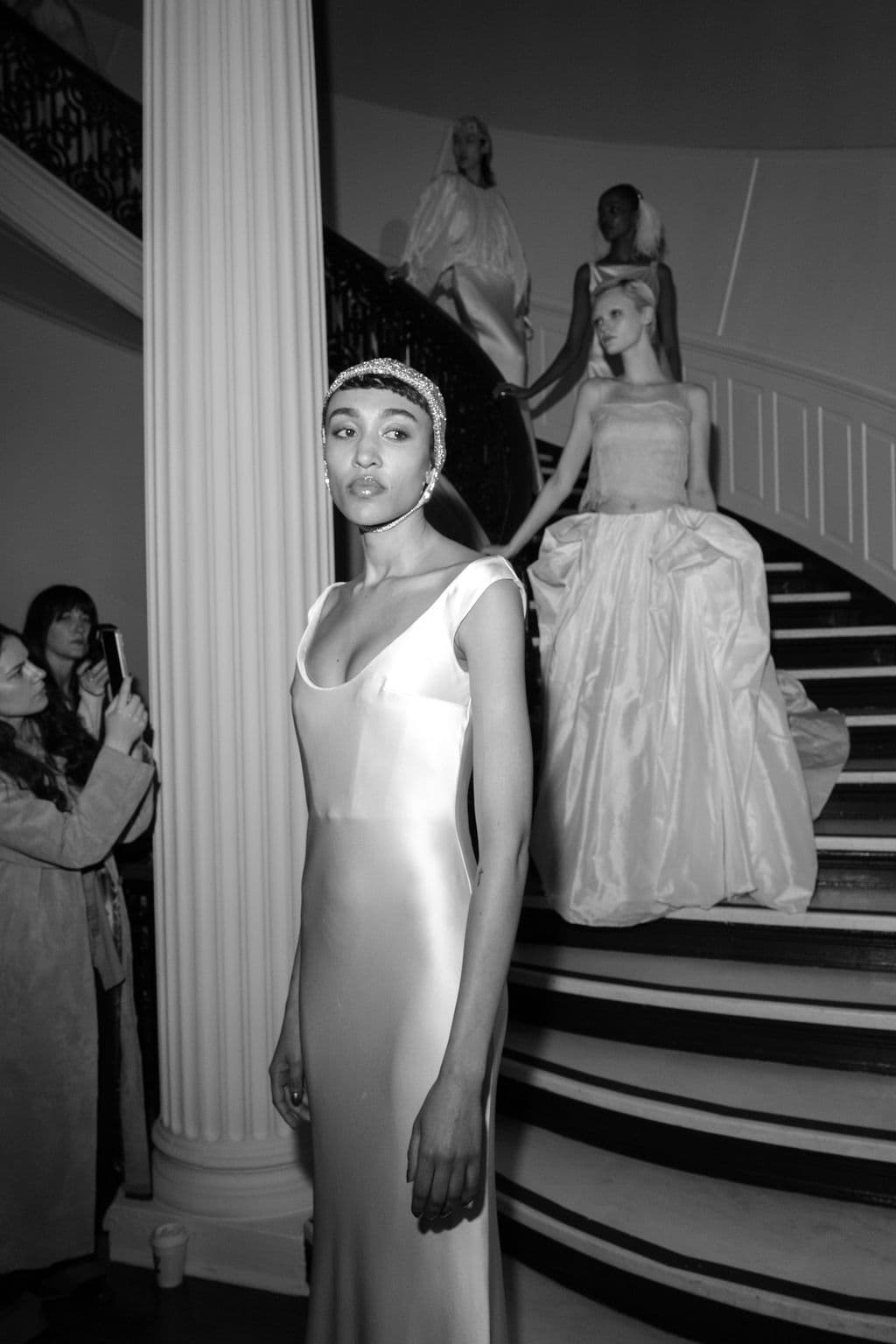
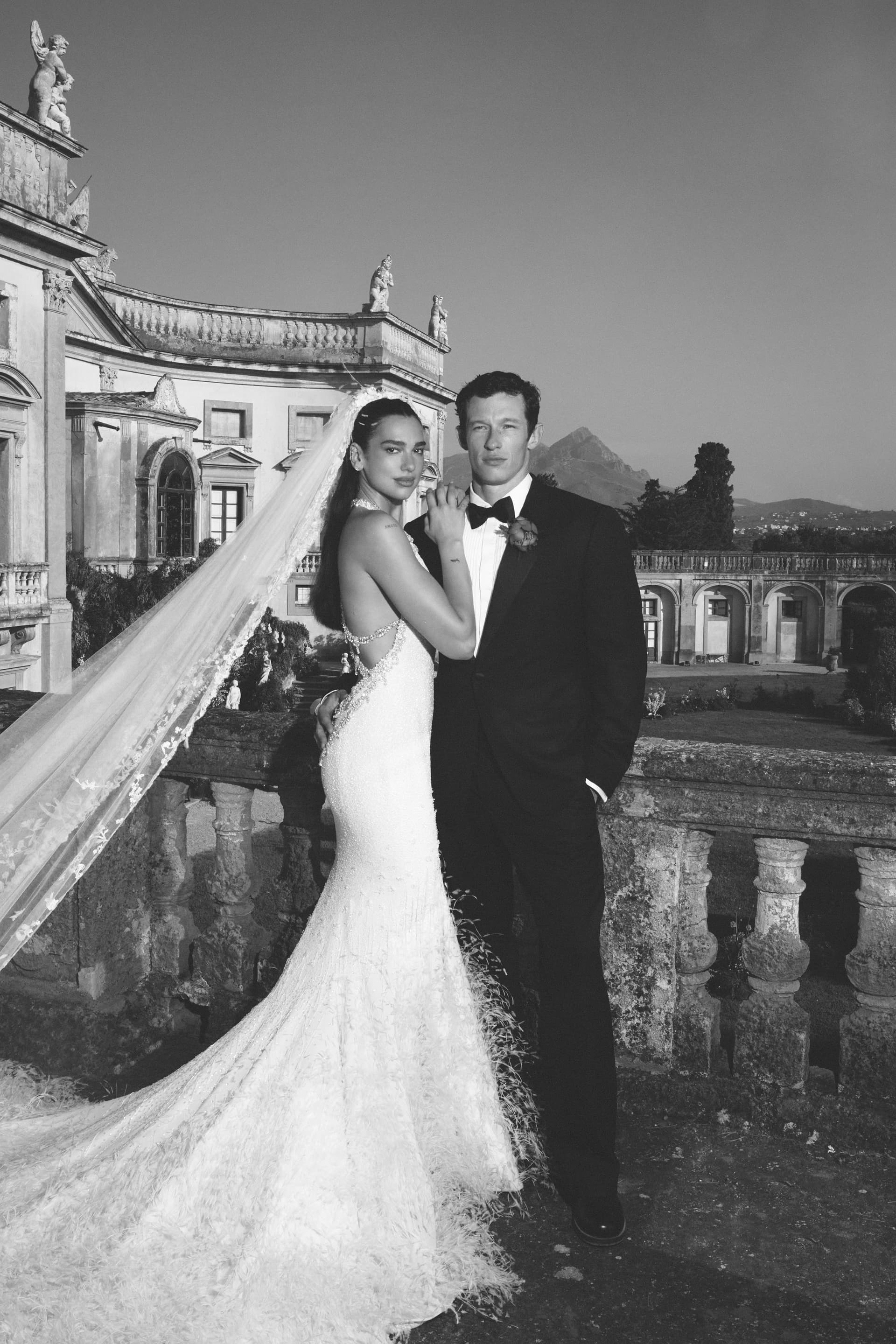
2026 wedding guest trends embrace bright colors and softer silhouettes
Bright color and softer lines are shaping the best wedding-guest looks of 2026, with smart outfit swaps that flatter, photograph well, and never fight the bride.
Wedding guest dressing is shedding its safe little black dress reflex. The best looks now feel more alive, with vivid color, softer necklines, and silhouettes that read as polished without looking rehearsed, a shift that makes sense in a wedding culture increasingly shaped by Gen Z, social media, and the camera-ready mood of the room.
The color story is louder, but smarter
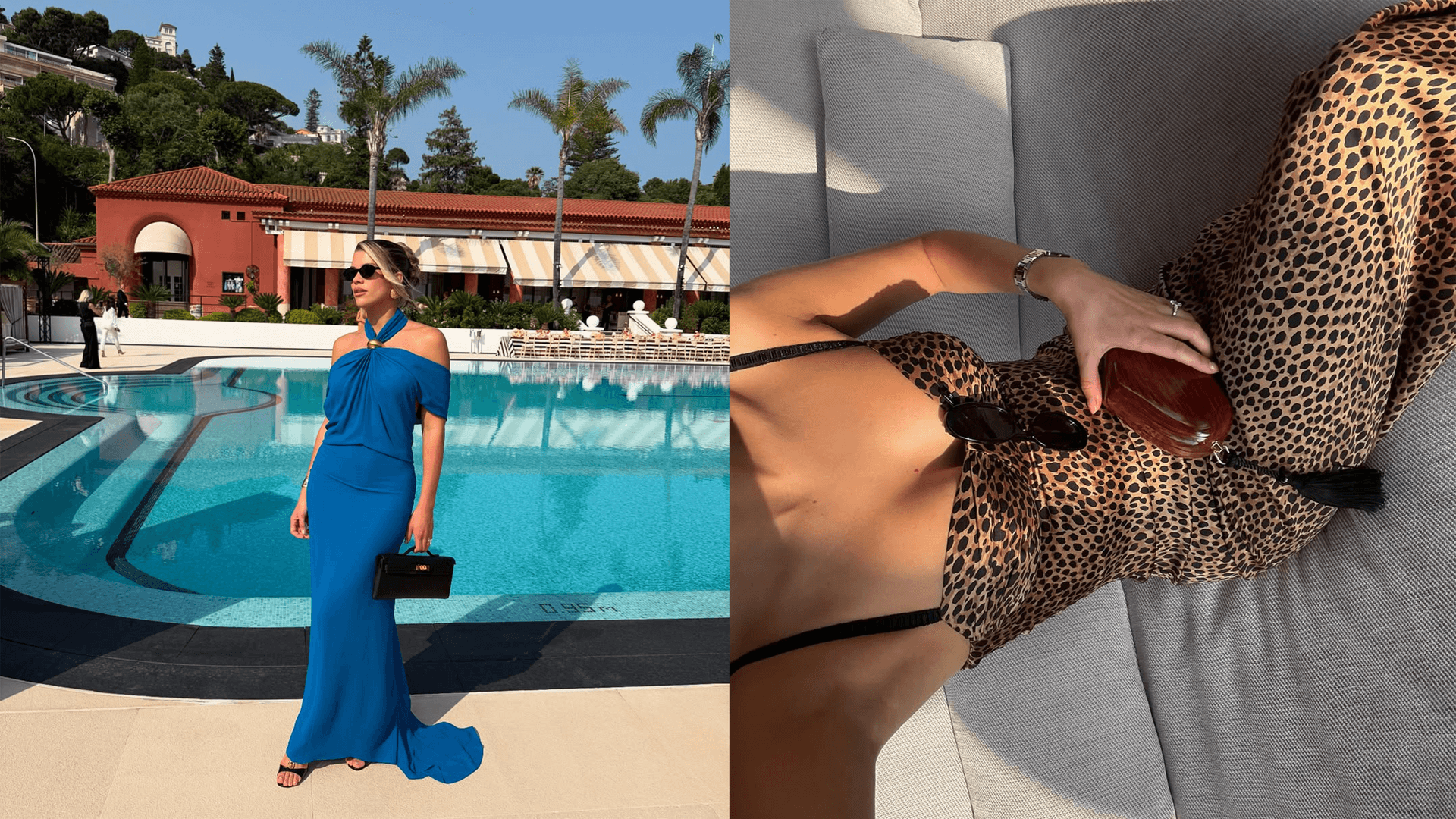
Bright, saturated color is the clearest signal that guest dressing has moved on. Yellow, blue, and green are replacing the standard black dress in the strongest 2026 looks, and the effect is immediate: the outfit feels celebratory, the photos feel richer, and the guest looks like part of the party rather than a shadow at its edge.
There is also a practical reason this works. Many brides still prefer guests avoid white or ivory, and some dress codes now steer people away from black so the overall palette stays lighter and more colorful. That leaves room for shades that feel festive without drifting bridal, and that is exactly where the new favorites live.
Icy pink is one of the more interesting offshoots of this shift. It has the softness of a neutral but enough color to feel intentional, while fawn print offers a muted pattern play that looks chic rather than loud. Rental fashion also sits neatly inside this moment, because a one-night dress in a vivid color or trend-forward cut makes more sense when the silhouette is special enough to justify the borrow.
Soft silhouettes are replacing overworked details
Corinne Pierre-Louis has already called scarf necklines overdone, and she is right. They were everywhere long enough to feel predictable, and the next step is gentler: soft off-the-shoulder shapes that frame the shoulders and collarbone without looking like they are trying too hard.
That softer mood runs through the rest of the season too. The most convincing guest dresses and separates have movement, ease, and just enough structure to hold their shape in photos, which is why expressive dressing is taking hold. The point is not to disappear into minimalism or dress like a bride, but to choose a line that feels current and flattering from cocktail hour through the last dance.
What works for black tie
Black tie still rewards drama, but not the kind that competes with the bride. The strongest options are rich colors, clean tailoring, and fabrics that catch light instead of shouting for it, which is why quality matters as much as silhouette.
A statement black dress can still work if it is truly statement-making, with sculptural shape, a luxe fabric, or an unexpected neckline. What no longer feels fresh is a generic black column that looks like a default rather than a choice. If the invitation asks for formal elegance, choose a dress that feels deliberate in motion and in photographs.
What works for destination weddings and summer heat
Destination weddings call for color that can handle daylight, heat, and a setting that already does some of the styling for you. Bright blues, greens, and softer pinks are especially effective here because they feel relaxed in sun without slipping into casual.
The best heat-friendly looks lean on breathable fabric and cleaner lines. Silk trousers, two-piece sets, sheer skirts layered with purpose, and bubble-hem tops all offer airiness without looking underdressed, especially when the wedding is outdoors or the weekend includes multiple events. Peep-toe heels also make more sense here than they have in years, because they keep the outfit feeling open and seasonal.
What works for daytime weddings
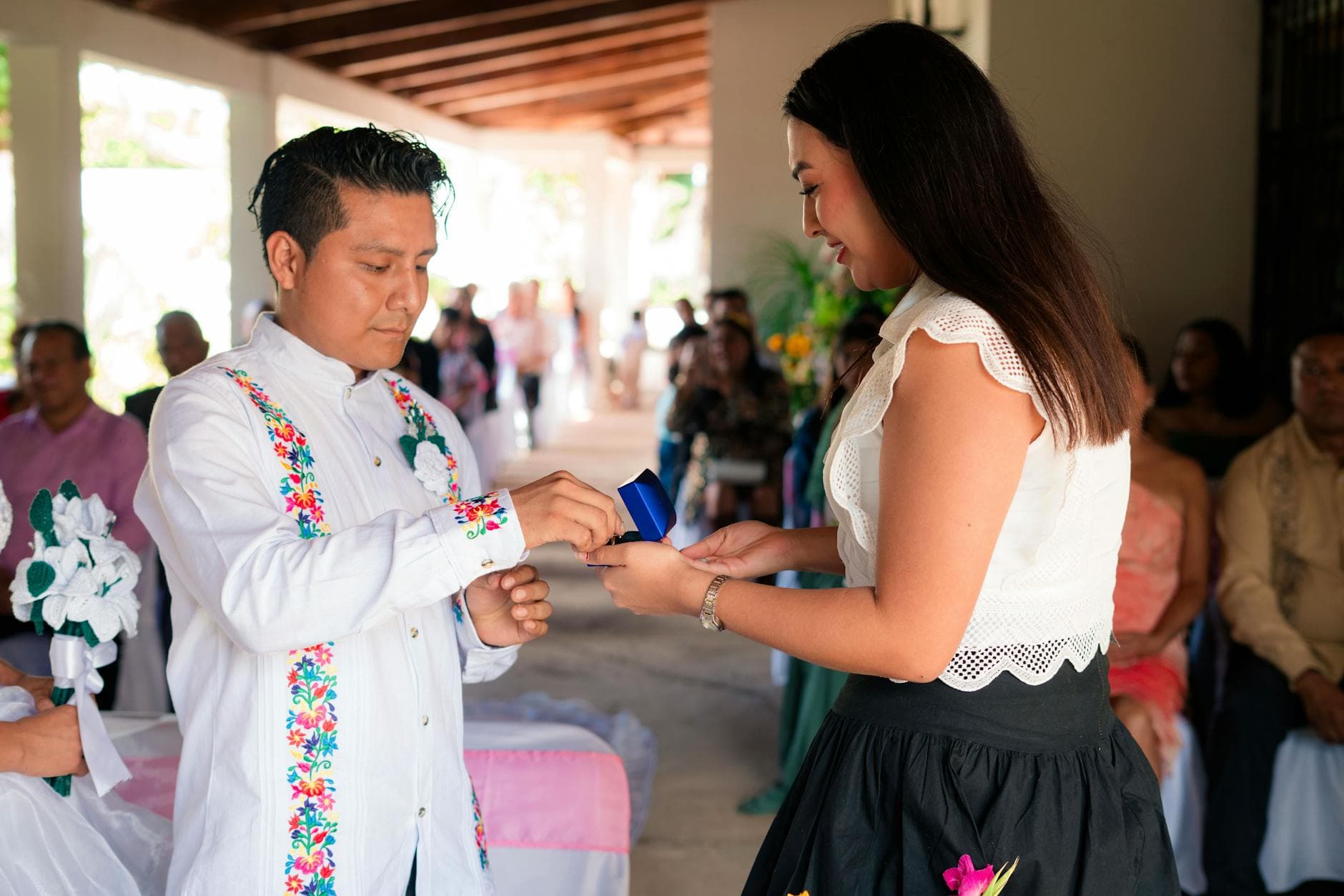
Daytime weddings are where understated glamour matters most. The Knot’s guest style guidance gets this exactly right: quality fabrics, interesting silhouettes, and timeless elegance always look better in sunlight than a costume-y trend ever will.
This is where a softer off-the-shoulder dress, an icy pink midi, or a subtle fawn-print piece earns its keep. The outfit should look polished from every angle and not depend on heavy styling to feel complete. If the ceremony is early and the reception spills into afternoon, the best choice is something that remains elegant when the flash is off and the sun is unforgiving.
What works for Indian wedding events
Indian wedding events reward guests who understand that color is part of the conversation, not a problem to solve. Expressive dressing fits naturally here, especially when the event spans multiple celebrations and the wardrobe needs to feel rich without becoming repetitive.
This is also the moment for bolder silhouettes and more considered texture. A silk trouser set, a structured blazer over a matching skirt, or a bright two-piece outfit can feel modern beside more traditional dressing, while a saturated dress in green, blue, or pink keeps the look festive. The goal is to honor the atmosphere with polish, not to compete with ceremonial dress or lean too far into bridal territory.
The alternatives to dresses are finally credible
One of the most useful shifts in 2026 is that dresses are no longer the only respectable answer. Who What Wear’s companion coverage points to power suits, silk trousers, structured blazers, scarf dresses, two-piece sets, sheer skirts, and bubble-hem tops as real options, and that feels like a welcome correction to years of one-note guest dressing.
These pieces work because they change the shape of the body in a fresh way. A power suit reads confident at black tie when the fabric is elevated; a two-piece set feels easier at a summer ceremony; a sheer skirt layered over the right underpinnings can look modern without becoming overtly showy. Even a black outfit can feel renewed here, as long as the cut is sharp and the finish is polished.
What to skip
The biggest miss this season is anything that looks overdone before you even leave the house. Scarf necklines have had their moment, generic black dresses can feel flat, and anything too close to white or ivory is still a risk unless the dress code explicitly allows it.
- Skip a scarf neckline if it feels like last year’s answer.
- Skip a black dress that has no shape, texture, or point of view.
- Skip pale shades that drift into bridal territory on camera.
- Skip heavy, overbuilt silhouettes for daytime or warm-weather weddings.
The strongest wedding-guest looks in 2026 understand the assignment: bring color, bring softness, bring personality, and let the bride stay visually in charge. That balance is what will keep these outfits looking current long after the bouquet has been tossed.
This article was produced by Prism’s automated news system from verified source data, official records, and press releases, then run through automated quality and moderation checks before publishing. The system is built and supervised by the people who set the standards it runs under. Read our full AI policy.
Did this article answer your question?