Ahmedabad wedding embraces local flowers and minimal-waste style
Local flowers turned an Ahmedabad wedding into a sharper, softer study in restraint, where minimal waste shaped the look as much as the lehengas.
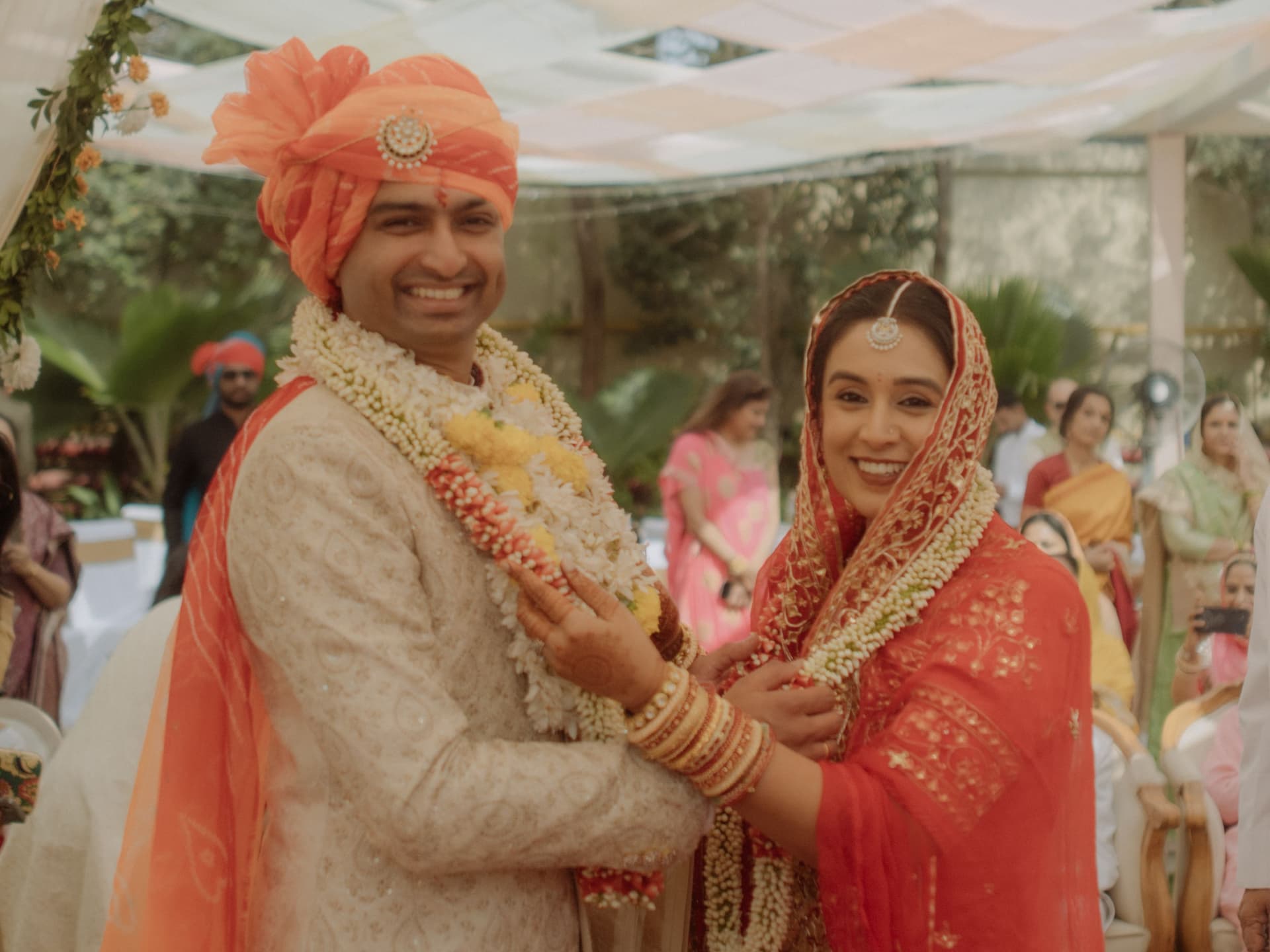
Local flowers, tighter palette
Ankled in fresh blooms rather than overbuilt spectacle, this Ahmedabad wedding found its edge in restraint. Thea Mulchandani’s May 10, 2026 Wedding Diaries feature for Vogue India treats local flowers and minimal waste not as a virtue signal but as the architecture of the day, which is exactly why the images linger: the flowers do the work of excess without the visual clutter.
That is the real fashion lesson here. When flowers are sourced locally, the palette tends to feel more coherent, the stems look fresher for longer, and the arrangements read as part of the setting rather than freighted in from somewhere else. The result is cleaner on camera, calmer in the room, and far more convincing than a wedding that has been dressed within an inch of its life.
Why less construction makes the clothes feel richer
The smartest low-waste weddings rarely look austere. Instead, they redirect attention toward texture, silhouette, and the clothes themselves. Minimum construction, reusable props, and a quieter floral plan can make a bridal sari border, a zardozi blouse, or a sharply cut sherwani feel more present because there is less scenery competing for the eye.
That matters in a style story because wedding dressing is never only about the outfit. It is about how the outfit lands in the room, how the aisle reads in photographs, and whether the decor supports the mood or swallows it. Local flowers and fewer disposable set pieces create a softer visual field, one that lets fabric sheen, embroidery density, and movement register properly.
There is also practical elegance in the economics of it. A decor brief built around reusable elements and fewer one-off installations can trim the pressure to spend on structures that live for a few hours and vanish by morning. The money saved can disappear into better tailoring, better catering, or simply a less frantic planning process, which may be the most luxurious outcome of all.
Ahmedabad has a history with this idea
This wedding did not invent the conversation. Ahmedabad has a long, visible precedent for low-impact celebration, and that history gives the current mood real depth. A 2007 Times of India report described an eco-friendly wedding at Koba in Gandhinagar with castor-oil lamps, rangolis in natural colours, khadi wedding dresses, handmade-paper invitations, and food served on leaf plates. It was budgeted at around Rs four lakh and expected more than 1,000 guests.
That earlier celebration reads today less like a curiosity and more like a proof point. Long before “minimal waste” became a fashionable planning phrase, families in and around Ahmedabad were already using material choices to shape the atmosphere of the event. The ingredients were modest, but the effect was unmistakably styled: handmade, local, and rooted in place.
The bigger wedding problem behind the pretty pictures
The scale of this issue is what gives the Ahmedabad story its weight. A 2020 Times of India article said more than 10 million weddings take place in India every year, and that an average wedding hosting 400 to 1,000 guests can generate around 3 tonnes of waste. That is the kind of number that changes the conversation from taste to logistics.
The same reporting points toward a practical playbook that does not feel punitive at all: locally sourced flowers, minimum construction, and reusable decor props. The Hindu’s 2020 coverage expands that toolkit further with e-invites, recycling or composting facilities, locally sourced flowers, and food donation. These are not fringe gestures. They are the sort of decisions that alter the shape of the entire event, from the invitation landing in your inbox to the final trays leaving the kitchen.
What brides can borrow from this look
The Ahmedabad wedding’s appeal lies in how easy its principles are to translate. You do not need to strip a celebration bare to make it feel disciplined. You need a tighter edit, a clearer material palette, and the confidence to let fewer elements do more work.
A few decisions deliver the most visible impact:
- Local flowers keep the color story more cohesive and the arrangements visually fresher.
- Reusable props and minimum construction stop the decor from feeling overbuilt.
- Paperless invites, or invitations that use less waste, reduce the pile-up before the wedding even begins.
- Composting and food donation turn the last stage of the celebration into part of the plan, not an afterthought.
The beauty of these choices is that they are legible to guests immediately. A room with native flowers and fewer throwaway structures feels calmer, more intentional, and often more expensive than it actually is, because the money is being spent on presence rather than performance. That is a much more modern idea of bridal style: not abundance for its own sake, but precision.
The new bridal luxury is specificity
Vogue India’s Wedding Diaries works best when it treats real weddings as design intelligence, and this Ahmedabad feature fits that remit perfectly. The story is not asking brides to admire a concept from afar. It is showing how local flowers, leaner decor, and careful waste choices can change the way a wedding looks, photographs, and feels in the moment.
In a country where weddings can be monumental in scale, the most compelling luxury may be a room that feels edited, grounded, and unmistakably of its place. Ahmedabad has shown that again, and this time the styling reads less like restraint than taste.
This article was produced by Prism’s automated news system from verified source data, official records, and press releases, then run through automated quality and moderation checks before publishing. The system is built and supervised by the people who set the standards it runs under. Read our full AI policy.
Did this article answer your question?