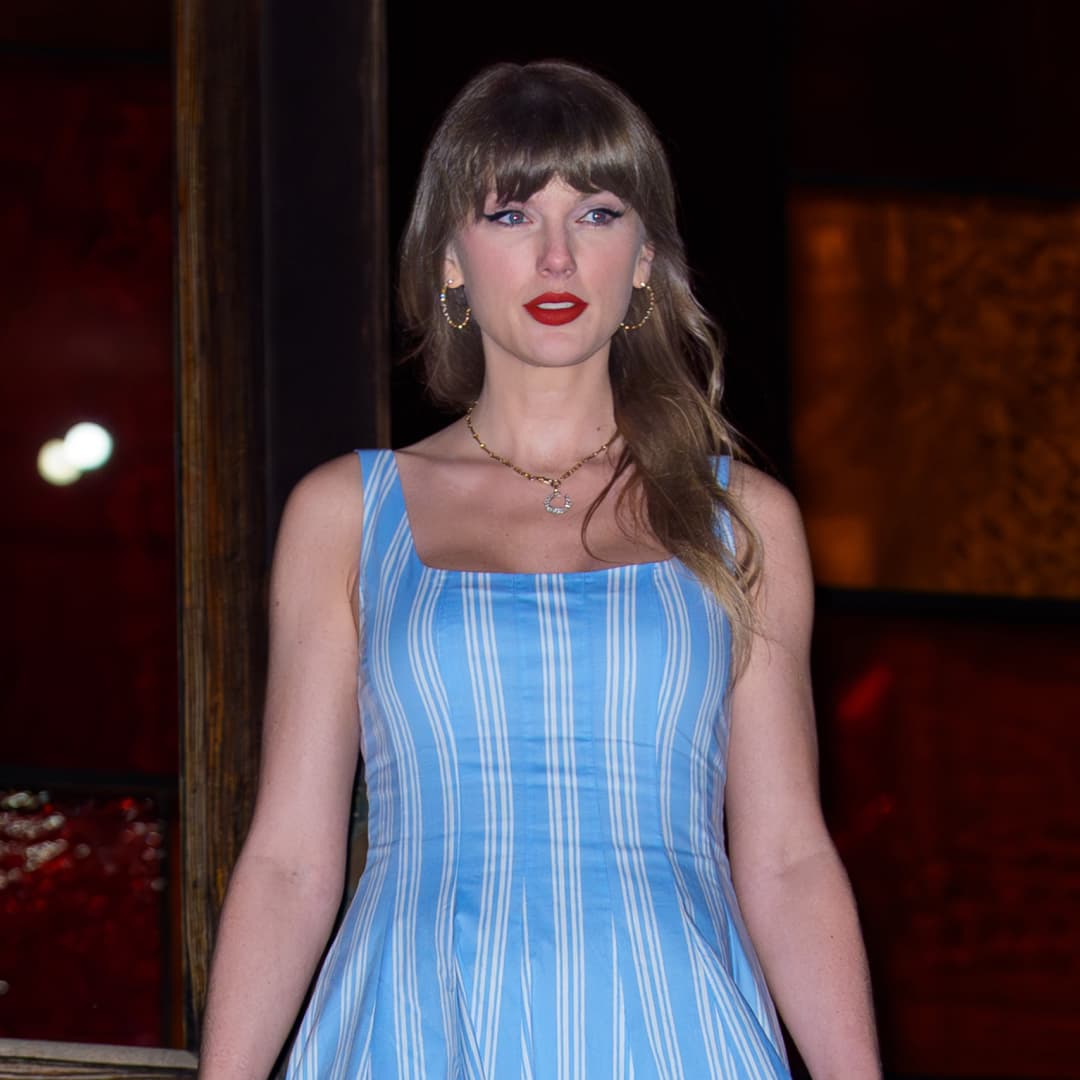
Basque-waist wedding dresses bring Victorian drama to 2026 brides
Basque-waist gowns are the bridal shape of the moment: Victorian in spirit, body-smart in effect, and built to lengthen the torso while sharpening the waist.

Basque waists are the bridal silhouette doing the most with the least effort
The best basque-waist wedding dresses have a rare trick: they make the waist look smaller, the torso look longer, and the whole gown feel more sculpted without tipping into costume. That is why the shape is suddenly everywhere, from bridal inspiration feeds to red carpets, where Maggie Sottero says basque-waist dresses are “totally trending” and showing up “all over” the conversation.
What makes the look so compelling now is that it gives brides the romance of corsetry without the stiffness of old-fashioned restraint. The waist dips into a V or soft point below the natural waist, then opens into a full skirt or a cleaner column, creating an hourglass line that feels intentional rather than overworked. It is historical drama, yes, but it is also practical styling: the eye goes straight to the center of the body, then travels down, which is exactly why the silhouette reads so elegant in photos.
Why the silhouette is surging again
The basque waist did not appear out of nowhere. Fashion History Timeline traces basque bodices with lace trimming to 1880, when the shape was highly fashionable, and Maggie Sottero places its revival in the late 19th century, when corsetry and structured gowns ruled bridal dress. Fashionista has been tracking the return of Victorian references for several seasons, naming regal basque waistlines and defined corsetry among the key influences shaping Spring 2025 bridal style.
That matters because the 2026 basque-waist boom is not a one-off trend spike. Fashionista’s Spring 2024 coverage pointed to corsets and social-media-friendly styling as part of a wider bridal boom that was still rolling after the post-2022 wedding surge, and Spring 2025 doubled down on the Victorian mood. The basque waist feels like the clearest next step in that evolution: less gimmick, more structure, with enough period detail to feel special and enough restraint to feel wearable.
Pinterest’s wedding data explains the appetite. In its 2024 Wedding Trend Report, searches for “Victorian wedding dress vintage” and “Victorian gothic wedding” jumped 170 percent, while “vintage inspired wedding dresses” rose 240 percent. Then Pinterest’s 2026 wedding report made the shift even clearer, saying couples are “rewriting” weddings with more personal, less traditional choices and pointing to low-key pre-wedding soirees, opalescent palettes, speakeasy venues, and bold bridal headwear as part of that mood. With more than 7 billion wedding-related searches and more than 16.7 billion wedding ideas saved globally in the prior year, the platform is basically charting the direction of desire.
How the basque waist changes the body line
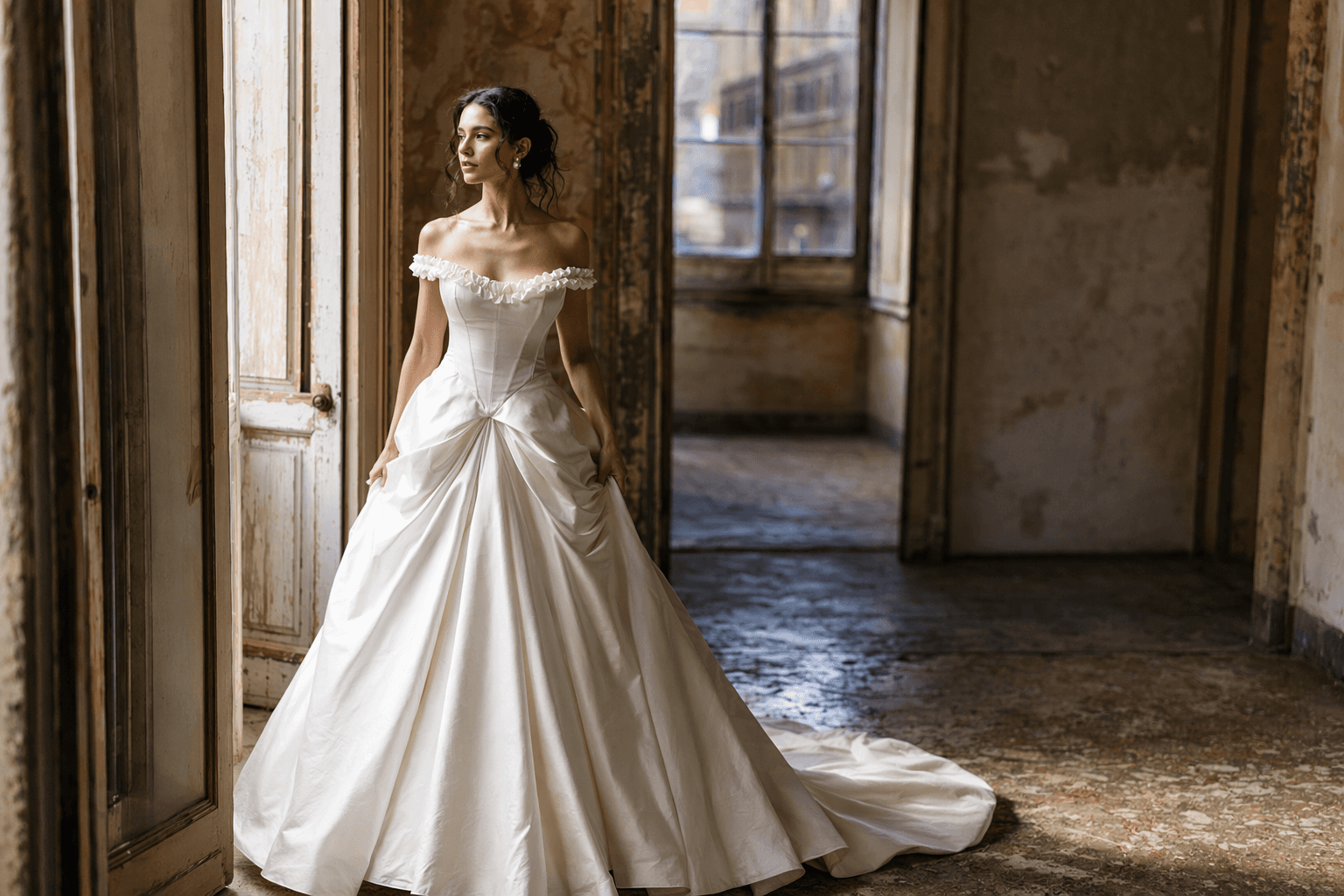
The biggest difference between a basque waist and a traditional waistline is where the dress decides to end and begin. A standard waist hits at the narrowest point and can feel straightforward, even severe if the bodice is very clean. A basque waist drops lower in a V, which visually lengthens the torso and creates a more dramatic transition into the skirt.
Compared with a drop waist, the effect is different again. Drop waists elongate the midsection by lowering the waistline in a more horizontal way, often with a sleeker, more modern ease. The basque waist is more directional and more romantic: it draws a pointed line that emphasizes the center of the body, then blooms into volume below, which is why it can feel regal rather than merely elongated.
That shape also works across different skirt treatments. A full skirt can amplify the old-world grandeur, while a leaner silhouette keeps the look fresher and less theatrical. The best versions use the V-shaped waist as architecture, not decoration, so the eye reads proportion first and embellishment second.
What to look for in a fashion-forward basque gown
The polished version is all about balance. You want the corsetry to define, not immobilize, and you want the waistline to sculpt the eye without turning the dress into a period piece. The sweet spot is a gown that feels considered from every angle: clean seams, a firm bodice, and a skirt that falls with enough ease to soften the structure.
A few details signal the difference between elegant and overly theatrical:
- A basque point that is sharp enough to define the waist, but not so deep that it dominates the gown.
- Corsetry that shapes the torso smoothly, rather than exposing every boning line.
- Lace, pearlwork, or texture used sparingly, so the silhouette stays in charge.
- A skirt that balances the bodice, whether it is full and romantic or slim and precise.
- Styling that keeps the look modern, like a clean veil, restrained jewelry, or a strong headpiece chosen with intention.
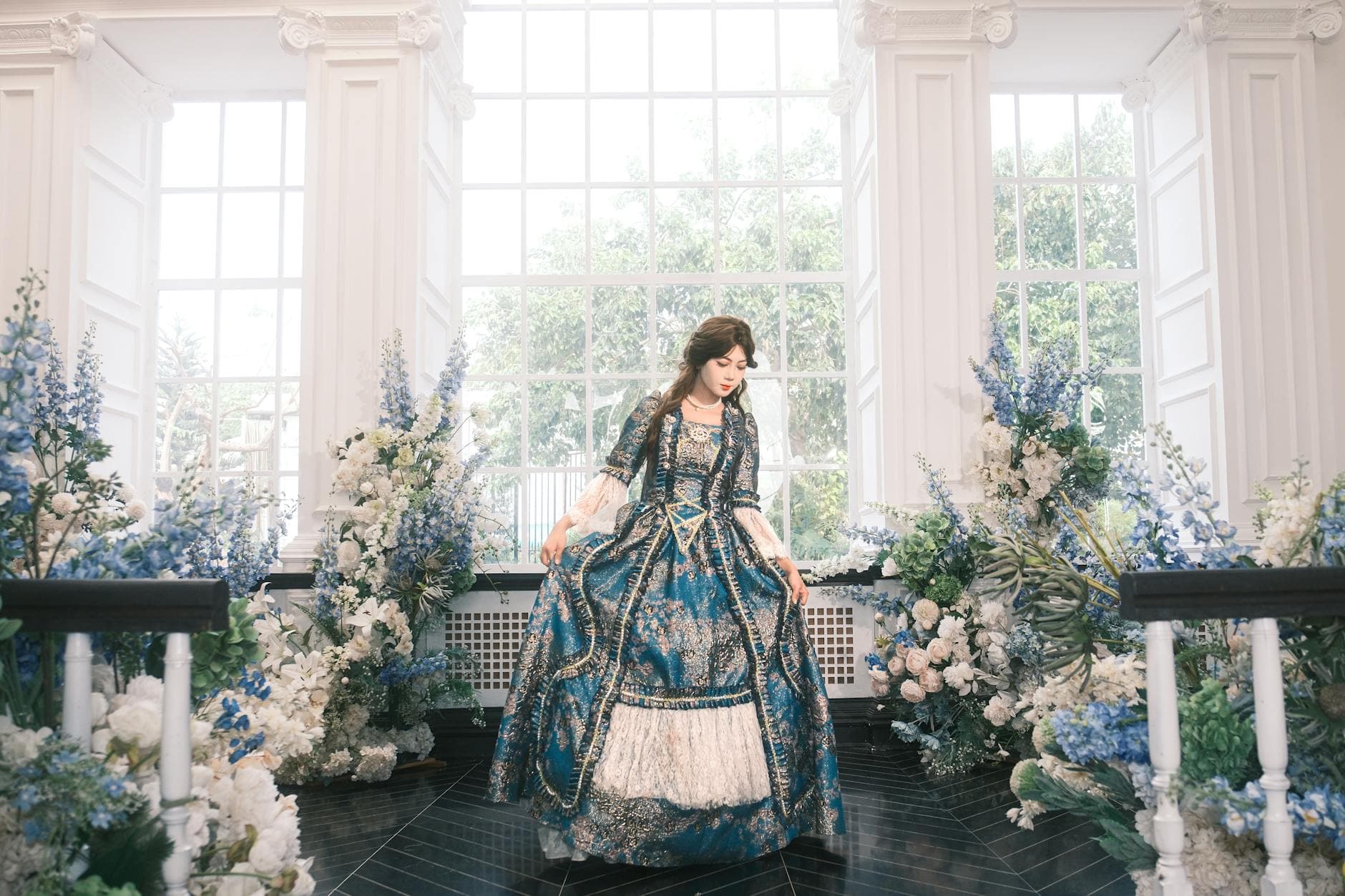
When a basque gown veers too far, it usually happens because too many Victorian signifiers are competing at once: heavy lace, excessive volume, dense trim, and a bodice that feels more reenactment than bridal. The most successful dresses borrow the mood of the era without recreating it literally.
How brides are wearing the trend now
The reason the basque waist feels so current is that it sits neatly inside the broader move toward sculpted bridal dressing. The shape satisfies brides who want definition and romance in one look, and it gives photographers a strong line to work with, which is part of why it keeps resurfacing in inspiration feeds and red-carpet moments.
It also works for brides who are already drawn to structured bodices and dropped waists but want something with a little more narrative. The basque waist gives the same body-conscious shaping, then adds a pointed flourish that feels more distinctive than a standard corset bodice. In a market where Victorian references, corsetry, and photo-ready silhouettes have been building for seasons, that combination makes the basque waist the clearest example of bridal fashion reviving history without getting trapped in it.
The result is a silhouette that looks rooted, not retrograde. It offers the drama of a century-old bodice language, then translates it into something a 2026 bride can actually move, pose, and marry in with ease.
Know something we missed? Have a correction or additional information?
Submit a Tip