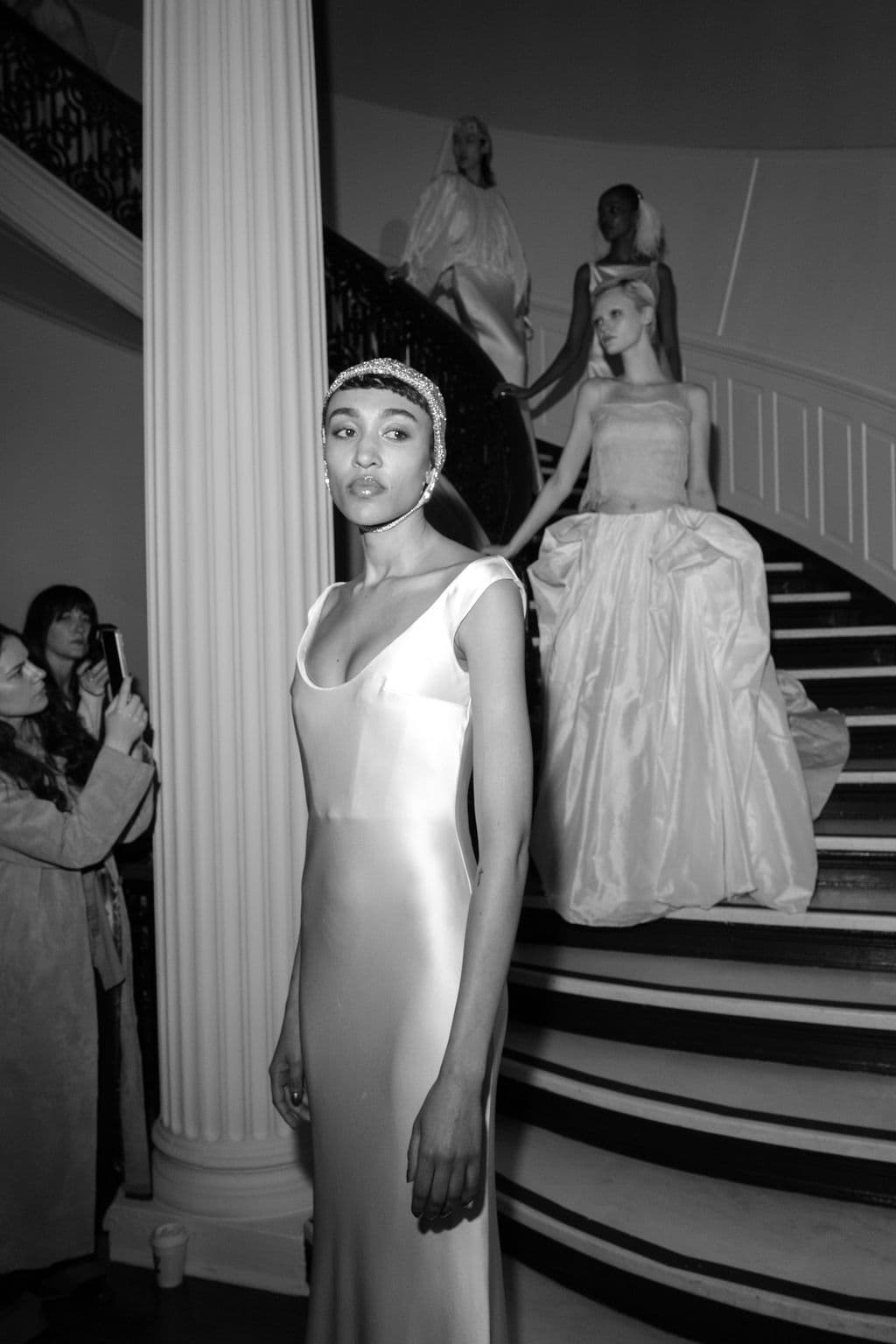
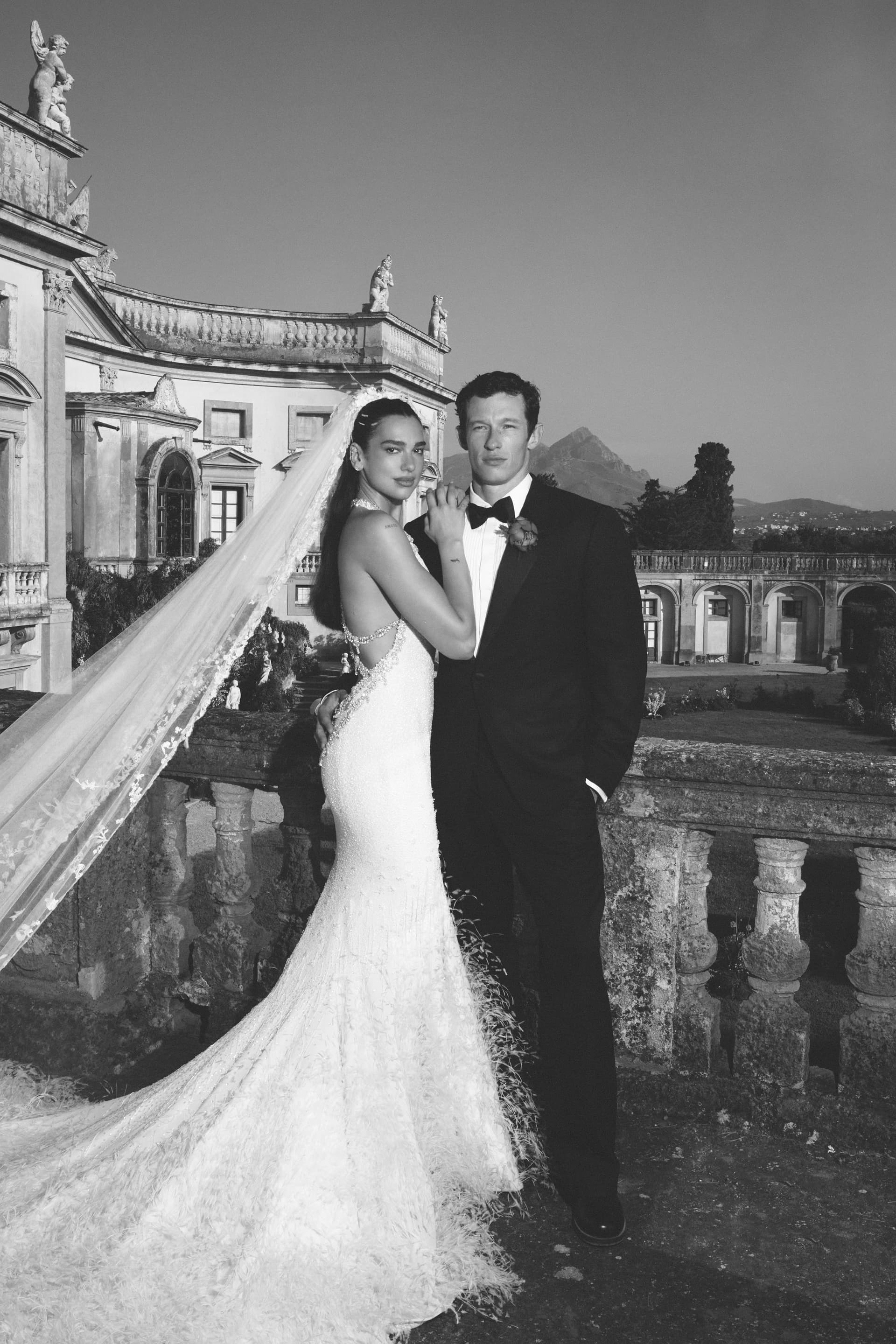
Bridal shoes for 2026 embrace boots, wedges and neutrals
Bridal shoes are getting smarter: boots, wedges and neutral shades solve real wedding-day problems without flattening the look.
The bridal shoe brief has changed
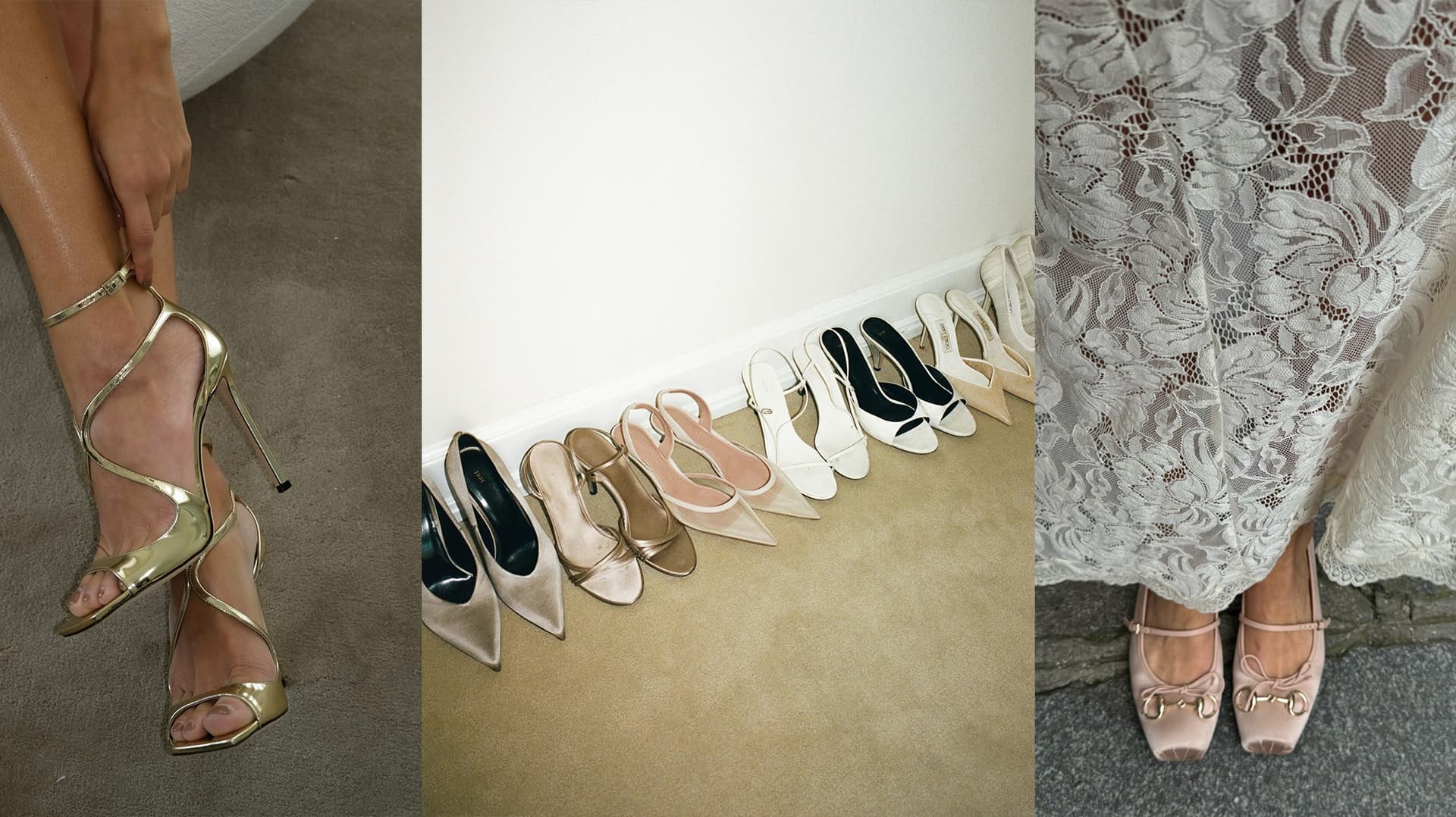
The smartest wedding shoes in 2026 are built for the day you actually have, not the fantasy version with a single carpeted aisle and zero movement. Boots, wedges, sneakers and non-white neutrals are giving brides room to handle grass, cobblestones, long ceremonies and second looks without sacrificing polish. The mood is less precious, more personal, and a lot more practical.
That shift is bigger than one trend cycle. Bridal shoe coverage is moving toward wearability and individuality, with shoes borrowing from runway shapes and street-level ease instead of staying locked in the old white-pump script. The result is a category that feels more alive, more styled, and frankly more believable for a wedding that has to survive a whole day and night.
Boots are the strongest power move
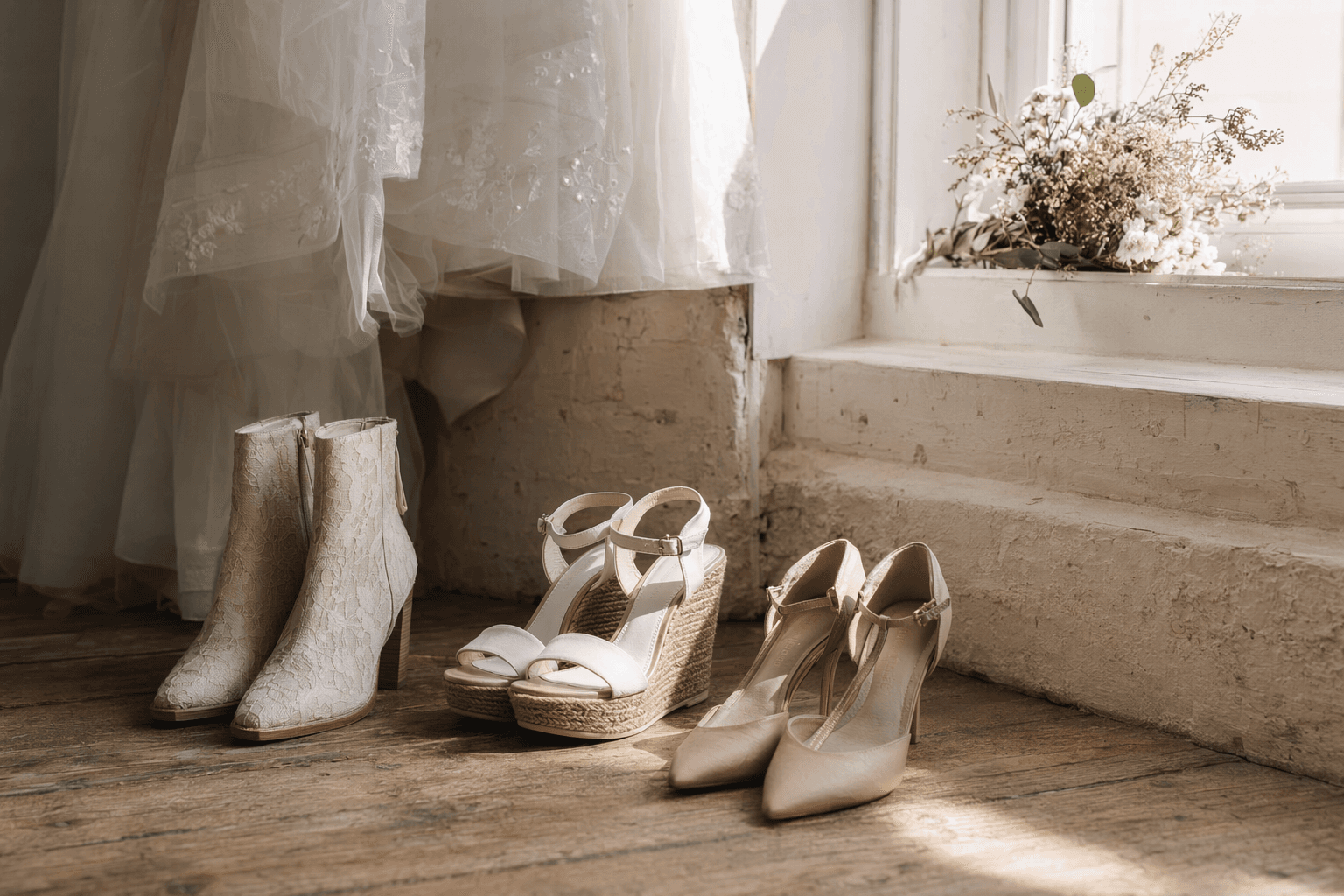
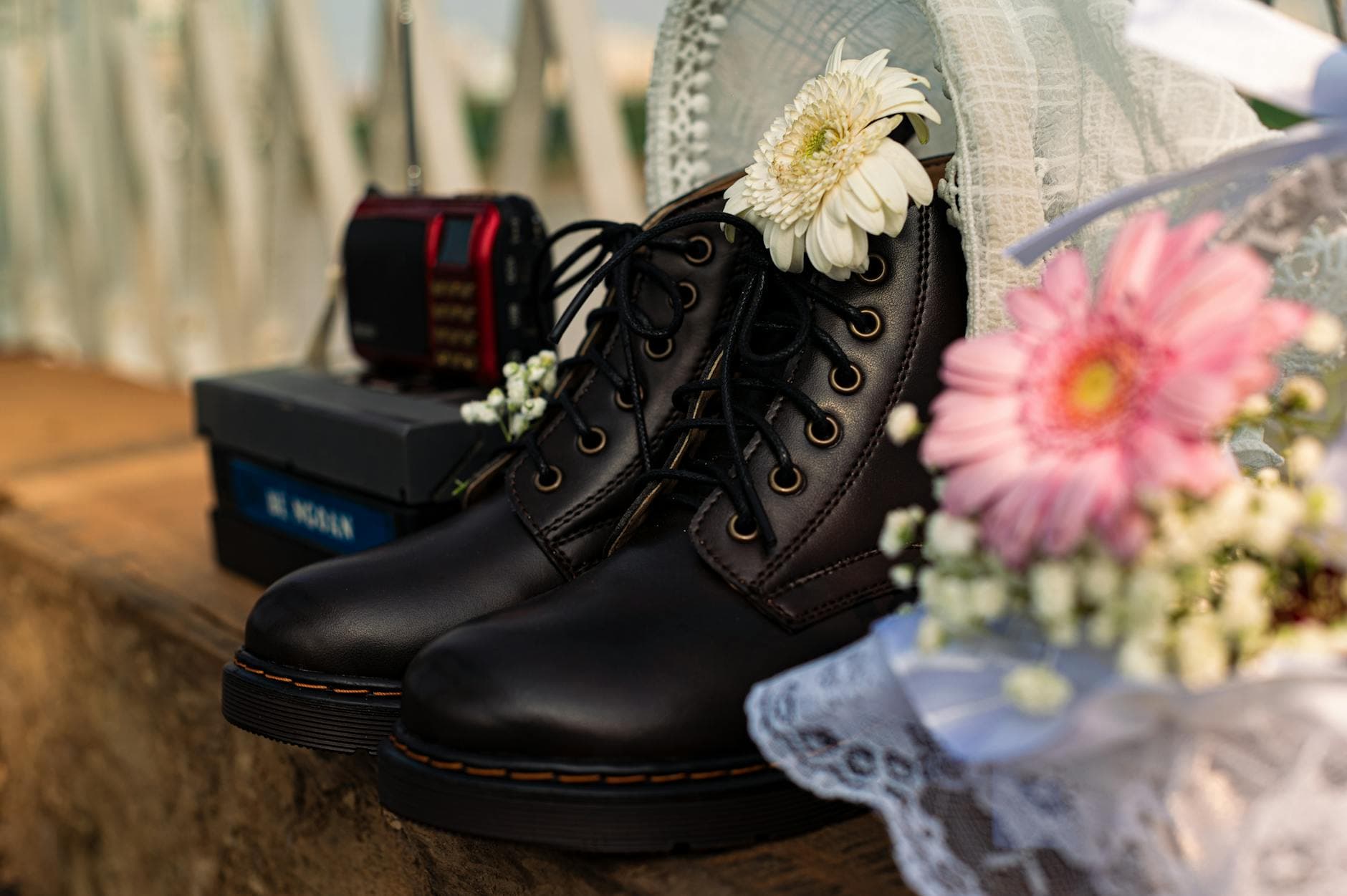
Bridal boots are no longer the weird choice hiding in the back of the mood board. They are now one of the clearest answers to real wedding dressing, especially when the venue is uneven, the hem is short, or the outfit leans fashion-first instead of princessy. Who What Wear points to everything from cowboy boots peeking out under a dress to sleek boots that make sense for a city hall ceremony, and that range is exactly why the category has legs.
The best thing about boots is that they do more than protect your feet. They shift the silhouette. A sharp ankle boot under a tea-length dress, a taller shaft under a sculpted hem, or a Western shape paired with a softer gown gives the whole look a little tension, which is where style usually gets interesting. This is bridal footwear for people who want their shoes to say something before they ever hit the dance floor.
Wedges are back because comfort finally won
If the word wedge used to sound a little dated, bridal fashion has cleaned it up by making it useful again. Comfort is fueling the comeback, and that is the kind of trend that sticks because it solves a problem every bride understands: standing for hours in shoes that look expensive but feel like punishment. A wedge gives height without the wobble, which matters when you are crossing lawns, stairs, sand or any other surface that hates stilettos.
This is also where wedges start to look quietly chic instead of merely sensible. Under a fluid dress, they read relaxed and polished at once. With a shorter hem or a second-look outfit, they bring a clean, modern line that feels intentional rather than fallback. In a season where bridal shoes are taking cues from the runway, the wedge is the practical shape that still knows how to photograph well.
Non-white neutrals make the whole outfit sharper
The move toward non-white neutrals is not about playing it safe. It is about giving the shoe actual styling range. Soft neutral tones work with ivory, satin, lace, mikado, tailored separates and all the nontraditional dresses brides are wearing more often now, which is why they have become such a useful part of the conversation.
A good neutral shoe does something white often cannot: it disappears just enough to let the outfit breathe, while still looking finished. That matters if you are wearing a dress with strong texture, an unexpected hemline or a color story that is not strictly bridal in the old sense. The shoe stops competing and starts supporting the look, which is what a great accessory should do.
Sneakers, sneakerinas and hybrids are the reception answer
WWD frames 2026 bridal footwear as stretching from stiletto glamour to reception-ready sneakerinas, and that is the right range to be looking at. Once the vows are over and the dance floor opens up, brides want shoes that can move, not just pose. That is where sneakerinas, sneaker-heel hybrids and other hybrid silhouettes make sense: they let you keep the fashion angle without asking your body to suffer for it.
These styles also fit the reality of wedding weekends, where one shoe rarely has to do one job. Ceremony, cocktail hour, dinner, after-party, outfit change: the shoe has to flex. A sneaker-heel hybrid or a polished flat with athletic DNA is not a downgrade. It is a styling strategy for people who want the night to keep going.
The wider bridal shoe field is getting more interesting
The broader 2026 bridal shoe conversation is not just about comfort. Other roundups point to sculptural heels, cap-toe styles, ballet flats and Western boots, which tells you the category is spreading out in every direction at once. That breadth is the story. Bridal shoes are no longer just an afterthought beneath the dress; they are part of the look architecture.
The Wed’s 10-shoe map makes the same point in a sharper way: the bridal shoe is taking cues from the runway, with shapes, textures and details that push far past tradition. That opens the door for shoes that feel designed rather than default, whether the finish is satin, metallic, patent or something more unexpected.
Luxury brands are loosening the code
The heritage players are not sitting this out. Manolo Blahnik and Jimmy Choo are still leaning on the signature silhouettes that made them bridal mainstays, but they are also testing more playful seasonal capsules. Manolo’s Marie Antoinette-inspired collection is a good example of how far the category has drifted from strict minimalism. Brides still want elegance, but they also want a little theater.
That matters because it shows the market is not abandoning polish, it is widening the definition of it. A classic satin heel still has a place. So does a more embellished, collectible shoe that behaves like the exclamation point of the outfit. Bridal is starting to borrow the energy of fashion week instead of only serving tradition.
The controversy around Birkenstock says the market has already moved
The Birkenstock x Danielle Frankel collaboration made that shift impossible to ignore. The backlash over Birkenstocks at a wedding, plus the steep price point, only underscored how far bridal footwear has expanded. If a pair of deliberately unfussy sandals can spark that much conversation in the wedding space, then “bridal shoe” has clearly stopped meaning one thing.
That kind of friction also makes commercial sense. Research and Markets projects the bridal wear market will grow from $68.46 billion in 2025 to $71.18 billion in 2026, driven by rising wedding spending, celebrity influence and designer bridal brands. Shoes are a small part of that business, but they are a loud part of the style conversation, and the money follows the conversation.
The useful rule for 2026
Pick the shoe that matches the life of the wedding, not the fantasy of it. Boots handle hems and weather, wedges solve terrain, neutrals make styling cleaner, and sneaker-adjacent shapes keep the night moving. The old bridal formula was pretty but fragile; the new one is built to last through the aisle, the dance floor and whatever outfit change comes next.
This article was produced by Prism’s automated news system from verified source data, official records, and press releases, then run through automated quality and moderation checks before publishing. The system is built and supervised by the people who set the standards it runs under. Read our full AI policy.
Did this article answer your question?