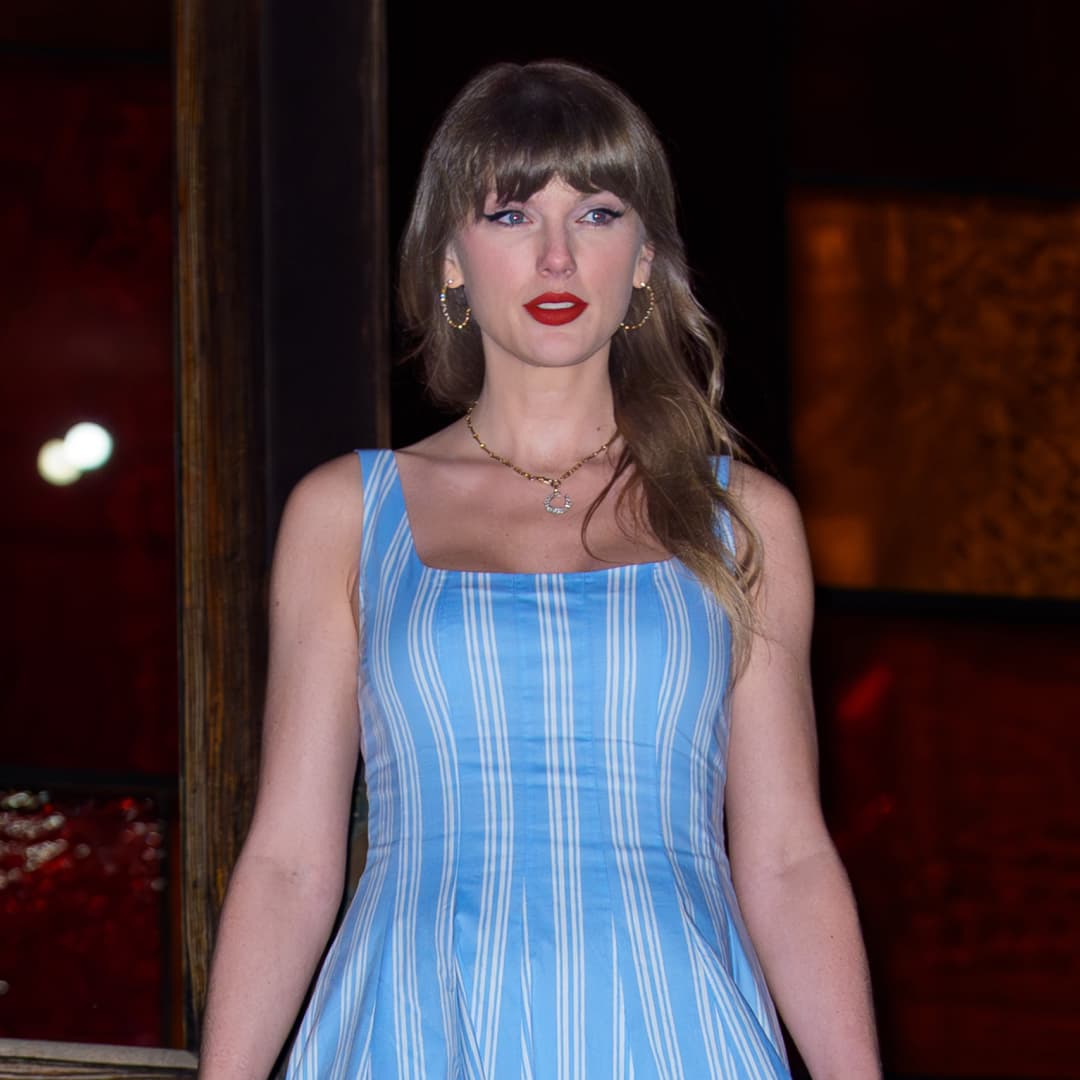
Bridesmaid dresses turn more wearable as bridal style gets fashion-forward
Bridesmaid dressing is finally acting like real wardrobe planning: softer silhouettes, richer textures, and mixed palettes make the whole party feel cohesive and reworn.
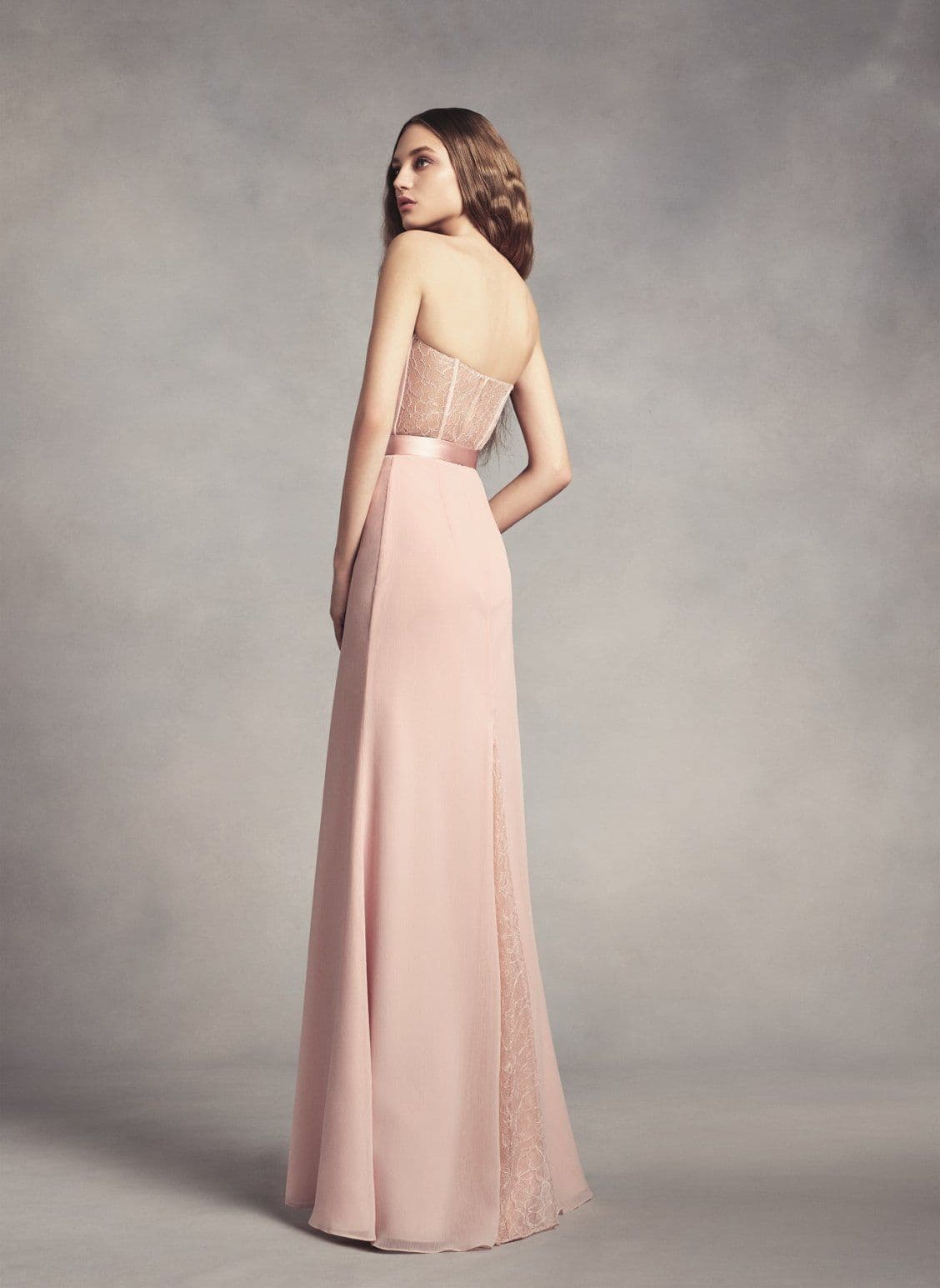
Vera Wang’s new bridesmaids at David’s Bridal read like a small but telling reset for the category: architecture without stiffness, fluidity without fuss, and enough personality that a group can look polished without slipping into clone territory. The line arrives in-store June 30 and is meant, in David’s Bridal’s words, to help every bride feel “fierce, feminine and unapologetically herself,” which is exactly the mood shift that is pushing bridesmaid dressing toward clothes that can survive the ceremony, the after-party, and the next invitation on the calendar.
The new bridesmaid brief
The strongest bridesmaid looks this season are being shaped by a simple problem: how do you dress a mix of bodies, budgets, and personal styles without making the group look chaotic? The answer is less about strict matching and more about a shared language of fabric and finish. Satiny charmeuse maxis, 3D florals, tiered texture, moody earth tones, and brighter color moments give a bridal party cohesion through texture and tone rather than identical hemlines.
That shift makes sense in a wedding market where nostalgia, social-media curation, and a “Something Old is Something New again” mindset are all part of the brief. The Knot says Gen Z couples are pushing personalization further than Millennials, with less tradition and more boldness, and it also notes that two generations are planning weddings now. The result is a wider range of themes and a stronger appetite for dresses that can flex across different personalities within the same party.
Silhouettes are borrowing from the runway
Bridal style has been moving closer to ready-to-wear for years, and bridesmaid dressing is following right behind it. WWD’s spring 2025 bridal coverage pointed to the same silhouettes showing up in the broader fashion conversation: drop waists, mod mini dresses, corsetry, cinched waists, and lace-collar or full-skirt references that make a gown feel current without losing its occasionwear polish. That matters for bridesmaids because it creates room for shape, not just color.
In practice, that means a charmeuse maxi can read sleek and grown-up instead of standard issue, while a corseted bodice or cinched waist gives the group a bit of structure without forcing everyone into the same mold. Tiered skirts and flange textures, like the ones in Vera Wang Bride and Bridesmaids, add movement that photographs beautifully and feels festive in person. This is the kind of detail that lets one dress flatter a narrower frame, another accommodate curves, and a third feel substantial enough for a formal evening ceremony.
Color is no longer locked to white, or even to blush
The bridesmaid palette is widening for the same reason bridal color has widened. After the pandemic, WWD noted that brides felt freer to move away from all-white convention and into everything from pretty pastels to black, and that permission has only expanded. For bridesmaids, that opens the door to moody earth tones that feel elegant in late-afternoon light, as well as brighter color moments that wake up a lineup without turning it into a rainbow.
That flexibility is especially useful when you want a bridal party to feel coordinated across different venues. A garden ceremony can support softer florals and pale tones, while a city reception can handle saturated shades, charcoal, or even black-tie-adjacent glamour. The smartest part is that these palettes do more than look good in photographs: they increase the odds that a dress can be reworn, which is now part of the appeal rather than an afterthought.
Florals are becoming the easiest rewear story
If there is one bridesmaid category that clearly understands this rewearability argument, it is floral. The Knot frames floral bridesmaid gowns as a major 2025 to 2026 trend and already positions them for 2026 to 2027 shopping, with a specific nod to the idea that these pieces can leave the wedding circuit and work again for brunches, dinners, and other dressed-up occasions. That is a useful correction to the old bridesmaid logic, where “special occasion” often meant “one use only.”
The appeal is practical as much as decorative. 3D floral appliqué and floral burnout fabric bring enough surface interest to feel celebratory, but they also read as garments, not costumes. A dress with dimensional petals or a subtle burnout pattern can move from a spring wedding to an anniversary dinner with only a shoe change and a different bag, which is exactly the kind of cost-per-wear logic fashion-conscious bridesmaids now expect.
Brands are building for real budgets and real size ranges
The commercial side of the trend is following the same logic. Azazie’s second Barbie bridesmaid collection includes 20 new styles priced under $159 and sized 0 to 30, a range that immediately makes the category feel more accessible. Barbie Pink, bows, shimmer fabrics, 3D floral rosettes, and floral burnout material give the collection a playful finish, but the bigger story is the pricing and sizing breadth, which makes the fashion moment feel usable rather than aspirational-only.
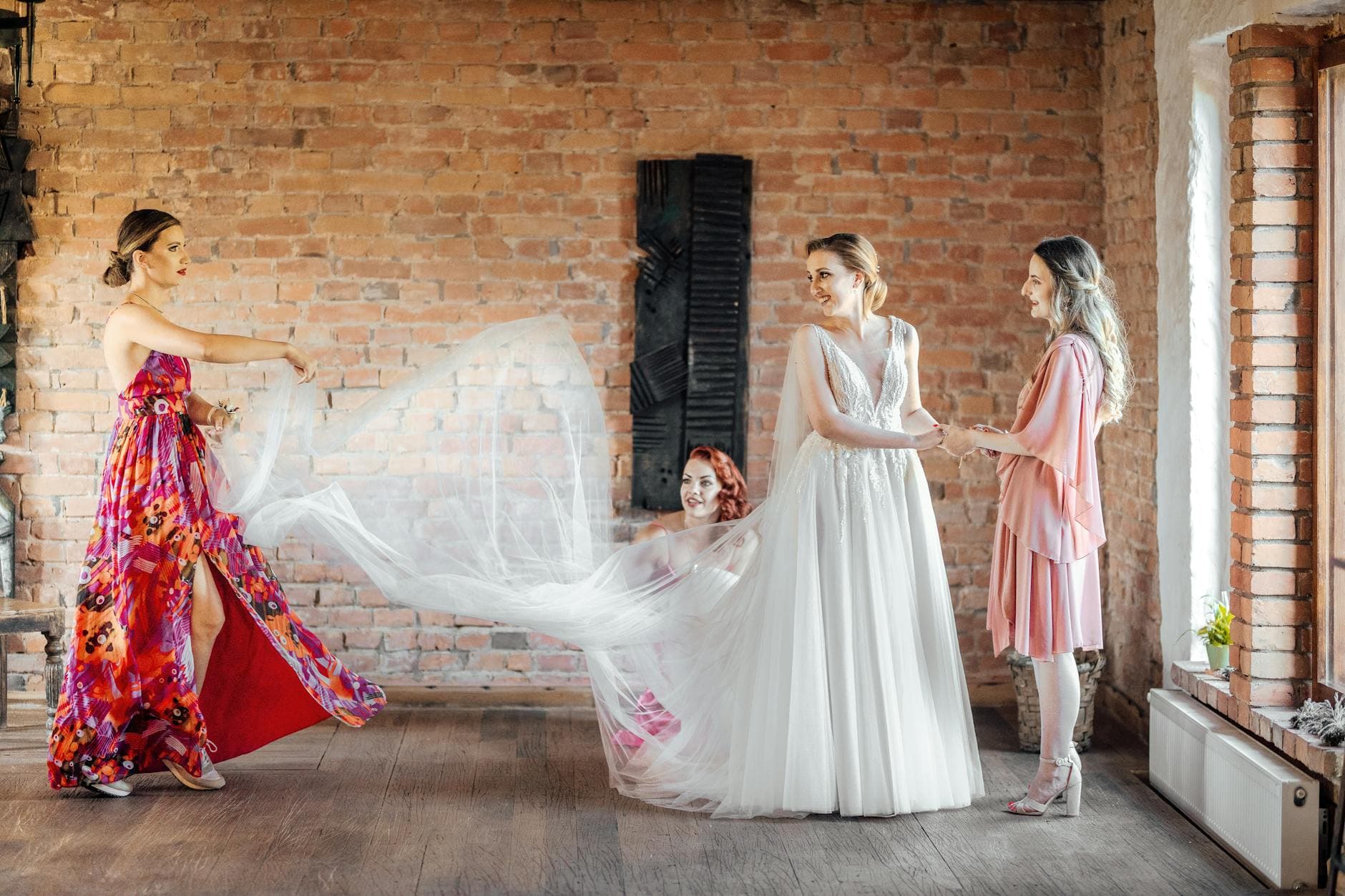
That accessibility is part of why bridesmaid dressing is gaining momentum as a category in its own right. A collection that offers both a lower price point and a broader size range can solve the party-wide equation more cleanly than a one-note dress code ever could. It lets one person choose a shinier look, another choose a softer floral, and another stay within budget without breaking the visual story.
Real wedding weekends are shaping the market from the inside
Some of the most convincing bridesmaid ideas are coming from designers who have already lived them. Alexandra Pijut designed 15 looks for her own spring 2025 wedding weekend, including outfits for her mother, grandmother, and bridesmaids, before turning that experience into her spring 2026 bridal and demi-couture collection. That is the clearest sign that bridesmaid dressing is being built from actual wedding logistics now, not just mood boards.
It also explains why the category feels more emotionally intelligent. When a designer has dressed a whole wedding weekend, she understands that one bridesmaid may want a restrained silhouette, another may want movement, and another may need something that holds its shape through a long dinner and a late-night dance floor. The collection becomes less about uniformity and more about making different people look like they belong in the same photograph.
Why this matters now
The broader bridal market keeps reinforcing the same message: wedding clothes are no longer sealed off from the rest of fashion. The Knot’s wedding trend coverage, WWD’s runway-linked bridal reporting, Vera Wang’s new bridesmaids launch, Azazie’s size-inclusive Barbie collaboration, and Pijut’s wedding-tested collection all point in the same direction. Bridesmaid dresses are getting smarter, more wearable, and more specific to the people actually wearing them.
That is what makes the current shift so appealing. The best bridesmaid dress no longer asks a friend to disappear into a palette; it gives her a real garment, with texture, shape, and enough rewear value to justify the hanger space.
Know something we missed? Have a correction or additional information?
Submit a Tip