Celebrity bridal style, Pinterest trends and boutique closures reshape weddings
Bridal shopping is turning into a multi-event wardrobe business, with celebrity styling, Pinterest cues and boutique pressure reshaping what brides buy first.
The new bridal brief
The wedding dress is no longer the whole story. Brides are dressing for the proposal, the civil ceremony, the destination trip, the after-party and the social-media moment in between, and that shift is changing what boutiques need to stock and what designers need to build into a look from the start.
That is the real market signal running through the latest bridal coverage: not one hero gown for one aisle walk, but a wardrobe that can flex across an entire wedding season. The smartest pieces now do more than photograph well. They move, layer, detach, soften, transform and, ideally, justify their place in a budget that is already under pressure.
From ceremony dressing to event dressing
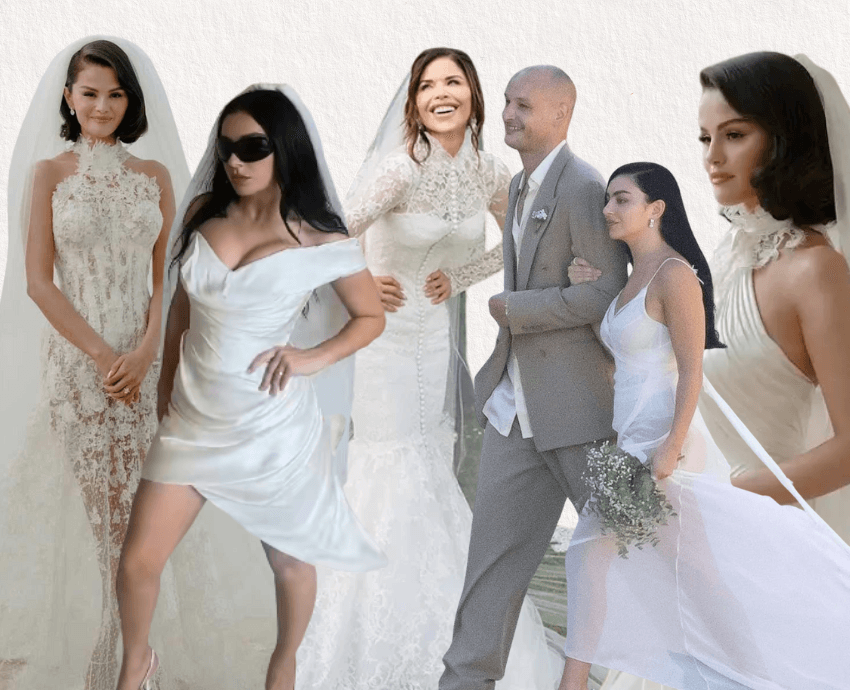
Celebrity bridal style is helping push the category beyond traditional ceremonywear. Bridal Buyer flagged Dua Lipa’s Ibiza bachelorette wardrobe as a commercially relevant celebrity bridal moment and described it as “funmaxxing bridal,” which captures the mood precisely: high-luxury, experience-led dressing that treats the lead-up to the wedding as its own fashion calendar. The message is clear enough for retailers to act on. Brides are no longer shopping for a single white dress, they are shopping for a sequence of looks that can stretch from dinner to dance floor to departure lounge.
That same blurring shows up in Alexandra Leclerc’s bridal-coded couture gown after her civil ceremony with Charles Leclerc. It was not just a dress, it was a statement that the modern bridal wardrobe now lives comfortably in the space between formalwear and fantasy. Add in the growing appetite for engagement shoots, hen parties and destination celebrations, and the commercial opportunity becomes obvious: bridal is no longer a one-day category.
Cannes is quietly rewriting bridal language
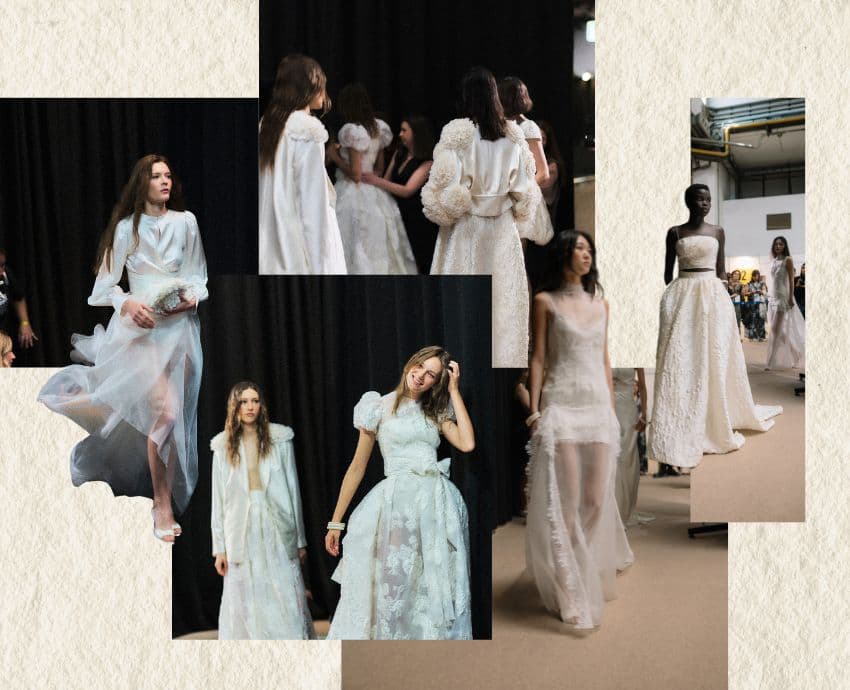
The clearest style cue from the season may have come from Cannes, where early arrivals leaned into bridal-coded dressing without wearing literal bridalwear. Bridal Buyer said the looks were defined by structured corsetry, layered tulle, sheer illusion panelling and neutral palettes, all details that once belonged mostly to the aisle and now read as red-carpet polish. That crossover matters because it normalizes bridal references outside the wedding itself.
For designers, the takeaway is not to make dresses that scream wedding. It is to make dresses that borrow from bridal codes with enough restraint to work in more than one setting. Corsetry is back because it shapes the body and photographs beautifully. Tulle is back because it adds volume without weight. Illusion panels and pale, neutral tones do the rest, giving the wearer that bridal glow without locking the piece into one ceremony.
Pinterest has already mapped the next buying cycle
Pinterest is giving the market a far wider lens. Its 2026 Wedding Trends Report says people made over 7 billion wedding-related searches and saved more than 16.7 billion wedding ideas globally last year, which is huge enough to function as a retail weather report. The platform also says the top reason couples choose unconventional weddings is that they better reflect their personalities, and that single idea explains why bridal taste is becoming more individual, more flexible and more experimental.
The trends it highlights point away from stiff formality and toward atmosphere: low-key pre-wedding soirees, opalescent palettes, speakeasy venues and bold bridal headwear such as crowns, caps and cool-girl veils. WWD’s coverage of the same data adds another layer, noting rising interest in “celestial whimsigoth” and other alternative bridal keywords, plus more multifunctional looks built with detachable layers, capes, overskirts and boleros. That is not a niche detour. It is the shape of the market, where personality is becoming the product.
What boutiques need to stock now
The boutiques best positioned for this moment will not rely on one kind of gown rack. They will edit for versatility, add-on value and visual range. Brides want to buy across the whole arc of the wedding, and the store that can answer that brief will feel more essential than the one that only sells the ceremony look.
- Detachable layers, especially overskirts, capes and boleros that let one dress become two or three looks
- Corseted silhouettes that give structure without requiring heavy embellishment
- Headwear, from soft veils to caps and crowns, because accessories are now part of the story
- Separate pieces that can be reused after the wedding, especially for events and travel
- Beauty and gifting add-ons that can be bundled into the wider bridal purchase
This is where the business logic meets the styling logic. If the average U.S. wedding dress costs about $2,100, according to The Knot, brides are already making deliberate decisions about where to spend and where to save. A dress that can do more than one job suddenly looks less like indulgence and more like strategy.
Why the retail pressure is real
The closure news around Bibbidi Bobbidi Boo Bridal Boutique and Caroline Bailey Bridal is a reminder that the category is changing even as weddings remain culturally resilient. Bibbidi Bobbidi Boo is closing after 15 years in the bridal world, while Caroline Bailey Bridal is also closing after 10 years in business. Bibbidi Bobbidi Boo says it will keep supporting existing brides through fittings and collections while holding a closing-down sale, which softens the transition but does not hide the larger picture: rising costs and changing consumer behavior are squeezing the traditional bridal shop model.
The numbers back that up. The Knot’s 2026 Real Weddings Study puts the average U.S. wedding cost at $34,200, based on a survey of 10,474 U.S. couples married in 2025. Zola’s 2026 First Look Report says the average wedding cost is $36,000 and has held steady for two consecutive years, while nearly 1 in 5 couples are now entering full planning mode before the proposal. That means the market is starting earlier, staying active longer and asking more from every purchase. Brides are not just buying a gown. They are budgeting for a whole narrative.
The bridesmaid gift is now part of the commercial equation
The smartest new bridal products understand that the wedding ecosystem extends well beyond the bride. LOOKFANTASTIC’s Bridesmaid Box, priced at £40 and described as worth over £105, is a neat example of how beauty gifting is becoming more polished and more commercially useful. It is positioned for “the big day & beyond,” which is exactly the language that fits this moment, because bridesmaids are no longer being handed throwaway keepsakes. They are being folded into a beauty and self-care economy that can sit comfortably alongside the rest of the wedding spend.
That shift matters because it reflects how weddings are being merchandised now. The bridal business is not disappearing, it is widening. The winning formula is no longer a single gown on a hanger, but a set of connected purchases that cover the ceremony, the celebration and every styled moment in between. The brands and boutiques that understand that will define the next phase of bridal retail.
This article was produced by Prism’s automated news system from verified source data, official records, and press releases, then run through automated quality and moderation checks before publishing. The system is built and supervised by the people who set the standards it runs under. Read our full AI policy.
Know something we missed? Have a correction or additional information?
Submit a Tip