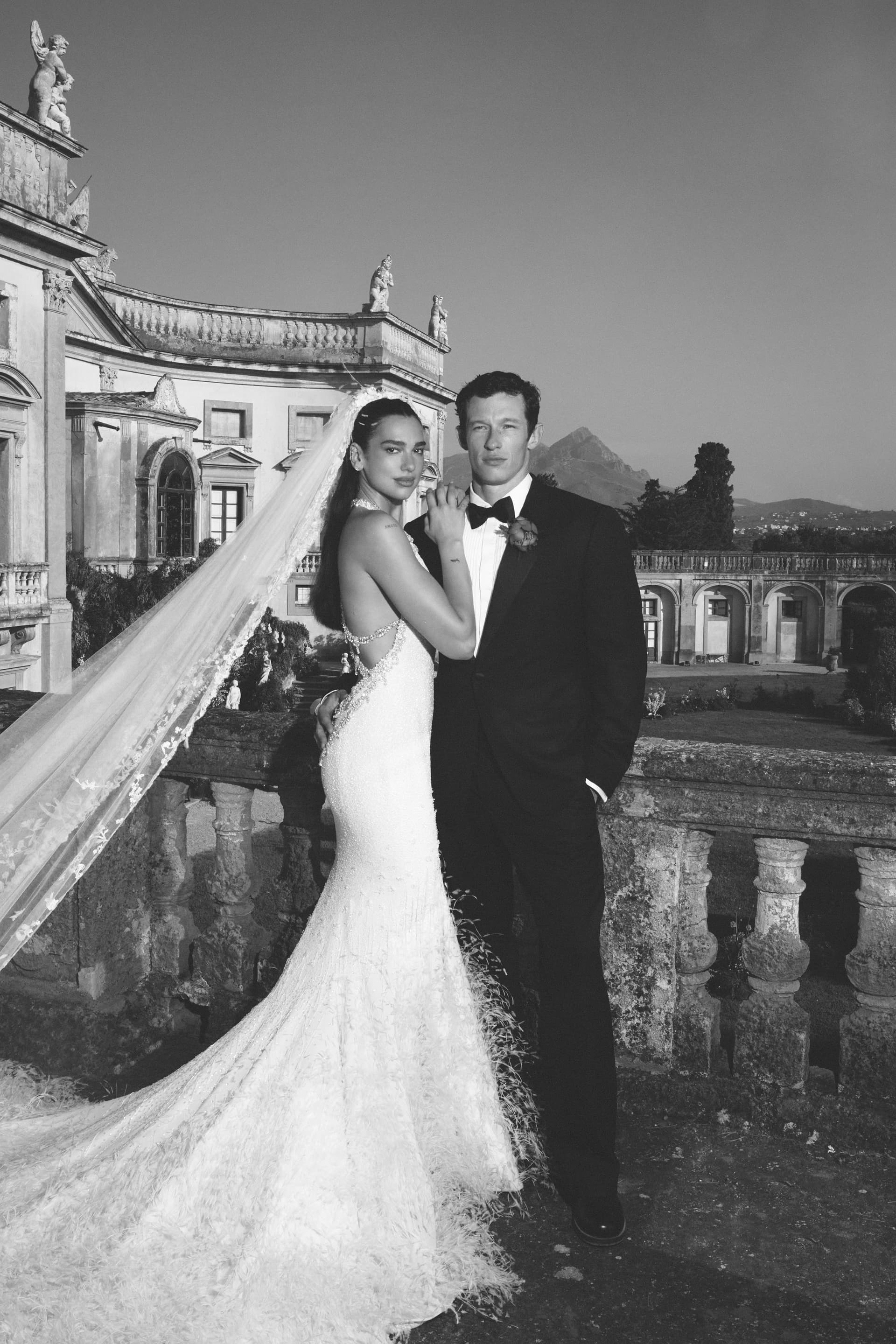
Colorful Kolhapuris bring festive comfort to bridal wardrobes
Pop-colored Kolhapuris are the bridal buy that works from haldi to travel days, with prices from 1,750 to 7,000 and comfort built in.
The case for the flat
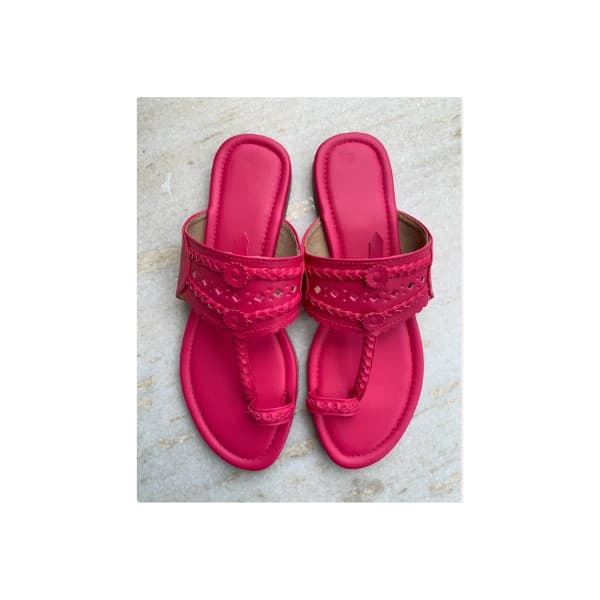
Pop-colored Kolhapuris solve a very specific bridal problem: how to look finished, festive, and photograph-ready without spending the entire day balancing in painful shoes. In a wedding calendar that can run from haldi to mehendi to post-wedding lunches, the appeal is obvious. These are the sandals that let you stand, greet, dance, and travel without losing the polish that bridal dressing demands.
What makes them especially relevant right now is the mood of the wedding wardrobe itself. Brides are choosing statement flats not as a compromise, but as a deliberate style move. A bright Kolhapuri reads as intentional against a silk sari, a mirror-work lehenga, or even a simple kurta set, because the color does the talking while the silhouette keeps the look grounded.
A heritage craft with real lineage
Kolhapuri chappals are not a trend invention, they are a craft with deep roots. The Ministry of Textiles traces them to the 13th century under King Bijjala, and names traditional forms such as Kapashi and Paytaan. That history matters because it gives the sandal more than decorative appeal, it gives it cultural weight.
The craft received a GI tag in July 2019, which legally ties the name to artisans in specific districts across Maharashtra and Karnataka. The protected belt includes Kolhapur, Solapur, Sangli, and Satara in Maharashtra, along with Dharwad, Belgaum, Bagalkot, and Bijapur in Karnataka. For a bridal buyer, that distinction is not a footnote. It is the difference between a generic flat and a named craft with provenance.
Why the conversation got louder
Kolhapuris have also been pulled into a wider fashion conversation about credit, authorship, and who gets remembered when a silhouette moves from local craft to global talking point. Prada’s 2025 sandal controversy pushed the style back into the spotlight, but the most important outcome has been a renewed public focus on the craft itself. In other words, the attention is finally circling back to the people who built the category long before luxury branding discovered it.
That broader visibility has practical value too. Reuters reported that around 7,000 artisans in India make Kolhapuri sandals, a number that makes the craft feel less like an abstract heritage object and more like a living production ecosystem. When a bridal shopper buys a pair, she is not just choosing a look. She is stepping into a craft story that still has makers at its center.
How to wear them through the wedding calendar
Haldi and mehendi
These are the easiest win for colorful Kolhapuris. Haldi wants movement, color, and a little resilience against mess, while mehendi usually means long hours on the floor, on a dais, or moving between family and friends. A bright fuchsia pair or a clean mint style gives the outfit lift without asking you to endure a heel all afternoon.
Travel days and in-between functions
The smartest bridal wardrobe buys are often the ones that work off the main stage. Kolhapuris are ideal for airport runs, hotel corridors, fitting appointments, and all the in-between moments that shape a wedding week. Because they are flat and open, they feel lighter than occasion shoes packed with embellishment, and they can still look deliberate with a co-ord set or relaxed festive separates.
Post-wedding events
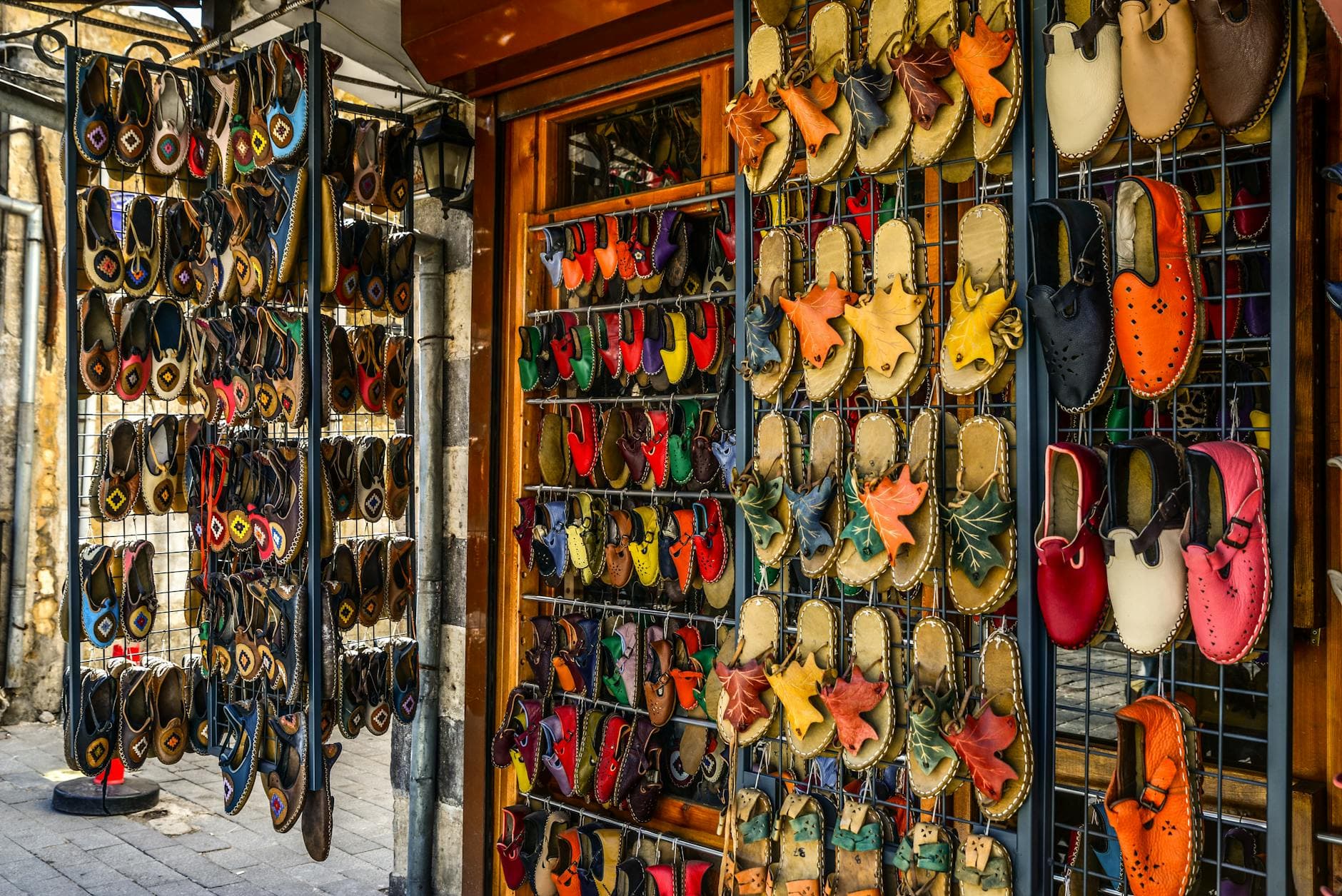
After the main ceremony, the bridal calendar rarely becomes less demanding. Family dinners, pujas, casual receptions at home, and the first rounds of post-wedding visiting all call for something comfortable enough to wear for hours, but festive enough not to look like an afterthought. This is where a colorful Kolhapuri earns its keep: it can sit under a sari border just as easily as under a kurta hem, and it never looks too precious to wear again.
The price range says a lot
The Brides Today edit makes the category feel accessible because it spans a wide range of prices. Shuffling Suitcases’ fuchsia pink pair is priced at 1,750, while 5 Elements’ Classic Mint Kolhapuri sits at 7,000. That spread matters: it shows Kolhapuris operating at both the entry-level and premium end of bridal shopping, which makes the style easier to justify whether you want a quick festive lift or a more considered artisan buy.
Price aside, the visual message is what sells the category. Bright, playful shades bring energy to bridal dressing without piling on more weight, and that is a rare combination in occasion footwear. A pair that can handle a haldi splash, survive a mehendi marathon, and still look sharp after the wedding is doing more than dressing the foot. It is solving for real life inside the spectacle of the season.
In a bridal market that often asks women to choose between beauty and comfort, colorful Kolhapuris offer both with unusual ease. They carry heritage on their sole, color on their surface, and the kind of all-day wearability that makes a wedding wardrobe feel smarter, not just prettier.
This article was produced by Prism’s automated news system from verified source data, official records, and press releases, then run through automated quality and moderation checks before publishing. The system is built and supervised by the people who set the standards it runs under. Read our full AI policy.
Did this article answer your question?