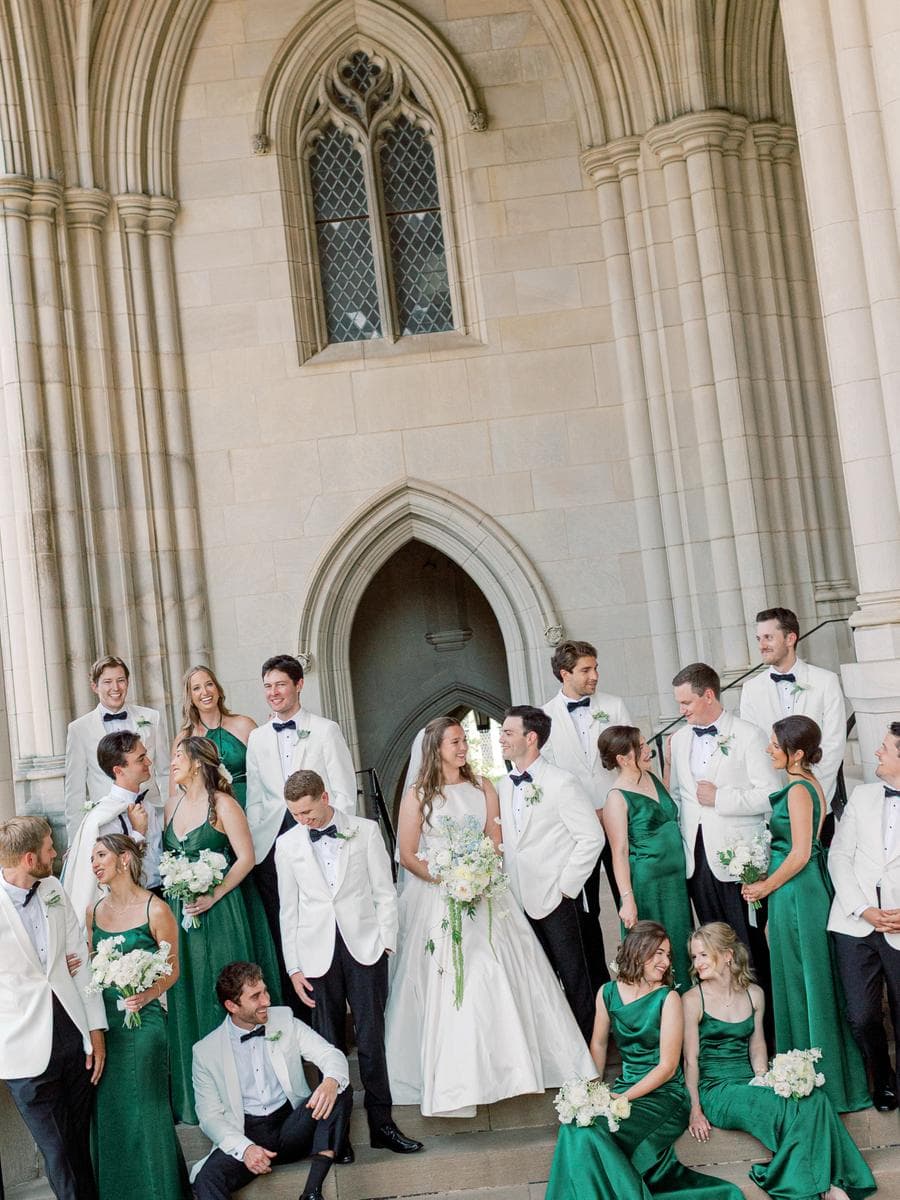
Gen Z Brides Fuel Demand for Photogenic, Personalized Wedding Looks
Gen Z now makes up the majority of engaged couples, and they're dressing for the feed first, driving demand for convertible gowns and colored looks.
Nearly one in five couples are already deep into wedding planning before the proposal even happens. That stat, pulled from Zola's First Look Report, based on its largest-ever survey of 11,500-plus engaged couples, tells you everything about the generation now driving the bridal market: Gen Z doesn't wait. They're on TikTok at midnight saving inspo boards, and by the time the ring is on, they know exactly what the dress needs to do on camera.
Published March 19, 2026, Zola's annual report confirmed what designers have been feeling on the floor for two seasons: Gen Z now makes up the majority of couples in the survey, and they are reshaping bridal aesthetics from the ground up. The data isn't just sociological; it's a direct roadmap for what sells.
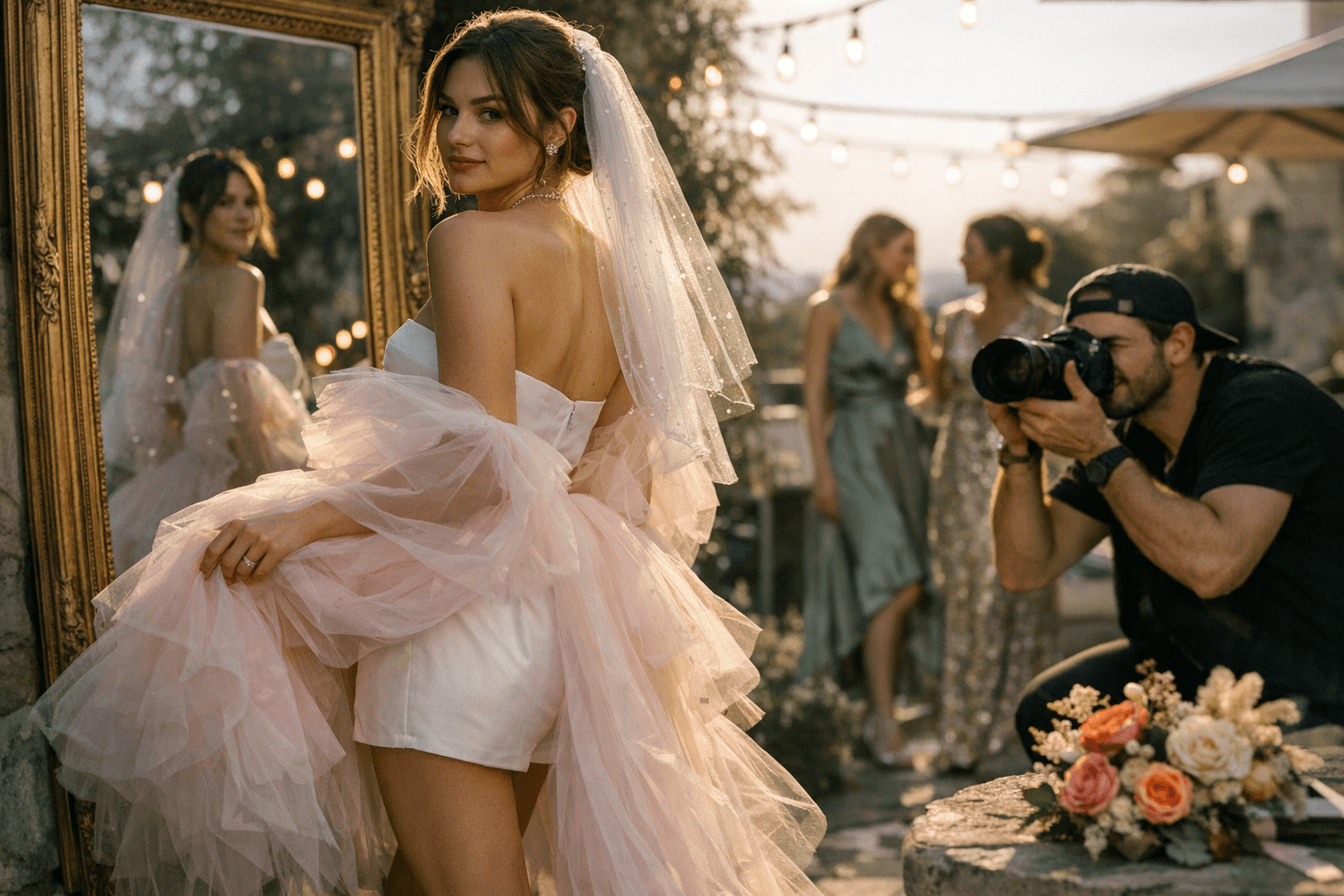
The biggest shift? Brides are dressing for the algorithm as much as the aisle. Photogenic, convertible silhouettes are driving purchases: detachable overskirts that transform a sleek column into a dramatic cathedral moment, capelets that read as sculptural on video, two-in-one gowns that give you a processional look and a reception look without a full second dress change. These aren't novelty features; they are strategic investments in maximizing visual content across a wedding day.
Despite broader economic uncertainty, spending hasn't softened at the top. Average wedding costs hover around $36,000 according to Zola's data, and within that budget, Gen Z couples are front-loading spend on the high-visibility moments: the entrance, the processional, the first dance. Couture-level detailing, bespoke embroidery, and oversized sculptural accessories remain strong because they are the details that actually read on a phone screen in the hands of a guest ten rows back.
The white gown is also losing its monopoly. Gen Z's preference for personalized, narrative-driven styling has accelerated appetite for colored gowns, coordinated separates, and vintage or secondhand pieces woven into bridal looks. These aren't budget compromises; they are deliberate aesthetic choices by a generation that finds one-size-fits-all bridal culture deeply out of step with how they see themselves.
What Zola's report ultimately confirms is that the commercial momentum behind 2026's biggest bridal trends, convertible gowns, quiet-luxury minimalism, social-media-ready detailing, isn't trend-cycle noise. It's demographic inevitability. Gen Z is the majority now, and they came with a TikTok education, a strong point of view, and no patience for a dress that doesn't earn its moment.
Know something we missed? Have a correction or additional information?
Submit a Tip