Marie Claire editor shares black-tie wedding guest looks for spring ceremonies
Lauren Tappan’s black-tie wedding guide makes spring dressing simple: choose a floor-length or tailored formal shape, then keep the look far from white.
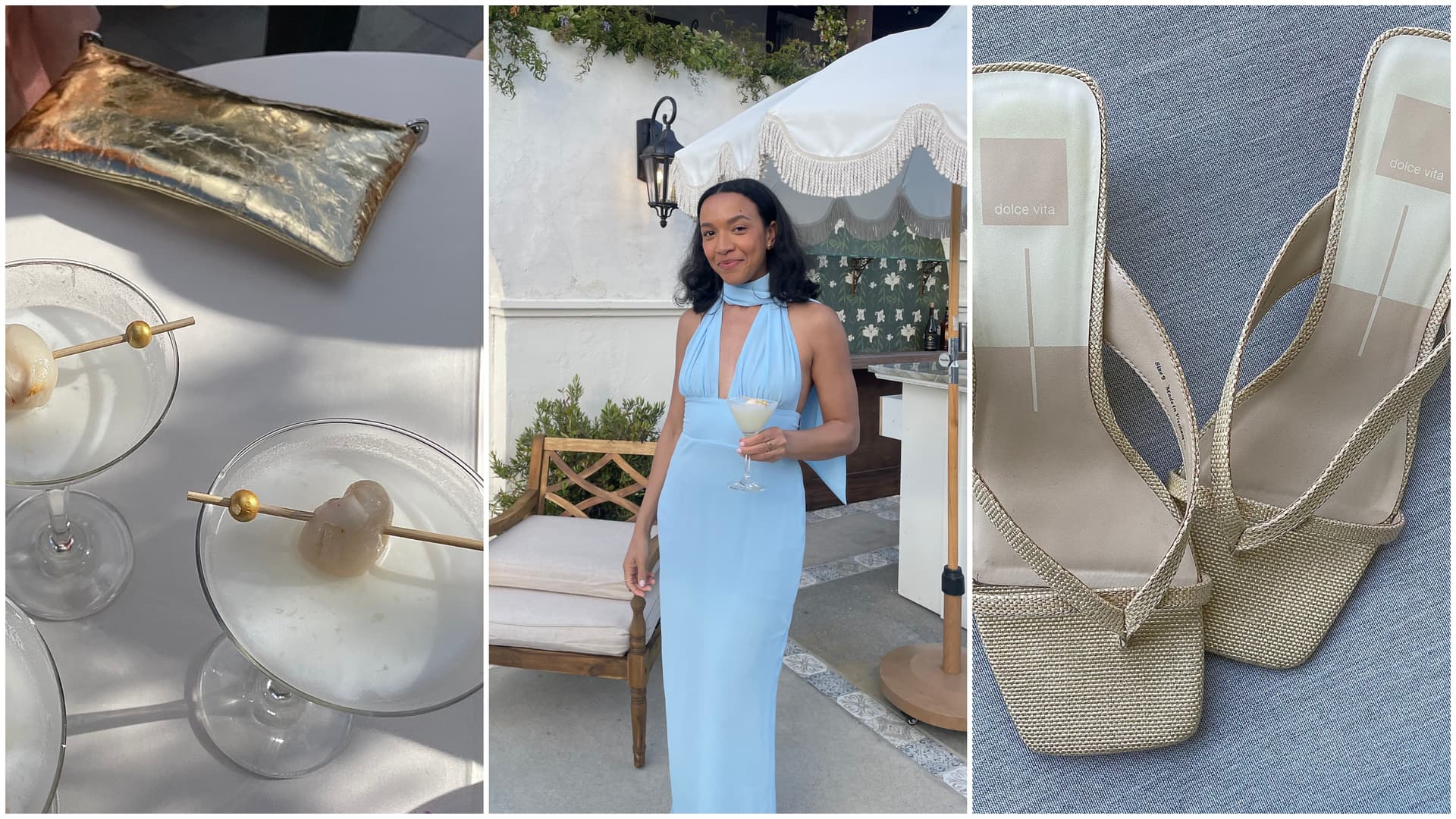
Lauren Tappan just came back from a black-tie wedding with the kind of notes that actually help: which outfits made sense in the room, under real lighting, for a real ceremony. Her seven-look Marie Claire guide turns one of the most confusing dress codes into something you can actually build, piece by piece, for spring.
What black tie really means when the weather turns soft
Black tie is still black tie, even when the calendar says spring. The Knot’s dress-code breakdown is clear: men are expected in tuxedos, while women can wear a floor-length evening gown, a formal jumpsuit, or a women’s tuxedo. That matters because it gives you structure without forcing you into one formula, which is exactly how you avoid looking either too wintery or too prom-coded.
The sweet spot is formal, polished, and intentional. You want the outfit to read like you understood the invite and made a smart choice, not like you raided the most dramatic corner of your closet and hoped for the best.
Start with the silhouette, not the accessories
For a spring black-tie wedding, the silhouette does most of the talking. A floor-length gown is the cleanest, most legible option, especially if the dress has movement and not too much stiffness. If a gown feels expected, a formal jumpsuit keeps the line sleek and modern, while a women’s tuxedo gives the look a sharper edge without breaking the dress code.
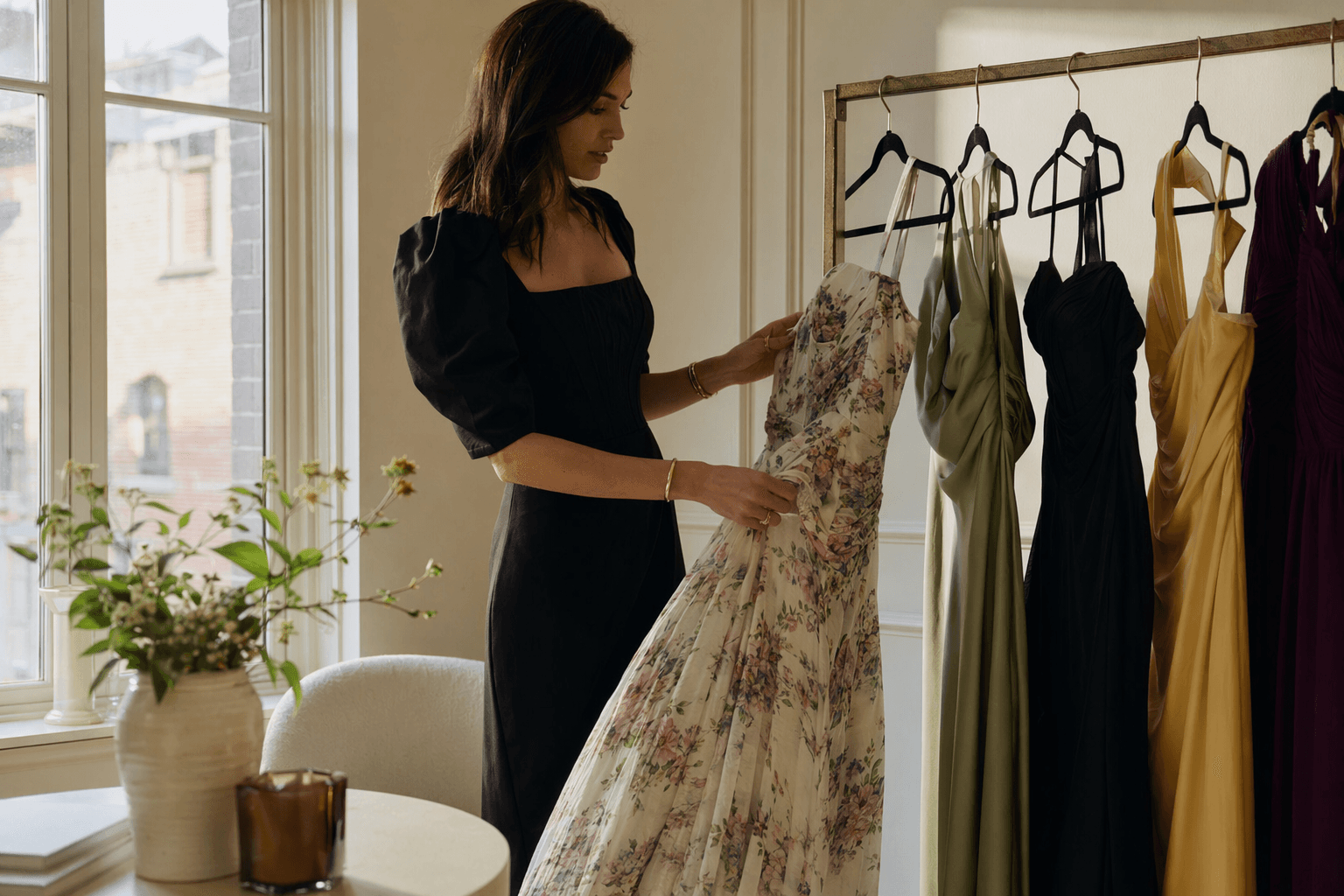
This is where Tappan’s guide earns its keep. Instead of treating black tie like a single uniform, it treats the invite like a set of decisions: gown, jumpsuit, or tuxedo, then everything else follows from there. Once the shape is right, the styling becomes easier because you are no longer trying to force a cocktail dress into a formal setting.
- Floor-length gown, if you want the most classic read.
- Formal jumpsuit, if you want polish with a little more ease.
- Women’s tuxedo, if you want structure and a cleaner, more tailored finish.
Choose fabric like it matters, because it does
Fabric is what separates black tie from just “dressy.” The Knot’s recommended materials, jacquard, brocade, velvet, lace, silk, and taffeta, all signal formality, but they do it in different ways. Silk and taffeta feel fluid and light enough for spring, lace softens the whole look, and jacquard or brocade bring in a richer, more architectural finish.
If you want to avoid winter formality, this is where the shift happens. Heavy velvet can still work, but it needs balancing so the outfit does not feel trapped in cold weather. Spring black tie should move with you, catch light, and look deliberate from every angle, not weighed down by fabric that feels too dense for the season.
Color is where you dodge the bridal trap
Marie Claire’s wedding-style guidance is blunt on the one rule that still matters most: skip white unless the couple has explicitly asked for it, and stay away from white-adjacent shades too. That includes the pale, washed-out colors that can look harmless on a hanger and suspiciously bridal in photos. At a black-tie wedding, especially in spring, that mistake stands out fast.
The safest move is to choose a color family that feels evening-ready rather than ceremony-adjacent. You want depth, clarity, and enough contrast to hold its own against florals, candlelight, and all the visual drama that comes with a formal wedding setting. If the fabric is luxe and the silhouette is long, the color just needs to stay far away from anything that could be mistaken for the bride.
Build the rest of the outfit like a finishing job, not a second headline
Once the dress, jumpsuit, or tuxedo is set, the outer layer, shoes, and bag should stay disciplined. A black-tie spring outfit looks best when the finishing pieces support the main silhouette instead of competing with it. Think of the outer layer as insurance for a cool evening, the shoe as a clean line under the hem, and the bag as something small and polished enough to disappear when it should.
That restraint is what keeps the look from sliding into prom territory. The moment the accessories start shouting, the outfit loses the elegance that black tie is supposed to guarantee. Keep the shape formal, the fabric rich, and the finishing pieces sharp, and the whole look reads expensive without trying too hard.
Why this guide works right now
This is the kind of fashion story Marie Claire does well in spring 2026: trend reporting with shopping instincts, not abstract runway language. Lauren Tappan, who writes trend reports and shopping pieces for the magazine, framed the guide around a black-tie wedding she just attended, which makes the advice feel lived-in instead of theoretical. That matters because spring wedding season is not a niche problem; March, April, and May are prime guest-dressing months, and readers need a formula that is elegant, modern, and actually usable.
The result is a better way to dress for black tie: not heavier, not flashier, just smarter. A spring guest outfit should look formal enough for the ceremony, fresh enough for the season, and far enough from white to stay out of the bride’s lane.
Know something we missed? Have a correction or additional information?
Submit a Tip