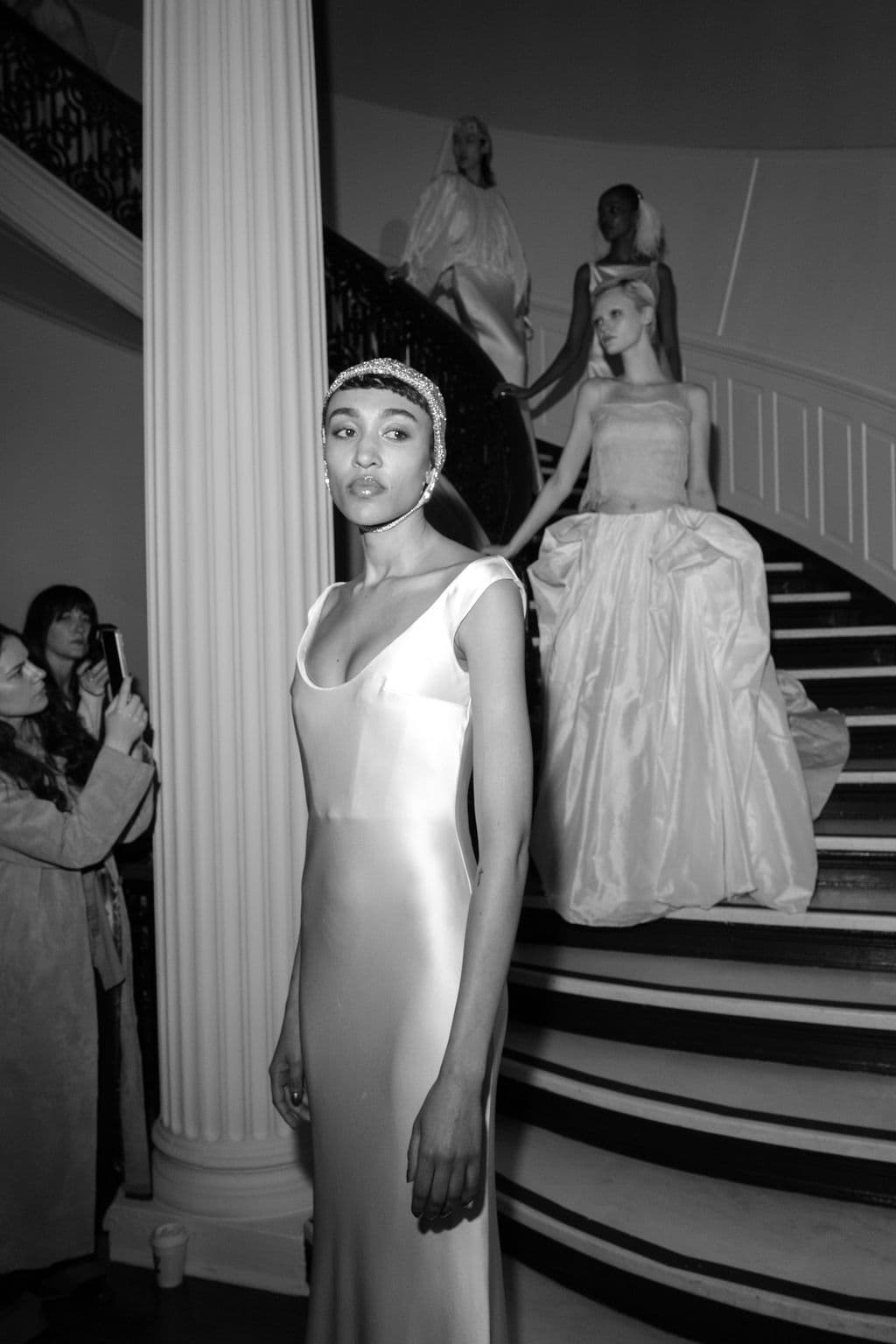
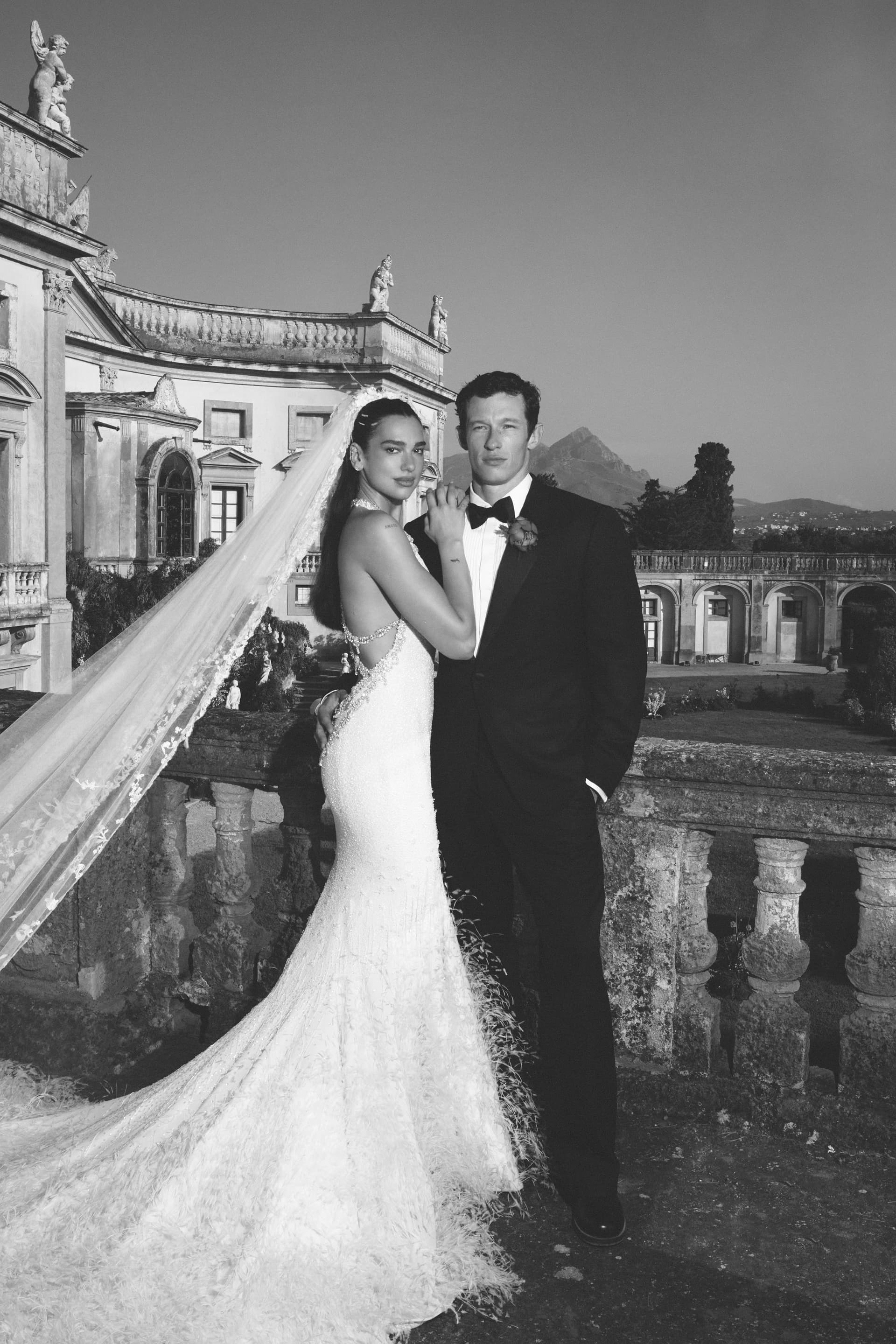
Parisian garden wedding spotlights a custom ceremony gown and glam second look
The smartest bridal move here is the two-dress switch: a custom Netta BenShabu ceremony gown, then a Kim Kassas reception look built for after-dark glamour.
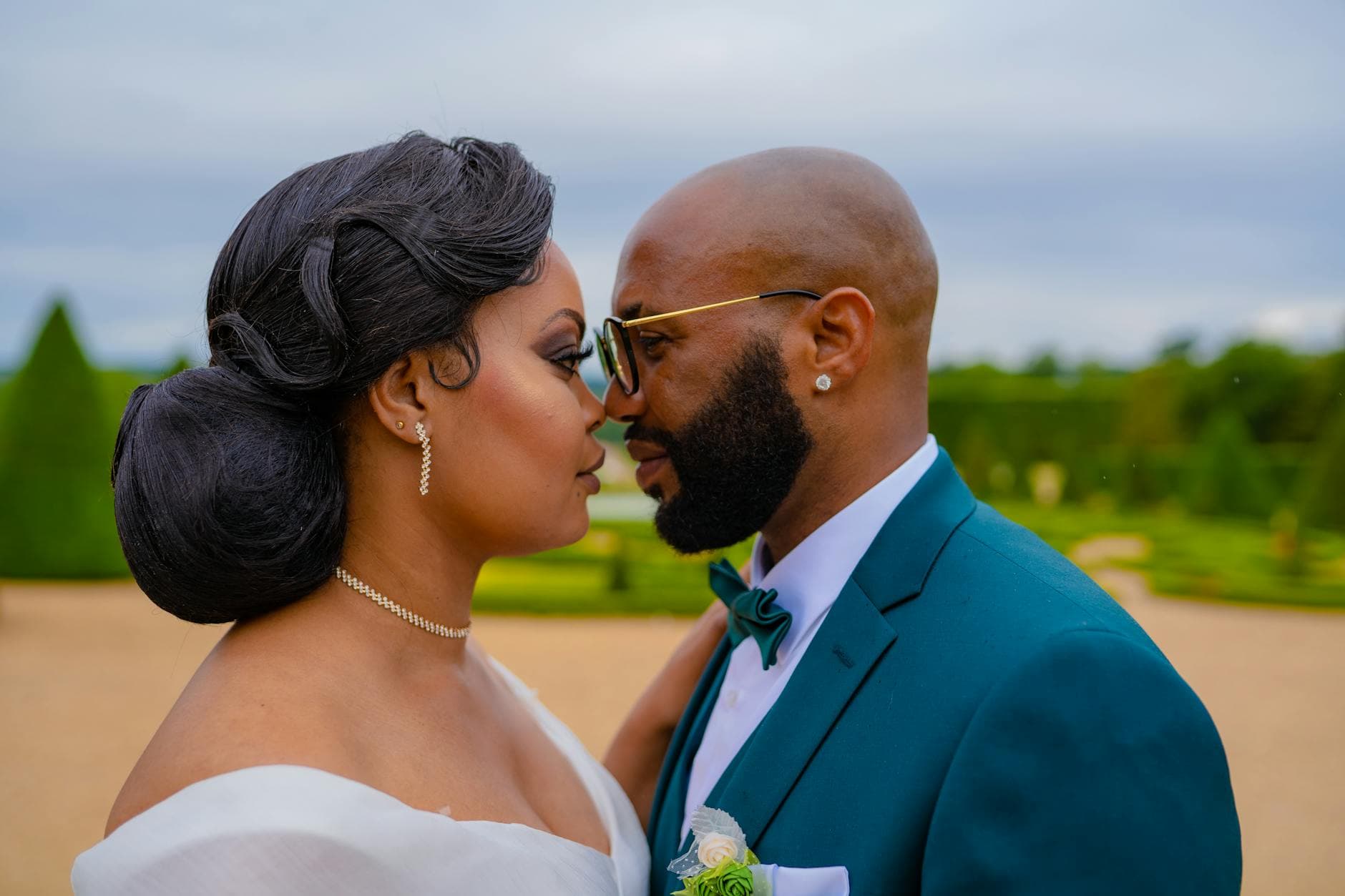
The real bridal lesson here is the switch
The bride did not just wear two dresses. She built a whole fashion arc: a custom Netta BenShabu gown for the ceremony, then a high-glam Kim Kassas second look for the reception. That is exactly why this wedding lands so hard for modern brides: it separates romance from release without breaking the visual story.
Published by Style Me Pretty on May 15, 2026, the celebration reads like a spring Parisian fantasy with soft pastels, black-tie romance, and the kind of Tuileries Garden polish that makes every detail feel a little more editorial. The setting matters, but the styling does the heavy lifting. This is the current bridal formula at its best: refined at the altar, bolder after sunset.
Start with the ceremony dress, then build the rest of the night around it
The custom Netta BenShabu gown gave the ceremony its backbone. That brand’s whole identity is couture craft, and it says the gowns are made entirely by hand, with structure, softness, and detail leading the design language. That combination is the point: the ceremony look needs to feel special in a way that reads up close, not just from across the aisle.
A gown like that gives the bride something a trend-driven dress cannot always do. It holds the room. It photographs beautifully in daylight. It carries the formality of a Paris-inspired garden wedding without looking stiff or overworked. If you are planning a two-look wedding wardrobe, this is the first move: let the ceremony dress establish the silhouette and the emotional tone, then let the second look handle the drama.
Why the Netta BenShabu gown works
The appeal of a handcrafted couture gown is not just the labor behind it. It is the control. Structure gives the bodice shape, softness keeps it from feeling severe, and detail keeps the dress from disappearing into the setting. In a wedding framed by French garden romance, that balance is the difference between pretty and memorable.
The custom factor matters too. A made-for-you gown anchors the whole event because it feels like it belongs to the bride, not the trend cycle. That is a huge part of why the ceremony look reads so strongly in this story. It is not trying to be everything at once. It is doing one job, beautifully.
Then the reception comes in hot
The Kim Kassas second look is where the temperature rises. Kim Kassas Couture launched in 2018, founded by Kim Kassas and designer Dor Yaakov, and the brand openly aims at the “daring, eclectic and modern bride.” That positioning tells you everything you need to know: this is not a quiet after-party dress. It is a fashion statement with intention.
And that is why it works as a reception switch. After the ceremony, the bride is no longer dressing for tradition alone. She is dressing for movement, lighting, photos, dancing, and the slightly dangerous energy that kicks in when the formal part is over. A Kim Kassas look gives that shift edge. It says the night is no longer about restraint.
The two-look strategy is the actual trend
This wedding is a clean example of the multi-look bridal trend, and the appeal is easy to understand. One dress handles the romance and ritual. The other brings the nightlife. Together, they create a full style narrative instead of forcing one gown to do two incompatible jobs.
That is why this approach keeps showing up in fashion-forward weddings. Brides want ceremony polish, but they also want a second act that feels more alive. The best two-look strategy does not look like costume change theater. It feels deliberate, almost seamless, because both dresses share a point of view. Here, the couture ceremony gown and the high-glam reception look are different in mood, but aligned in ambition.
What makes the Parisian garden setting so effective
The Tuileries Garden reference is not just decor. It is a styling cue. French garden aesthetics have lasted because they combine order and romance: clipped landscaping, soft color, formal symmetry, and a little old-world fantasy. That makes them perfect for a wedding that wants to feel elevated without tipping into stiffness.
Style Me Pretty’s description of the event as a spring Parisian-inspired wedding with soft pastels and black-tie romance gives the whole look its frame. The setting softens the ceremony gown. The black-tie energy sharpens the reception switch. That tension is what keeps the story interesting. If the setting had been more casual, the two-dress concept would have felt decorative. Here, it feels essential.
How to apply the formula to your own wedding wardrobe
The smartest way to copy this look is not to chase exact dresses. It is to build a sequence.
- Choose a ceremony gown with structure and detail, especially if the setting is formal or garden-based.
- Make the reception dress noticeably bolder, either through shine, fit, movement, or a more fashion-forward silhouette.
- Keep one through-line, such as fabric family, color mood, or level of polish, so the swap feels cohesive.
- Use the first look to honor the ritual and the second to unlock personality.
That is the real takeaway from this wedding: a bride does not need one dress that performs every role. She needs two dresses that know their assignments.
The best bridal wardrobes now work like a well-edited night out, with a graceful opening set and a much louder encore. This wedding gets that exactly right, and it is why the two-look strategy feels less like extra and more like the new standard for brides who want ceremony romance and reception glamour without losing the plot.
This article was produced by Prism’s automated news system from verified source data, official records, and press releases, then run through automated quality and moderation checks before publishing. The system is built and supervised by the people who set the standards it runs under. Read our full AI policy.
Did this article answer your question?