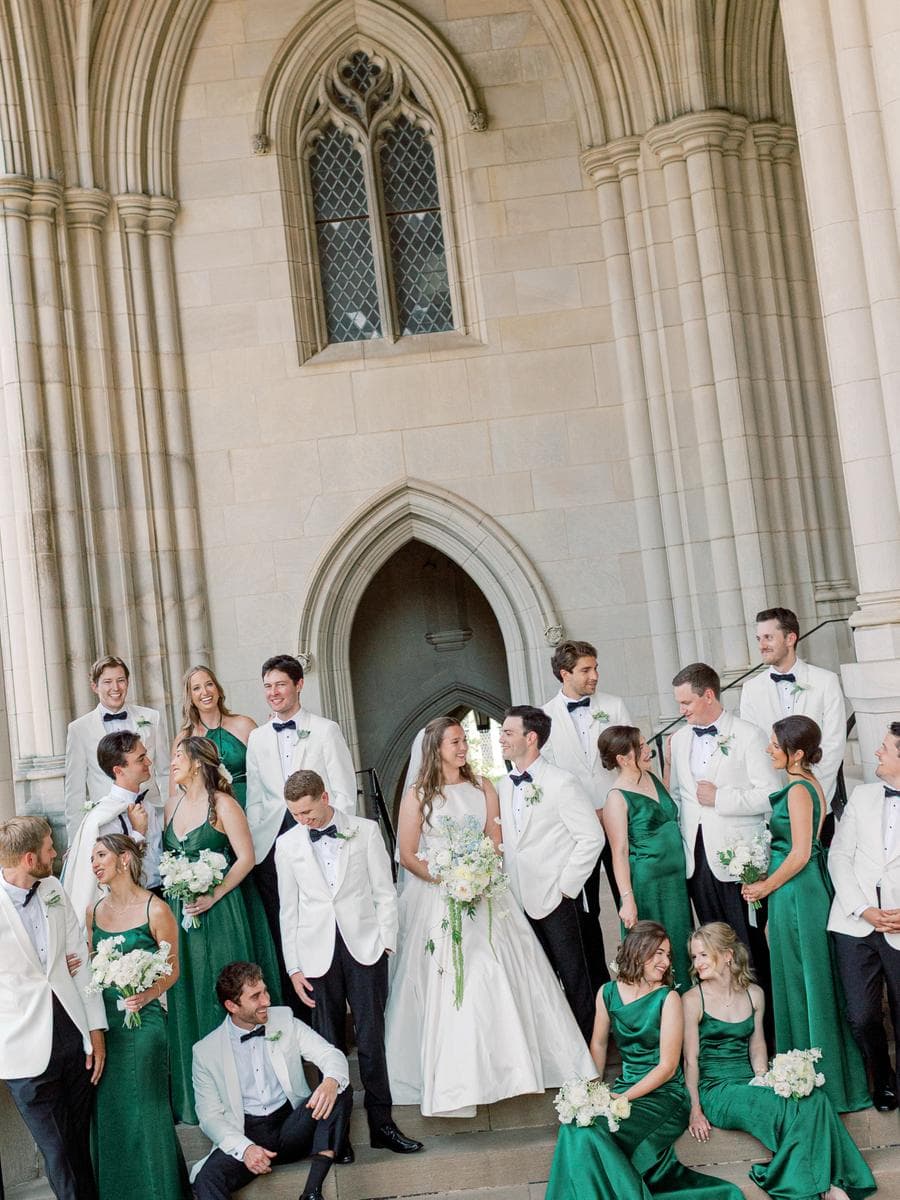
Real Weddings and Local Vendors Drive Wed Society's Rapid Growth
Wed Society hit 30 franchise markets in just 27 months and 110M content views by doing what glossy wedding media wouldn't: showing real weddings with the actual local vendors who made them.
When Real Replaced Aspirational
Somewhere between the fifth overstyled flat lay and the tenth image of a couple who appear to have stepped directly off a Parisian runway, something cracked in the wedding planning experience. Couples planning weddings in Tulsa or St. Louis weren't looking for a mood board that belonged in a Côte d'Azur villa; they were looking for the florist two zip codes over who could pull off a ceremony arch that actually matched their venue. Wed Society, the Oklahoma City-born wedding media franchise, built its entire model on that gap, and the numbers suggest the bet is paying off faster than almost anyone expected.
The company reached 30 franchise markets in just 27 months after launching its franchise operation, a pace that reflects genuine demand rather than aggressive territory selling. Annual social and digital content surpassed 110 million views and interactions from engaged couples, establishing Wed Society as one of the nation's most visited wedding planning platforms. In January 2026, the brand closed its Series B round at an $11 million valuation, building on 61% customer growth.
The Origin, and the Void It Addressed
Kami Huddleston and Ashley Bowen Murphy started Wed Society in 2007 on the heels of planning their own weddings. They both married their college sweethearts two weeks apart from one another and were in each other's weddings. Huddleston never received photographs from her wedding, and the two founders recognized a huge void in the market. That personal frustration shaped a product philosophy that has held from the beginning: the model centers on publishing real weddings and vendor features across online and social channels, supported by a curated vendor directory and planning content for couples.
The contrast with dominant wedding media platforms isn't subtle. Where global aggregators funnel couples toward sponsored placements and stock-perfect imagery, Wed Society built something deliberately narrower. "One-size-fits-all national wedding brands weren't built to serve the nuances of local markets," said Ashley Bowen Murphy, co-founder of Wed Society. "Wed Society was designed from day one to be local first, offering couples planning tools that actually reflect their community and giving vendors a focused way to stand out in their city."
How the Platform Actually Works
Each Wed Society franchise produces original, authentic content that showcases only real weddings while providing direct access to vetted local wedding vendors. That word "vetted" carries real operational weight. Wed Society vets its vendors using a "Fit Test" that assesses each vendor on six criteria: client reviews, social media presence, talent, services offered, website professionalism, and branding. Wed Society highlights the top third of vendors in each territory. If a vendor is found to be unreliable, their Wed Society membership is revoked.
This is particularly consequential for bridal boutiques and independent designers operating outside major fashion capitals. A boutique in Nebraska or Virginia isn't competing for a slot on a national editorial calendar; it's competing for the attention of couples actively planning weddings in its own city. By restricting visibility to the top tier of local vendors, Wed Society creates a meaningful endorsement signal, one that carries more practical weight for a bride researching gown alterations or custom bridal wear than an editorial feature shot three thousand miles from where she lives.
Collectively, Wed Society markets now serve a population of approximately 75 million. That reach, distributed across genuinely local franchises, creates a very different kind of bridal fashion marketing channel: one where the gown shown on a real bride at a real venue in Richmond, Virginia drives traffic directly to the boutique that dressed her.
The Business Behind the Model
The franchise structure gives the growth story both credibility and scale. The initial investment required for a Wed Society franchise ranges from $97,750 to $121,000, which includes a $45,000 franchise fee and $20,000 in prepaid advertising. Revenue comes from advertising and two wedding industry events hosted annually. Those events, which bring together couples and curated vendor members in person, are a meaningful extension of the platform's bridal fashion relevance: they give boutiques and designers a room full of engaged couples rather than a scroll past a sponsored post.
The average mature Wed Society franchise generated over $725,000 in annual revenue, with new markets securing over $173,000 in vendor contracts within their first six months in 2024. For bridal retailers and independent designers evaluating where to allocate marketing spend, that unit-economics data answers a question that Instagram impressions never could.
In the fourth quarter of 2025, Wed Society awarded new franchise markets across New Jersey, Nebraska, Virginia, and Georgia, in addition to a recent new market in St. Louis, Missouri. That geographic spread, spanning the Northeast, South, and Midwest, reflects a deliberate strategy to reach bridal markets that national luxury wedding media has historically underserved.
What It Means for Bridal Fashion Discovery
The implications for how couples find their wedding-day look are quietly significant. When a real bride's gown is the centerpiece of a real wedding feature, styled by vendors readers can actually book, the fashion becomes functional rather than aspirational. A bride in Omaha scrolling through a local Wed Society feature isn't admiring a look she'll never replicate; she's looking at a dress her local boutique can source, altered by a seamstress two miles from her venue.
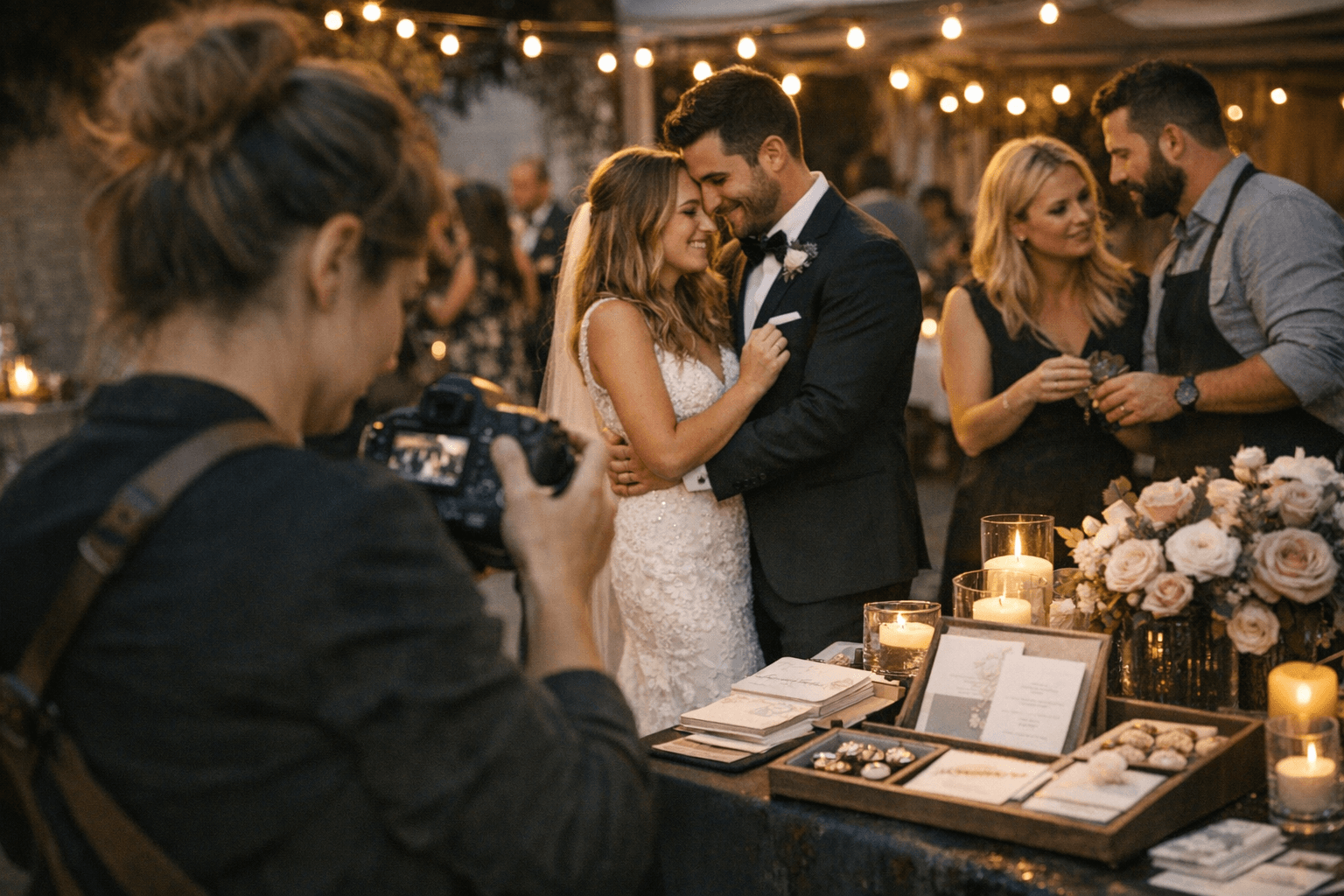
Ashley Bowen Murphy noted that for the second year in a row, the biggest trend heard from vendors is the demand for wedding content creators, "because couples want real-time, authentic moments captured in a way that fits today's social storytelling." That demand runs parallel to Wed Society's editorial philosophy: not the polished, weeks-in-post-production wedding film, but the kind of imagery that reads as true. For bridal boutiques that have long struggled to translate trunk show photography into leads, it's a distribution model built around authenticity rather than aspiration.
The Road Ahead
"In 2026, we expect to open 21 additional franchise markets and continue building a category-defining platform for couples and the talented local vendors who serve them," said David Lewis, chief growth officer of Wed Society. With 2 million weddings taking place annually in the United States, the company is deploying significant resources to expand market coverage and scale its technology and fulfillment systems.
For the bridal fashion industry, the rise of Wed Society represents something more than a well-funded franchise story. It signals a structural shift in how wedding style actually travels from designer rack to real ceremony: not through the filtered lens of a national editorial, but through the credible testimony of a real couple in a real market, wearing real clothes, surrounded by the vendors who made it happen.
Know something we missed? Have a correction or additional information?
Submit a Tip