Short wedding dresses gain momentum for summer and second looks
Short wedding dresses are becoming the smartest bridal buy for heat, travel, and dancing, with the right hemline doing the work of a train.

Why the shorter hem is winning
A courthouse bride, a summer bride, and a reception-only second-look bride all want the same thing: a dress that moves without fighting the moment. Short wedding dresses answer that brief with unusual clarity, which is why they now feel less like an alternative and more like a strategy. Wedding Forward frames mini, bubble-hem, satin, lace, and convertible styles as especially strong choices for modern brides, and that range tells you everything about the category’s appeal.
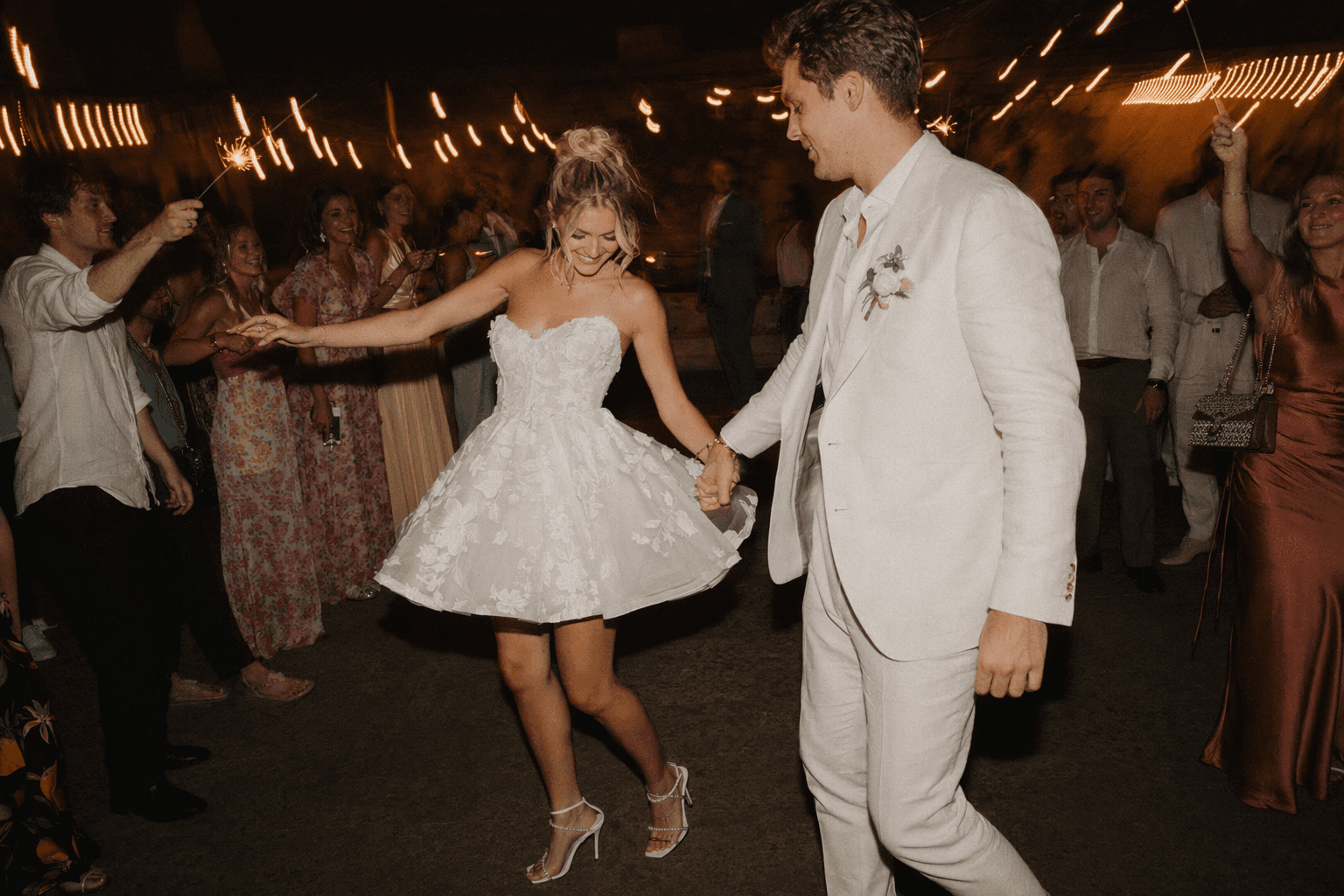
The appeal is practical before it is aesthetic. A shorter skirt is easier to pack, easier to wear in heat, and easier to live in when the day includes stairs, travel, or a packed dance floor. It also lets the styling do more work, because once the hemline rises, shoes, texture, and waist detail become part of the statement rather than hidden supporting cast.
Mini, tea-length, or bubble hem? Match the dress to the day
A mini dress is the most direct option: clean, leggy, and unapologetically modern. It suits courthouse vows, destination ceremonies, and brides who want the freedom to move without thinking about fabric underfoot. Minis also make the shoe choice visible, which is useful if you want a satin slingback, a jeweled sandal, or a sharp little heel to feel like part of the bridal look rather than an afterthought.
Tea-length sits in a different emotional register. It gives you more coverage than a mini, but still keeps the silhouette light, airy, and easy to walk in, which makes it especially appealing for city hall ceremonies, garden settings, or anyone who wants a nod to vintage polish without committing to a long skirt. If you like the idea of softness but want structure, tea-length is often the most graceful compromise.
Bubble hems bring a little fashion wit to the aisle. The shape adds volume without the drag of a train, so the dress feels playful, sculptural, and camera-ready without becoming cumbersome. In a season when bridal fashion is leaning into bolder shape language, bubble hems offer movement in the hem itself, which is exactly the kind of detail that makes a short dress feel designed rather than simply cut down.
Fabric changes the mood instantly
Length is only half the decision. Satin turns a short dress into something smooth and formal, with a surface that catches light and reads polished even when the silhouette is minimal. Lace, by contrast, softens the look and makes a shorter hem feel more romantic, especially if the bride wants the dress to read bridal first and fashion second.
Convertible styles make the most sense for brides who want one dress to do two jobs. A removable overskirt, detachable sleeves, or a second layer can give you ceremony drama and reception ease in one piece, which is especially smart for travel-friendly weddings or celebrations with a clear outfit change. The point is not just novelty; it is control over how the dress behaves across the day.
The second look is where short dresses really prove themselves
The Knot’s editors have been clear that a separate reception dress is optional, but a short or streamlined second dress becomes the right answer when a voluminous skirt or long train starts to interfere with dancing. That is the key use case for short bridal dressing now: it is not merely prettier to look at in a dressing room, it is easier to enjoy when the music starts and the formal part of the night gives way to movement.
The broader wedding math helps explain the demand. The Knot’s 2026 Real Weddings Study, based on 10,474 U.S. couples married in 2025, put the average wedding cost at $34,200, the average guest count at 117, and the average cost per guest at $292. A separate Knot size analysis says a typical wedding now reaches 129 guests, after averages of 115 in 2023 and 116 in 2024, which means these are not intimate little dinners but full-scale events where comfort and mobility matter.
That is why a second look has become more than a styling flourish. If you are already investing in a ceremony dress, the reception dress needs to earn its place by improving the way the night feels. A short silhouette does exactly that when you want to greet guests, navigate a crowded floor, and dance without hauling layers behind you.
What the runway says about the shorter silhouette
Short bridal dressing is also moving in step with the broader runway language of the season. WWD reported that spring 2026 bridal collections in New York emphasized corsetry, draped and Basque waists, bow details, colorful florals, mermaid shapes, and historically inspired looks. That matters because it shows short dresses are not isolated from the couture conversation; they are absorbing the same attention to body, waist, and ornament that is shaping the full-length gowns.
The Knot’s editors, after viewing hundreds if not thousands of gowns over four days at New York Bridal Fashion Week, noted that production still takes time because fabric procurement, stitching, and beading all slow the pipeline. In other words, a short dress may look breezier, but the best versions still depend on serious workmanship. The cleanest mini can require the same patience as a cathedral-length gown if the bodice is boned, the beading precise, or the surface fabric special.
A shorter dress does not mean a smaller bridal story
The Metropolitan Museum of Art’s fashion holdings make a useful reminder here: wedding attire has always balanced tradition and modernization, and wedding garments are often preserved as heirlooms. Its archives stretch through women’s fashion plates from 1700 to 1955, which is another way of saying that bridal style has never belonged to one fixed silhouette. It has always been a conversation between ceremony and change.
Ann Lowe’s career deepens that history. Born in Clayton, Alabama, into a family of dressmakers, she became known for opulent gowns for elite American society, including wedding dresses, and her legacy proves that craftsmanship has long been central to bridal fashion’s emotional force. Short wedding dresses belong to that same lineage when they are cut with intention, built with skill, and worn for a real life that includes walking, dancing, traveling, and celebrating.
The modern short wedding dress is not a fallback. It is the clearest expression of a bride who wants beauty with movement, ceremony with ease, and a silhouette that can keep up with the night.
Know something we missed? Have a correction or additional information?
Submit a Tip