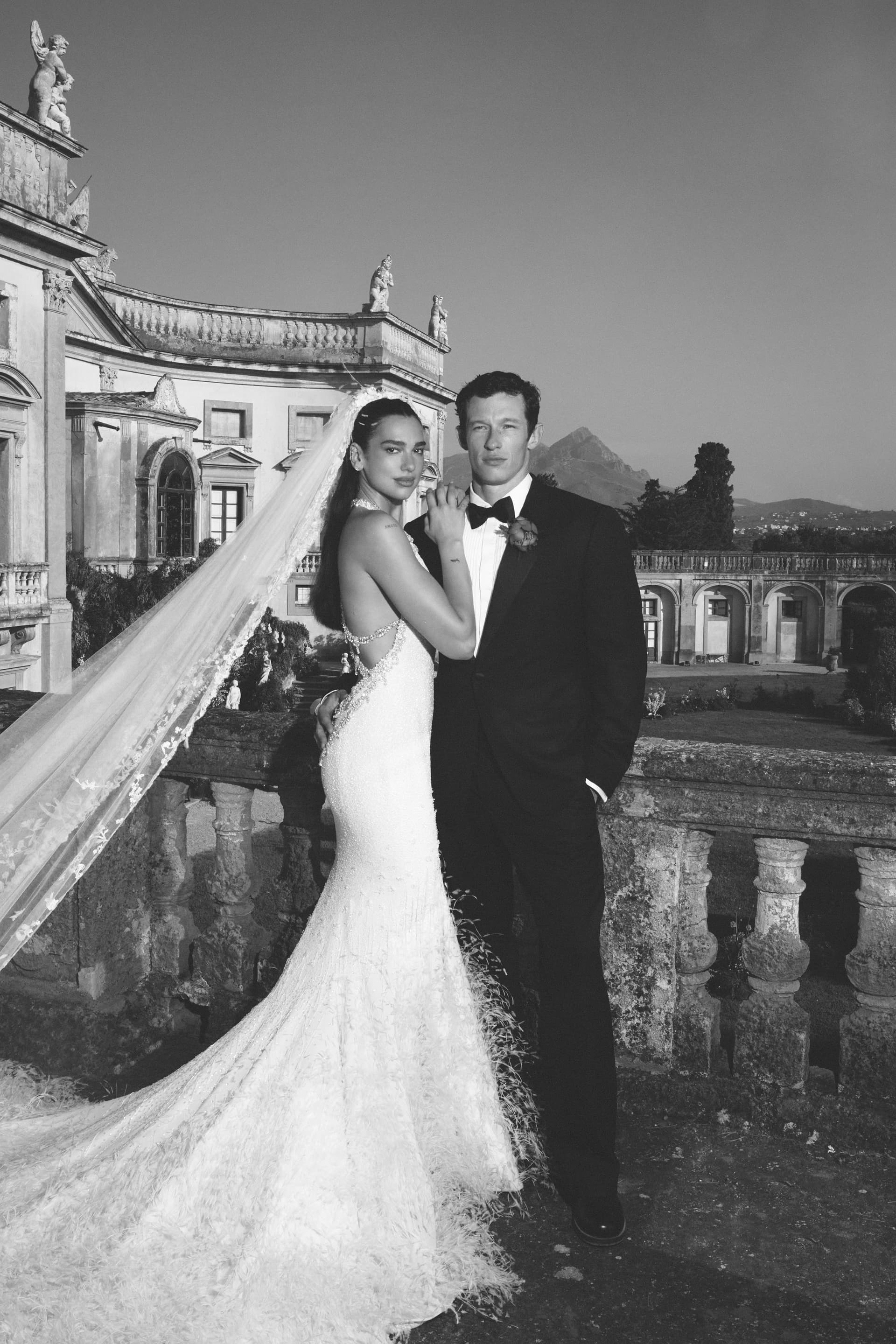
The Good Trade Curates Sustainable Designers and Secondhand Wedding Dresses
A practical buyer’s guide from The Good Trade curating sustainable bridal designers and secondhand options that prioritize recycled or organic fabrics, ethical production, and circular practices.
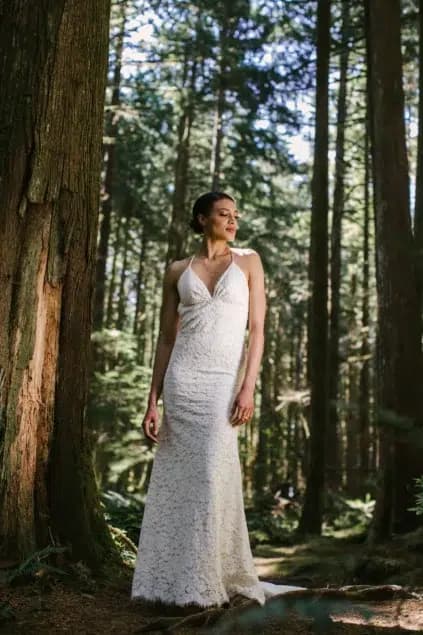
1. What The Good Trade looks for in a sustainable wedding dress
The Good Trade’s curation is built on three non-negotiables: recycled or organic fabrics, ethical production, and circular practices. That means textiles made from recycled fibers or certified organic sources, production that accounts for worker welfare and transparency, and business models, like resale, rental, or take-back programs, that keep a gown in use longer. If a label can’t speak to at least one of these pillars with clear policies or options, it won’t make the shortlist.
2. How to read fabric claims (and why they matter)
A fabric label is a sustainability report card: recycled or organic fabrics reduce virgin-material demand and chemical inputs, and they change how a gown feels and drapes. Recycled fibers tend to produce a denser, slightly more structured hand than new silk, while organic linens and cotton read softer and more breathable; choose based on season and venue. Ask designers or sellers for fiber content and any certifications they rely on, those details determine laundering, longevity, and the dress’s actual environmental footprint.
3. Ethical production: beyond a pretty workshop photo
Ethical production in bridal means traceable supply chains, fair pay, safe workshops, and honest communication about where and how garments are made. The Good Trade favors designers who can explain who sewed your dress and how decisions about cutting waste and labor are made. A gown that checks only the fabric box but is produced in a murky supply chain isn’t a full sustainability win; true ethical claims require transparency that you can verify before you commit.
4. Circular practices: resale, rental, repair, and take-backs
Circularity is the practical side of sustainability: it keeps a dress moving through owners instead of into landfill. The Good Trade curates both designers who offer rental programs or alteration-friendly designs and secondhand marketplaces that list cleaned, refurbished gowns ready for a new wearer. Look for brands that advertise repair services, alteration-friendly seam allowances, or formal take-back initiatives; those features extend a dress’s life and are core to the guide’s picks.
5. How to shop secondhand wedding dresses well
Buying preowned is the fastest route to lowering your wedding footprint, and it can be exquisitely modern. When shopping secondhand, ask for exact fiber content, original brand and size, recent professional photography, and proof of professional cleaning. Pay attention to construction details (hand-stitched seams, boning quality, and underlining), because sturdy construction will tolerate alterations and multiple lives. The Good Trade highlights curated secondhand options where listings disclose these details, making resale less leap-of-faith and more informed investment.
6. Fit, alterations, and lifespan considerations
A sustainable gown isn’t sustainable if it’s a one-time, ill-fitting impulse. Choose designers and secondhand sellers who document seam allowances, alteration history, and structural features like corsetry or boning. Proper tailoring turns a vintage silhouette into something current and comfortable, ask for a seam allowance of at least 2–3 inches where possible, and prioritize breathable linings if you expect long wear. The Good Trade favors pieces designed for alteration: simpler internal constructions and accessible seams make it easier for a dress to be adjusted for future owners too.

7. Styling sustainable and secondhand gowns for today
Sustainable bridal often leans into texture and craft over drama: think hand-embellished bodices, matte organic silk, and recycled lace with a lived-in softness. Modernize a vintage gown with minimal accessories, a sculptural belt, a structured jacket, or contemporary shoes, to keep the silhouette fresh without erasing its story. The Good Trade’s curation recommends treating texture as the focal point; when fabric has character, styling can be edited down and still feel intentional.
8. Practical tips to verify a curated pick
The Good Trade’s buyer’s guide steers you to listings and brands that disclose the essential facts; still, a few simple checks will protect your purchase. • Request fiber content and country-of-origin details for any gown. • Ask for recent, detailed photos of seams and closures. • Confirm cleaning history and what’s included after purchase (pressing, steaming, minor repairs). These three questions separate thoughtful sellers from listings that rely on wishful thinking.
9. Budget, value, and the real cost of “sustainable”
Sustainability can mean paying more upfront for responsible production or saving considerably by buying secondhand, the guide covers both paths. Investing in a sustainably produced gown supports long-term practices but doesn’t guarantee circularity unless the brand offers take-back or resale support; similarly, a low-priced vintage find can be eco-positive if it’s structurally sound and alteration-friendly. The Good Trade frames value not as price alone but as the dress’s expected longevity, repairability, and the transparency behind its creation.
10. Why this curation matters for brides who care about impact
Choosing a dress that prioritizes recycled or organic fabrics, ethical production, and circular practices changes more than a wedding-day look, it changes demand. When brides opt for transparent brands or thoughtfully chosen secondhand gowns, they reward designers who invest in better materials and business models that keep garments in use. The Good Trade’s curated approach makes this shift accessible: not abstract advice, but a practical picking list and standards you can use at appointments and across resale searches.
Final thought A wedding dress can hold meaning and still do better for the planet, The Good Trade’s curation simply asks you to insist on fabric honesty, production transparency, and a plan for what happens after the aisle. Choose a gown built to be loved, altered, and passed on, and your dress becomes part of a circular story rather than a single-day spectacle.
This article was produced by Prism’s automated news system from verified source data, official records, and press releases, then run through automated quality and moderation checks before publishing. The system is built and supervised by the people who set the standards it runs under. Read our full AI policy.
Did this article answer your question?