Vintage armlets return as brides embrace heirloom bridal jewelry
The armlet is back because brides want jewelry that feels inherited, not inherited-looking. Bajubandh and vanki now read as both statement piece and family story.
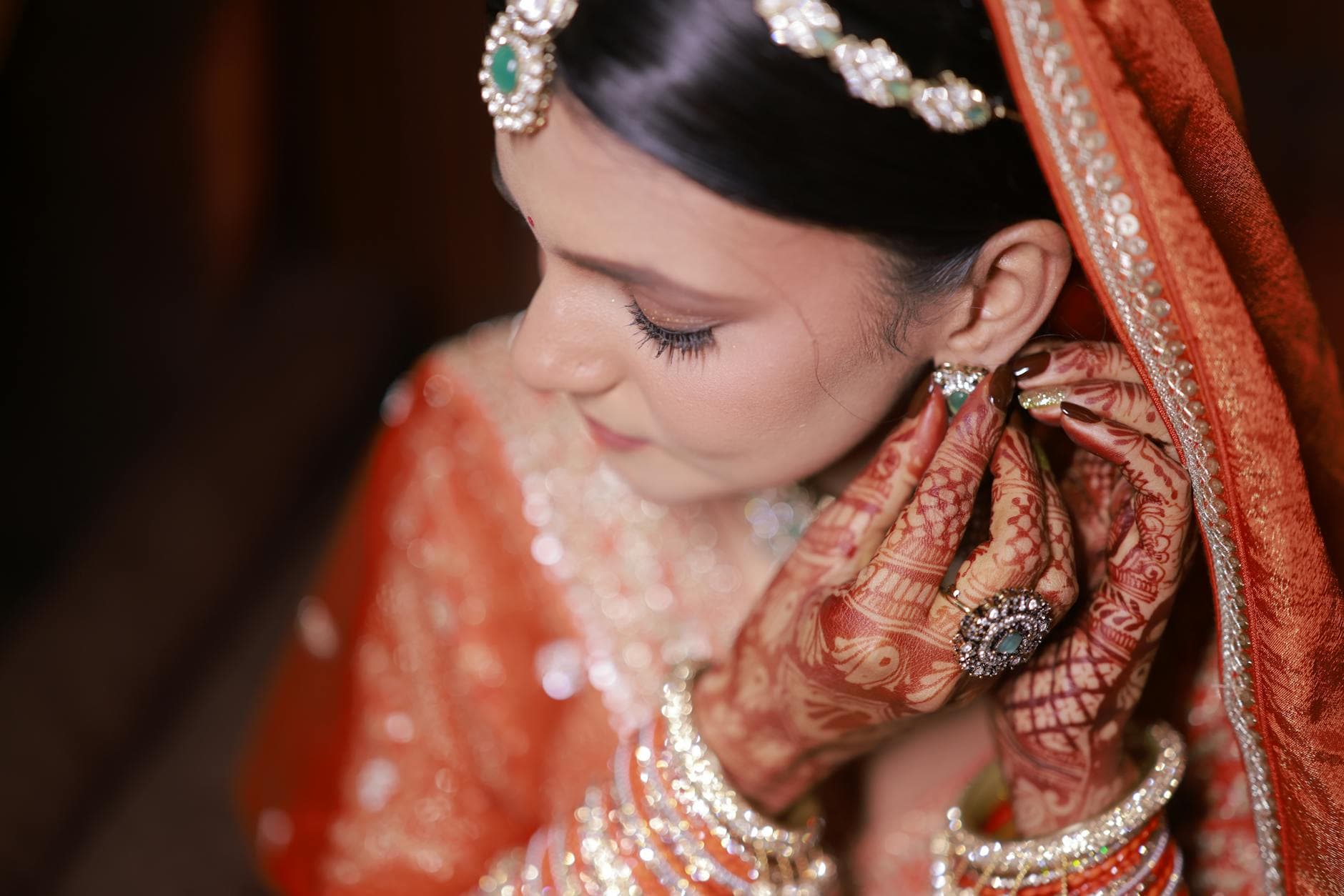
The armlet is having the kind of comeback that only bridal fashion can make feel inevitable. Bajubandh, bazuband, bajubandh, vanki, call it what you want, the shape is back on wrists and upper arms because it does something modern brides are actively chasing: it looks rooted in tradition without feeling locked in a museum case. The appeal is simple. It gives you heritage, but it also gives you a choice.
Why this piece feels current again
The armlet works now because bridal styling has shifted toward pieces that carry memory. A 2024 bridal-trends story pointed to couples building outfits around tangible keepsakes like a grandmother’s odhni, a mother’s handloom sari, or an heirloom jewel or trinket. That instinct has only sharpened: brides want the wedding look to feel personal, not just expensive.
That is exactly where the armlet lands. It is recognizable enough to feel ceremonial, but small enough to be edited. In a wedding season where India sees roughly 10 million weddings a year, that matters. The bride who wants one standout detail, not a full chest of heavy jewelry, now has a shape that can carry the whole look.
A jewel with real history, not borrowed moodboard nostalgia
This is not a trend invented by a stylist with a Pinterest board. The Metropolitan Museum of Art describes armlets as an important part of the Indian suite of jewels, often worn as a pair on each bicep. The museum also links similar pieces to brides in Maharashtra, where they were part of a full-body bridal jewel suite.
That history gives the comeback weight. These pieces show up in collections dating to at least the 18th and 19th centuries, which is why the current wave does not feel random. It feels like the bridal wardrobe is reaching back for something that was always there, just filed away under “traditional” until the trend cycle finally caught up.
What the old versions looked like
The best part of the armlet story is that it was never only a luxury object. The Met has examples in woven gold with rubies and a rose-cut diamond, the kind of thing that reads immediately regal. It also has dark metal alloy versions decorated with beige-colored threads, made for someone of more modest means. That range is the point: the jewel lived across economic classes, not just in one polished stratum of bridal wealth.
There is also a vanki-style example identified as southern Indian swami metalwork from the mid- to late-19th century. So when brides wear a vanki now, they are not just borrowing a pretty curve. They are stepping into a form that has moved across regions, materials, and social codes for generations.
How modern brides are wearing it now
The updated versions are exactly what make the armlet feel shoppable instead of archival. Brides Today points to gold, diamond, kundan, and floral styles, and that spread tells you everything about where the accessory fits in a wedding wardrobe. The gold and diamond versions feel ceremony-ready and unmistakably grand. The kundan and floral iterations soften the look for pre-wedding functions, where brides want the richness without the full formal weight.
That flexibility is why the armlet works across ceremonies. For a mehendi or sangeet, a slimmer kundan or floral armlet can sit beside lighter jewelry without overpowering it. For the wedding day itself, a gold or diamond version reads sharper and more regal, especially when the rest of the look is restrained and the armlet is meant to be the point everyone notices.
Regal, minimal, or somewhere in between
This piece has range, and that is what keeps it from feeling costume-like. The regal read comes from density: gold, rubies, diamonds, and the classic paired placement on both arms. That version belongs with richer textiles and a more formal silhouette, where the armlet can echo the weight of the outfit instead of fighting it.
The minimal read is different. A darker alloy version, or a cleaner vanki shape with less ornament, feels more graphic and less bridal-pageant. It is the version for a bride who wants a nod to heritage without loading on every available traditional element at once. In other words, it does not shout “old.” It says the bride knows exactly which part of tradition she wants to keep.
How to style it by region and silhouette
The strongest armlet looks are the ones that understand proportion. In Maharashtra, the piece already belongs to a broader bridal jewel suite, so it feels especially natural when paired with other layered ornaments and a sari silhouette that leaves the upper arm visible. In southern India, the vanki form carries its own historical authority, which is why it can stand out even when the rest of the look is relatively clean.
- Pair a gold or ruby-set armlet with a structured sari blouse or a sleeve that opens the arm just enough to show the curve.
- Choose a darker alloy or thread-detailed piece when the rest of the outfit is lighter and you want the jewelry to read less heavy, more textural.
- Save kundan or floral versions for pre-wedding events, where the armlet can feel festive without competing with a more relaxed silhouette.
- If you are wearing a fuller bridal jewel set, let the armlets mirror the rest of the pieces instead of introducing a second visual language.
A few styling cues make the difference:
The trick is not to treat the armlet as an afterthought. It works best when it is given room to look intentional. A sharp blouse line, a clean arm opening, or a sleeve that frames the arm instead of hiding it all help the piece read as design, not decoration.
Why this old shape suddenly feels new
Times of India noted in January 2025 that kamarbandhs, bajubands, and chapkas were regaining popularity, and that tells you the mood around bridal dressing has changed. Brides are not only chasing novelty. They are chasing memory, identity, and pieces that can be recognized by family and still photographed like fashion.
That is the real reason the armlet is back. It gives a bride a visible style decision inside a deeply specific wedding scene. It can look heirloom-rich on one bride, cleaner and more modern on another, and the same form still makes sense. In a bridal landscape obsessed with both individuality and legacy, that is a rare combination, and it is exactly why the armlet now feels less like a revival and more like a correction.
This article was produced by Prism’s automated news system from verified source data, official records, and press releases, then run through automated quality and moderation checks before publishing. The system is built and supervised by the people who set the standards it runs under. Read our full AI policy.
Did this article answer your question?