Vintage bridal takes center stage as brides seek one-of-one looks
Vintage bridal is the insider path to scarcity and self-expression, not nostalgia. Brides are chasing one-of-one gowns, but only the right sourcing and alterations make them work.
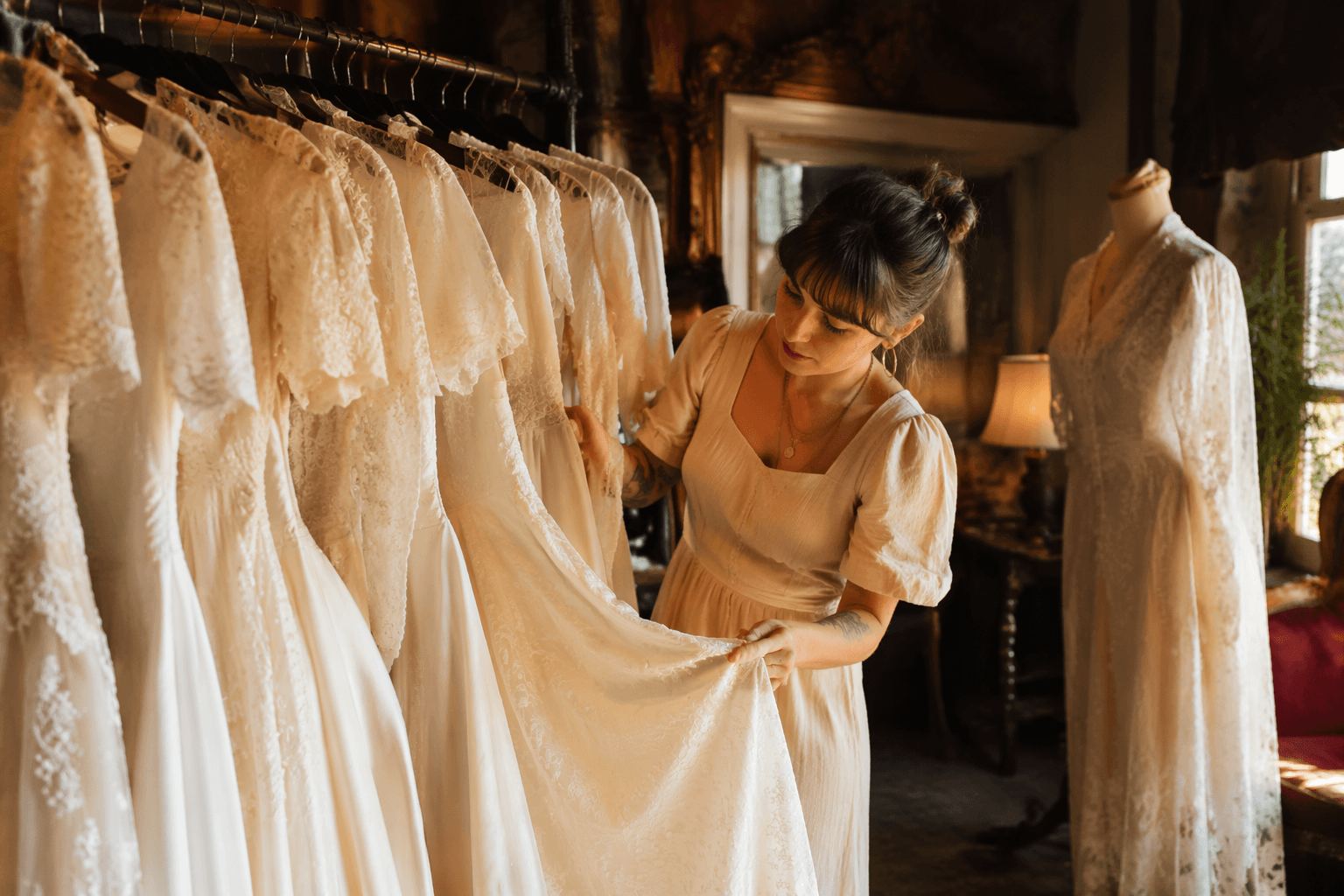
Vintage bridal has moved far beyond the fallback rack. It is now the sharpest way to signal taste, because scarcity, craftsmanship, and personal identity matter more than a gown that merely looks expensive. The appeal is immediate: a dress with a history, a silhouette with conviction, and the kind of finish that feels discovered rather than selected from a sample sale rail.
Why vintage is suddenly the sharpest bridal move
The numbers explain the shift, but the mood explains why it feels inevitable. Zola’s 2026 First Look Report surveyed more than 11,500 couples getting married in 2026, and Gen Z makes up the majority of those engaged couples. That matters because this cohort is already fluent in resale, archival shopping, and the pleasure of choosing something with a previous life.
Vintage also fits the emotional language of 2026 bridal style. Zola and Poshmark’s 2026 Wedding Style Report says 78% of couples are turning to vintage to create “one-of-one” weddings, while 71% are choosing it specifically to make the celebration unique. That is not simply a sustainability story, though sustainability is part of it. It is a style story about wanting a wedding look that reads as personal, edited, and difficult to duplicate.
The mood driving 2026 bridal dressing
The bigger bridal conversation this year is all about personal narrative, reimagined nostalgia, wearable heirlooms, and a selective revival of tradition. That combination is what makes vintage bridal feel current rather than costume-like. A bride is not dressing like someone from another era; she is borrowing the best parts of an earlier vocabulary and making it answer to her own life.
Recent coverage from Yahoo Shopping, Who What Wear, and The Wed points to the same direction: brides are looking for individuality, timelessness, sustainability, and storytelling. Zola’s own data supports that move too. In its 2025 First Look Report, the share of couples who thrifted or sustainably sourced their wedding looks rose from 14% in 2024 to 17% in 2025, and Who What Wear expects that trend to continue through 2026.
The designers shaping the vintage conversation
What makes the category interesting now is that vintage is not confined to resale. It is showing up in contemporary bridal collections as a reference point, with designers like Danielle Frankel, Vivienne Westwood, Tanner Fletcher, Cinq, Alexandra Grecco, and Erik Charlotte all contributing to the mood. The Wed’s roundup of 30 vintage-inspired gowns from 2026 collections makes clear that this is not a niche detour. It is one of the defining visual languages of the season.
Danielle Frankel and Alexandra Grecco speak to brides who want the line of a vintage dress without the heaviness that can make true archival pieces feel intimidating. Their appeal is in the polish: clean structure, softer romance, and silhouettes that photograph with restraint. Vivienne Westwood, by contrast, is for the bride who wants the corseted waist, the sculptural bodice, and a little rebellion in the satin.
Tanner Fletcher brings a more fashion-forward, slightly irreverent sensibility, the kind that makes old-world references feel styled rather than sentimental. Cinq leans into a lighter, more delicate register, where lace, movement, and softer drape keep the look airy. Erik Charlotte slots into the same conversation with a fresher romanticism, the sort of vintage echo that feels newly relevant rather than heavily mined.
How to tell whether vintage is actually viable
The fantasy of vintage bridal begins with the find, but the reality is decided by the dress itself. A gown can be beautiful and still be unwearable if the fabric has broken down, the structure has gone soft, or the proportions fight your body. This is where the category separates the romantic from the practical.
Sourcing with intention
Start with where the dress comes from. Specialist vintage dealers, bridal archives, resale platforms, and carefully vetted independent sellers are the safest routes because provenance matters when you are investing in something delicate. A true vintage dress should come with as much information as possible about label, era, fabric, and prior alterations.
Condition and alterations
Condition is not a side note, it is the whole game. Inspect the inside of the gown as carefully as the outside: seams, boning, lining, closures, hems, beadwork, and any underarm or hem discoloration can tell you whether the dress will survive a fitting, let alone a wedding day.
- Look for fabric stress around zippers, waist seams, and armholes.
- Check whether lace has become brittle or beading has started to loosen.
- Ask whether there is enough seam allowance for meaningful tailoring.
- Budget for a skilled alterations specialist who understands delicate construction, not just modern bridal fit.
A vintage dress often needs more than a simple hem. It may require a new closure, a rebalanced bodice, or careful reinforcement so it can support contemporary underpinnings. That work is part of the cost of achieving something truly singular.
Authenticity
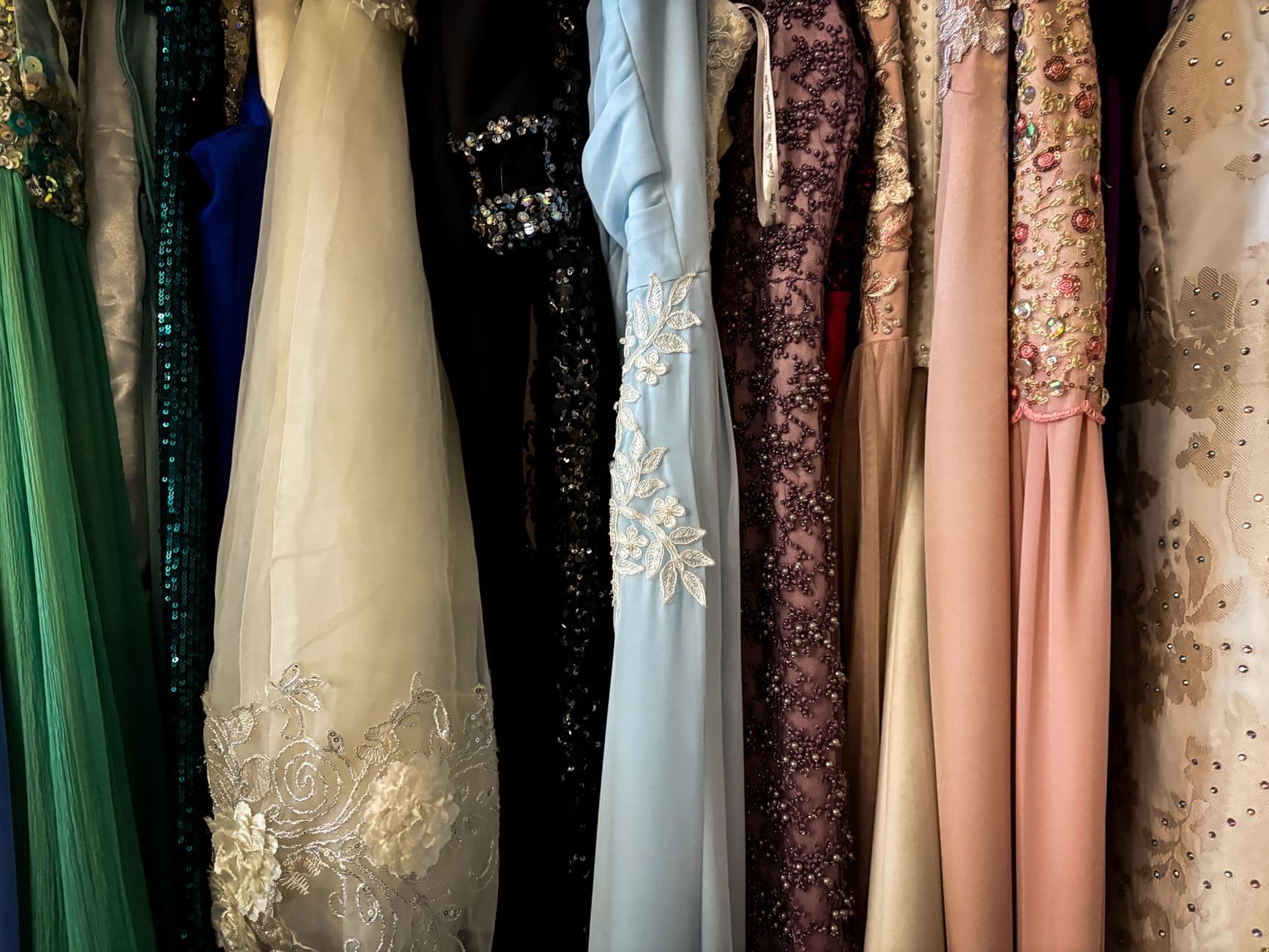
Authenticity is less about proving a dress is precious than understanding exactly what it is. Labels can help, but construction is just as revealing. Period-specific linings, closures, hand-finished details, and fabric quality all tell you whether the dress genuinely belongs to the era it claims, or whether it is a later reproduction borrowing the look.
What kind of bride vintage suits best
Vintage bridal is for the bride who wants character before perfection. It suits someone who likes the idea of being a little rarer than the room, and who is willing to trade convenience for personality. If you are drawn to a sculpted waist, a whisper of lace, a satin slip, or a gown that feels as if it already has a story, the category offers far more distinction than a standard salon appointment.
It is also for brides who understand that the best one-of-one look is not simply found, it is edited. The right vintage dress, properly sourced and expertly altered, has the kind of presence that modern bridal shopping often tries to manufacture and rarely achieves. That is why vintage is not hovering at the edge of the market anymore. It is sitting at the center of it, where fashion, memory, and identity finally meet.
This article was produced by Prism’s automated news system from verified source data, official records, and press releases, then run through automated quality and moderation checks before publishing. The system is built and supervised by the people who set the standards it runs under. Read our full AI policy.
Know something we missed? Have a correction or additional information?
Submit a Tip

