What Bridesmaids Really Pay in 2026, From Dresses to Destination Trips
A bridesmaid role can quietly cost $1,500 to more than $5,000, with destination weddings pushing the bill into airfare, beauty, gifts, and a stack of pre-wedding events.

The bill behind the bouquet
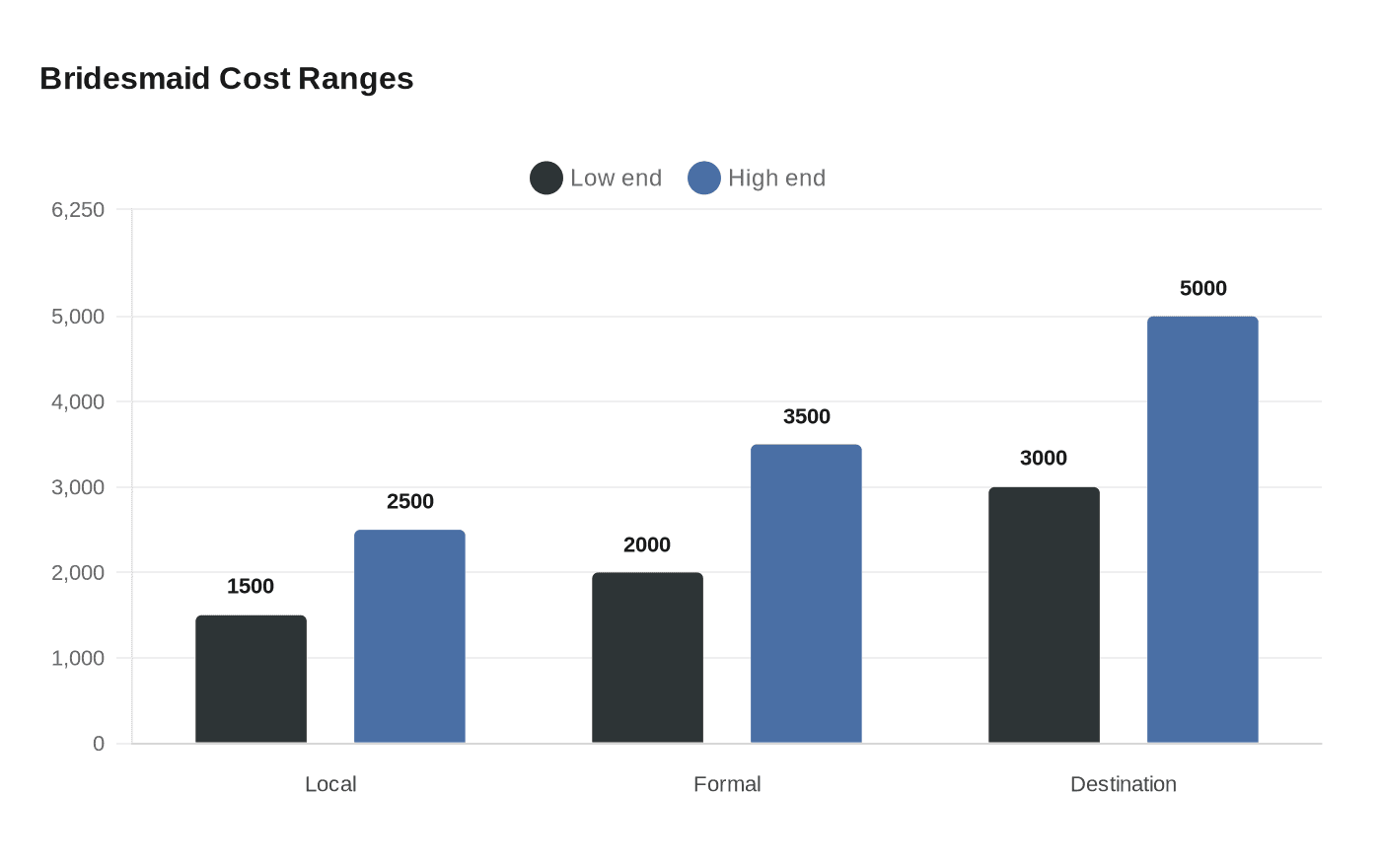
The modern bridesmaid role can look sweet on paper and punishing in real life. By the time the last dance ends, the total can land in the hundreds, the low thousands, or far beyond that, especially when a wedding turns into a destination weekend with multiple events and a polished dress code. The Knot’s bridesmaid cost coverage puts the average at about $1,500 to $2,500 for a local wedding, $2,000 to $3,500 for formal or black-tie celebrations, and $3,000 to more than $5,000 for destination weddings. That is not a small favor. It is a real line item in a wedding economy that has become far more expensive for everyone involved.
The backdrop matters. The Knot Worldwide’s 2026 Real Weddings Study, which surveyed 10,474 U.S. couples married in 2025, helped reinforce the scale of the wedding market, while CNBC’s reporting on that data pegged the average hometown wedding at about $32,000 and an international destination wedding at $41,000. When the bride and groom are already navigating a five-figure celebration, the pressure often moves outward to the wedding party, where the spending tends to hide in plain sight.
What the dress is only the beginning
The dress may be the most visible expense, but it is rarely the only one. The Knot reported an average bridesmaid dress cost of $128 per person in 2024, based on its 2025 Real Weddings Study, yet that number barely scratches the full look once alterations, shoes, jewelry, and underpinnings enter the picture. A bridesmaid who needs hemming, shaping, or last-minute tailoring can easily see the cost of a relatively simple dress climb fast.
Then comes beauty, which is often treated as optional until it is suddenly part of the plan. The Knot says the bride traditionally pays for bridesmaids’ hair and makeup in some weddings, but there is no single standard rule, which is exactly where misunderstandings start. Add manicures, travel, accommodations, and gifts, and the bill begins to resemble a mini-vacation layered on top of a formal occasion.
The hidden costs that swell the total
What makes the bridesmaid role expensive in 2026 is not one dramatic purchase, but the accumulation of many smaller ones. Industry guides consistently identify the same list: dresses, alterations, shoes, jewelry, hair, makeup, manicures, travel, accommodations, gifts, and pre-wedding events. Each item may feel manageable on its own, but together they create a steep cost curve that can catch even careful planners off guard.
Pre-wedding events are especially important to watch. A single shower or bachelorette dinner may be easy enough to absorb; a full itinerary of celebrations, gifts, coordinated outfits, and multi-day outings is another matter. Once the weekend becomes experience-focused, the price rises with every extra hotel night, rideshare, cocktail hour, and matching accessory. That is how a supposedly fun role starts to feel like a financial test.
Why destination weddings change everything
Destination weddings are where the budget really tilts. The Knot’s guidance puts bridesmaid costs at $3,000 to more than $5,000 when travel and accommodations become non-negotiable, and that range makes sense once airfare, hotel stays, and extended time away from work are added in. A black-tie dress code can increase pressure too, because the expectation shifts from simply showing up to looking fully styled, photographed, and evening-event ready.
This is also where the etiquette conversation becomes essential. A bride planning a far-flung wedding is not only asking friends to attend a ceremony. She is asking them to buy into an entire trip, often with multiple outfits, extra beauty appointments, and several days on the calendar. The event can still be joyful, but the asking has to be honest.
The smartest money conversation happens early
The cleanest way to avoid resentment is to talk about money before anyone says yes. That conversation should cover what the dress costs, whether alterations are expected, who pays for hair and makeup, and how many additional events are truly mandatory. Bridesmaids do not need a script as much as they need permission to ask direct questions before the spending begins.
A few practical rules help keep the role sane:
- Ask for the full budget, not just the dress price.
- Clarify whether hair and makeup are optional or expected.
- Find out if the bridal party is paying for travel, hotels, and group meals.
- Separate one splurge event from several, because the total rises quickly.
- Be honest about your limit before the first deposit is due.
That honesty is not rude. It is respectful. In a wedding culture where the average celebration already costs tens of thousands of dollars, silence only makes the bride, the bridesmaids, and the friendship itself more vulnerable to avoidable frustration.
What brides should remember, and what bridesmaids should protect
The modern bridesmaid is expected to do more than stand beside the altar in a matching dress. She is often expected to absorb a share of the wedding’s aesthetic, social, and travel costs, all while keeping the mood light and the calendar open. That is precisely why the role needs clearer boundaries in 2026 than it did a generation ago.
For brides, the lesson is simple: every added ask has a price, even when it is not spoken aloud. For bridesmaids, the smartest move is to treat the role like any other meaningful commitment, with a budget, a conversation, and a hard look at what is truly manageable. The glamour still matters, but so does the math.
This article was produced by Prism’s automated news system from verified source data, official records, and press releases, then run through automated quality and moderation checks before publishing. The system is built and supervised by the people who set the standards it runs under. Read our full AI policy.
Did this article answer your question?