6 summer dress colors that refresh a capsule wardrobe
These six dress colors do the capsule work for you: some soften every shoe, others carry the whole outfit, and one shade does the loudest talking.
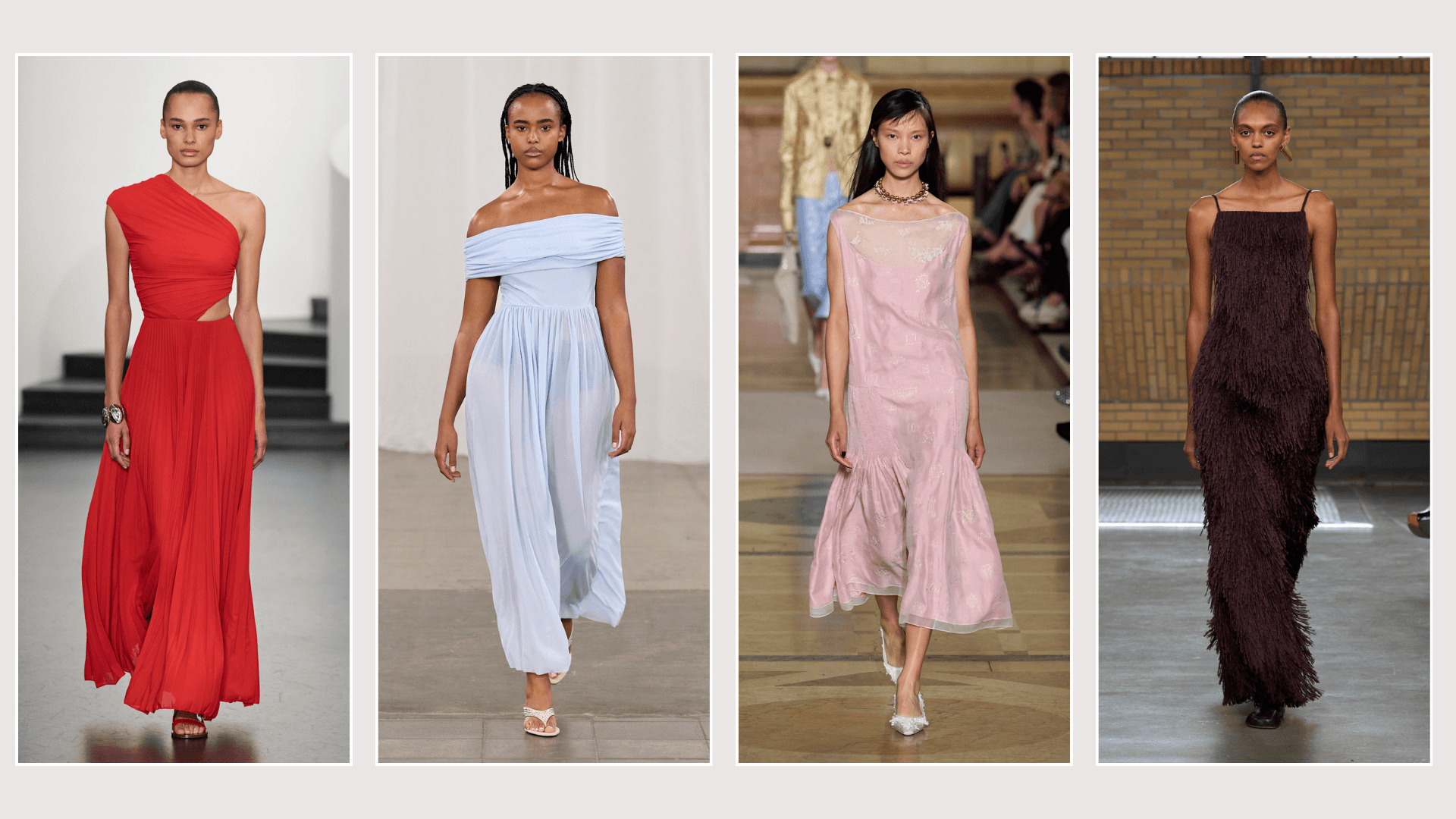
The smartest summer dress color isn’t the prettiest one in isolation. It’s the one that keeps pulling its weight after the first wear, changing the read of the same silhouette with nothing more than a shoe swap or a sharper bag. Pantone’s Spring/Summer 2026 report leans into personal expression and individualism, and the runway response at New York Fashion Week proved the point: color is doing the heavy lifting now, not just decoration.
Blush pink
Blush pink is the easiest entry point if you want a dress color that behaves like a neutral with a pulse. It works with white sneakers, tan sandals, black flats, metallic heels, and even a sharper loafer if you want the dress to feel less precious and more lived-in. That makes it one of the strongest repeat-wear shades in the group, especially for A-line midis, slip dresses, and simple column shapes that need a little softness.
It also moves cleanly from daytime to events because it never feels overdone. A blush dress reads polished at lunch, then gets more romantic after dark with a satin heel or a sculptural earring. If your closet already runs on black, cream, denim, and brown, blush is the color that freshens everything without forcing a complete style detour.
Soft sky blue
Soft sky blue is the cleanest way to make a dress feel breezier without going full novelty. It pairs beautifully with white, silver, pale gray, and nude, which is why it’s such an easy color for accessorizing when you want to avoid fighting the dress. On a slim silhouette, it feels crisp and modern; on something fuller, it brings back that airy, almost washed-light feel that summer dressing needs.
This shade also has real capsule range because it can swing sporty or elegant depending on the shoe. A flat sandal or sneaker keeps it day-friendly, while a polished mule or kitten heel instantly pushes it toward event mode. Runway pairings like citron with baby blue made the case that pale blue can hold its own beside bolder colors, so it is not just a safe choice, it is a useful one.
Olive green
Olive green is the workhorse for people who want color without losing the backbone of a neutral wardrobe. It behaves like khaki with more character, which means it works with black leather, cream canvas, brown suede, gold jewelry, and almost every warm-toned shoe in a summer closet. On dresses, olive is especially strong in utility shapes, shirt dresses, and draped midis because the color sharpens the silhouette instead of making it float away.
What makes olive so capsule-friendly is its ability to bridge day and night without changing personality. At noon it reads understated and grounded, then after dark it looks intentional with a strappy heel and a compact bag. New York Fashion Week leaned into unexpected pairings like bubblegum pink with army green, and that clash tells you everything: olive is no longer just practical, it is part of the fashion conversation.
Poppy red
Poppy red is the loudest dress color here, but it is also the easiest statement if you keep the styling disciplined. One red dress does the job of three lesser ones when you want impact, and it barely needs help from accessories because the color itself is the accessory. Black sandals, nude heels, and metallics all work, but the strongest move is often to keep the rest spare and let the dress carry the room.
This is the shade that turns a simple silhouette into an event piece fast. A clean midi in poppy red can feel daytime-appropriate with flat sandals, then look sharp and unmistakable at night with a heeled mule or slingback. Pantone’s palette makes room for more vibrant tones, and poppy red is the one that most clearly answers that brief with confidence.
Buttermilk
Buttermilk is the quietest color in the set, which is exactly why it may be the most useful. It sits between cream and pale yellow, so it gives you the softness of a neutral with a little more warmth and sunlight in the fabric. That makes it an excellent base for repeat wear, especially if your capsule leans on leather slides, woven bags, espadrilles, and understated jewelry.
This shade is also the easiest to dress up or down without looking like you tried too hard. In daylight, buttermilk feels effortless with flat shoes and minimal styling; at night, it takes on a more polished glow with gold accents and a sleek heel. If you want maximum versatility, this is the color that slips into the most outfits without asking for attention.
Plum
Plum is the strongest statement piece if you want depth, drama, and a little bite. Unlike brighter colors, it has enough richness to work with black, silver, chocolate brown, and even unexpected pops of pink or pale blue, which gives it more styling range than you might expect from a darker shade. On a dress, plum feels expensive, moody, and slightly undone in the best way.
It also transitions beautifully from daytime to events because the color already has evening energy built in. A plum dress can go out at brunch with a flat sandal and still feel fully dressed for dinner with a sharp heel and a glossy bag. In a season where designers from Ralph Lauren, Brandon Maxwell, Khaite, Tory Burch, Tibi, Prabal Gurung, and Diotima pushed color-blocking and contrast, plum stands out as the shade that does not need permission to make an entrance.
The real capsule logic here is simple: blush pink and soft sky blue give you the easiest styling, olive green and buttermilk do the most wardrobe work, poppy red gives you the biggest payoff, and plum delivers the strongest finish. Summer dresses feel fresher in 2026 not because the silhouettes changed wildly, but because color is being used with more intent, more contrast, and a lot more personality.
This article was produced by Prism’s automated news system from verified source data, official records, and press releases, then run through automated quality and moderation checks before publishing. The system is built and supervised by the people who set the standards it runs under. Read our full AI policy.
Did this article answer your question?