7 French wardrobe basics for an expensive-looking summer capsule
This French summer capsule is built on seven precise basics, from slip skirts to miniskirts, where cut and fabric do the heavy lifting.
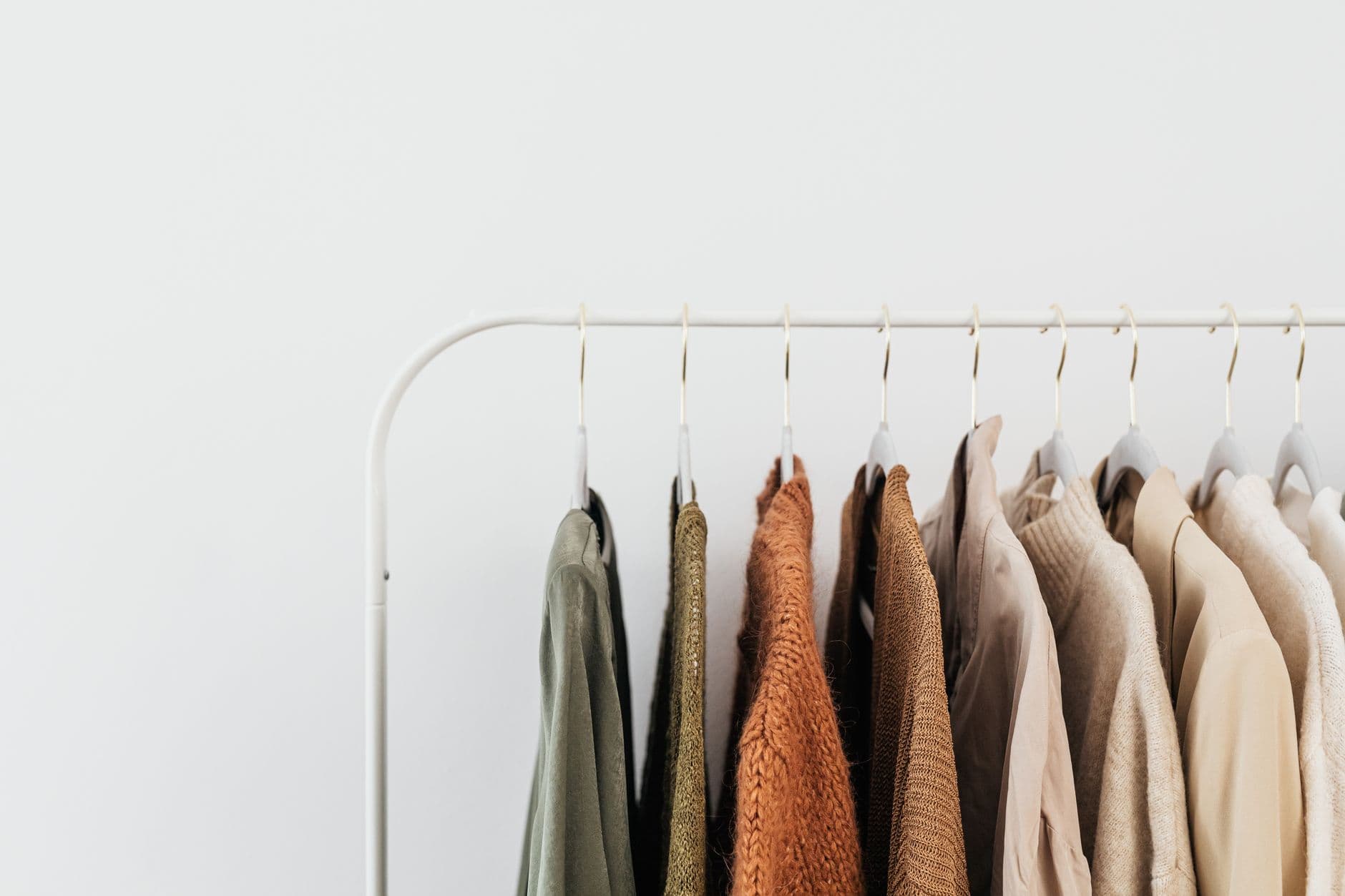
The French capsule idea has never been about dressing less, it has been about editing better. Susie Faux traced the formula back to 1970s London with a small set of timeless, interchangeable pieces that could be refreshed seasonally, and that logic still powers the most convincing summer wardrobes today. Who What Wear keeps returning to the theme in 2026, including a January 7 edit on French capsule staples and a newer summer lineup built around seven pieces that look polished because they are restrained.
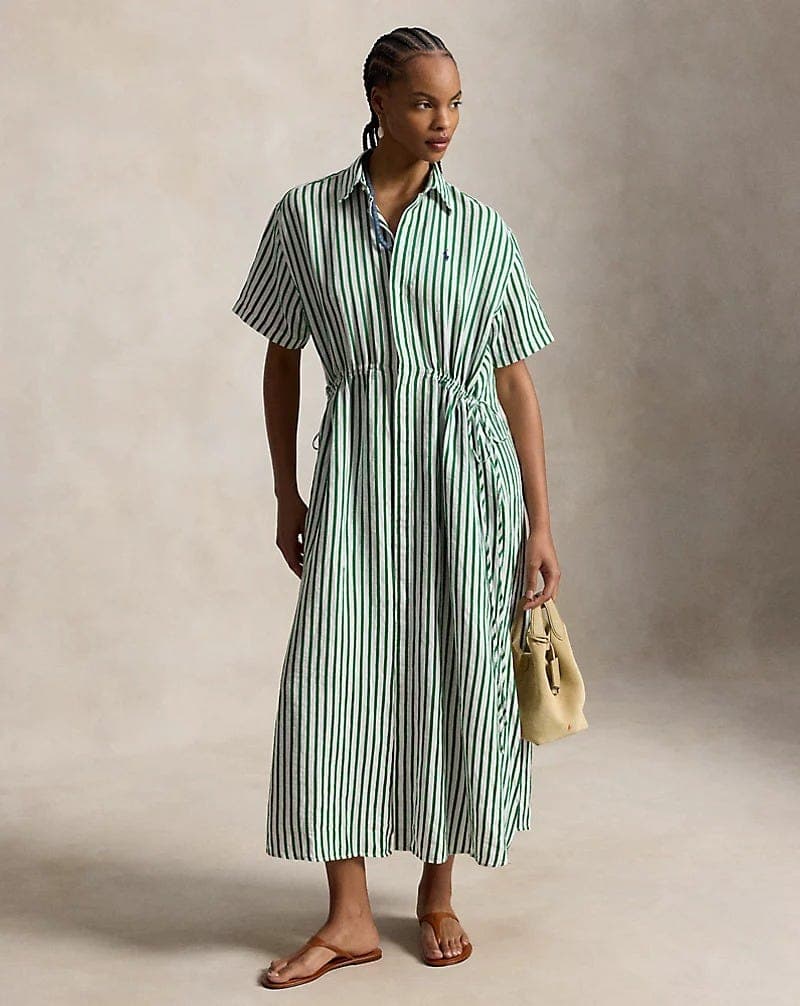
Relaxed button-downs
If there is one true anchor in the French summer uniform, it is the relaxed button-down. In crisp cotton or breezy linen, it gives the whole capsule structure without stiffness, which is exactly why it reads expensive even when the rest of the outfit is minimal. The trick is fit: the shirt should skim, not cling, and the collar, cuffs, and hem need enough shape to look intentional.
This is where neutral tones matter. A white, ivory, or pale blue button-down works like a reset button for the rest of the wardrobe, pairing with skirts, capris, and even the season’s more directional pieces without looking fussy. It is the kind of basic that earns its place because it makes everything else easier to wear.
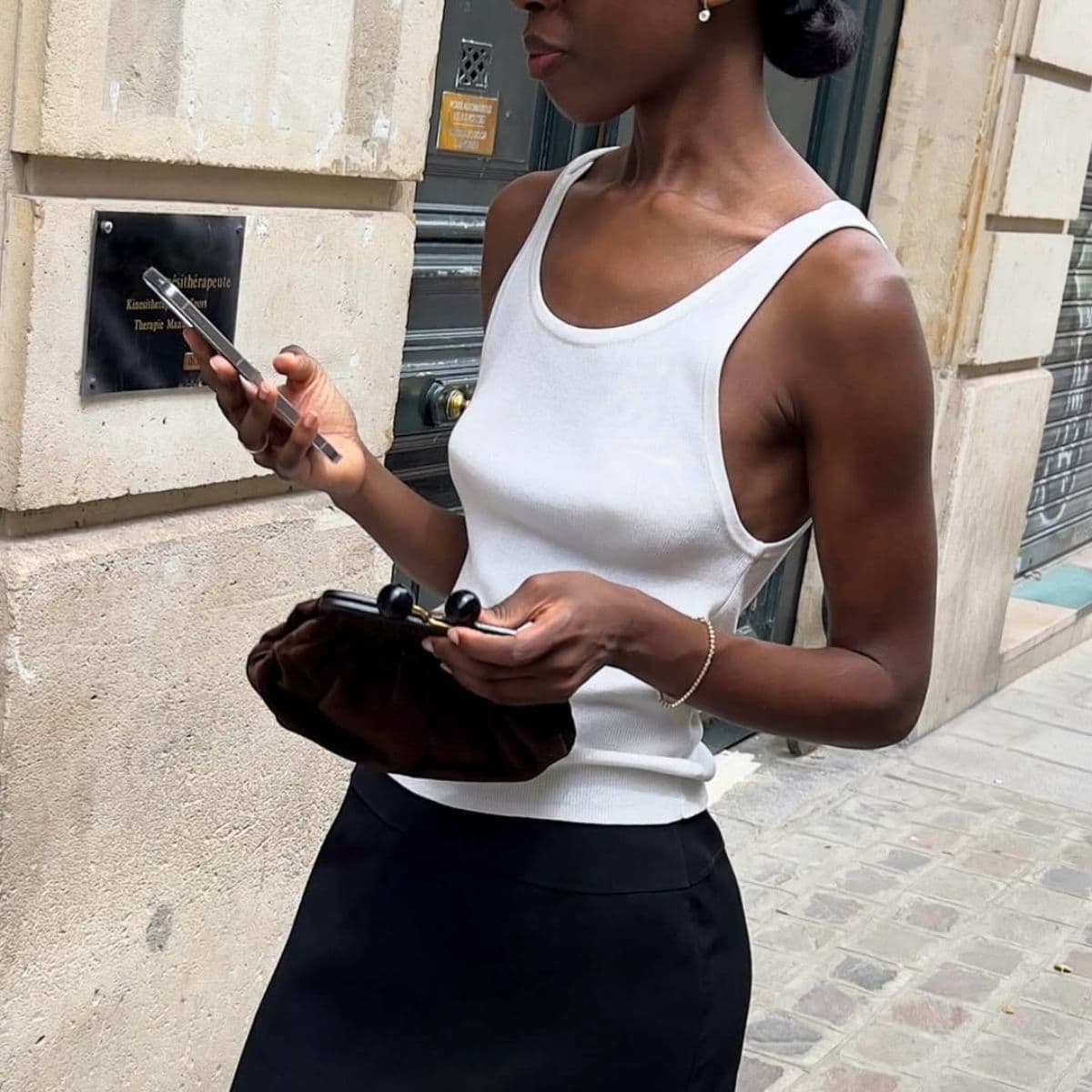
Slip skirts
The slip skirt is another core piece, but only if the fabric does the heavy lifting. In a summer capsule, this is where silk, silky viscose, or a polished satin finish can make the difference between languid and flimsy. Cut on the bias, with a fluid drape rather than a sticky silhouette, it gives that easy Parisian movement people chase when they talk about an expensive-looking outfit.
This piece is especially strong because it can swing from day to night with almost no effort. Worn with a relaxed button-down and flat sandals, it feels pared-back and current; paired with a sharper knit or a tucked-in tee, it becomes the sort of base layer that makes a capsule feel bigger than it is. Among the seven, it is one of the most universal, because it works hard without asking for much back.
Glove ballet flats
Glove ballet flats sit in that sweet spot between practical and polished. Their close-to-the-foot shape, slender sole, and neat toe line make them a sharper choice than chunky summer shoes, and they finish an outfit with a softness that still feels deliberate. They are not flashy, which is exactly the point.
They only read expensive when the materials are right. Supple leather, a clean edge, and a refined shape matter more here than any logo ever could, because a flat that pinches, slouches, or looks overly delicate loses the whole effect. This is less of a universal anchor than the shirt or skirt, but it is one of the easiest ways to make a simple outfit look considered.
Woven bags
A woven bag is the accessory that tells you summer has arrived, but it is also one of the easiest pieces to get wrong. The best versions have enough structure to hold their shape, with a weave that looks tight and intentional rather than beachy or brittle. That detail matters, because an overly floppy woven bag can drag the whole look into vacation-cliché territory.
Used well, though, it adds texture to the capsule without breaking the neutral palette. A woven tote or shoulder bag works beautifully against linen, cotton, and silk because it brings warmth and tactility to otherwise clean lines. It is a supporting player, not the star, and that is precisely why it helps the expensive effect land.
Printed dresses
Printed dresses are the most narrative piece in the lineup, and they are also the most dependent on the print itself. A well-chosen print can do the work of an entire outfit, but only if the shape stays simple and the fabric feels breathable enough for summer, whether that means cotton, linen, or a light silk blend. This is where French capsule dressing stays disciplined: the dress can be expressive, but it should never feel overdesigned.
Think of this one as a one-and-done shortcut that still needs restraint. A strong print on a clean silhouette can look far more luxurious than an overworked dress covered in details, because the eye reads confidence rather than clutter. It is a useful piece, but not as universal as the neutral basics that anchor the rest of the wardrobe.
Capri pants
Capri pants are the most specific silhouette in the group, and that specificity is part of their appeal. They demand precision at the hem, a flattering cut through the leg, and shoes that keep the look sharp rather than awkward. When all of that is right, capris can look chic in a way that feels very now, but when the proportions are off, they can quickly feel dowdy or costume-like.
That makes them more of a styling test than a true capsule foundation. They work best with a clean button-down, a fitted knit, or a sharply finished flat, because the outfit needs to stay lean around them. Of the seven, this is one of the pieces that looks expensive only when fit and fabric are doing the heavy lifting.
Miniskirts
The miniskirt brings a little bite to the French summer formula, which is why it matters in a capsule that could otherwise drift too safe. Its success depends on structure: a crisp hem, a fabric with enough weight to hold its line, and a styling choice that keeps the look polished rather than precious. In other words, the skirt should look intentional, not leftover.
This is also where the mix-and-match promise of the capsule becomes obvious. A miniskirt with a relaxed button-down or a neat flat feels sharper than a trend-led outfit, because the contrast keeps it grounded. It is not the most universal basic in the lineup, but it gives the wardrobe range, and that range is part of what makes the whole summer edit feel expensive.
The smartest French capsule is not built on luxury signals, it is built on discipline. A relaxed shirt, a fluid skirt, a refined flat, a woven bag, a printed dress, capri pants, and a miniskirt can all play the part, but only when the cut is right and the fabric feels worthy of the silhouette. That is the enduring appeal of the French formula: it makes restraint look like style.
This article was produced by Prism’s automated news system from verified source data, official records, and press releases, then run through automated quality and moderation checks before publishing. The system is built and supervised by the people who set the standards it runs under. Read our full AI policy.
Did this article answer your question?