7 high-street outfit formulas for a richer-looking capsule wardrobe
Seven high-street formulas, built on sharper fabrics and repeatable silhouettes, make a capsule look expensive without a luxury spend.
WRAP says the average UK household owns around £4,000 worth of clothes, about 30% of it has not been worn for at least a year, and clothing still accounts for around 5% of annual retail expenditure, or £44 billion a year.
Susie Faux built the idea into her 1970s London boutique Wardrobe, and Donna Karan used a Seven Easy Pieces approach in 1985. The Office for National Statistics put average weekly household expenditure at £676.60 in April 2024 to March 2025, up 9% nominally year on year. Two-thirds of UK consumers already buy or receive pre-owned clothing.
The blazer, tee, jean and loafer
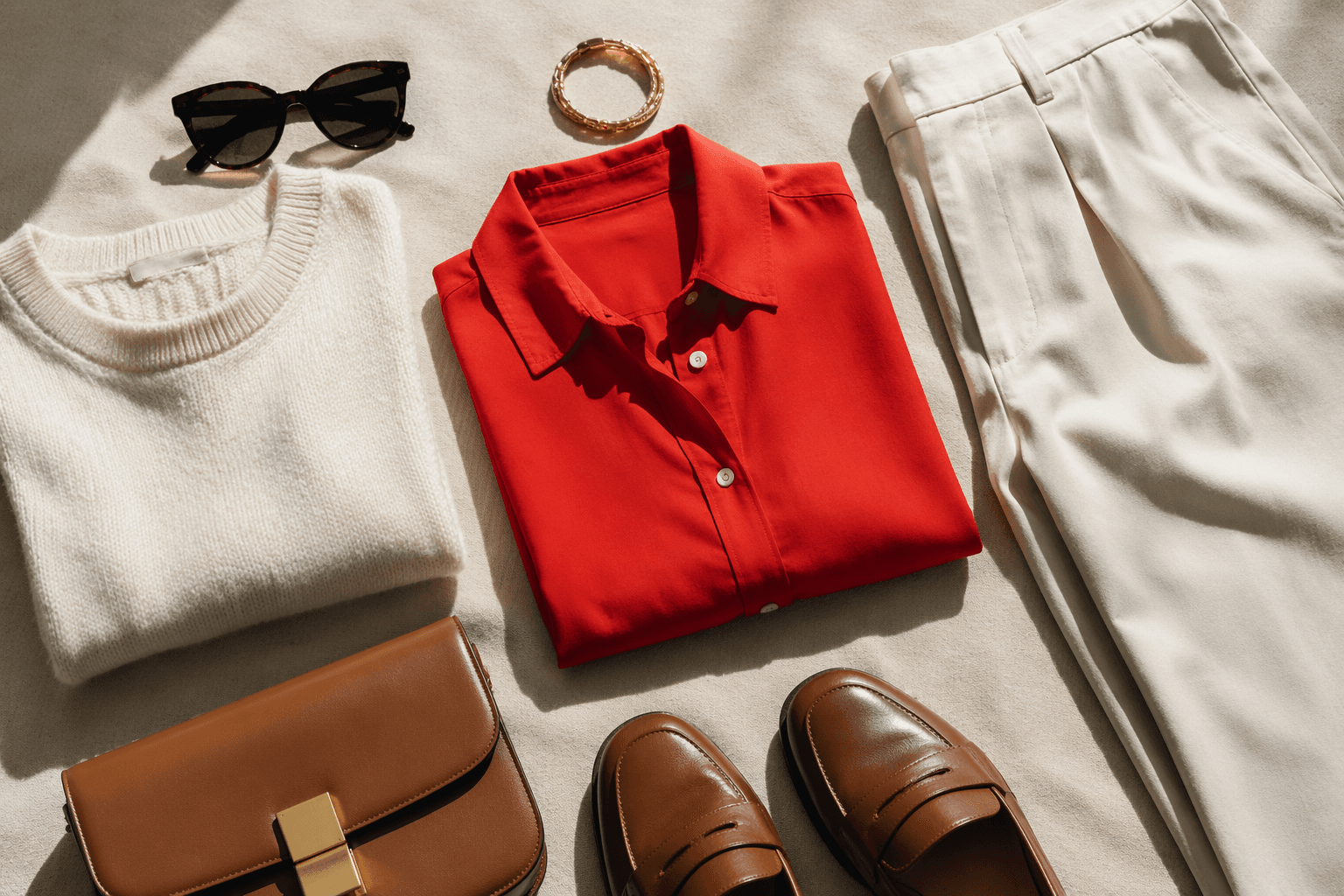
A wool-blend blazer should be boxy through the shoulder and in charcoal, navy or deep brown; the tee should be crisp cotton, not thin and floppy; the jean should be straight, rigid and sitting just above the shoe.
The non-negotiables are structure at the top, a straight line through the leg and a polished flat on the floor. A leather loafer or pointed flat keeps the outfit from drifting into weekend sludge, while a slim belt and a hard-sided bag make the whole thing read intentional rather than accidental.
The suede jacket and balloon trouser
A suede jacket in tobacco, chocolate or soft caramel brings texture that looks richer than a shiny finish, while balloon trousers in stone, black or olive give the silhouette a current edge without crossing into costume.
The jacket needs to sit cleanly at the hip or just above it, and the trouser needs volume through the leg with a sharp taper at the ankle. Underneath, keep it close with a fine ribbed knit or a fitted tank, then finish with a low-profile mule or slingback so the trouser line stays crisp.
The closed-toe mule summer uniform
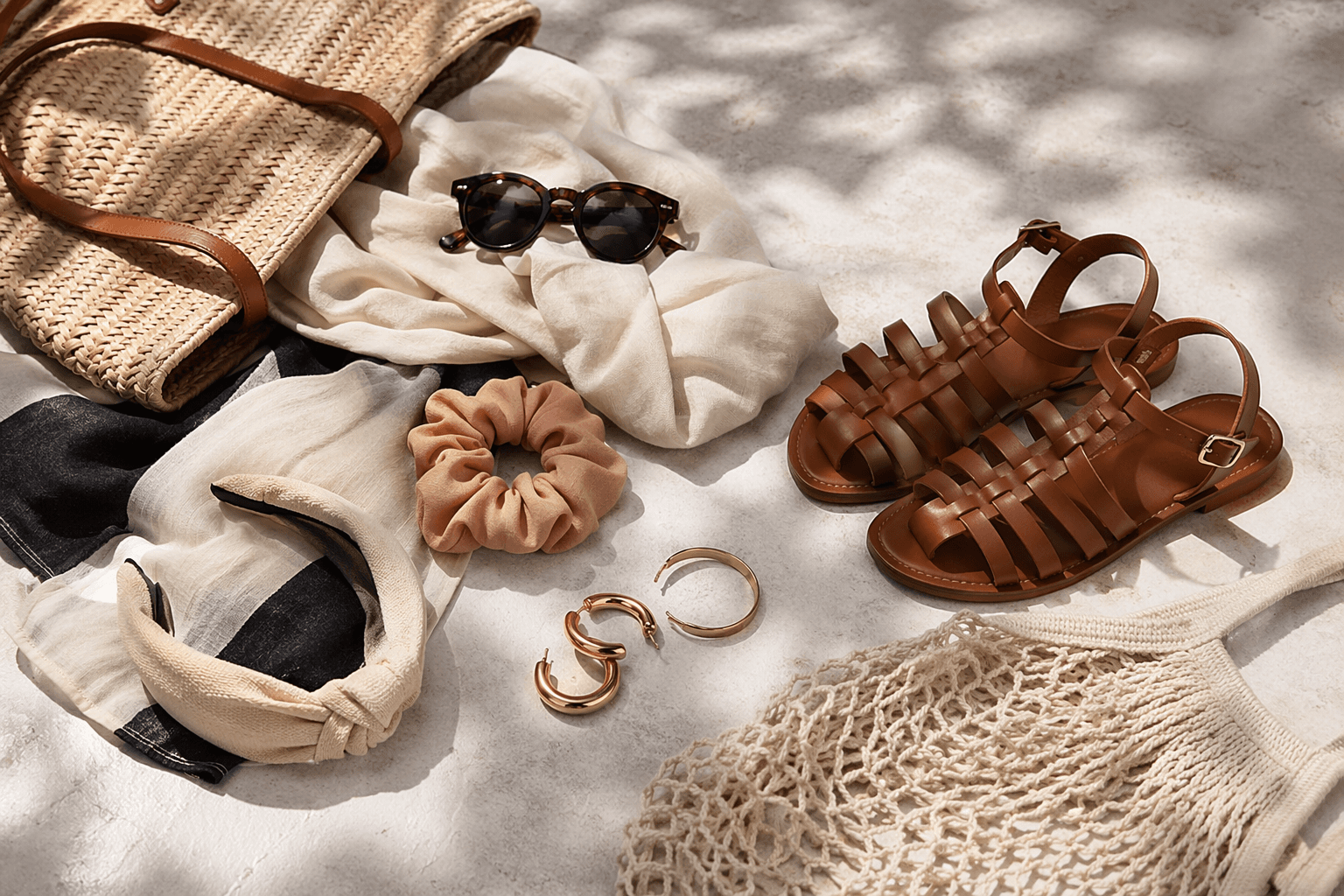
A closed-toe mule with a leather upper tightens a summer outfit, especially with a bias-cut skirt, cropped trouser or fluid midi dress in black, ivory, tan or navy.
Keep the top simple, a ribbed tank, a compact knit or a sleeveless shirt, and avoid loud prints or fussy details.
The trench, tailored short and clean knit
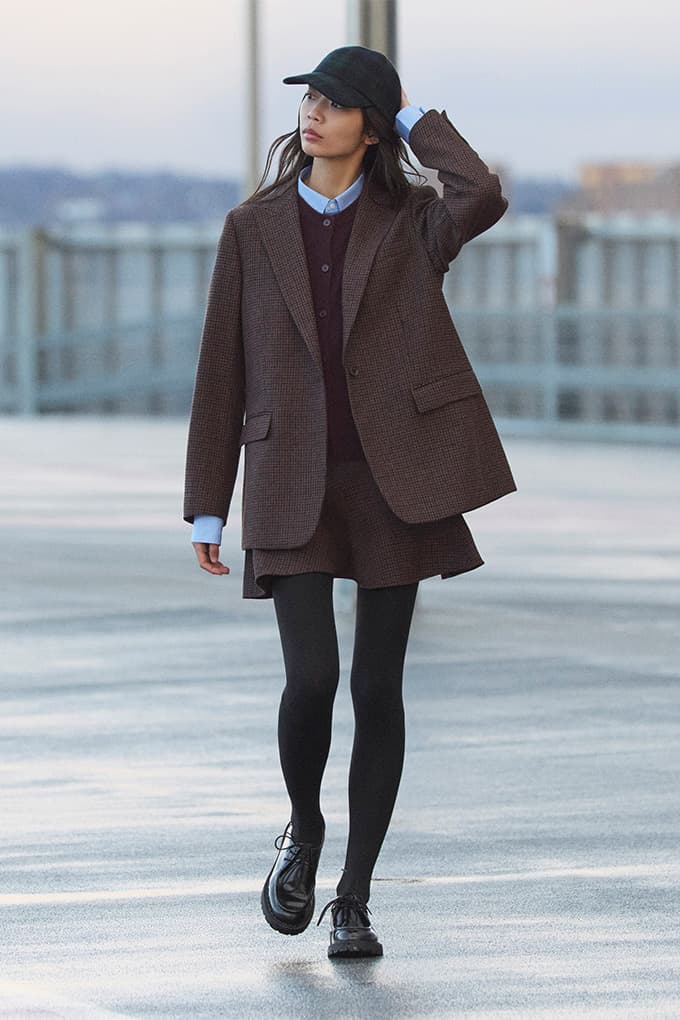
A cotton gabardine trench in sand or stone, paired with a tailored short in wool-blend or crisp cotton, gives you a long line on top and a sharp break at the leg.
The knit underneath should be fine-gauge and close to the body, in white, ink or camel, so the proportions stay neat instead of bulky. Finish with a loafer, ankle boot or sock-and-shoe combination if you want that slightly editorial edge, then keep the accessories minimal: a watch, a slim belt and a structured tote.
The matching knit set
A fine-gauge knit set in merino, viscose blend or compact cotton, in oatmeal, charcoal or chocolate, reads expensive when the fit is relaxed but controlled.
The top should skim rather than cling, and the trouser should fall straight or wide without pooling. Throw a long coat or sharp blazer over it, then keep the shoe lean, either a sleek sneaker for day or a low mule for something cleaner.
The poplin shirt and column skirt
A crisp poplin shirt in white, blue or pale stripe, half-tucked into a column skirt in satin, heavy jersey or compact cotton, creates one uninterrupted vertical line that feels expensive immediately.
The shirt should have enough structure to hold its shape, and the skirt should skim the body without adding volume, especially in black, olive or ivory. Add a pointed flat or low heel, a compact shoulder bag and one piece of simple jewellery, then leave the rest alone.
The overshirt, tee and tailored trouser
A dense cotton twill or brushed wool overshirt, layered over a quality white or grey tee and matched with a tailored trouser in navy, black, stone or khaki, gives you a grown-up utility look without any bulk.
The overshirt should be boxy, the tee should sit close to the body and the trouser should fall straight, wide or gently tapered, never sloppy. WRAP estimates the average lifetime of a garment at about 2.2 years, but says extending active use by just three months can reduce carbon, water and waste footprints by 5 to 10 percent each; keep clothes in circulation nine months longer and the resource savings can reach £5 billion a year.
WRAP’s durability research, built with the Leeds Institute of Textiles and Colour over three years with 27 partners, more than 200 garments and over 10,000 test specimens, is aimed at measuring what lasts and why. The British Fashion Council says the Circular Fashion Innovation Network has mobilised more than 250 organisations across the value chain, representing 42% of UK clothing sales by volume, in a country generating 1.3 million tonnes of post-consumer textiles a year.
This article was produced by Prism’s automated news system from verified source data, official records, and press releases, then run through automated quality and moderation checks before publishing. The system is built and supervised by the people who set the standards it runs under. Read our full AI policy.
Did this article answer your question?