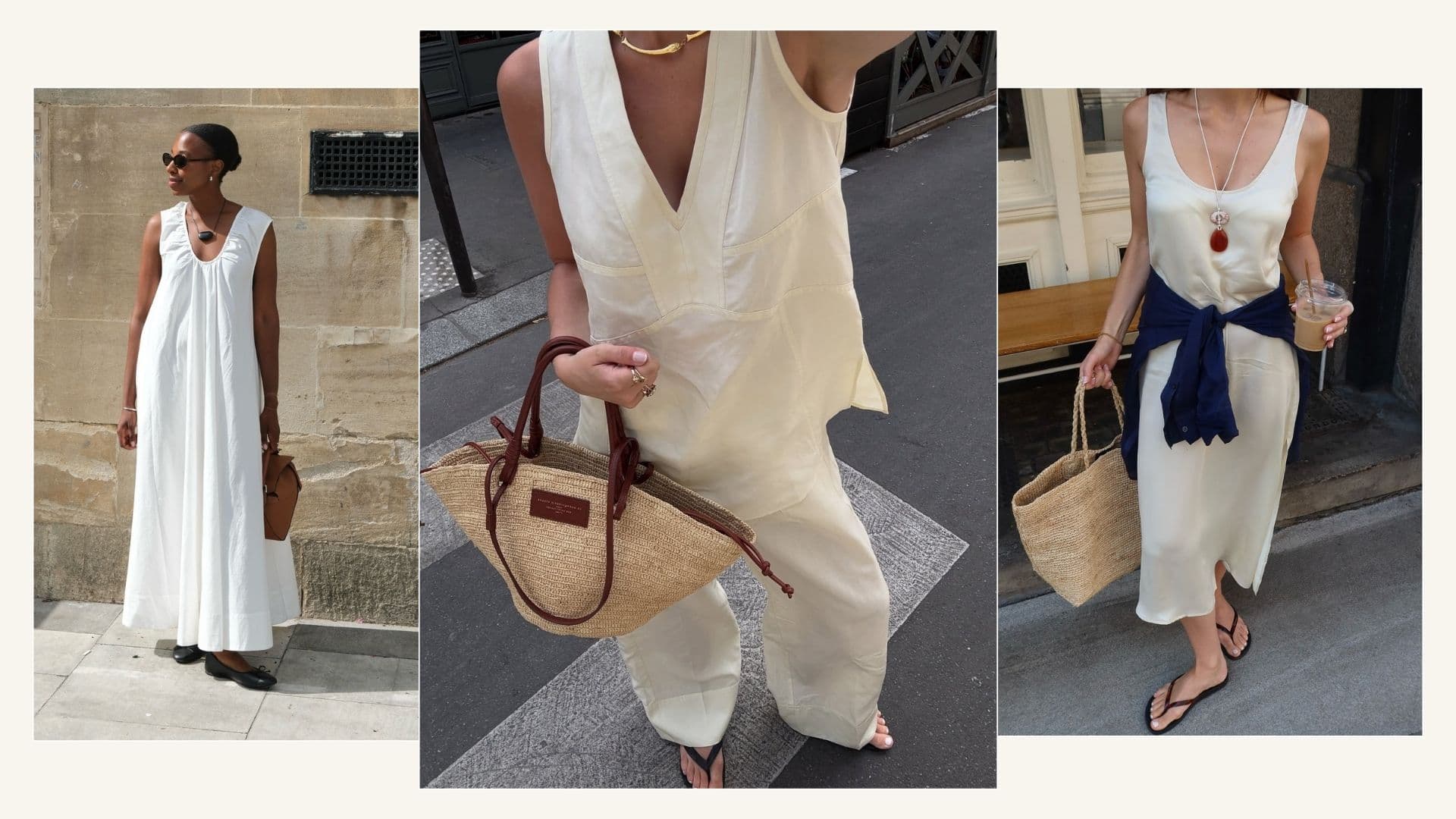
AI and Machine Learning Are Redefining the Classic Capsule Wardrobe Concept
AI is dismantling the gut-feel approach to building a capsule wardrobe, replacing emotional decluttering with machine-driven precision.
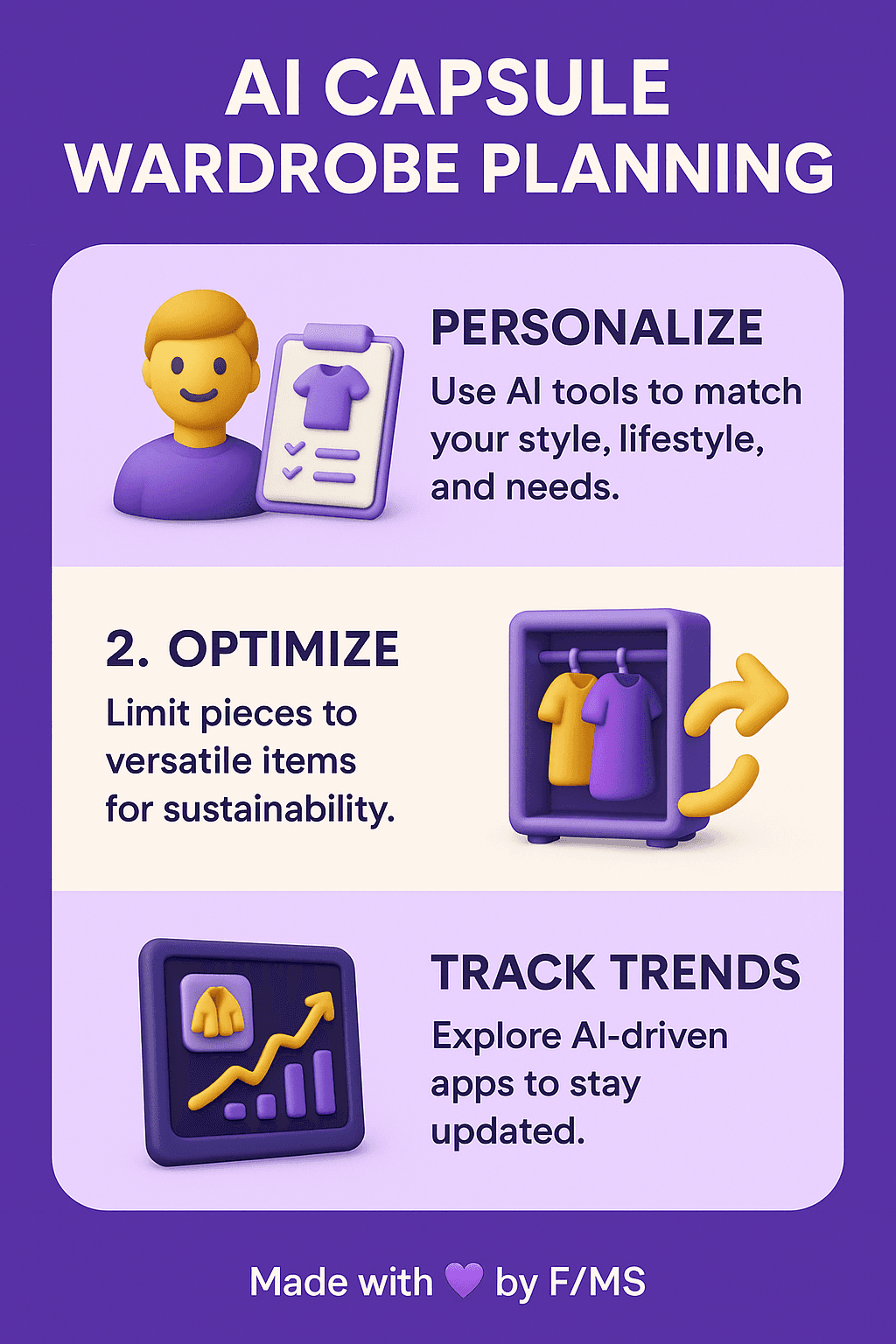
The capsule wardrobe has always been sold as a liberation story: clear out the noise, keep the essentials, dress with intention. For decades, that process ran almost entirely on instinct and emotion. You held up a blazer and asked yourself whether it sparked joy. You made piles. You second-guessed the piles. What AI and machine learning are now doing to that process is less a gentle update and more a structural overhaul, shifting the entire framework from feeling-based to data-driven.
The problem with emotion-led decluttering
The traditional capsule wardrobe method has a well-documented weakness: the person doing the editing is also the person most attached to the clothes. That attachment distorts judgment in both directions. You keep the dress you wore to a memorable dinner even though it hasn't left the hanger in three years. You donate the tailored trousers that photograph beautifully because they feel slightly uncomfortable on a Tuesday afternoon. Emotion is not a reliable filter for utility, versatility, or actual wear frequency. The result is a "capsule" that often reflects sentiment more than a genuine style system.
This is precisely where machine learning tools have found their entry point. By analyzing real behavioral data, including how often specific items are worn, how they perform across different outfit combinations, and how frequently they're photographed or logged, AI can cut through the noise that human memory and attachment generate. The technology doesn't know that the dress has a backstory. It only knows you haven't worn it in 38 weeks.
How AI reframes the capsule concept
The classic capsule wardrobe, as Susie Faux introduced it in the 1970s and Donna Karan later commercialized, was built on a relatively fixed formula: a small number of neutral, interchangeable pieces that could mix and match across occasions. The number varied by source, anywhere from 10 to 37 pieces depending on who you asked, but the underlying logic was always human-curated and static. You built it once, seasonally refreshed it, and ideally stuck to it.
Machine learning disrupts the static part. Rather than building a capsule as a fixed inventory, AI-powered wardrobe tools treat your closet as a living dataset. They track what you actually reach for on a Monday versus a Saturday, flag items that exist in your wardrobe but never appear in outfits you've assembled, and identify gaps based on your real lifestyle patterns rather than a generalized ideal. If your data shows you wear tailored separates four days a week but own only one pair of dress trousers, the algorithm surfaces that imbalance in a way that a seasonal declutter session never would.
The shift from aspirational to behavioral
One of the more significant conceptual shifts AI introduces is the move away from aspirational wardrobe-building toward behavioral wardrobe-building. The aspirational model is familiar: you buy pieces that reflect the life you want to live, the version of yourself who takes weekend trips to coastal towns and attends gallery openings on a Wednesday. The behavioral model is less flattering but considerably more useful. It reflects the life you actually live, based on logged data rather than projected self-image.
Apps and platforms deploying machine learning for wardrobe management are now sophisticated enough to integrate external data, weather patterns, calendar events, even social media activity, to generate outfit suggestions and purchase recommendations that align with documented behavior. The system can identify, for instance, that you consistently skip your white shirts in winter not because you dislike them but because your wardrobe lacks the layering pieces that would make them work in colder months. That's a nuanced, context-aware insight that a standard closet audit simply cannot produce.

What this means for how you shop
The capsule wardrobe philosophy has always had a secondary argument embedded in it: buy less, buy better. AI doesn't change that thesis, but it does sharpen it considerably. When a machine learning tool analyzes your wear data and identifies that you need a mid-weight knit in a neutral tone to complete 14 possible outfit combinations you're currently unable to assemble, the resulting purchase recommendation is precise in a way that intuitive shopping is not. You're not buying a sweater because it's beautiful in the store. You're buying it because your behavioral data shows it fills a structural gap.
This has real implications for how fashion retailers are starting to engage with the capsule concept. Rather than selling aspirational collections, some brands are beginning to position themselves as systems, offering pieces designed to integrate with AI wardrobe tools and explicitly marketed around their combinatorial versatility. The selling point shifts from "this piece is beautiful" to "this piece works with what your data says you already own."
The limits of the algorithm
None of this means AI has fully solved the capsule wardrobe problem. Data-driven systems are only as useful as the data they have access to, and most people don't log their outfits with the consistency that makes machine learning genuinely powerful. There's also the question of what gets lost when emotion is removed from the equation entirely. Style has never been purely functional. The dress with the backstory might be worth keeping precisely because it isn't optimized; it's personal. A wardrobe that reflects only efficiency risks becoming a uniform.
The most intelligent application of these tools is probably not a wholesale replacement of human judgment but a supplement to it. Use the data to identify what you actually wear and what you don't. Use the algorithm to flag the structural gaps you're too close to see. Then use your own eye, your own taste, your own sense of who you are, to make the final call on what stays and what goes. The algorithm can tell you that you've worn a particular coat 47 times in 18 months. Only you know what that coat means when you put it on.
Where this goes next
The integration of AI into wardrobe curation is still early-stage, but the trajectory is clear. As computer vision improves, the friction of logging outfits manually will disappear entirely; your mirror or your phone will do it for you. As personalization models grow more sophisticated, the gap between what an algorithm recommends and what actually reflects your individual taste will narrow. The capsule wardrobe won't disappear as a concept. If anything, AI is likely to make the underlying logic of it, intentionality, versatility, coherence, more achievable for more people than the purely intuition-driven version ever was.
The wardrobe you actually wear and the one you think you have are rarely the same thing. Machine learning, at its best, closes that gap.
Know something we missed? Have a correction or additional information?
Submit a Tip