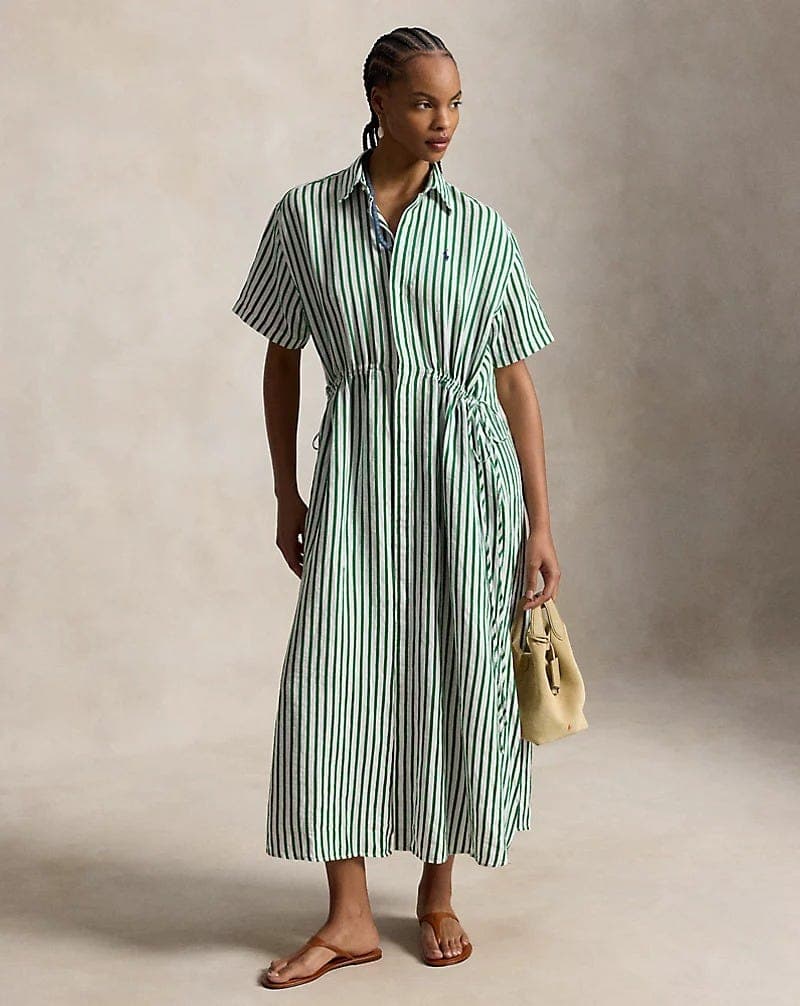
Barbara Palvin’s jelly sandals make capri pants feel chic again
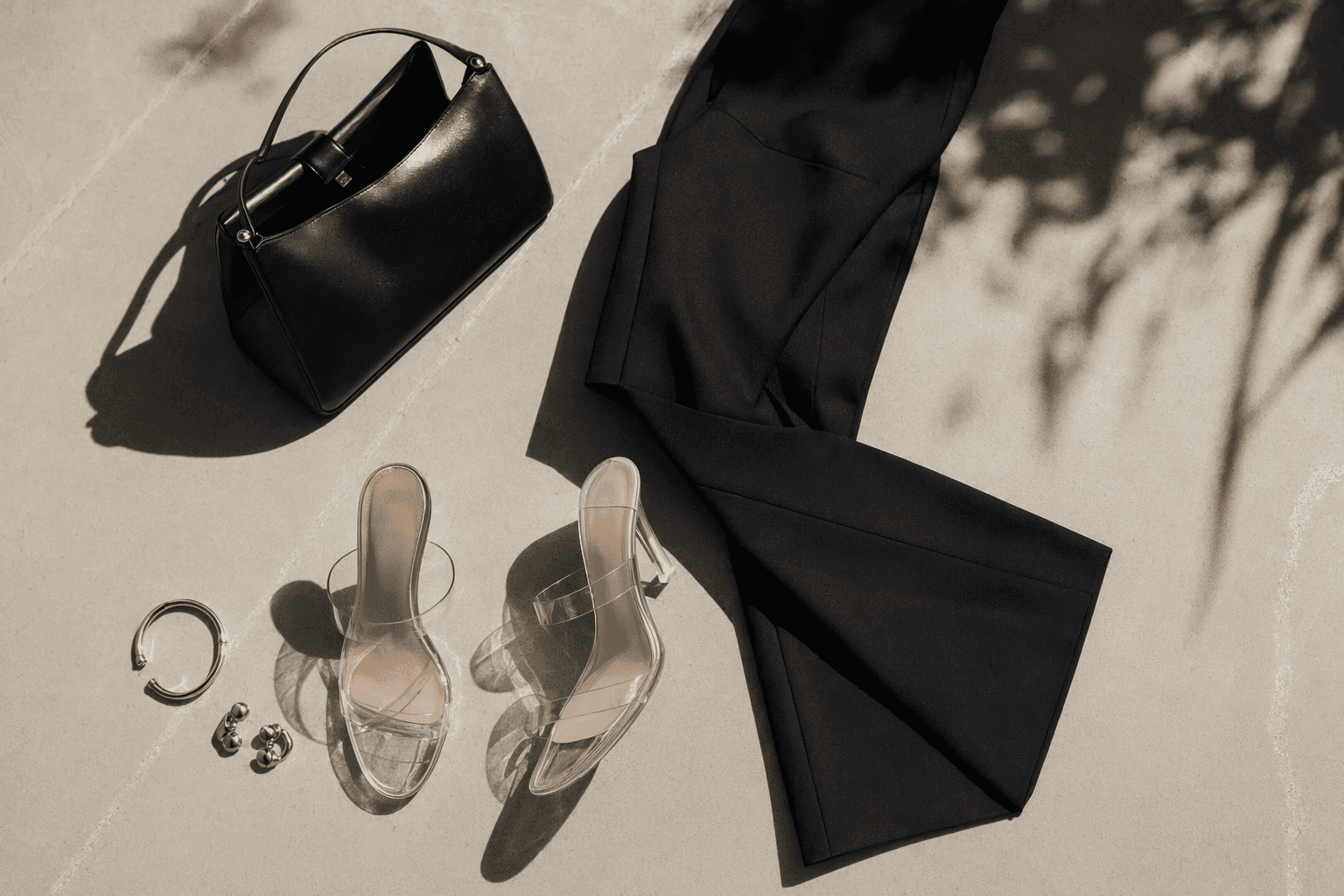
Barbara Palvin’s clear jelly heels turn capri pants into a sharp summer uniform, proving the shoe can read more polished than playful.
A polished reset for summer shoes
Barbara Palvin Sprouse makes the strongest case for jelly sandals when she wears them like punctuation, not costume. In Cannes, France, the clear kitten-heel version reads less like a throwback and more like a capsule wardrobe recalibration, especially paired with tailored capri pants. The result is unexpectedly polished: a shoe that once signaled poolside fun now works as a playful neutral, the kind that quietly updates everything around it.
That is exactly why the look matters now. Jelly sandals are already appearing on the streets of New York City, on beaches in Los Angeles, and in Cannes hotel lobbies, while capri trousers are gaining momentum and look set to stay relevant for the rest of 2026. Put the two together and you get a styling formula that feels current without trying too hard, which is the real prize in summer dressing.
Why this pairing feels so right
The magic is in the contrast. Clear jelly heels have all the lightness of a bare sandal, but the molded PVC finish gives them a faint gloss that catches the light in a way leather never quite does. Tailored capri pants, by contrast, bring structure and a little discipline, skimming the leg and stopping at that exact point where the ankle suddenly becomes interesting again.
Palvin’s age makes the appeal even broader. Born on October 8, 1993, she is 32 in May 2026, and the look feels as convincing on her as it would on someone in her twenties or forties because the styling does the hard work. The capri length keeps the outfit sharp, while the jelly heel adds just enough irreverence to stop it from looking like officewear dressed up for dinner.
This is not a one-off celebrity quirk either. Who What Wear identified jelly shoes as one of six key shoe trends for summer 2026, and recent fashion coverage has framed their return as part of a larger nostalgia cycle, the so-called kidult mood that lets grown-up wardrobes borrow a little delight from childhood. Jelly shoes were already a major fad in the 1980s and 1990s, then came back again and again from the late 1990s onward. The latest version feels smarter because it is less about novelty and more about utility.
What to swap them in for
If your summer shoe lineup is already built around flat thong sandals, overly delicate heeled mules, and one too many dressy metallic pairs, jelly sandals earn a place as the fresher option. They are especially useful when you want something softer than a slingback but more considered than a flip-flop. The clear kitten-heel version works best when the day starts casual and ends somewhere that calls for a bit more intention.
- Swap them in for basic flat sandals when your outfit needs a little height and polish.
- Swap them in for stiff pumps when you want a summer shoe that feels lighter under tailored hems.
- Swap them in for overly fussy heels when the clothes themselves already have enough structure.
The key is to think of them as a replacement, not an extra. In a capsule wardrobe, the best additions earn their rack space by doing multiple jobs, and jelly sandals do that when they bridge casual and dressed-up looks in one step.
How to keep them grown-up, not juvenile
The easiest way to make jelly sandals look sophisticated is to let the rest of the outfit do its job. Tailored capri pants are the cleanest partner because they sharpen the shoe’s sweetness, but the same logic works with crisp pleated shorts, narrow cigarette trousers, or a sleeveless sheath with a strong line. The silhouette should feel deliberate, almost edited, so the sandal reads as a smart interruption rather than the main event.
Color matters, too. Clear or nearly clear jelly heels behave like a neutral, which is why they feel so modern in Palvin’s Cannes look. Avoid anything too candy-bright or embellished with charms and glitter if you want the pair to act as a capsule piece; the more restrained the shoe, the more it can move between outfits without tipping into novelty.
A few styling rules keep the balance right:
- Choose sleeker shapes over chunky soles.
- Keep the pant hem crisp and intentional, especially with capris.
- Favor tailored tops, sculpted tanks, or precise shirting over oversized, floaty layers.
- Let one detail feel playful, not all of them at once.
That last point is the difference between chic and costume. Jelly sandals already carry enough personality, so the clothes should bring clarity rather than competition.
The practical catch, and how to wear them well
There is one reason this trend needs a grown-up editor’s eye: jelly shoes are typically made of PVC, which is not breathable. Worn for long stretches, they can make feet sweat and feel hot, and podiatry coverage warns that the material can contribute to chafing, blisters, slipping, and even foot fungus if the shoe is worn too often or too long. That does not make the trend impractical, but it does make styling and timing matter.
The smartest approach is to treat them like a polished summer accent, not an all-day walking shoe. They make the most sense for lunches, short city outings, hotel dinners, beach-to-brunch dressing, and occasions where you will actually appreciate the glossy finish. In other words, they are best when the outfit needs a finishing touch, not when the itinerary demands marathon comfort.
That is what gives Palvin’s Cannes look its staying power. The sandals are not trying to be serious, but they still read as composed; the capri pants are not trying to be retro, but they still feel fresh. Together they make a strong case for a summer wardrobe that is a little more versatile, a little more wearable, and a lot more interesting than the usual rotation of safe sandals.
This article was produced by Prism’s automated news system from verified source data, official records, and press releases, then run through automated quality and moderation checks before publishing. The system is built and supervised by the people who set the standards it runs under. Read our full AI policy.
Did this article answer your question?