Betsy Johnson reworks uniforms and sportswear in viral AW26 debut
Betsy Johnson's AW26 debut turns uniforms into a capsule wardrobe formula: parkas, polos and tracksuits, stripped of logos and built to be rewritten.
A uniform built for real life
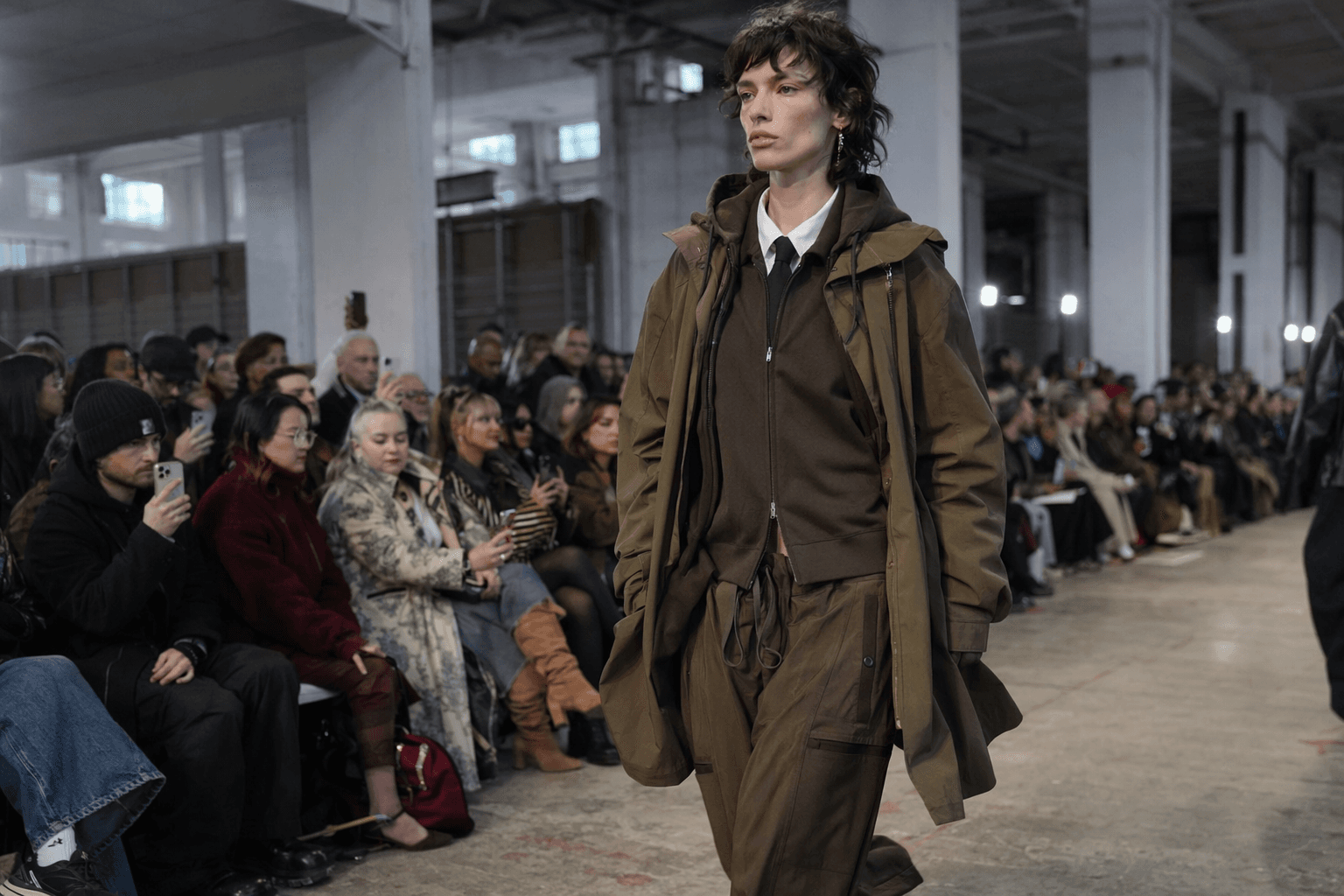
Betsy Johnson’s AW26 debut made its point fast: the clothes were not interested in costume, only in usefulness. Staged off-schedule during Paris Fashion Week at Théâtre du Châtelet, the show unfolded in collaboration with Lyas’ LA Watch Party concept, where a 2,000-strong crowd watched as a giant screen rose into the rafters and revealed the live runway beneath it. That theatrical lift matched the clothes themselves, which took uniforms, sportswear and working-class references and turned them into something quieter, sharper and far more wearable.
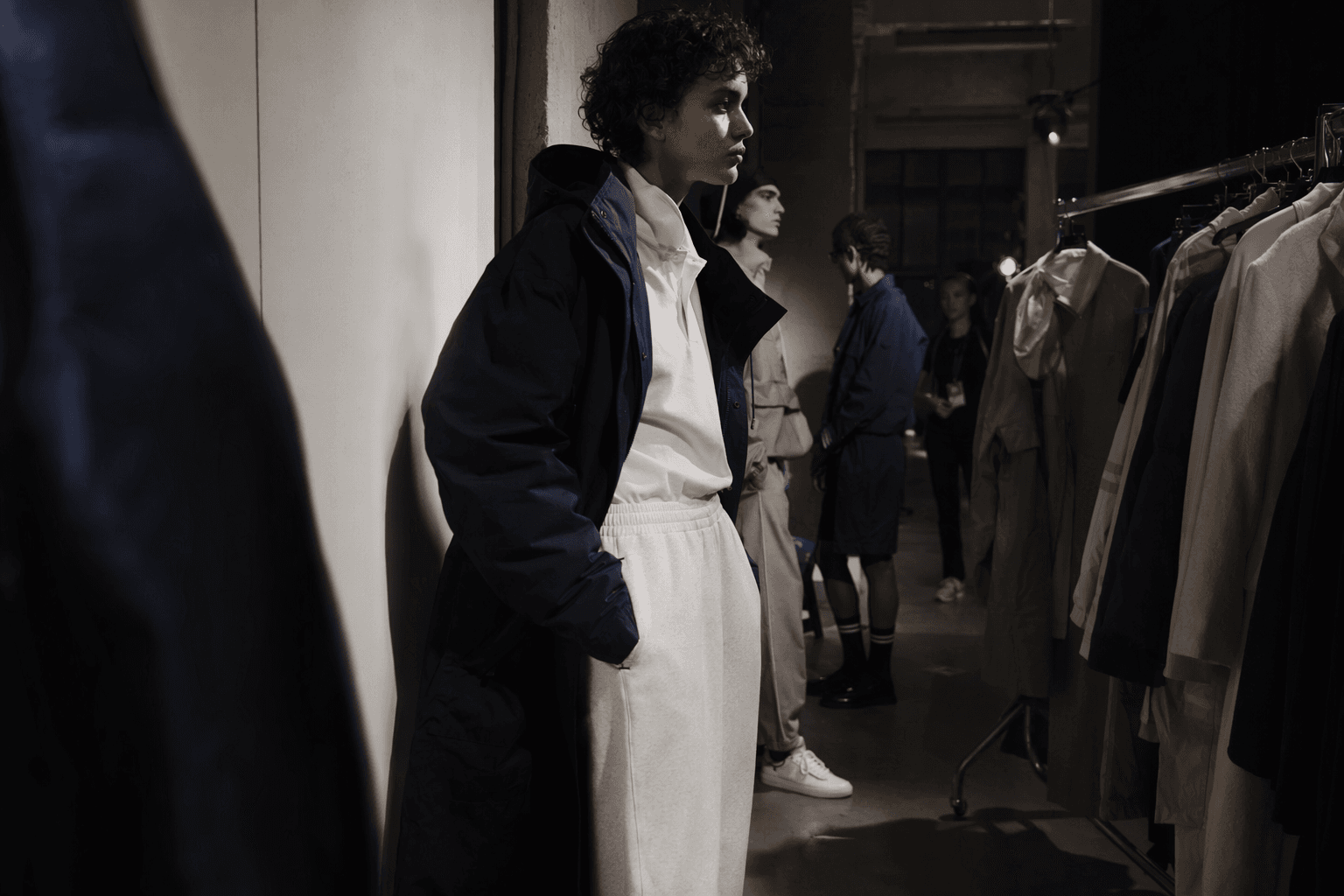
The collection was built around a simple but persuasive idea: clothes can be a system, not a one-off moment. Johnson said the project began in January 2024, and the title, Uniform, was chosen both to avoid a namesake brand and to carry the word’s deeper meanings, from community to the politics of control. That matters for a capsule wardrobe, because it shifts the conversation away from statement dressing and toward repeat wear, where consistency is the real luxury.
Why this collection feels useful now
Johnson rooted the collection in her upbringing in Grimsby, drawing on the visual language of football culture, small-town dress, religion, rebellion and family photos. She also said the fabrics were sourced from Grimsby, which gives the clothes a local texture that feels lived-in rather than mood-boarded. The result is a wardrobe proposition with real legs: garments that come from a specific place, but are designed to travel.
The deeper appeal is in Johnson’s rejection of logos and branding. Instead of using clothing as a billboard, she treats it as a surface the wearer can claim. That makes this collection especially relevant to anyone building a capsule wardrobe, because the strongest pieces are often the least over-determined ones, the garments that can absorb your own style instead of announcing someone else’s.
The pieces to keep in rotation
Parkas
The parka is the clearest capsule anchor in the collection. Reworked here through a working-class lens, it carries the practical weight of outerwear without the stiffness of a formal coat, which is exactly why it earns its place in a smaller wardrobe. A good parka can move from weekday weather protection to a more polished evening layer, especially when it is stripped of loud branding and built with a utilitarian hand.
What makes Johnson’s version compelling is its refusal to romanticize utility. It reads as clothing for movement, not performance, which means it can sit comfortably over tailoring or softened casual separates without dominating them.
Polos
The polo brings structure without severity. In Johnson’s hands, it is part sportswear, part uniform, part everyday base layer, the kind of piece that can sharpen denim, relax a suit or anchor a more minimal wardrobe around the collar alone. It is also one of the easiest ways to make sportswear feel adult, because the shape carries discipline even when the fabric stays easy.
For capsule dressing, that balance is the point. A strong polo gives you the clean lines of tailoring with the comfort of leisurewear, which is why it can work harder than a T-shirt without feeling precious.
Tracksuits
The tracksuit, often the first thing to tip into lazy dressing, gets a better argument here. Johnson’s version leans into pared-back sportswear codes, which means it reads less as weekend shorthand and more as a modern set of separates you can break apart and reassemble. Worn well, it becomes the kind of long-wear staple that can handle travel, off-duty days and low-key social plans without losing shape.
That flexibility is what keeps it from feeling like a trend piece. A thoughtful tracksuit does not just say comfort, it says continuity, and continuity is what gives a capsule wardrobe its backbone.
What to wear, and what to skip
The strongest lesson from Uniform is that the best capsule pieces do not need excessive styling to prove they belong. Keep the focus on utilitarian shapes, sport-inflected tailoring and fabric with some visual history, especially when the surface already carries the weight of upcycled or sourced material. Johnson’s collection makes a convincing case for clothes that look better the more they are worn, not the more they are explained.
Skip anything that treats sportswear like novelty. Johnson’s work is persuasive because it resists gimmickry, from branding to over-decorated surface detail, and instead asks clothes to do the quieter job of structuring a life. A capsule wardrobe built from that thinking would favour clean lines, repeatable silhouettes and pieces that can take on more than one role in a week.
Why the presentation mattered as much as the clothes
The speed of the show only sharpened the message. Johnson and Lyas reportedly decided to stage the presentation just eight days beforehand, with no rehearsal, yet the result still felt deliberate, helped along by sound from Michel Gaubert and hair by Charlie Le Mindu. That tension between spontaneity and discipline echoed the collection itself, which took familiar codes and made them feel newly charged.
Johnson has described Uniform as something repeatable rather than singular, and that is the real takeaway for capsule wardrobes. These are clothes meant to be worn, reworn and interpreted, not archived after one dramatic outing. In a season crowded with spectacle, Johnson’s smartest move was to make utility feel personal, and that is the kind of fashion logic that lasts well beyond the viral moment.
Know something we missed? Have a correction or additional information?
Submit a Tip