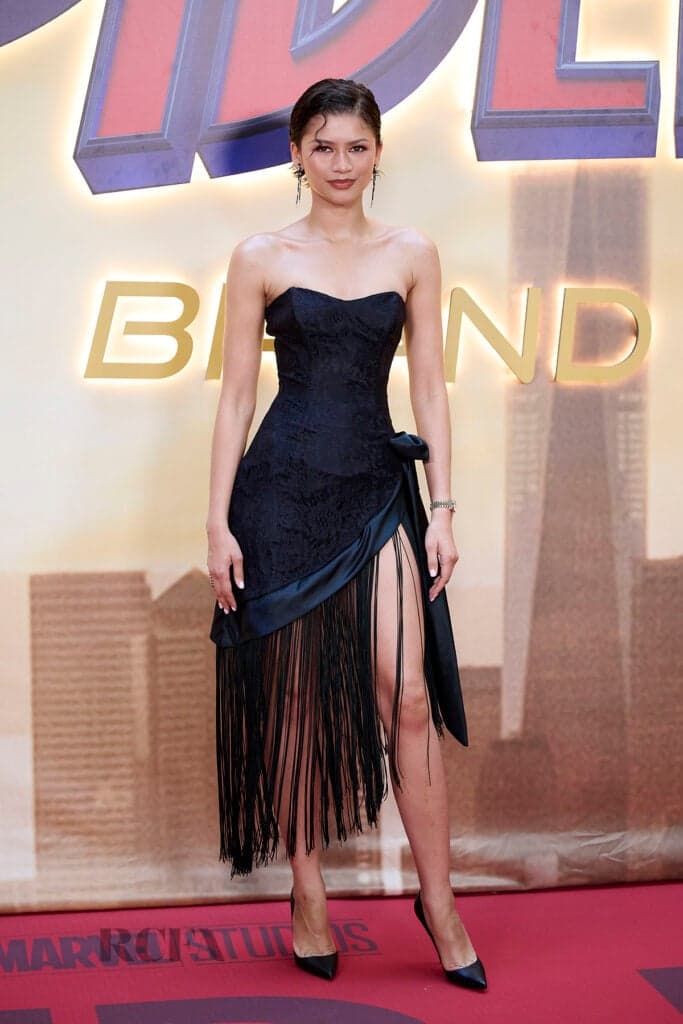
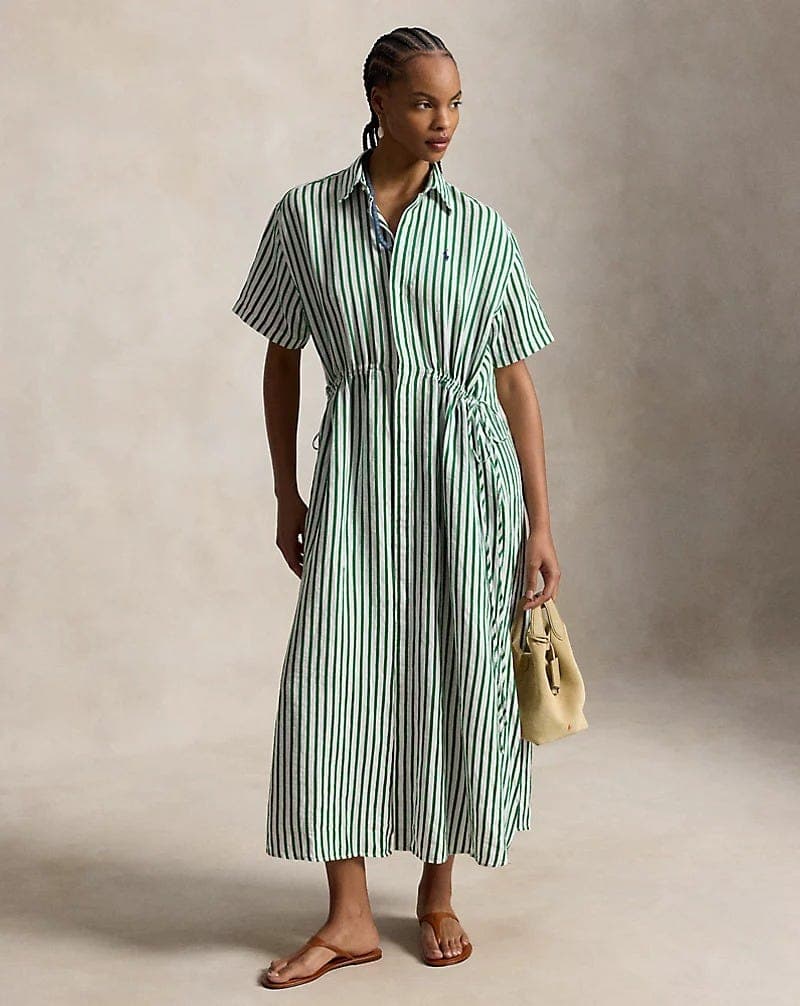
Bobby Schuessler’s five-piece capsule for polished business casual
Bobby Schuessler’s edit trims business casual to five pieces and cuts out sneakers, turning office dressing into a sharp, repeatable uniform.
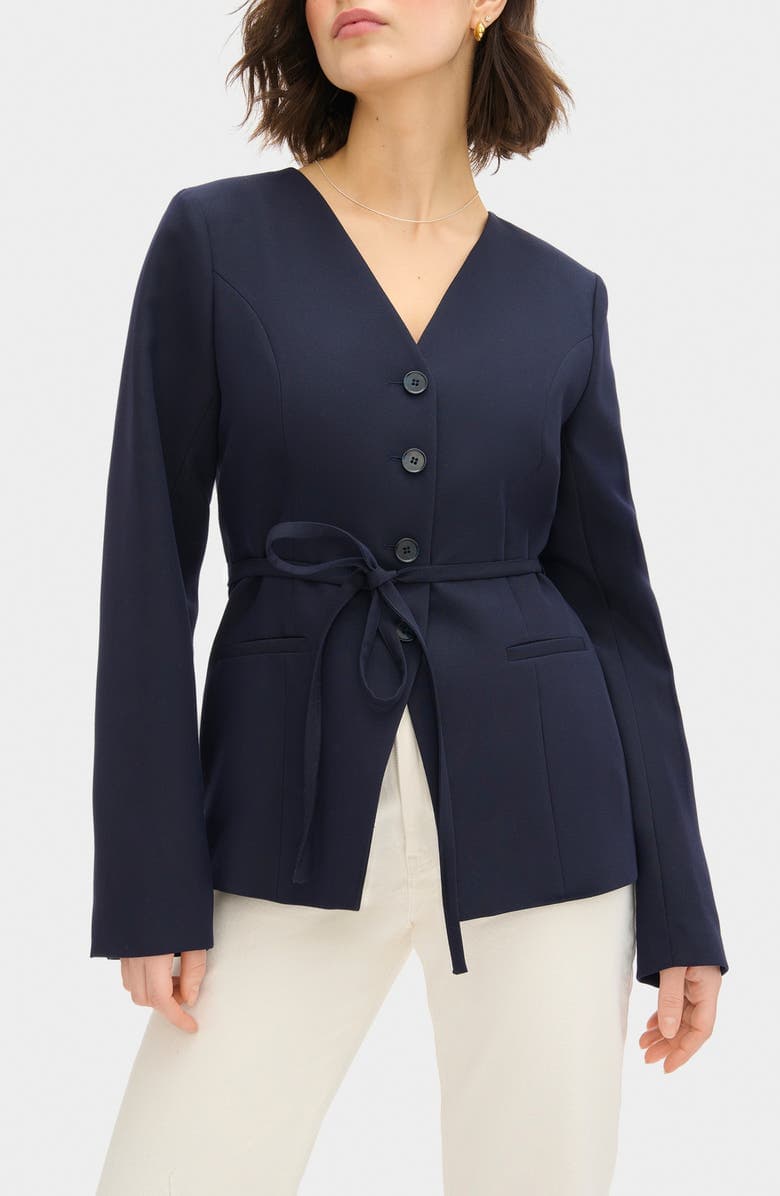
A blazer, a button-up shirt, polished bottoms, a cardigan or light sweater, and leather shoes are enough to build a full workweek of outfits without crowding your closet. That is the appeal of Bobby Schuessler’s five-piece capsule: it treats business casual like a system, not a shopping spree, and makes a clear case against the sneaker-heavy drift that has muddied office dress codes.
The blazer: the piece that does the heavy lifting
Start with the blazer, because it does the most visual work. In a business-casual wardrobe, it is the instant signal that says polished, even when the rest of the outfit stays relaxed enough for hybrid work and long desk days. The best version has structure in the shoulders, enough room through the body to layer over a shirt or fine-knit, and a fabric with enough body to hold its shape from Monday morning to Friday afternoon.
That’s also why this capsule feels so current. Business casual remains an ambiguously defined Western dress code, and it grew out of the move away from traditional business wear in white-collar workplaces. A blazer solves that uncertainty fast: it gives shape to dark-wash jeans, trousers, or even a midi skirt, which is exactly the kind of practical flexibility Who What Wear builds into its business-casual formula.
The button-up shirt: the clean middle layer that makes everything else look intentional
The button-up shirt is the capsule’s quiet hero. Crisp cotton reads sharp, but a softer poplin or a lightly brushed fabric can feel less corporate while still looking office-ready. Worn open under a blazer or buttoned to the top, it gives the whole look a sense of control, which matters when dress codes are vague and expectations change by company, industry, and location.

This is where the anti-overbuy logic really pays off. One shirt can anchor the entire week: tucked into trousers on one day, half-tucked into dark denim on another, layered under a cardigan when the air-conditioning is icy, then worn alone with polished bottoms when the day calls for less structure. It is the kind of piece that does not ask for attention, but makes every other piece look more considered.
The polished bottoms: trousers, dark denim, or a midi skirt, but always with discipline
Polished bottoms are what keep the capsule from slipping into casual territory. Who What Wear’s take is practical and specific: dark-wash jeans, trousers, or a midi skirt all fit the business-casual frame, as long as they read neat rather than sloppy. In other words, this is not about formal suiting so much as controlled ease.
The modern office has made that balance more important, not less. International Workplace Group’s Workwear Reimagined research found that Gen Z and millennials are especially likely to build unofficial work uniforms for in-office days, which makes sense when flexibility is now part of the job description. A strong pair of trousers or dark denim gives you repeatability without looking repetitive, and that is the real efficiency here: one bottom can be styled many ways, while still looking like it belongs in a meeting.
The cardigan or light sweater: the softness that keeps the formula wearable
If the blazer supplies structure, the cardigan or light sweater supplies relief. This is the piece that makes business casual feel lived-in rather than stiff, especially when layered over a shirt collar or slipped under a jacket for a double layer that still looks neat. The right knit should skim the body, not cling, with enough polish in the yarn that it reads intentional instead of leftover.
This layer also speaks to why office dressing has become less rigid. Monster’s 2025 workplace dress-code poll found that 57% of employees reported having a dress code, and among them 63% said their office leans business casual. When that many workplaces are already living in the middle ground, a cardigan becomes the wardrobe bridge between tailored and comfortable, especially for people who want repeatable outfits without defaulting to a suit.
The leather shoes: the finishing touch that defines the whole dress code
Leather shoes are what keep the capsule anchored in business casual rather than office-adjacent athleisure. Loafers, flats, or a low heel give the outfit its clean finish, and the material matters: leather sharpens everything around it, whether you are wearing trousers, a midi skirt, or dark jeans. This is the detail that makes the capsule feel deliberate from head to toe.
Schuessler’s stance is especially clear here because he leaves sneakers out entirely, which gives the capsule a point of view. That exclusion is not universal, though it is increasingly debated. Some workplace style guides allow sneakers only in more casual offices, and only if they are clean, low-profile, and paired with tailored pieces; others still place them outside the traditional business-casual uniform. That tension is exactly why the anti-sneaker position lands: it removes guesswork and makes the whole wardrobe easier to repeat.
The larger picture backs up the appeal. A 2024 survey cited in business coverage said 54% of employers had a business-casual dress code and 43% had a casual dress code, while Monster found that 45% of workers would choose business casual if given the choice. Casual office dressing is no longer a fringe habit; it is the dominant language of workwear. Schuessler’s five-piece capsule simply edits that language down to its most useful sentence, and in a closet full of options, that kind of clarity is the real luxury.
This article was produced by Prism’s automated news system from verified source data, official records, and press releases, then run through automated quality and moderation checks before publishing. The system is built and supervised by the people who set the standards it runs under. Read our full AI policy.
Did this article answer your question?