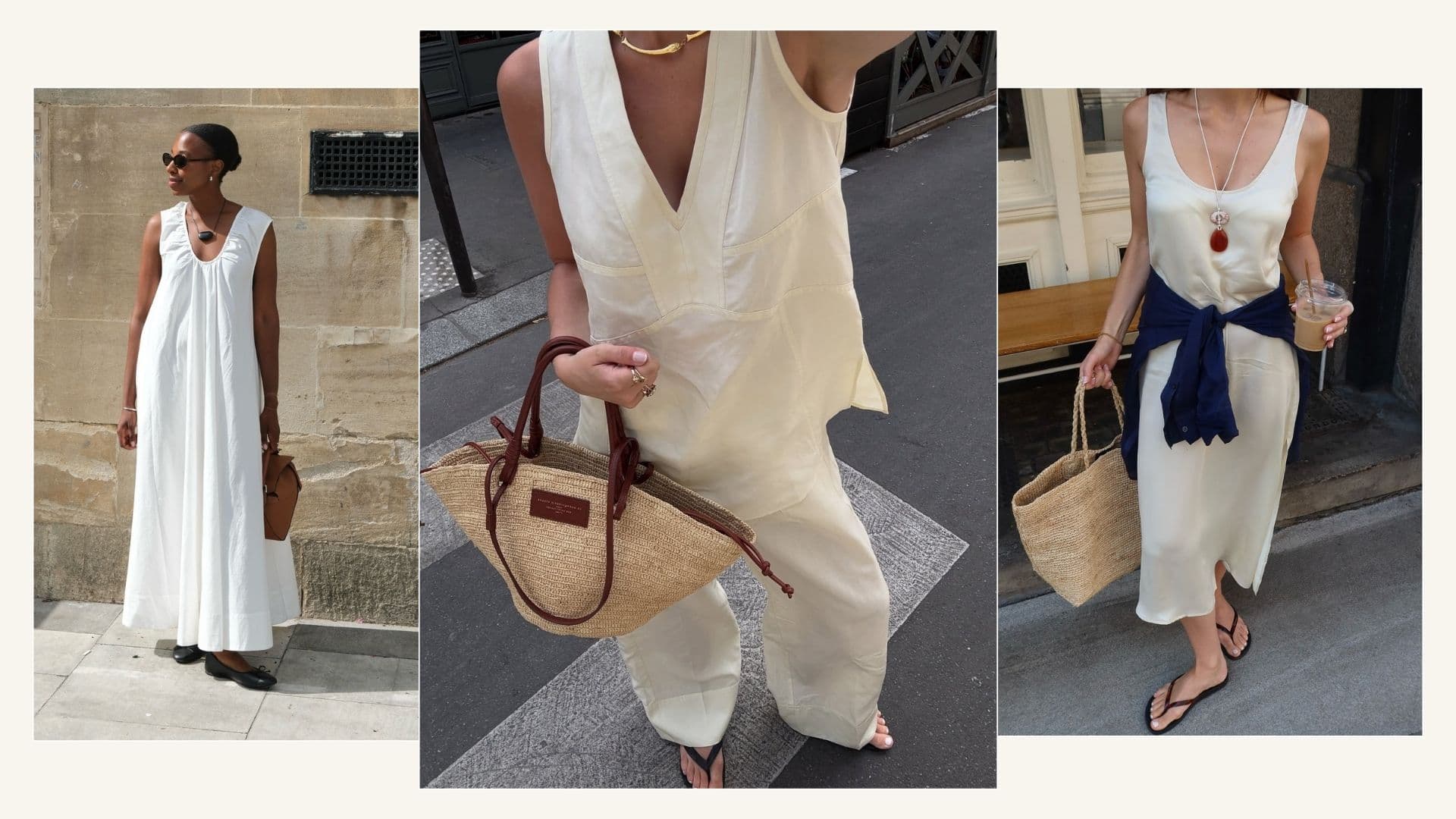
Build a Complete Spring Capsule Wardrobe Entirely From Thrifted Finds
Thrifting your entire spring wardrobe is more achievable than you think, and the secondhand market's explosive growth means your options have never been better.
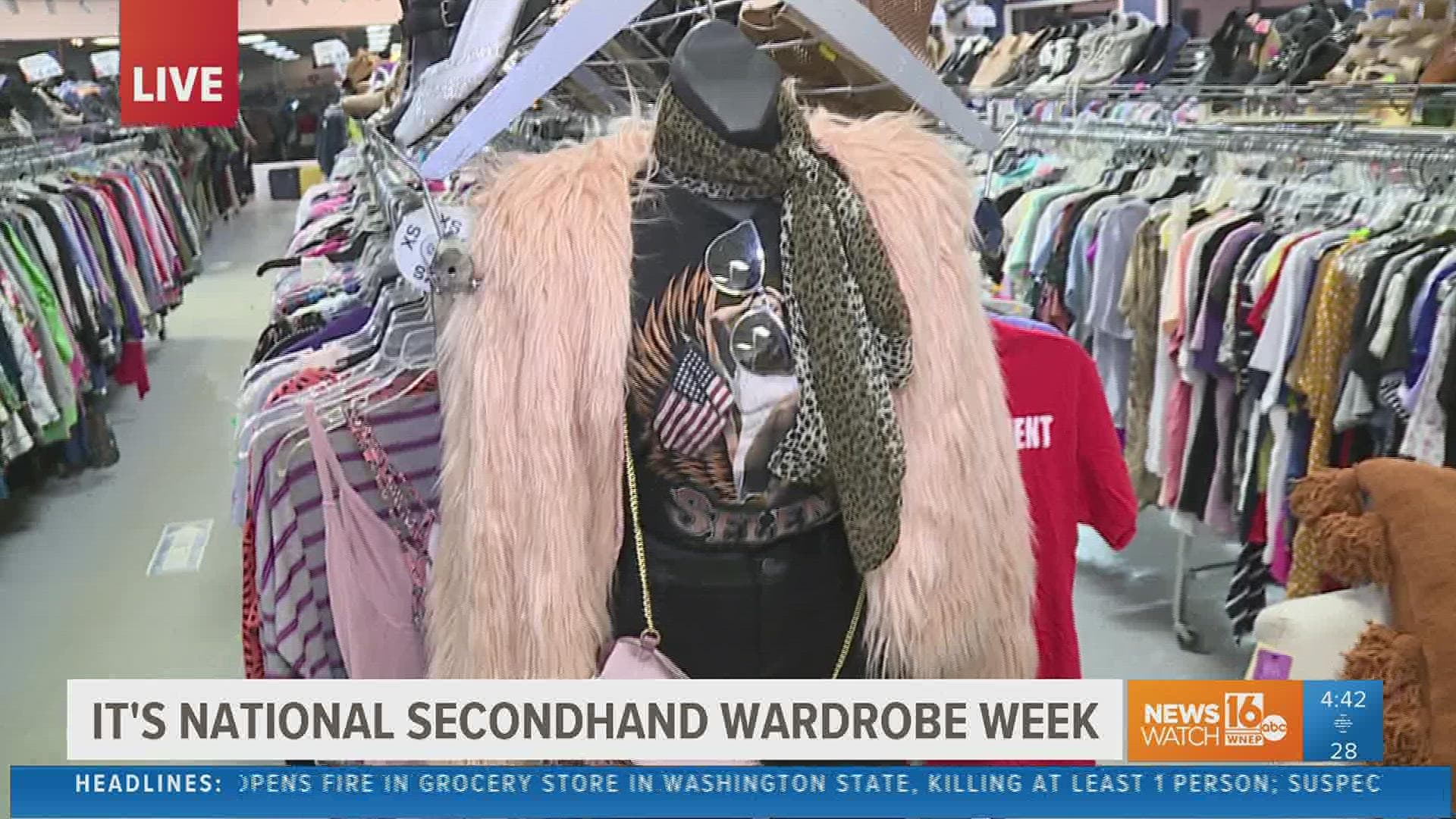
Your spring wardrobe doesn't have to start at retail. The secondhand market has grown into one of the most dynamic corners of fashion, and for anyone building a capsule wardrobe with intention, that shift changes everything about how you shop for the season.
The resale market is no longer a footnote in the fashion industry's story. It has become a main chapter. Secondhand apparel is projected to nearly double the size of fast fashion within the next decade, driven by a generation of shoppers who understand that a silk blouse at a thrift store and a silk blouse on a department store rack are, functionally, the same garment. The difference is price, provenance, and the quiet satisfaction of knowing you found something. Building a spring capsule entirely from thrifted and resale sources is not a compromise. It is, increasingly, the sharper choice.
Why Spring Is the Ideal Season to Build a Thrifted Capsule
Spring is the most forgiving season for secondhand shopping, and that is not a coincidence. The category reset that happens between February and April, when people clear out winter wardrobes and donate in bulk, means thrift store floors and resale platforms are flooded with exactly the kind of lightweight, transitional pieces a spring capsule demands. Linen trousers, cotton blazers, wrap dresses, trench coats in camel and cream: these items cycle through the secondhand market with remarkable regularity. The timing of this guide aligns precisely with that window. If you are going to do this, now is the moment to move.
The Foundation: What a Spring Capsule Actually Needs
Before you thrift a single item, understand what you are building toward. A functional spring capsule is not a collection of individual pieces you love in isolation. It is a system where every item earns its place by working with at least three others. For spring specifically, that means solving for layering (the mornings are still cold), occasion range (weekend errands through after-work drinks), and fabric weight (nothing too heavy, nothing so sheer it only functions in July).
A well-constructed spring capsule typically centers on:
- A neutral-ground blazer that can dress up trousers or tone down a floral slip dress
- Two or three tops that rotate across both casual and slightly dressed settings
- One pair of well-cut trousers in a mid-weight fabric, ivory, stone, or soft grey
- A dress that works with flat sandals and also with a heel
- A denim piece, whether a jacket or a straight-leg jean, that anchors the casual end of the wardrobe
- One transitional layer, a trench, a longline cardigan, or a lightweight coat
The thrift market can deliver every single one of these. The key is knowing what to prioritize when you find it.
How to Thrift With a Capsule Framework in Mind
Purposeless thrifting produces a closet full of interesting individual pieces that never quite work together. Capsule thrifting requires a different posture. You are not browsing for what catches your eye; you are sourcing specific roles in a defined wardrobe system.
Start by anchoring your palette before you walk into a store or open a resale app. Spring capsules built around two or three neutrals with one accent color are the most versatile and the easiest to build secondhand, where you cannot control what arrives. Cream, stone, and a single dusty tone like sage or terracotta will give you a palette that photographs well, travels easily, and ages gracefully across the season.

When you are physically thrifting, work the blazer and outerwear sections first. These pieces take the longest to find in good condition and right sizing, and they anchor everything else. Once you have your layering piece, the rest of the capsule becomes easier to fill around it. Tops and dresses move through thrift stores quickly and in high volume; trousers require more patience but are reliably available in resale platforms with size filtering.
For online resale, platforms with robust filtering by size, color, and condition make capsule-building systematic rather than serendipitous. Search by garment type and narrow by color palette before you assess individual listings. Condition matters: look for listings that specify "excellent" or "like new" for any structured pieces, blazers, trousers, outerwear, where wear shows most obviously. For softer pieces like knits, cotton tees, or jersey dresses, "good" condition is typically fine and often comes at a lower price point.
The Quality Signals Worth Knowing
One of the genuine advantages of building a capsule from thrifted and resale sources is that the secondhand market skews toward older, better-made garments. Fast fashion from the last decade is rarely worth buying secondhand because it was not built to last through one owner, let alone two. What the resale market offers in abundance, if you know what to look for, are pieces made before the industry's quality floor dropped: heavier-weight fabrics, properly finished seams, functioning hardware, and natural fibers that hold their shape.
When you are assessing a potential capsule piece, check:
- Fabric composition: natural fibers (cotton, linen, silk, wool blends) hold up and photograph better than synthetics
- Seam finishing: overlock stitching or French seams signal a piece made to last
- Button quality: shell, horn, or heavy plastic buttons versus thin, lightweight ones indicate garment tier
- Lining in structured pieces: a well-lined blazer or trouser sits better on the body and resists wrinkling
These signals apply whether you are thrifting in-person or assessing photographs on a resale platform. Ask sellers for detail shots of seams, buttons, and fabric texture when buying online. Most are happy to provide them, and the ones who are not are telling you something.
Making It a System, Not a Shopping Trip
The difference between a capsule wardrobe and a full closet is intentionality. Once you have sourced your pieces, the final step is wearing them as a system: identifying which combinations you actually reach for, editing anything that does not pull its weight, and noting the gaps before next season. A thrifted capsule built with this framework costs a fraction of its retail equivalent and performs at the same level, often better, because every piece earned its place through deliberate selection rather than a single afternoon of impulse buying.
The secondhand market's growth means this approach will only become more refined and more accessible. The inventory is there. The platforms are better than they have ever been. The only thing left is knowing what you are looking for.
Know something we missed? Have a correction or additional information?
Submit a Tip