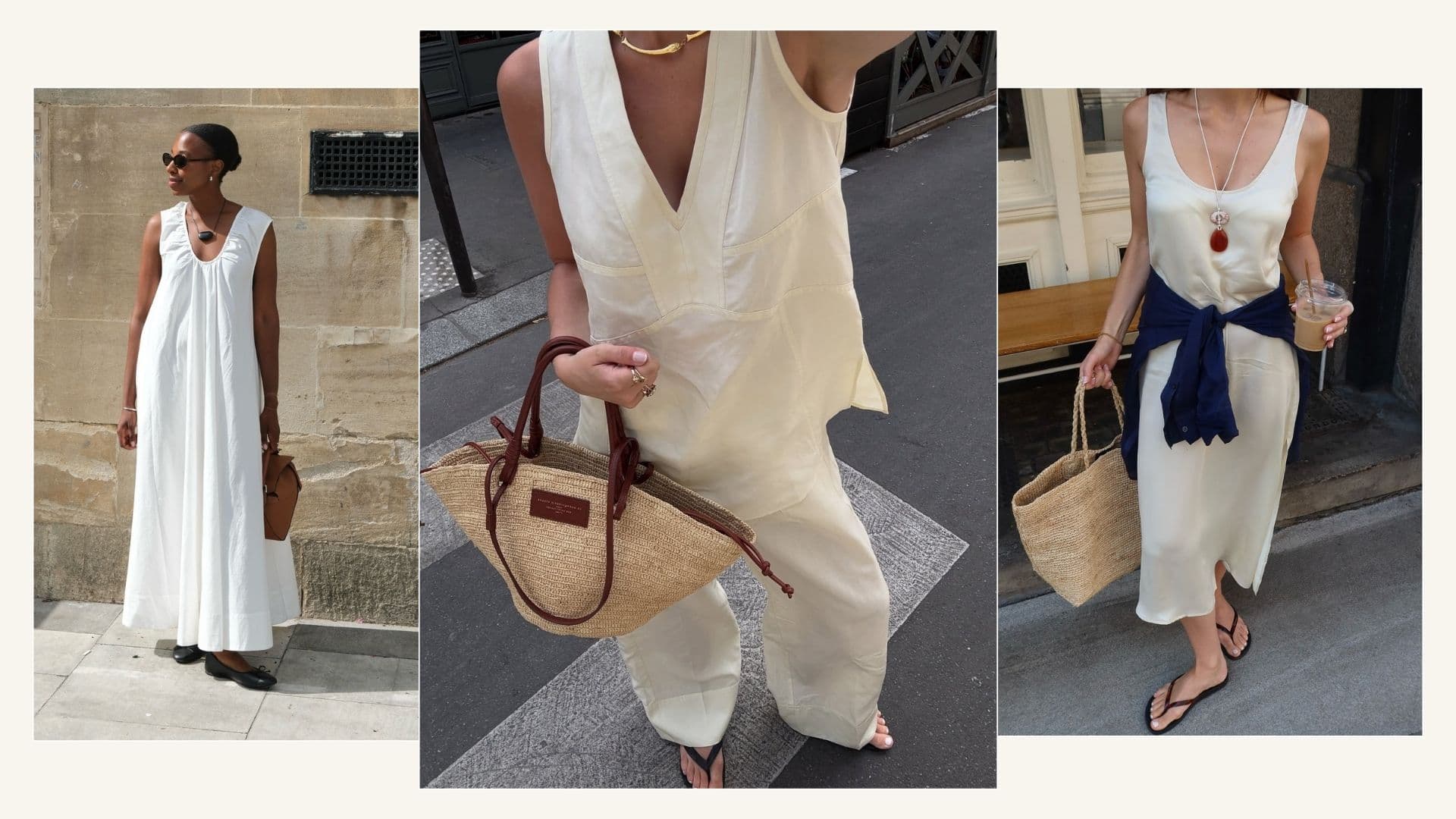
Build a Spring Capsule Wardrobe Inspired by Paul Klee's Color Palette
Paul Klee's 1926 palette of faded sage, warm yellow, and salmon gives your spring wardrobe a color logic that stops impulse buys before they start.
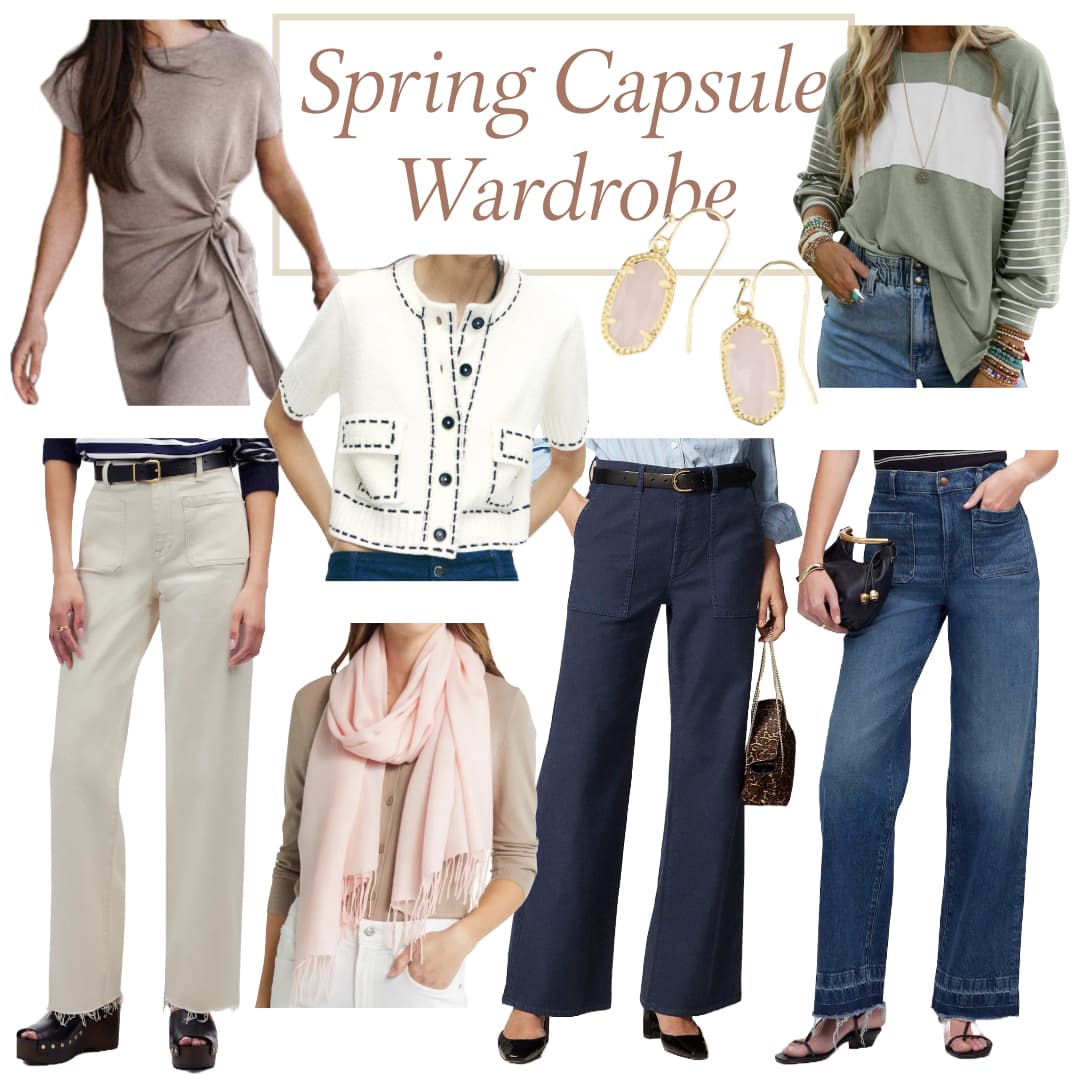
Why a Painter from 1926 Might Be the Best Wardrobe Editor You've Never Hired
Most spring wardrobes fail at the planning stage, not the shopping stage. You buy a melon top here, a sage linen shirt there, a yellow cardigan because it was on sale, and by June you have a closet full of colors that don't talk to each other. The fix is a constraint, and there is no better constraint than a painting.
Paul Klee's *Florentine Villas*, painted around 1926, is a study in disciplined color harmony. Klee builds the composition from angular, mosaic-like geometric forms, each tile of color tessellating into a warm Mediterranean whole: faded sage, soft yellow, salmon, melon, blush pink, and ivory. The palette is neither tropical nor washed-out neutral. It sits in a precise register of warmth, the kind of light you'd actually find filtering through Florentine shutters in May. Klee, who described his 1914 breakthrough in Tunisia by writing "Color and I are one. I am a painter," spent the rest of his career building color systems with near-scientific rigor. *Florentine Villas* is one of those systems made visible: a lesson in how a limited set of carefully chosen tones can feel simultaneously rich and restrained.
That is exactly the quality you want in a spring capsule wardrobe.
Reading the Palette
Before you buy a single item, sit with the painting. What the canvas gives you is a hierarchy: some colors dominate the composition, others accent it. In *Florentine Villas*, faded sage and ivory carry the weight. The yellows, salmons, and pinks arrive in smaller architectural blocks, like punctuation. That visual logic maps directly onto a wardrobe structure.
Your neutrals are faded sage and ivory/white. Your warm accents are yellow, melon, salmon, and soft pink. Everything you own this season should fall into one of those two categories. Crucially, there is no blue in this palette, not denim, not chambray, not even a dusty indigo. That single edit eliminates the single most common capsule-disrupting purchase.
Building the Capsule: Structure Before Shopping
A compact spring/summer daytime capsule built on this palette can run to around 23 garments while still covering a full season at a summer house, a weekend-to-weekend travel rotation, and enough layering options for genuinely changeable weather. The key is to resist the urge to start with silhouettes or trends. Start with the painting's proportions: roughly two-thirds of your pieces should anchor the palette in its neutrals (sage, ivory, white), and one-third should carry the accent colors (yellow, pink, melon, salmon).
Within that structure, prioritize multifunctional garments. A faded sage tank top works under a linen shirt, under a sweater, or alone. A white linen shirt layers over shorts for the farmer's market, tucks into crop pants for a drive home, and substitutes as a coverup at the beach. Every piece you buy should be able to play at least two different roles within the 23-piece system before it earns a place in the bag.
The Key Pieces
These are the workhorses:
- A faded sage sweater (L.L.Bean makes a reliable version in this color) and a matching faded sage tank top as a tonal layering pair
- A faded sage seersucker striped top for texture contrast within the neutral palette
- A white linen shirt (J.Crew's version is a consistent benchmark for weight and drape)
- Thyme crop pants as the anchor bottom, a deeper green-grey that reads as neutral against both ivory and sage tops
- A yellow cardigan (Alex Mill cuts one with the right muted warmth to match the Klee tone rather than trending toward neon) for transitional evenings
- A pink striped top and a salmon checked top for accent-color days
- Antique white shorts for high summer
- A linen skirt (Eileen Fisher) for occasions that need something other than trousers
Accessories follow the same palette logic: an Echo scarf in warm neutrals will bridge every combination. A market bag from Clare V. in natural canvas doubles as both a weekend carry and a travel tote. Footwear in white or warm tan (Steve Madden sandals, Earth sneakers) means your shoes never compete with your clothes.
Outfit Logic, Not Just Outfit Ideas
Rather than prescribing specific daily outfits, understand the three outfit archetypes this palette produces:
The first is the tonal sage look: faded sage sweater over faded sage tank top with thyme crop pants. It reads as intentional rather than matchy because the sage and thyme sit in the same color family but different values, the same visual logic Klee used when placing adjacent tiles of similar but distinct greens in the painting.
The second is the warm accent pop: white linen shirt open over a yellow top or salmon checked top, with antique white shorts or a linen skirt. The white shirt functions as a neutral frame, making the accent color underneath feel considered rather than loud.
The third is the travel outfit: white linen shirt worn closed, yellow cardigan on top, thyme crop pants, and sneakers. This is the combination that takes you from the summer house to the car to the city apartment and back without requiring a change. A Béis weekender bag holds everything else.
Seasonal Knitwear: The Packing Problem Solved
Changeable spring weather is the specific wardrobe problem this palette is engineered to solve. The answer is not to pack heavier clothes alongside lighter ones, but to pack knitwear that operates in the same color story. A yellow cardigan and a pink marled sweater add warmth without introducing new colors that disrupt the palette. A silver sand short-sleeve sweater from L.L.Bean works as either a lightweight layer over a tank or a standalone top on cool mornings. None of these pieces require their own coordination logic because they are already inside the painting's color system.
The practical packing rule: if a sweater or long-sleeved shirt cannot be worn with at least three other pieces already in the bag, it does not make the cut. The Klee palette makes this test easy to pass, because the neutrals are so compatible that almost any warm-toned knitwear in sage, ivory, yellow, or soft pink will pair naturally with everything else.
The 23-Piece Ceiling
Arriving at a summer house with 23 garments and feeling no lack is the proof-of-concept for palette-first dressing. When every piece shares a color logic, getting dressed stops being a combinatorial problem and becomes something closer to arrangement. The angular, graphic discipline of *Florentine Villas* translates directly: Klee did not reach for every color on his palette when composing each section of the painting. He chose from a curated set and repeated those choices with confidence. A wardrobe built on the same principle functions the same way. Fewer decisions, more intention, and a closet that looks, when you open it, like something worth looking at.
Know something we missed? Have a correction or additional information?
Submit a Tip