Build a Sustainable Capsule Wardrobe With Quality Over Quantity
Thirty-seven million tons of textile waste later, the case for a capsule wardrobe has never been more urgent or more stylish.
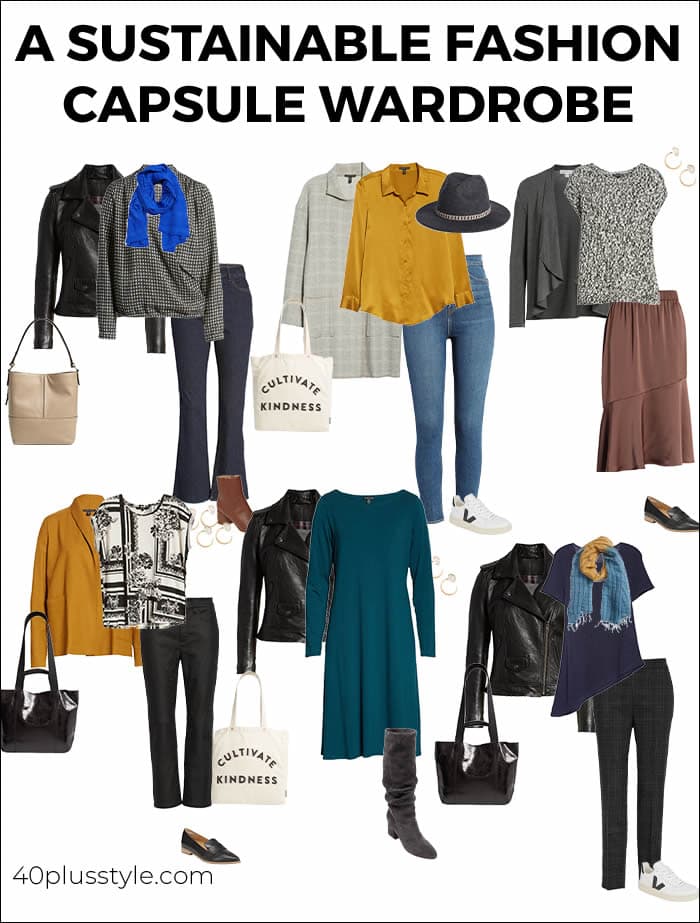
If you've ever stood in front of a wardrobe stuffed with clothes and still felt like you had nothing to wear, a capsule wardrobe with your own personal twist might be exactly what you need." Angela Milnes wrote that line for The Inspiration Edit, and it lands because every single one of us has lived it. The solution isn't more clothes. It's better ones.
The numbers alone should be enough to make you stop scrolling and start editing your closet. According to the United States Environmental Protection Agency, landfills received 11.3 million tons of municipal solid waste textiles in 2018 alone. The scale of that figure reflects decades of fast fashion conditioning us to buy more, wear less, and discard faster. Building a capsule wardrobe is a direct counter-move: fewer pieces, chosen deliberately, made to last.
What a Capsule Wardrobe Actually Is
The concept is deceptively simple. As Milnes describes it: "a carefully chosen collection of versatile clothing, filled with blank hoodies and timeless pieces that work together seamlessly, whilst personalising them to maintain your own unique style." The key word is seamlessly. Every item you own should be able to pull double or triple duty across seasons, occasions, and moods. It's a genuinely practical approach to dressing, and it happens to be kinder to the planet too.
Oliver Charles, whose sustainable knitwear brand has made the capsule philosophy central to its identity, frames the entry point simply: "Start with one cozy piece. Incorporate it into your weekly wear. If you pick something you love, you'll look forward to slipping it on each day." That psychological hook matters. A capsule wardrobe only works if you actually wear everything in it.
Start With Fabric, Not Silhouette
Before you think about what shapes you're buying, think about what they're made of. Milnes is direct on this point: "Look for items made from sustainable materials, organic cotton, wool, linen, and recycled fabrics. They tend to wear better over time, and you're not adding to the environmental mess that fast fashion leaves behind."
When researching brands, Oliver Charles advises considering the fabrics used, where the clothes are made, and whether the packaging is sustainable. These aren't just ethical checkboxes; they're practical quality indicators. A linen shirt cut from good fabric will soften and improve with every wash. Its polyester equivalent will pill and fade inside a season.
The Foundational Pieces
*The classic white shirt* sits at the top of almost every capsule list for good reason. As Milnes puts it, it's "possibly the most dependable item in anyone's wardrobe. Tuck it into trousers for work, leave it untucked over jeans at the weekend, layer it under a jumper in winter." The shoulder seam is the detail to get right first. If that doesn't sit properly, no amount of styling will fix it.
*High-quality jeans* are the next non-negotiable. Paired with the white shirt, a blazer, or a heavyweight knit, a well-cut pair of jeans in a dark indigo or clean black becomes genuinely multi-seasonal. Oliver Charles recommends sweaters, jeans, t-shirts, and a classic coat as the first pieces to invest in when building from scratch, and that short list is hard to argue with.
*Outerwear* is where most people underinvest and then pay twice. "A coat is one of those purchases where it really does pay to spend a bit more," Milnes writes. A trench, a pea coat, or a classic wool overcoat in a neutral shade will layer over virtually anything in your wardrobe. The math here is straightforward: "Buy something well-made once, look after it, and you won't need to replace it for a very long time." A quality wool overcoat bought at thirty could still be your best coat at fifty. No fast fashion alternative can make that claim.

*Hoodies* deserve a more serious seat at the capsule table than they typically get. The key is cut and weight. A structured, heavyweight blank hoodie in navy, grey, or off-white reads as intentional rather than accidental. It layers under a trench, over a white shirt, and holds its shape wash after wash in a way that cheap fleece never will.
*Footwear* follows the same logic as outerwear: spend more, buy less. "Shoes that hurt are shoes you won't wear, regardless of how good they look," Milnes writes plainly. A solid pair of trainers, ankle boots, or loafers in a neutral tone will go with most things in your wardrobe. For materials, look for leather or good-quality vegan alternatives; both age significantly better than cheaper synthetic options that crack and delaminate within a year.
The Accessories That Complete It
Accessories are where a capsule wardrobe gets its personality, and writer Milena Synek argues for two specifically. For footwear, she points to minimalist flats as a capsule essential, citing Either/Or's The Loafer and The Mary Jane as standout options. The Mary Jane sold through so fast it's currently being restocked.
For scarves, Synek is emphatic: "the silk scarf is the ultimate accessory for a chic capsule wardrobe. Scarves are some of the most versatile pieces out there. They add a punch of color to any outfit, or they can stand in as clothing items on their own." Silk Laundry's Expressionist Scarf and the Lost Flowers Black and White design are both worth noting as examples of what the right scarf can do aesthetically. A single silk scarf can re-contextualize the same white shirt across ten different outfits. That versatility-per-item ratio is exactly what capsule thinking is about.
The Cost-Per-Wear Argument
The sticker price on quality pieces can make people hesitate. Oliver Charles addresses this directly: "Items you fall head over heels with will likely cost more initially than cheaper fast fashion alternatives. However, buying one quality piece that's versatile means you'll likely have that piece for longer. If it's something you love, the cost per wear might make it cheaper in the long run. Plus, you'll reduce your carbon footprint."
Cost-per-wear is the only honest way to evaluate clothing. A $200 wool coat worn 150 times over five years costs $1.33 per wear. A $40 coat that falls apart after two seasons and 30 wears costs $1.33 per wear too, but lands in a landfill at the end of it. The math closes the argument.
How to Actually Build the Wardrobe
The practical approach is to resist the urge to overhaul everything at once. Start with one piece you genuinely love and build from there. Wear it constantly. Notice what it needs to become an outfit and buy that next. When researching what to buy, consider the fabric composition, the country of manufacture, and even the brand's packaging commitments. These details tell you whether a brand is genuinely invested in longevity or just using the right buzzwords.
The capsule wardrobe is not a trend. It's a corrective to the trend cycle itself, and the brands building it right, the ones working with responsible materials, transparent supply chains, and honest design, are the ones worth spending your money with.
This article was produced by Prism’s automated news system from verified source data, official records, and press releases, then run through automated quality and moderation checks before publishing. The system is built and supervised by the people who set the standards it runs under. Read our full AI policy.
Did this article answer your question?