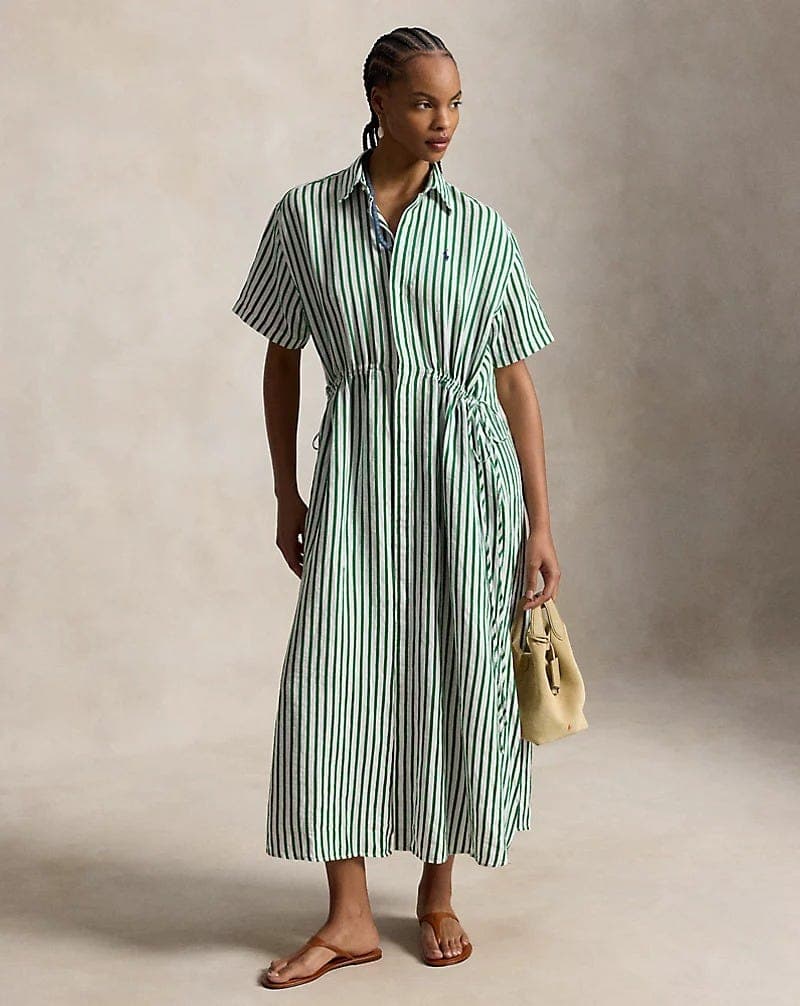
Bustle spotlights 15 investment staples for a smarter capsule wardrobe
Bustle's 15-piece edit makes the capsule-wardrobe case in full: fewer, better staples, higher cost-per-wear math, and enough polish to earn repeat outfits.
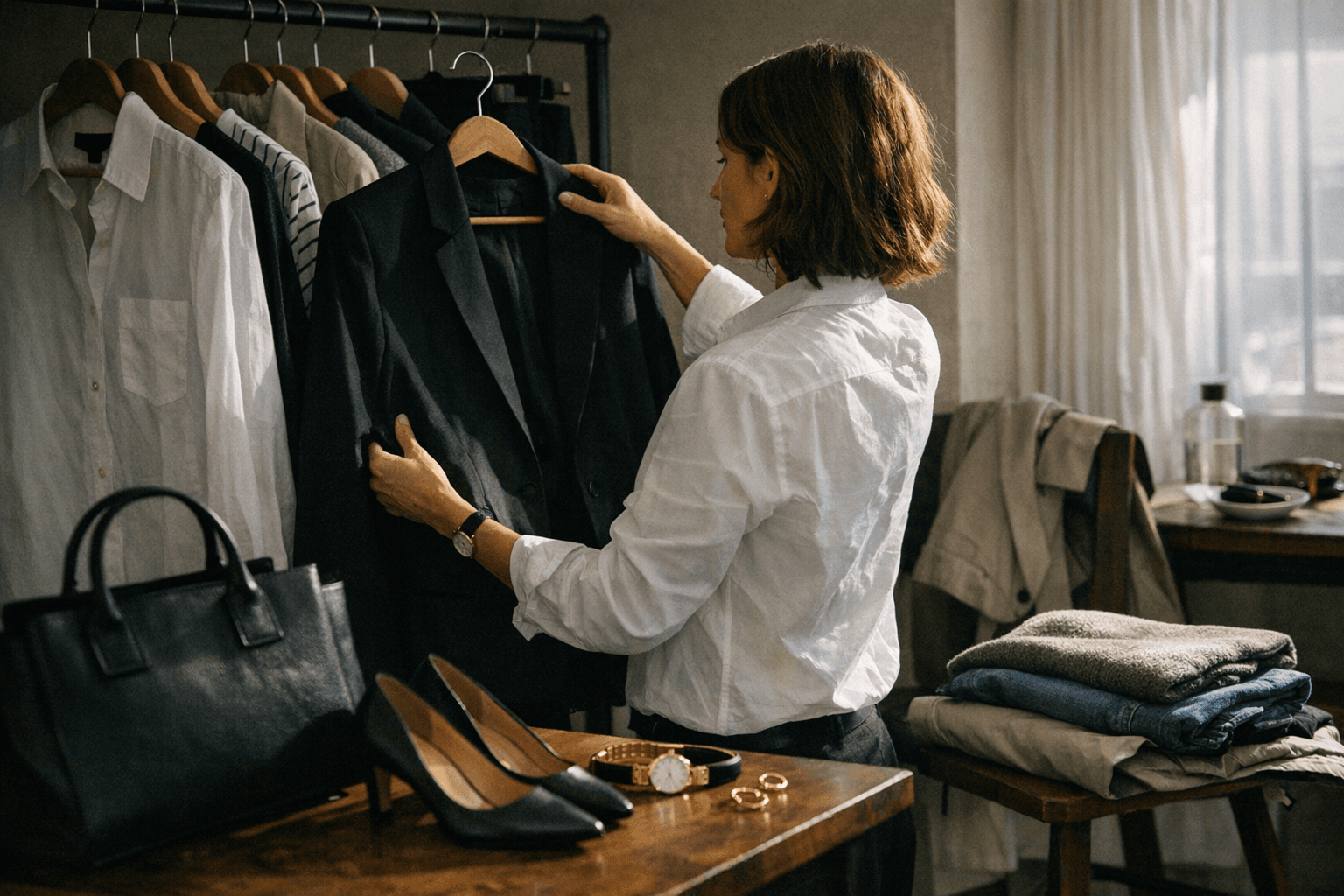
The case for fewer, better things
Bustle’s 15-piece edit lands at exactly the right pressure point: when you buy less, every choice has to work harder, look sharper, and last longer. The smartest pieces here are not precious in the museum sense, but in the wardrobe sense, the kind that can move through a workweek, a dinner, and a weekend without needing a personality change.
That logic sits neatly inside the sustainability conversation. The Ellen MacArthur Foundation says less than 1% of clothing material is recycled into new clothing, while the United Nations Environment Programme says the world produces about 92 million tonnes of textile waste a year, garment use has fallen by 36%, and clothing production doubled between 2000 and 2015. In that climate, a capsule wardrobe is less an aesthetic than a corrective.
It also has history on its side. Susie Faux is widely credited with coining the term capsule wardrobe in the 1970s, and Donna Karan’s 1985 Essentials line, seven wardrobe components designed to be mixed and matched, helped turn the idea into something modern women could actually live in. McKinsey & Company’s 2025 fashion outlook adds the commercial reality: low single-digit growth, a slowdown, and muted consumer confidence make durability and value feel less like ideals and more like requirements.
Tailored shirting
Tailored shirting is the capsule’s cleanest white space. It sharpens denim, steadies a skirt, and slips under tailoring without fighting for attention, which is why it earns a place even when trends are shouting elsewhere.
You should be able to wear it at least three ways without feeling repetitive: tucked into trousers, worn open over a cotton tank with jeans, and half-buttoned under a blazer with a silk slip skirt. Spend for fabric that holds its collar and feels crisp after a few wears, because limp shirting can make an entire outfit look underfed.
The silk slip dress
A silk slip dress is one of those rare pieces that can be dressed up, stripped back, or layered into something colder and more useful. Its appeal is in the tension between ease and polish, the soft skim of silk against the body and the sharpness that comes from pairing it with tougher layers.
It should work with a cashmere knit and ankle boots, with a blazer and a shoulder bag, and under a trench with loafers when the weather turns. This is where spending more matters, because cut and drape determine whether it looks languid or merely slithery.
The elevated shoulder bag
The elevated shoulder bag is the quiet workhorse that makes even simple clothes look deliberate. In a capsule wardrobe, the bag has to carry visual weight across tailoring, denim, and eveningwear, so structure and leather quality matter more than novelty.
You want it to work with straight-leg jeans and a tailored shirt, with the silk slip dress, and with a blazer and trousers when the whole look needs finishing. This is a category where the splurge often pays back, because good leather and hardware age visibly, while flimsy construction broadcasts itself quickly.
Cashmere knitwear
Cashmere earns its reputation by softening anything too crisp and elevating anything too basic. It is one of the clearest examples of a piece that should “wear in” rather than wear out, because a good knit becomes part of your rhythm by the second or third season.
Think of three repeatable uniforms: over tailored shirting with trousers, tucked into a midi skirt with boots, and thrown over a silk slip dress when the temperature drops. Here, quality matters, especially yarn density and resistance to pilling, but the silhouette can stay simple, since the luxury is already in the hand feel.
Leather outerwear
Leather is the kind of investment that changes the temperature of an outfit, literally and stylistically. A well-cut leather jacket or coat can make a white tee feel intentional, a dress feel grounded, and tailoring feel slightly less office-bound.
It should move easily between denim, a silk blouse, and a slip dress, which means the fit cannot be too precious or too oversized to the point of swallowing everything. Spend on supple leather and a cut that sits cleanly at the shoulder, because leather only looks expensive when it sits well.
Cotton tees and tanks
Cotton is the invisible architecture of a capsule wardrobe, and that is exactly why it deserves better than throwaway status. The right tee or tank gives structure to layering and stops the rest of the wardrobe from becoming overworked.
Wear one under a blazer, with straight-leg denim and the shoulder bag, or beneath a silk shirt to break up sheen with something matte. This is a place where you can save, provided the cotton is substantial and the neckline holds its shape, because the best basics are resilient, not precious.
Silk blouses
Silk blouses bring movement, light, and a little gloss without the formality of full dresswear. They bridge the gap between day and night with very little effort, which makes them especially useful in a smaller wardrobe.
You can pair one with denim, tuck it into tailored trousers, or layer it under a blazer when the capsule needs lift without adding volume. Spend for opacity and drape rather than decoration, because a beautifully cut silk blouse does more work than one buried in ruffles or unnecessary detail.
Tailored trousers
Tailored trousers are the piece that makes a capsule look edited instead of merely minimal. They give the wardrobe a spine, and their usefulness compounds when the cut is sharp enough to look polished with almost anything above the waist.
A strong pair should carry you through a shirting-and-loafers day, a cashmere-and-coat evening, and a silk blouse when the occasion gets a little more formal. This is an area where spending more often pays off, because hem length, rise, and drape are the difference between “fine” and truly flattering.
The blazer
The blazer is probably the most obvious investment, and still one of the most defensible. It can flatten a trend-driven outfit into something intelligent, or sharpen a very simple one into something finished.
Wear it over denim and a tee, over the silk slip dress, and with tailored trousers for a look that never feels stranded in one part of your life. Shoulder shape and lapel proportion matter enormously here, so this is a category where the budget should stretch if it has to.
Straight-leg denim
Straight-leg denim is the capsule’s democratic anchor, the piece that keeps everything else from feeling too rarefied. It works because it gives the wardrobe an everyday register, the kind that can absorb both polish and ease.
Three easy formulas prove the point: denim with tailored shirting, denim with cashmere, and denim with a blazer and loafers. This is where you can save a little more confidently than with a coat or bag, as long as the wash, rise, and leg line are right.
The trench coat
The trench coat is built for real life, which is why it remains one of the most persuasive investment buys. It solves transitional weather, but it also solves proportion, because its long line can pull together almost anything underneath.
Wear it over shirting and trousers, over a dress with loafers, or over knitwear and denim when the day calls for layers. This is not the place to economize too aggressively, because weatherproofing, lining, and construction are what allow the coat to do the long work.
Midi skirts
A midi skirt gives the capsule softness without sacrificing range. It can read tailored, romantic, or pragmatic depending on what you put with it, which is exactly the kind of flexibility a smarter wardrobe needs.
Try it with a cashmere knit and boots, with a silk blouse and heels, or with a tee and blazer for a sharper, day-to-night combination. Spend for fabric with body and movement, because a skirt that collapses on the body will never look as useful as one that keeps its line.
Everyday loafers
Loafers are the shoe equivalent of a well-edited closet, unfussy, dependable, and surprisingly transformative. They ground trousers, temper skirts, and make denim feel intentional in a way that trainers sometimes cannot.
They should work with the tailored trouser, the straight-leg jean, and the midi skirt, which means the silhouette needs to be classic enough to avoid date-stamped styling. Leather quality and sole construction matter here, because shoes show wear faster than almost anything else in a wardrobe.
The final audit
Bustle’s edit works because it treats investment dressing as a practical discipline, not a fantasy of endless refinement. The pieces that justify themselves are the ones that can make at least three repeatable outfits across seasons, and the ones that deserve the biggest spend are usually the hardest-working outerwear, tailoring, shoes, bag, and knitwear.
That is the real capsule-wardrobe test in a market where fashion is being asked to prove its value more aggressively than ever: buy fewer things, choose better materials, and keep them in use long enough to matter. The result is not austerity, but a wardrobe that looks composed because every piece has earned its place.
This article was produced by Prism’s automated news system from verified source data, official records, and press releases, then run through automated quality and moderation checks before publishing. The system is built and supervised by the people who set the standards it runs under. Read our full AI policy.
Did this article answer your question?