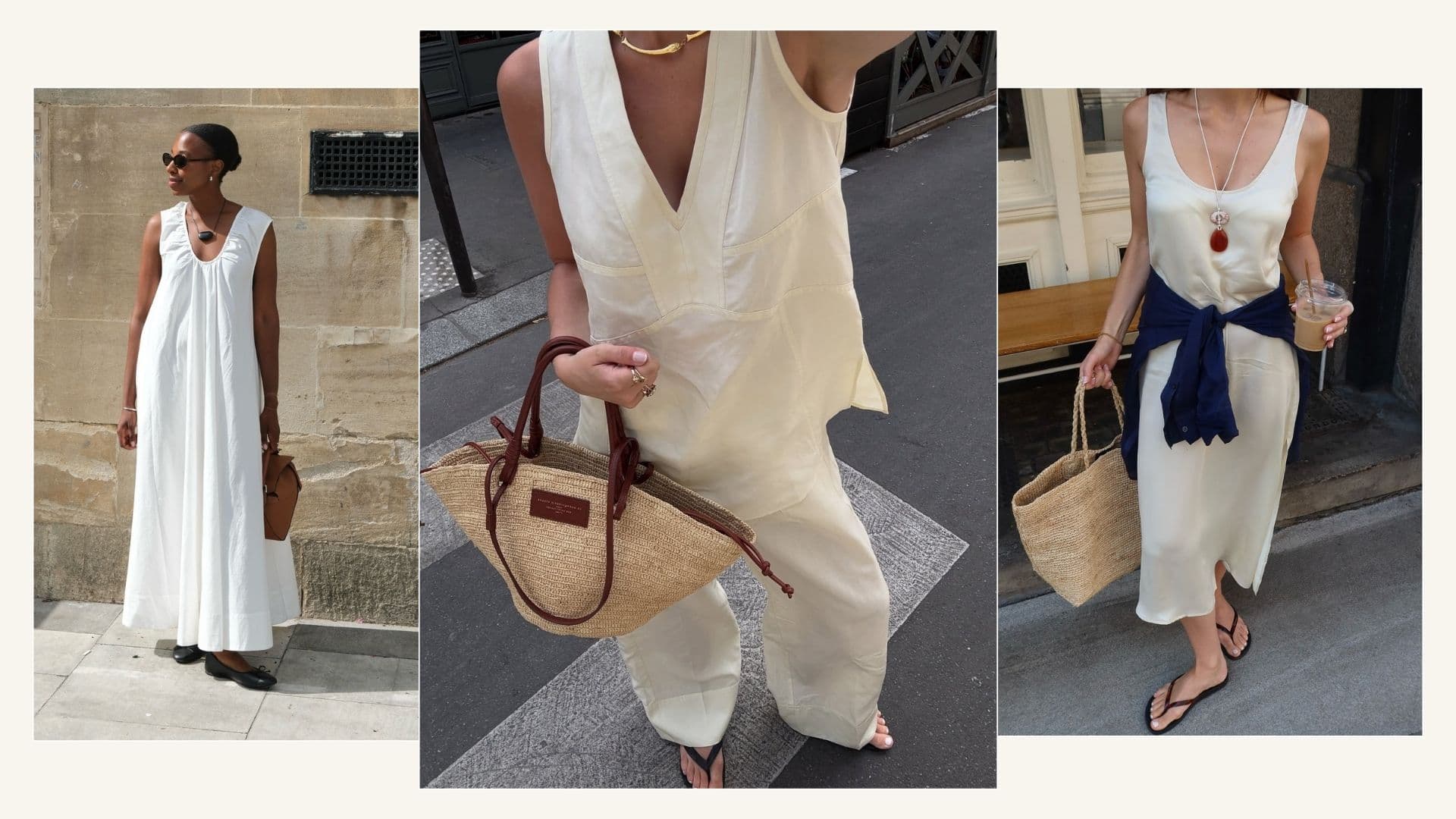
Clothed In Grace Reveals Neutral 20-28-Piece Spring Capsule With Outfit Formulas
Clothed In Grace published a hands-on spring capsule with a focused 20–28 piece neutral framework, complete with outfit formulas and swappable layers to simplify daily dressing.

Clothed In Grace dropped a practical, hands-on spring capsule guide on February 24, 2026, and it’s one of the clearest playbooks I’ve seen for building a compact, wearable season wardrobe. The guide centers on a 20–28-piece neutral framework, plus outfit formulas and swappable layers so you actually leave the house looking composed, not like you’re rummaging through decisions.
1. 20–28-piece capsule framework
Clothed In Grace gives a flexible count: aim for 20 pieces if you want strict minimalism, stretch to 28 if you want more outfit variety without chaos. That number range is smart, it forces constraints while leaving room for mood pieces and weather pivots. Treat the lower end as your non-negotiables (signature coat, denim, white tee) and the upper end as targeted additions (a printed scarf, an upbeat loafer) that rotate each week.
2. Neutrals focused palette
The collection is neutrals-first, not neutrals-only: the guide frames the season in creams, beige, camel, soft grey, charcoal and a touch of deep navy. That emphasis on tone-on-tone keeps layering effortless and elevates cheap fabrics through color harmony, a cream knit next to a camel trench reads intentional, not tired. Mix textures (slub cotton, midweight merino, brushed twill) so the neutral palette has depth; Clothed In Grace’s point is that texture, not color, supplies interest when your hues are quiet.
3. Outfit formulas (the real value)
Clothed In Grace lays out repeatable outfit formulas, think of them as dressing cheats: structured top + relaxed bottom + transitional layer; tee + tailoring + sneaker; knit + midi skirt + boot. The guide uses these combos to show how the 20–28 pieces can multiply into a month’s worth of distinct looks without extra buys. Memorize three anchors (one polished, one casual, one weekend) and rotate the supporting pieces; that’s the operational promise of the formulas.
4. Swappable layers for unpredictable spring
Spring isn’t linear, and the guide leans into swappable layers as the key to wearing a small wardrobe through temperature swings. Lightweight trenches, cropped blazers, overshirts, and thin cardigans are the recommended group, easy to carry, simple to layer, and visually cohesive in neutrals. Clothed In Grace emphasizes pieces that zip or button easily and pair with both sneakers and dress shoes, so your layers function as outfit multipliers rather than single-use items.
5. Footwear and accessory strategy
Shoes get their own treatment, the truncated note in the guide makes clear footwear matters in a small capsule. Prioritize three core pairs that cover function and mood: a white low-profile sneaker for all-day wear, a neutral loafer or derby for smart-casual, and a light boot or heeled sandal depending on your climate. Accessories (a leather belt, a silk scarf, understated jewelry) are the visual punctuation; the guide positions them as final swaps that shift an outfit from weekday to date-night without adding bulk.
6. How to prioritize when building from your closet
Clothed In Grace’s hands-on tone walks readers through culling: start with the “worn most” pile (items you reach for), then the “specialty” pile (single-outfit items), and finally the “sentimental” pile you’ll probably store. The guide encourages keeping items that meet two needs, function and joy, and ditching pieces that serve neither. That approach makes the 20–28 target achievable without forcing a full closet demolition: keep the core, edit the edges, then fill purposefully.
7. Practical counts and swap examples
The framework suggests category counts within the 20–28 range so you don’t end up with seven tops and one pair of pants. Example breakdowns in the guide include recommended balances like 6–8 tops, 4–6 bottoms, 2 outer layers, 2–3 shoes, and 3–6 accessories or specialty items. Those numbers are flexible but they steer you away from the common capsule mistake: overstocking one category and starving another. Use the counts as a shape, not a straightjacket.
8. Styling textures, silhouettes, and seasonal pivots
Clothed In Grace pushes silhouettes that play well together, relaxed trousers with fitted tops, slightly cropped jackets over mid-length dresses, and A-line skirts that accept sneakers. The guide recommends mixing soft and structured textures: a buttery leather loafer against a slubby cotton tee, or a soft ribbed knit with a crisp cotton shirt. For colder days, swap in a midweight knit; for warm spells, pull a sandal and lightweight linen blouse. Sensory notes matter: the guide treats fabric hand and drape as decision criteria, not just color.
9. Outfit planning and weekly rotation
The guide turns outfit formulas into a system: plan five outfits from seven core pieces and rotate them across the week to test durability and comfort. Clothed In Grace frames this as a “wear and adjust” period, if a combo feels forced after two wears, replace that piece within your 28-cap limit. Building a capsule should teach you what you actually wear; this planned rotation is the feedback loop.
10. Why this capsule matters right now
This is not a preachy minimalism pitch, it’s a practical tool for people who want better daily results without obsessing over trends. Clothed In Grace’s spring capsule guide gives the tactical pieces (counts, formulas, swaps) so you can stop decision-fatiguing and start dressing with a clearer eye. In a cluttered market of vague “capsule” lists, the guide’s specificity, the 20–28 numbers, the neutral focus, the outfit formulas, is what makes it useful.
- Audit with a timer: spend 15 minutes per category to avoid paralysis.
- Keep three outfit formulas memorized and stick to them when packing.
- Use one statement accessory to change the vibe of three outfits.
- Let texture do the talking when your palette is quiet.
Quick practical tips from the guide
If you want a capsule that behaves like a wardrobe rather than a mood board, this guide hands you a working engine: clear counts, repeatable formulas, and swappable layers so the season looks curated and effortless. Clothed In Grace’s spring playbook is less about fashion theory and more about getting dressed well, every single day.
Know something we missed? Have a correction or additional information?
Submit a Tip