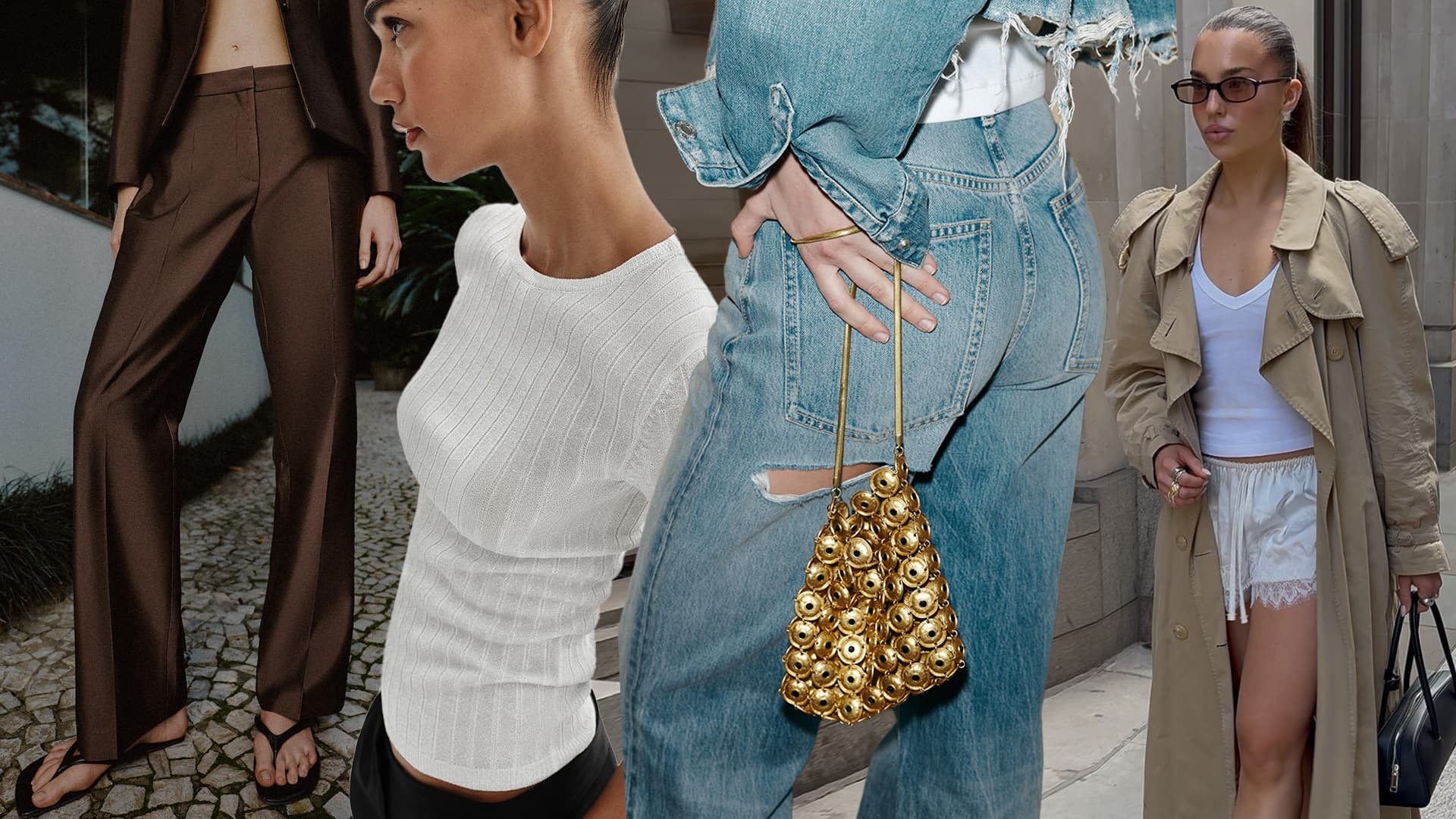
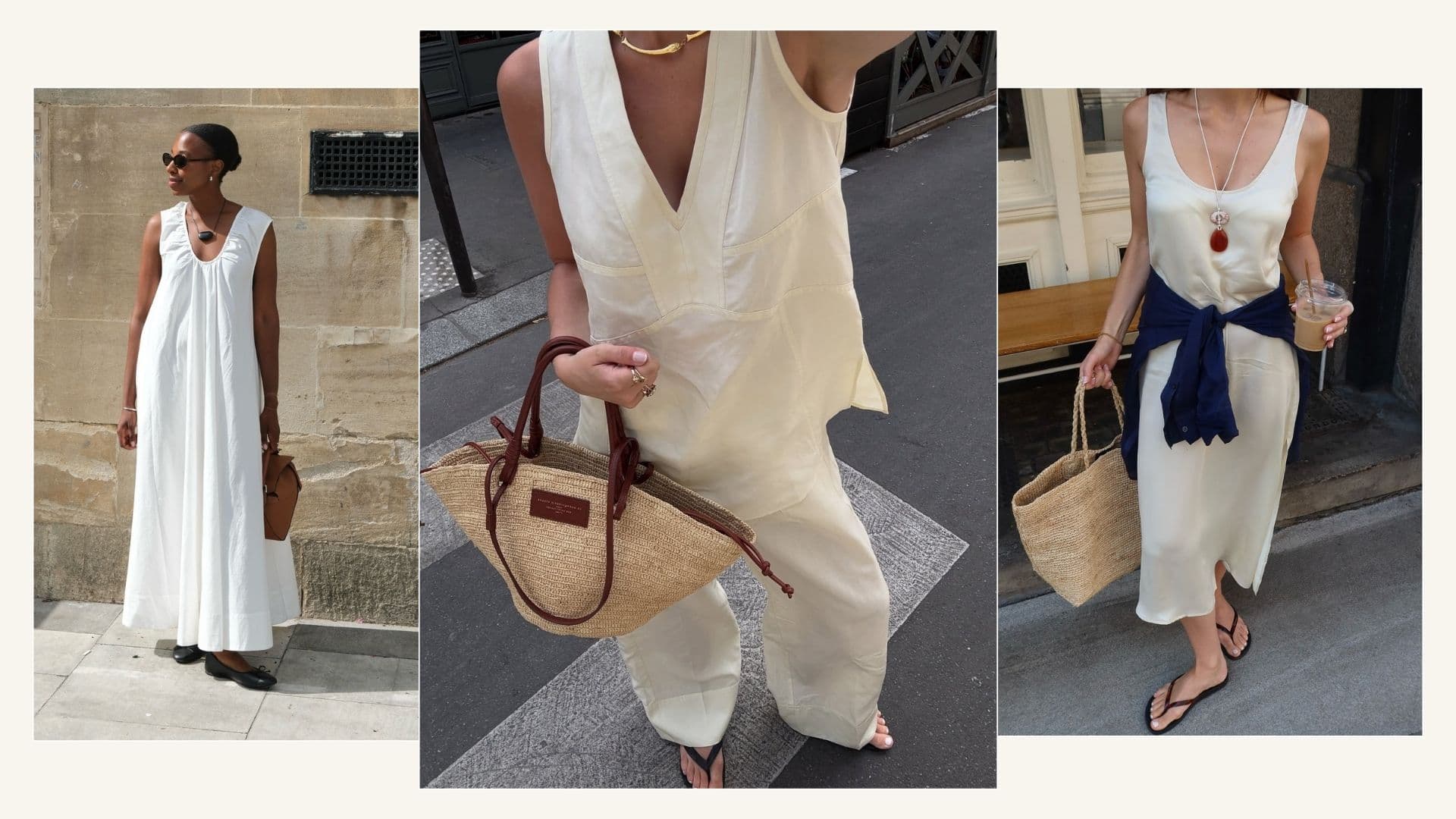
Curated Accessories Multiply Outfits While Cutting Costs and Waste
One quality bag worn 1,500 times costs ten times less per use than a fast-fashion version; build 30+ outfit upgrades for working women from just 10 curated accessories.
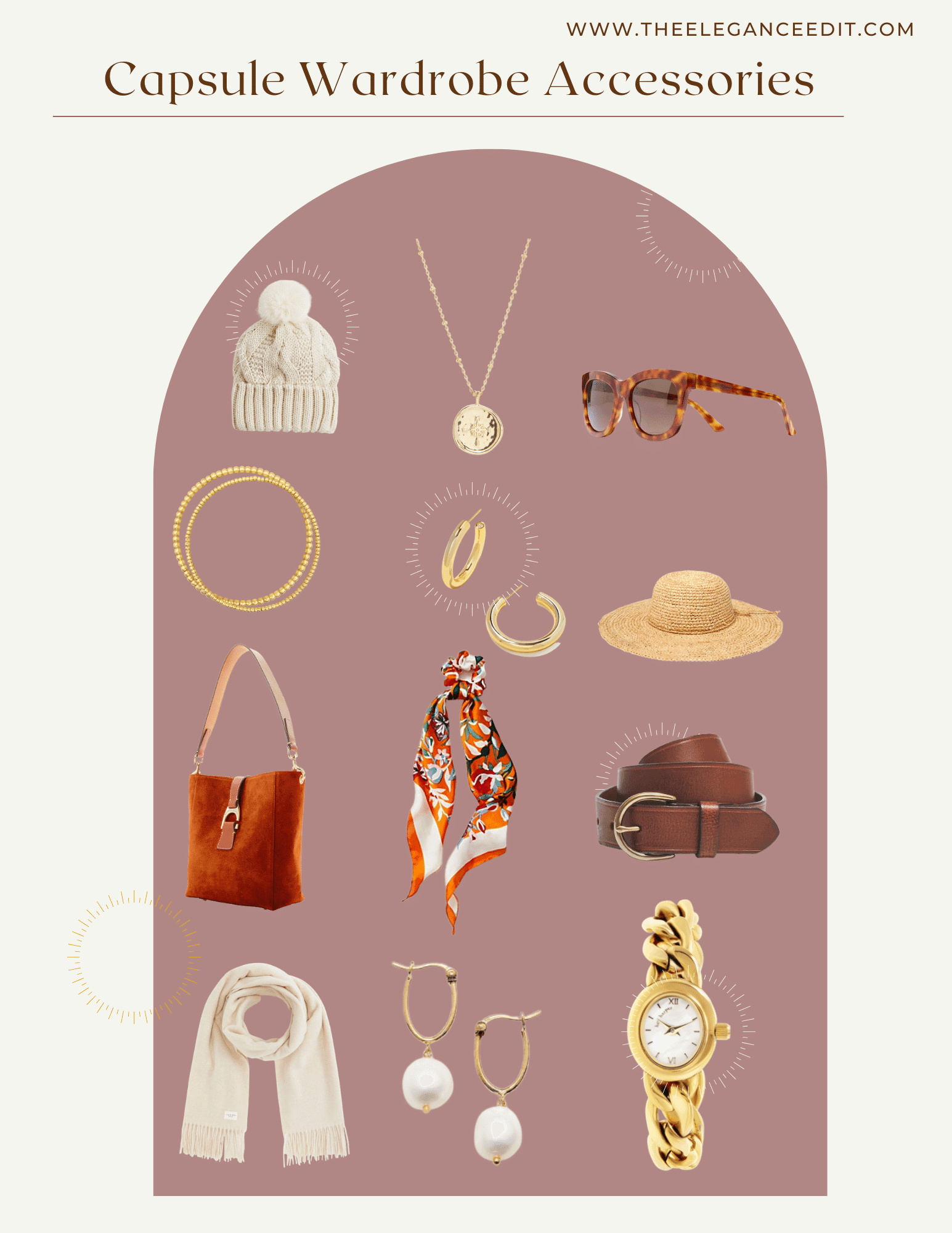
Here's a surprising number: ten. That's all the accessories you need to unlock more than 30 distinct outfit combinations from a modest clothing wardrobe — and do it for less money, over time, than the revolving carousel of cheap pieces most of us have been quietly funding.
The math is simple, but the implications are significant. A fast-fashion bag purchased for €30 that peels and splits after 60 uses costs €0.50 per wear. A quality leather tote priced at €75, carried daily for four years, costs €0.05 per wear: ten times better per-use value despite costing only two and a half times more at the register. Run the same formula on belts, earrings, and scarves, and the "budget" option starts looking like the expensive one.
Accessories Were Always the Point
This logic isn't new. When Susie Faux, owner of the London boutique Wardrobe, developed the modern capsule wardrobe concept in the 1970s, she didn't frame accessories as optional extras. Her original core capsule explicitly listed shoes, a bag, and a belt alongside the jacket, trousers, skirt, and blouse. Accessories were load-bearing structural pieces, not decorative afterthoughts. Faux's guiding principle, that "less is more" and that every item should "make the most of your budget to create a working wardrobe with high quality clothes," applies just as directly to a cognac leather belt as to a cashmere blazer.
Donna Karan brought the concept to a mass American audience in 1985 with her landmark Seven Easy Pieces collection, a suite of interchangeable workwear essentials she created to fill what she described as "a void in the marketplace" for stylish, practical wardrobes for working women. Karan's pieces were designed to mix, layer, and multiply; they worked precisely because the accessories completing them were chosen with equal care. The word "capsule" itself, meaning small and compact, entered American usage around 1938 according to the Oxford English Dictionary. The concept it describes has always been about concentration of value, not limitation of style.
The True Cost of "Cheap" Accessories
The budget arithmetic is only part of the story. A €10 belt purchased six times in three years because each one cracks, fades, or loses its buckle costs €60 in total and contributes six discarded items to landfill. One well-made belt at €45, worn for a decade, costs less overall and generates a single piece of eventual waste.
Cheap accessories cost more in ways that don't show up on a receipt, too. Fast-fashion jewellery frequently contains toxic heavy metals including lead, cadmium, nickel, and phthalates. Lead accumulates in the body and damages the brain, nervous system, kidneys, and liver. The Center for Environmental Health has specifically campaigned against cadmium and lead in consumer jewellery, warning of particular risks for pregnant women and women of childbearing age, including elevated chances of fertility problems, pregnancy loss, and birth defects. The earrings in a €5 multipack are not, in other words, a neutral purchase.
The environmental toll compounds the personal one. The fashion industry accounts for nearly 10% of global carbon emissions and is the second-largest consumer of water worldwide. Of roughly 100 billion garments produced each year, 92 million tonnes end up in landfills, and 85% of all textiles eventually go to dumps. Washing synthetic garments releases approximately 500,000 tonnes of microfibers into the ocean every year, the equivalent of 50 billion plastic bottles. According to EPA data, Americans generated 17.5 million tons of textile and accessory waste in 2018 alone; only 2.5 million tons was recycled or recovered. Discarded cheap jewellery doesn't disappear cleanly: it releases harmful chemicals and greenhouse gases as it decomposes.
The Checkout Decision Framework
Before any accessory makes it into your capsule, run it through four filters at the point of purchase.
1. Cost-per-wear estimate. Divide the price by a realistic number of uses.
If you'll wear a belt three times a week for two years, that's roughly 300 wears. A €90 belt works out to €0.30 per use; a €20 belt that cracks after 40 wears costs €0.50 per use. The more often you'll reach for it, the more investment is justified.
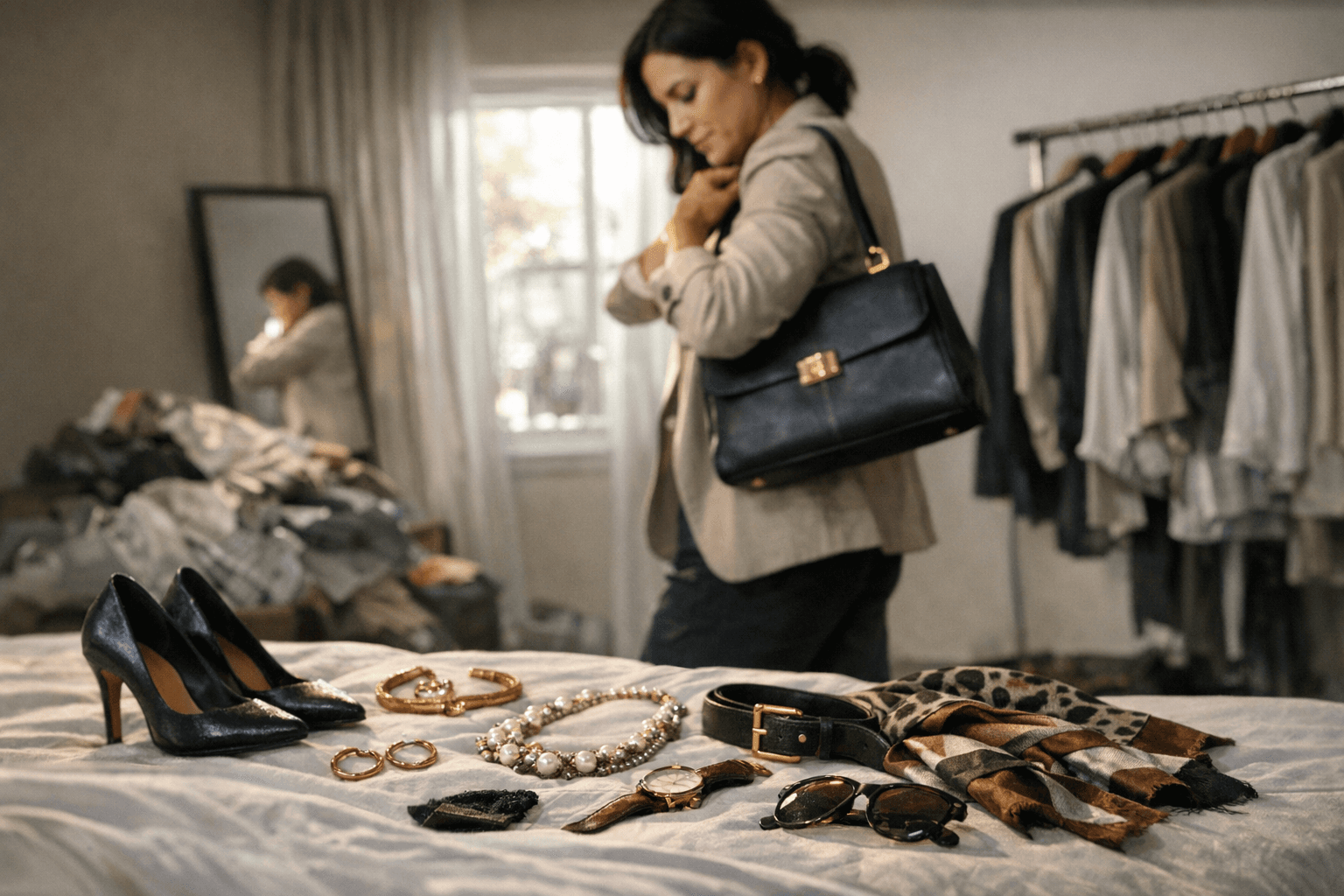
2. Material and finish tests. For leather goods, bend the item and check whether the surface creases naturally or cracks.
For metal jewellery, look for plating thickness: thin plating tarnishes within months, while solid brass, sterling silver, or gold-fill pieces age gracefully and can be re-plated. Avoid any jewellery with no material disclosure. The absence of labelling is itself a red flag for toxic content.
3. Repair and return policies. Quality accessories have repair pathways: resoleable shoes, replaceable hardware on bags, resizable rings.
Ask before you buy. A brand that offers or facilitates repair is signaling confidence in the product's longevity. One that doesn't is pricing in disposal.
- It works with both warm and cool tones in your existing wardrobe.
- It transitions from professional to casual contexts without looking wrong in either.
- It complements at least three distinct outfit families, not just the specific look that prompted the purchase.
4. Three versatility rules. Before committing, confirm the piece clears all three:
Any accessory that fails two of three has no place in a capsule.
Building Your 10-Piece Accessory Capsule: 30+ Outfits for Working Women
Start with five core clothing pieces: a tailored blazer, a white shirt, black trousers, a midi skirt, and a knit dress. Add these ten accessories and the outfit count multiplies immediately.
- Structured leather tote, cognac or camel. Carries the workday and pairs with black, navy, grey, and white without conflict.
- Compact crossbody bag, black. Converts the same base outfits to evening or weekend use; a second silhouette from one wardrobe.
- Silk scarf, ivory-based neutral print. Worn at the neck, tied to the tote handle, or looped as a headband: three distinct styling moves from a single piece.
- Medium-width belt, black leather. Defines the waist over the blazer, midi skirt, and knit dress; adds architectural structure to anything oversized.
- Slim belt, cognac leather. Pulls the tote and shoe palette into harmony; adds warmth to cool-toned outfits.
- Gold hoop earrings, medium diameter. The single most versatile jewellery piece in the category. Wear with everything, dress up or down.
- Delicate gold chain necklace. Layers under an open-collar shirt; sits cleanly at the neckline of the knit dress.
- Classic watch, simple face, leather or metal strap. Signals professionalism at the desk and works across every outfit in the capsule.
- Black pointed-toe pump, low or mid heel. Formal enough for a boardroom, proportioned correctly for both trousers and midi skirts.
- Polished white leather sneaker. Drops the formality on the midi skirt and blazer combination; essential for the weekend extension of any work capsule.
Across five clothing items and ten accessories, the outfit combinations exceed 30 distinct looks and that's before seasonal layering or colour variation in the base pieces. The scarf alone, styled three ways across five outfits, generates 15 variations. The two bags reroute the same clothing toward different contexts entirely. The belt pair changes silhouettes without adding a single new garment.
Why the Market Agrees
Consumer behaviour is already catching up with this logic. The global sustainable apparel and accessories market was valued at USD 150.5 billion in 2025 and is projected to reach USD 490.3 billion by 2033, growing at a compound annual rate of 15.9%. The eco-friendly accessories segment specifically stood at USD 15 billion in 2024 and is projected to double to USD 30 billion by 2032. That trajectory reflects mainstream consumers running the same cost-per-wear calculation and arriving at the same conclusion.
Susie Faux understood it in the 1970s when she placed a bag, a belt, and a pair of shoes at the heart of her original capsule. The numbers in 2026 simply make the case impossible to argue with.
Know something we missed? Have a correction or additional information?
Submit a Tip