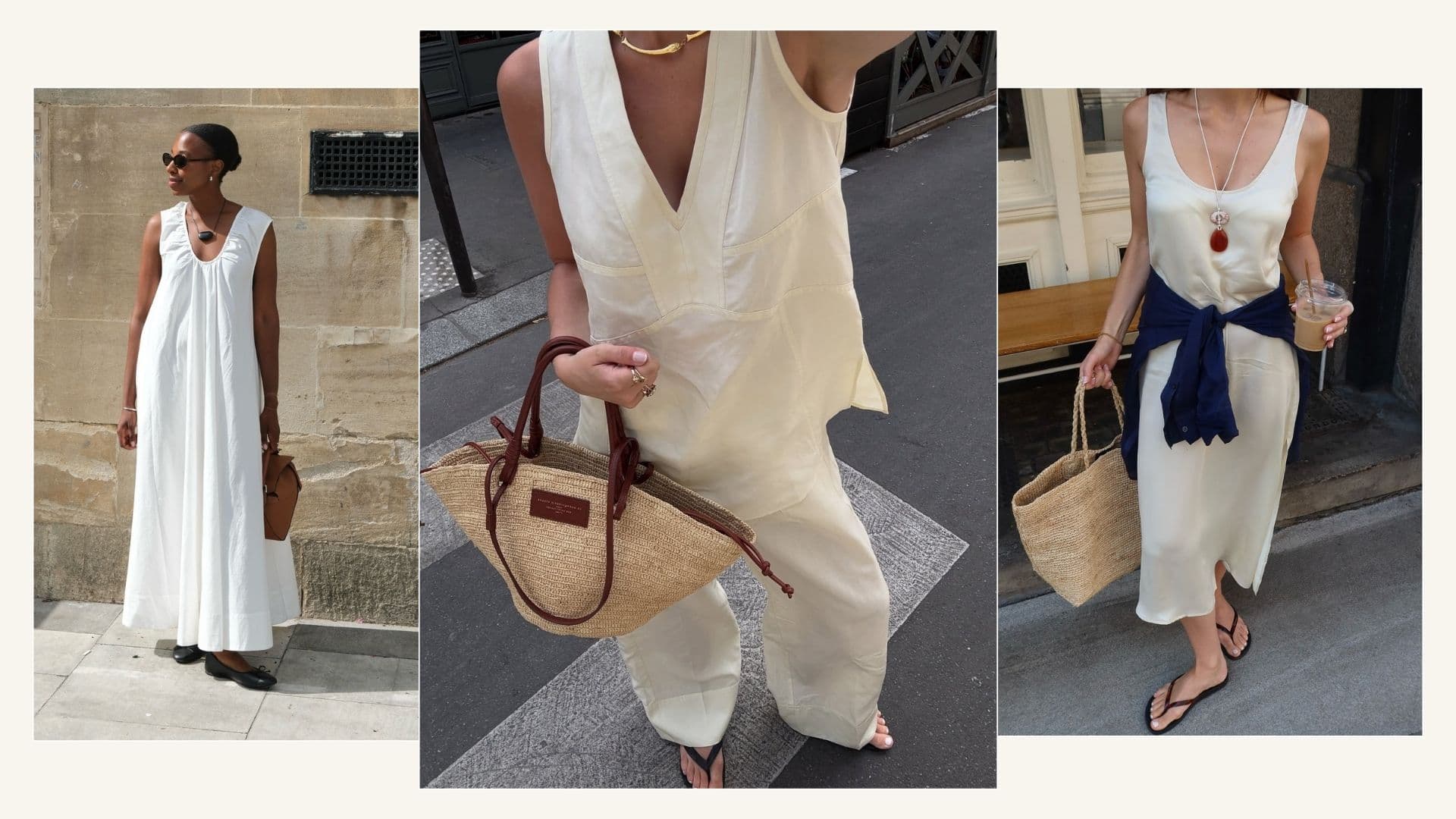
From Chaos to Calm: Your Luxury Closet Design 2026 Guide
Your closet is the real reason your capsule wardrobe fails. A 25-35-piece edit needs architecture designed to match it.
Most capsule wardrobes fail not in the buying, but in the living. You curate 30 perfect pieces, fold them neatly, and within two weeks the system collapses under the weight of rushed mornings, dim lighting, and drawers that swallow things whole. The fix isn't another edit. It's the closet itself.
The emerging consensus in luxury interior design treats the closet not as storage, but as an interface: a spatial system engineered to surface the right choices at the right moment, reduce friction, and make the logic of a capsule wardrobe visible every single day. Here is how to build one.
Start With the Architecture
The bones of a capsule-friendly closet look different from a conventional one. Where standard wardrobes prioritize maximum hanging capacity, a design built around a 25-35 piece capsule needs variable hanging heights: one section tall enough for full-length coats and dresses, a second for blazers and shirts at mid-height, and a third, lower rail for folded trousers draped over a hanger or neatly stacked knitwear on open shelving. Vertical space is being used more intentionally in 2026, with double-hang rods, ceiling-height shelving, and modular drawer units allowing homeowners to maximize every square inch without crowding the space. The result is a closet that reads, at a glance, like an organized editorial rack rather than a packed rail.
Drawers deserve the same rethinking. Shallow, wide drawers fitted with modular inserts keep folded pieces visible and separated rather than buried in a deep stack. The logic is simple: if you cannot see something, it does not exist for your morning brain. Modular inserts, whether fitted for folded tees, rolled scarves, or flat-stored denim, let each category hold its exact footprint without drift.
The Valet Rod: A Small Addition, a Major Shift
One of the most underestimated features in a well-designed closet is the integrated valet rod. A valet rod provides convenient temporary hanging space for staging outfits, holding fresh dry-cleaning, or preparing tomorrow's wardrobe. For a capsule wardrobe, this single pull-out bar changes the morning routine entirely: the night before, you pull tomorrow's outfit onto the rod as a complete look, and the decision is already made before your alarm goes off.
Pull-out hampers, valet rods, and hidden compartments are becoming standard in 2026, helping even compact closets feel thoughtfully designed and fully optimized for daily life. Integrating a fold-away ironing board into the same wall panel keeps the workflow contained: press, hang, done. No hunting for the board in a hall cupboard, no setting up in the bedroom.
Spatial Planning for 25-35 Pieces
A capsule of this size needs room to breathe visually. Crowding 30 pieces onto a single hanging rail defeats the purpose: you stop seeing individual garments and start seeing a wall of fabric. The solution is to think in zones rather than categories, arranging pieces by the outfits they form rather than by type. Capsule-by-outfit rails, where a blazer, its coordinating trouser, and a compatible shirt hang together as a pre-composed look, cut decision time dramatically.
The spatial math matters here. At roughly one to one-and-a-half inches of rail space per garment, a 35-piece hanging capsule comfortably fits a 48-inch double rail without touching. That leftover breathing room is not wasted space; it is visual clarity. Homeowners are incorporating their daily routines into the design, adding charging drawers for devices, designated drop zones for work bags, and display shelving for handbags and sneakers. Applying that same intentionality to clothing zones means your capsule becomes a curated display, not a holding pen.
The Quiet-Luxury Color Palette for Interiors
The closet interior itself carries aesthetic weight. A quiet-luxury palette for cabinetry and wall finishes, think warm greige, soft white, muted sage, or pale linen, does something specific: it lets the clothing read as the focal point rather than competing with a loud backdrop. Tightening your palette so that most pieces are "at least on speaking terms" reduces visual noise and gives each item more ways to be worn. The same principle applies to the closet shell. When the environment is calm, the clothes inside look more cohesive, and combinations you might not have considered suddenly become obvious.
Hardware finishes follow the same logic. Brushed brass, satin nickel, or matte black pulls outperform polished chrome in this context; they absorb light rather than reflecting it, keeping the visual temperature low. Velvet-lined drawer inserts and cedar-paneled shoe drawers add the sensory dimension that distinguishes a designed closet from a flat-pack system.
Lighting That Tells the Truth
The single most overlooked element in closet design is also the one with the greatest daily impact: lighting. Standard warm-toned household bulbs distort color. Navy reads as black. Camel reads as orange. You make a decision at home and discover the reality in daylight. Smart closets equipped with automated lighting systems that mimic natural light help you make more accurate color choices.
LED color-correct lighting, rated at 90+ CRI (Color Rendering Index) and installed at eye level along hanging rails rather than above them, solves this at the source. The light falls on the garment face rather than casting it in shadow, and the tones you see in the closet are the tones you will wear in the world. For a capsule built around a tightly edited palette of neutrals and considered color, this accuracy is not a luxury. It is foundational.
Technology: RFID Tags and Photo Inventory Apps
Smart closet technology can now track clothing inventory automatically through RFID tags and smart hangers, while AI-powered systems analyze wardrobe usage patterns to suggest ideal outfit rotations. For a capsule wardrobe user, RFID tagging each piece takes about an afternoon and pays back immediately: scan your closet once a week, and the app surfaces which items you have not worn in three months, which pairings you return to daily, and what seasonal gaps your capsule has before the next transition.
Photo-inventory apps, which require nothing more than photographing each piece against a neutral background, offer a lower-tech alternative with real utility: you can build outfit combinations digitally before you dress, which means the mental work of styling happens the night before rather than at 7 a.m. Digital wardrobe apps that sync seamlessly with closet hardware and mobile devices can send intelligent notifications for garment care schedules and dry-cleaning needs, ensuring clothing stays in optimal condition.
The Closet as Daily Practice
The case for treating closet design as a strategic investment rather than a finishing touch comes down to this: a 30-piece capsule in a well-designed closet generates more outfit options than a 60-piece wardrobe in a disorganized one, because visibility and accessibility are doing the combinatorial work for you. Fewer pieces, intelligently surfaced, is the entire premise of capsule dressing. The closet is what makes that premise function.
Build the architecture first. The clothes already know what they are.
Know something we missed? Have a correction or additional information?
Submit a Tip