Frugal Chic and Capsule Wardrobes Redefine the Art of Having Enough
Most wardrobes have too much of the wrong things. Frugal chic reframes the capsule wardrobe not as a minimalist exercise but as the art of having exactly enough.

Most wardrobes are not suffering from a shortage of clothes. They are suffering from an abundance of the wrong ones, bought fast, worn twice, and forgotten in the back of a rail that doubles as a guilt archive. That is the quiet friction that frugal chic, a trend gathering serious social media momentum in 2026, has put its finger on. And its answer is not a shopping haul. It is a capsule wardrobe rebuilt around restraint, quality, and a concept that influencer Mia McGrath has distilled into five words: "the art of having 'enough.'"
The Idea Is Older Than the Algorithm
"Buy it nice or buy it twice, we're told." That line, sharp and a little sardonic, sets up the essential tension at the heart of frugal chic perfectly. The movement tells you to spend more per item, less overall, and resist the micro-trend conveyor belt that social media runs on a weekly cycle. But the instinct it taps into is not new. The term "frugal chic" appeared as part of a title in a 2005 New York Times article, where writer M.P. Dunleavey observed that a conspicuous frugality was already losing its following. Even two decades ago, the idea of looking expensive without spending excessively was circulating in mainstream fashion discourse. What has changed is the platform, the scale, and the vocabulary.
After years of hyper-consumption, micro-trends, and weekly expensive hauls, frugal chic is about dressing intentionally. The capsule wardrobe is its primary practical vehicle, "You absolutely must have your 'capsule wardrobe' set up," as the prescription goes, delivered with just enough irony to acknowledge how loaded that phrase has become after years of Pinterest boards and influencer content.
What Frugal Chic Actually Means in Practice
If you've ever felt overwhelmed by the amount of possessions you own, financially scattered, or like you can never pinpoint your personal style, frugal chic is the movement for you. It is about living a luxurious life by focusing on what matters to you and cutting out what doesn't.
The trend's core instruction is straightforward: rather than spending money on an abundance of items for which you have no real use, buy less but spend more on items of better quality. The wardrobe implication is a tightly edited collection of pieces you reach for repeatedly, not a rotating stock of disposable trend items. Being frugal doesn't mean cheap. It means being intentional. It's about having wardrobe staples you love wholeheartedly and a curated selection of items you consistently reach for, a signature scent, a go-to nail polish color, a capsule wardrobe, and a simplified skincare routine.
There is also a pointed rejection of the de-influencing paradox embedded in this trend. The advice to be "de-influenced by influencers convincing you to spend less money" contains its own critique: even the anti-consumption message can become a consumption prompt, a new aesthetic to perform rather than a genuine recalibration of habits. Frugal chic, at its most coherent, argues against the performance altogether.
Mia McGrath and the Trademark Behind the Trend
If you're online at all, you've probably heard the term "Frugal Chic" being thrown around in the context of underconsumption, particularly among Gen Z. What you may not know is that this was a concept McGrath coined. It came to her because someone commented under one of her TikTok videos that she was the perfect mix of frugal and quiet luxury.
The Frugal Chic series gained a lot of viral traction, with the content collectively receiving around 2 million views. McGrath paired images of things typically considered "unchic," like bringing your own lunch to work or driving a ten-year-old car, but juxtaposed them against snappy overlays of Carolyn Bessette Kennedy. It made being frugal finally attractive.
McGrath now has 500,000 followers across platforms and writes about building wealth in your 20s and financial independence. Her Substack, operating under the trademarked Frugal Chic brand, carries the tagline "live luxuriously, spend intentionally" and has been featured in Vogue. A quick search of the trend reliably surfaces her name first, and it was in one of her Substack articles that she defined the concept as "the art of having 'enough.'"

Frugal Chic is often misunderstood as a micro-trend, when in reality it's an alignment with a broader shift: towards intellectualism, discipline, and intentional living. That framing matters because it separates the movement from the seasonal aesthetic churn it is ostensibly pushing back against.
Building the Capsule: Quality Over Quantity
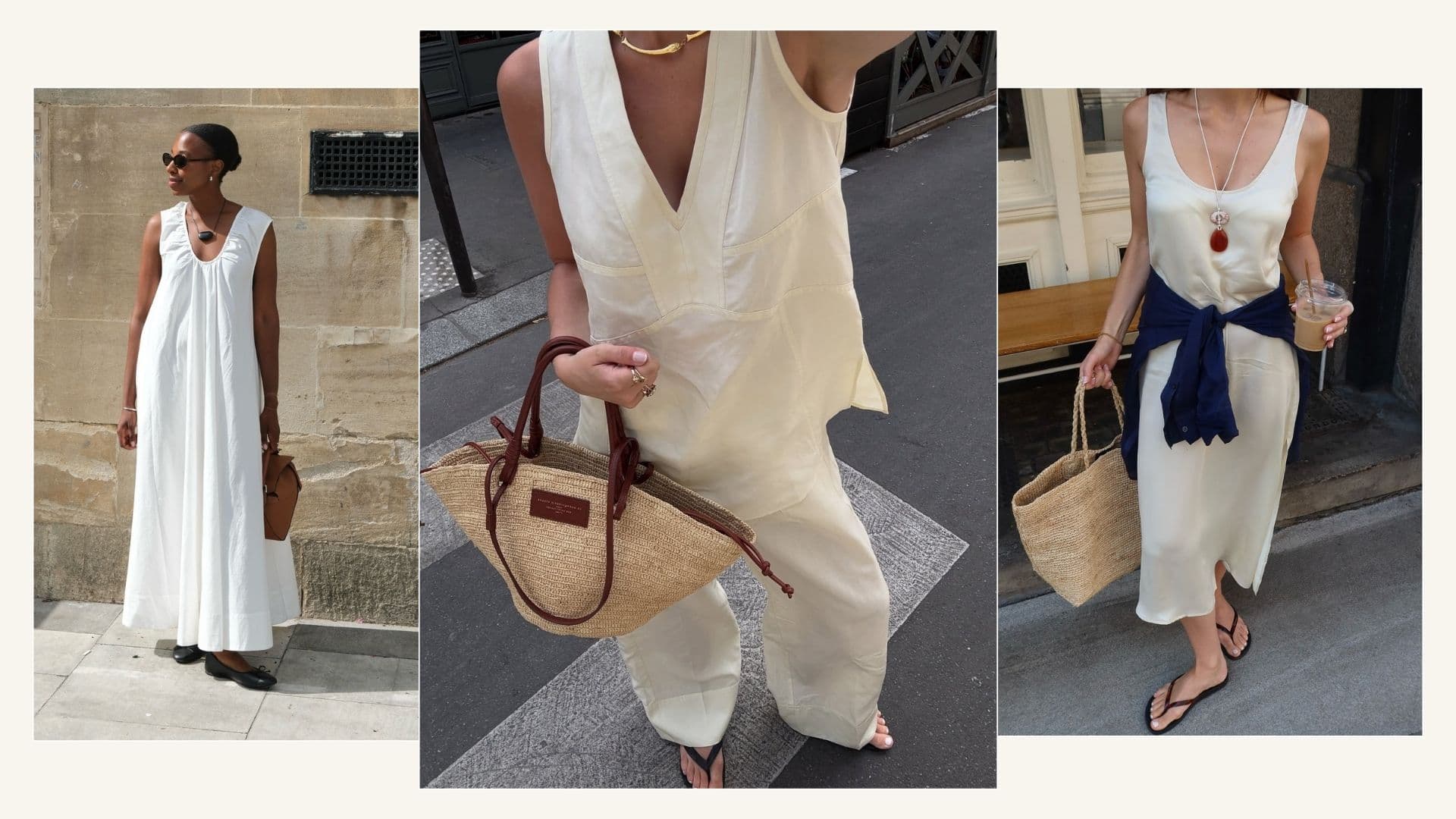
The practical wardrobe application of frugal chic rests on a few consistent principles. A capsule wardrobe consists of a set of tops, bottoms, dresses, outerwear, shoes, and accessories that can be easily mixed and matched together to be dressed up, down, and anywhere in between. It consists of high-quality pieces that stand the test of time and can be worn for years to come.
Rather than snapping up tons of trendy pieces, the capsule approach encourages you to curate a streamlined handful of clothing pieces that you truly love, and then mix and match them for endless outfits. Paring down your wardrobe to just your favourites ensures you're not cluttering your closet with pieces that aren't serving you, and it encourages investment in high-quality, well-made pieces that will last for years.
McGrath's own rules for this approach are practical and specific:
- Invest in quality: buy it nice or buy it twice.
- Mix high with low: combine luxury with high street or thrifted pieces.
- Don't waste money on things you don't care about: quit excessive subscriptions, unnecessary financing. Cut out what drains you rather than accepting it by default.
- Know when to indulge: the frugal chic approach involves saving, but not deprivation. If a treat is worth it, take it. The discipline lies in being clear about what "worth it" actually means.
In wardrobe terms, this philosophy translates to secondhand jeans that fit perfectly, a cashmere knit bought three years ago and worn constantly, loafers already resoled once. Clothes as choices rather than costumes, worn for yourself rather than for the performance of being seen on Instagram.
The Sceptic's Case and Why It Still Holds
There is a reasonable scepticism to apply here, and the original framing of this conversation acknowledges it directly: "My deep-seated cynicism towards social media trends for once has no reason to rear its head up. For once, finally, we're being told to buy less, but this is nothing new. Nor is the term 'frugal chic.'" That combination of concession and context is the honest read. The message is good. The prescription, a tighter wardrobe built on fewer, better pieces, is sensible. What requires vigilance is the tendency of social media to aestheticise restraint until it becomes its own form of consumption, complete with a shopping list.
Many observers have predicted that "normal things" are about to become cool again: reading books, spending time in nature, repairing instead of replacing, not buying fast fashion. These are not radical behaviours; they only appear so in an era obsessed with excess.
The real luxury, as one reader of McGrath's newsletter noted, is building a wardrobe that doesn't require constant updating to feel relevant. That is the capsule wardrobe's most honest promise, and it predates every TikTok series by decades. The trend may be new. The wisdom inside it is not.
Know something we missed? Have a correction or additional information?
Submit a Tip