Gen Z’s softer minimalism is shaping summer capsule wardrobes
Gen Z is keeping capsule wardrobes lean, but swapping strict minimalism for lace, soft color, and vintage texture. The new formula is quieter, sweeter, and easier to wear.
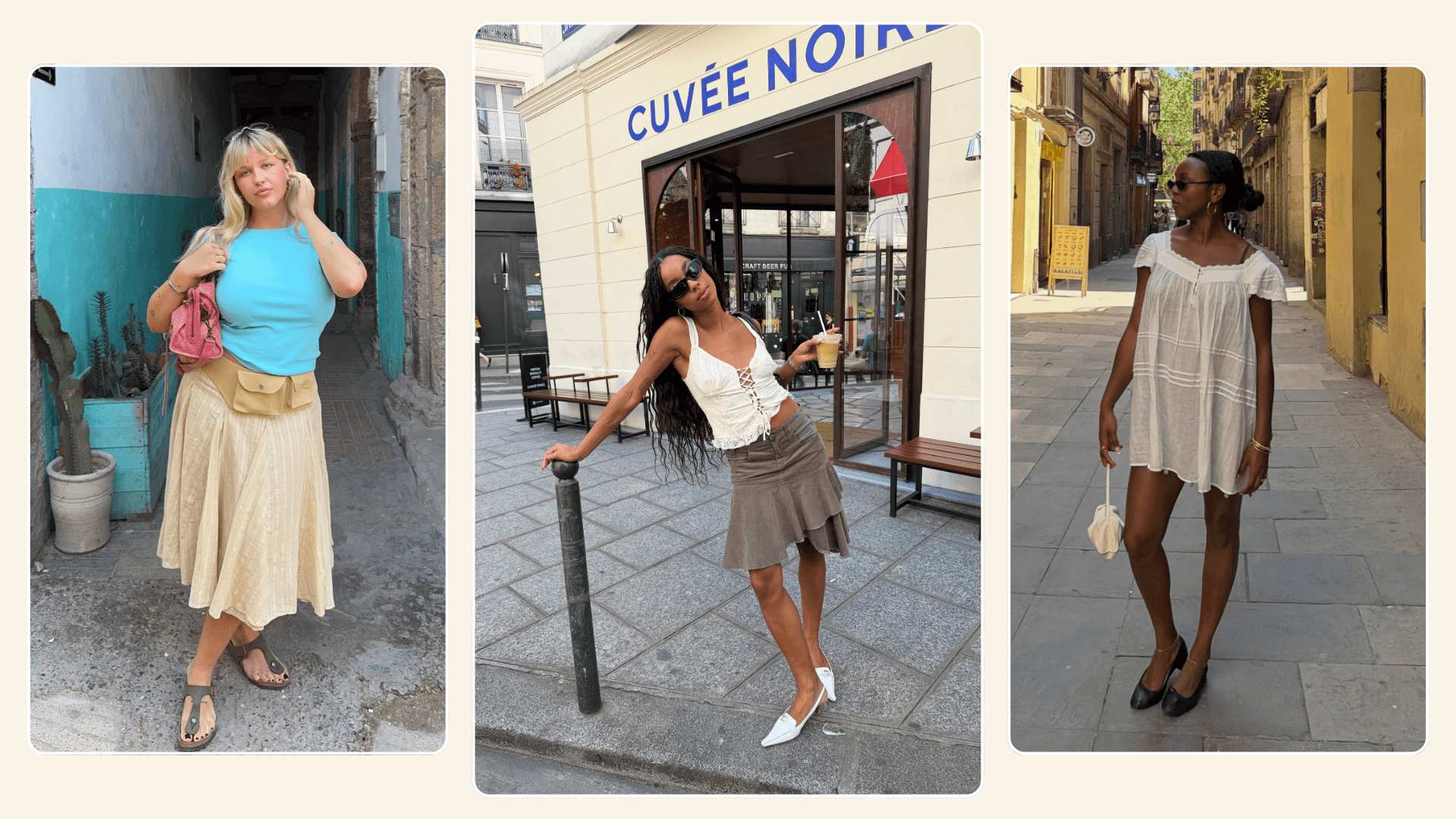
Gen Z is not abandoning minimalism. It is sanding off the hard edges. The look now is lean, but not sterile: short white dresses, lace trim, tiny color jolts, and nostalgic touches are replacing the old head-to-toe austerity that made minimal dressing feel a little too precious for real life.
The new minimalism is softer, not stricter
The strongest shift in summer dressing is mood. Spring and summer 2026 runways already pointed in this direction, with pared-back looks at Khaite, Toteme, and Victoria Beckham, but the Gen Z version is more personal than runway-polished. It borrows from minimalism without acting like it needs to obey a dress code.
That is the part that matters for capsule wardrobes. This generation still wants a low-clutter closet, but it is rejecting the blank-slate look that dominated earlier minimalism cycles. The result is a wardrobe that feels composed and edited, yet still has personality in the hemline, the texture, or the color story.
The pieces Gen Z keeps reaching for
The clearest capsule building blocks are the ones that can be worn on repeat without looking repetitive. Who What Wear’s Gen Z coverage keeps circling back to little white dresses, especially babydoll shapes and broderie-anglaise styles, because they read crisp and easy at the same time. They are light enough for heat, but not so fussy that they lose their place in a streamlined wardrobe.
Lace is the other big shift. Lace-trimmed hems are moving from trend territory toward staple status, especially in French lingerie-inspired versions that feel delicate rather than costume-y. London Boscamp said she is loving fringe and lace because they add movement without feeling overdone, and that is exactly the point: the texture does the work so the rest of the outfit can stay simple.
The six summer lanes that make the formula work
The new capsule is not a pile of random microtrends. It is a restrained mix of six lanes that keep the wardrobe fresh without blowing up the whole closet: little white dresses, unexpected color pops, lots of lace, ’90s references, vintage finds, and utility pieces.
The beauty of that mix is balance. A babydoll or broderie-anglaise dress brings softness. A sharp utility piece, like a pocket-heavy jacket or trouser, keeps it from drifting into precious territory. Vintage layers in the memory, while ’90s references keep the silhouette familiar enough to wear with ease. If one piece is sweet, the next should be pragmatic. That tension is what makes the look feel current instead of costume-like.
How to translate the trend into a capsule
A good summer capsule here is not about collecting more. It is about choosing pieces that can do double duty. Who What Wear’s capsule framing points to seven-, eight-, and 11-piece versions, which tells you exactly where the market is landing: on repeatable outfits, not endless options.
A smart version of the formula looks like this:
- One white dress with movement, ideally babydoll, broderie anglaise, or a lace-trimmed hem
- One utility layer, such as a crisp overshirt, cargo-style trouser, or structured jacket
- One vintage-looking piece that softens the wardrobe and keeps it from feeling newly bought
- One subtle color pop, not neon, but enough to break the beige-and-black loop
- One ’90s-leaning silhouette, like a slim tank, easy slip, or low-slung bottom
- One textured accent, whether fringe, lace, or something sheer enough to catch the light
That is enough. Anything more starts to work against the capsule idea, which depends on repetition, not accumulation. The clothes should click together quickly, the way a good playlist does, with just enough variation to keep you interested.
Why this shift feels bigger than a trend cycle
The market backdrop explains why this softer minimalism is landing now. McKinsey and BoF Insights’ State of Fashion 2026 says 46 percent of executives expect conditions to worsen in 2026, with tariffs as the number-one hurdle. In a cautious market, wardrobes that are versatile, repeatable, and easy to justify suddenly make more sense than one-off hype buys.
The Gen Z research behind this mood is equally telling. BoF Insights based its work on a survey of nearly 1,000 U.S. Gen-Zers, four focus groups, an analysis of 5,000 public social media posts, and 20 expert interviews. That mix matters because it shows Gen Z style is being shaped by both data and feeds, not just by the runway or by brand marketing. The result is a consumer who still loves trend energy, but wants it filtered through personal use.
What to copy, and what to leave behind
The old minimalist formula asked for discipline above all else. The new one asks for edit-and-play. Keep the clean base, but let one or two pieces do something a little more interesting: a lace trim that skims the hem, a sleeve that moves when you walk, a vintage wash that breaks up the polish.
What you are really buying into is a wardrobe with more range, not more stuff. The best summer capsule now can look soft, sweet, and lightly nostalgic without losing its minimal core. That is the Gen Z move: fewer pieces, better contrast, and just enough texture to make plain dressing feel alive.
This article was produced by Prism’s automated news system from verified source data, official records, and press releases, then run through automated quality and moderation checks before publishing. The system is built and supervised by the people who set the standards it runs under. Read our full AI policy.
Did this article answer your question?