How to build a capsule wardrobe that feels uniquely you
The best capsule wardrobe isn't neutral to a fault. It's a tight edit of prints, vintage, accessories, and fit that makes repeat dressing feel personal.

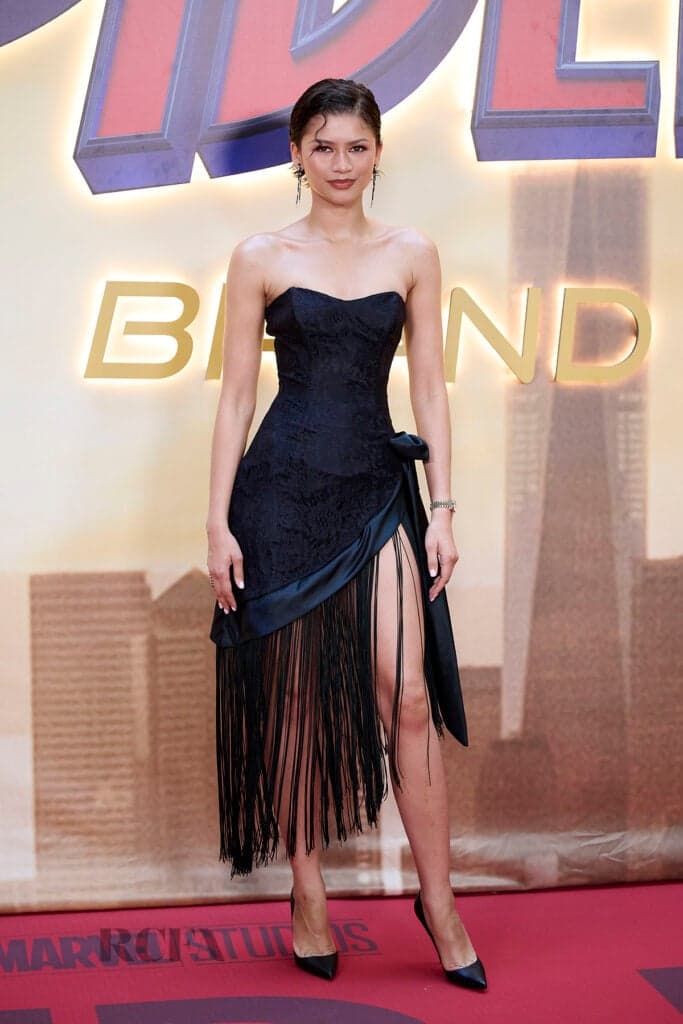
A sharp shoulder, a slinky shoe, a saturated red, or a stripe with bite should set the rules of a capsule wardrobe before any neutral sweater or clean trouser does. The August 14, 2019 Who What Wear guide built its examples around that idea.
Start with identity, not with basics
The usual capsule formula begins with neutral sweaters and clean trousers, then asks you to build a personality around them. That is backwards. A capsule only feels cohesive when it reflects what you reach for again and again.
That is why the most useful capsule wardrobes are not necessarily the most minimal-looking ones. They are the most edited ones, where every piece has a job and every outfit has a point of view. The strategy is simple: keep the base layers reliable, then make room for one signature print, one vintage wild card, one statement accessory, and one tailoring adjustment that changes the way the whole wardrobe lands.
Use print as punctuation
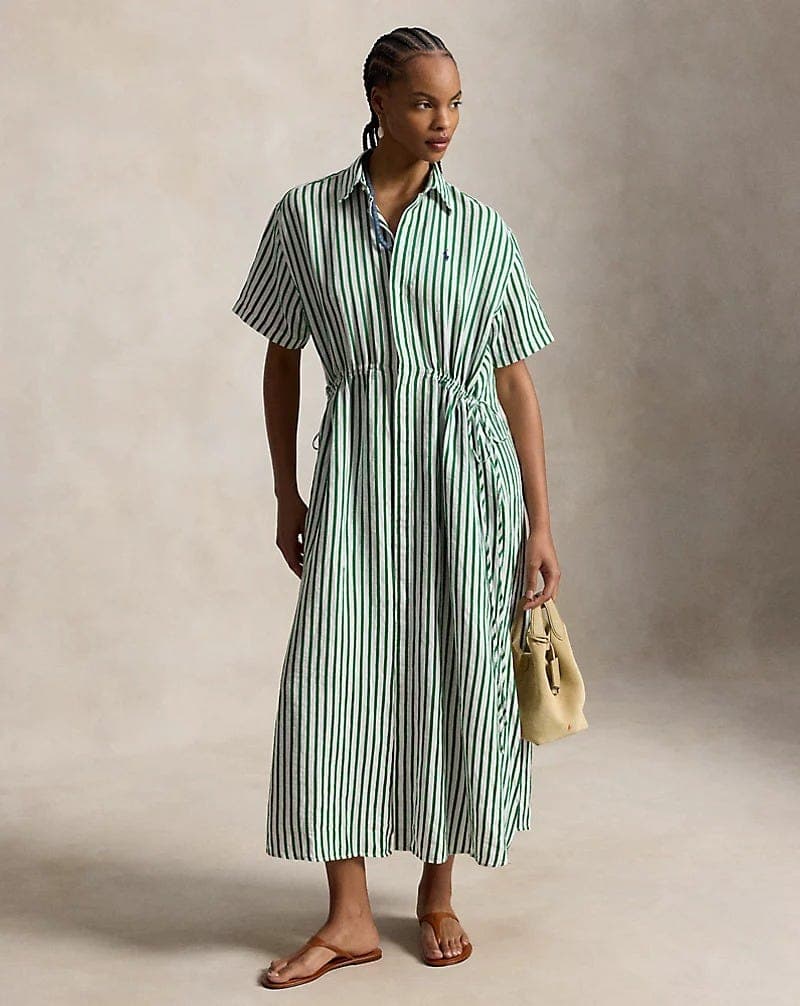
Print is the fastest way to keep a compact wardrobe from going flat. Pieces from Ganni and Rixo show how pattern can read polished instead of chaotic when the rest of the outfit stays controlled. A striped knit, a floral skirt, or a geometric blouse can carry a whole week of dressing if the silhouettes underneath stay clean.
The key is restraint, not avoidance. One strong print worn with straight-leg denim, a simple tank, or a tailored jacket creates more outfit options than a closet full of interchangeable solids, because it gives you an anchor. If you love color, let the print be the place where it lives; if you prefer monochrome, choose a graphic motif that still adds movement.
Make vintage the wildcard
Vintage is where a capsule wardrobe stops looking purchased all at once. An Emanuel Ungaro 1990s herringbone jacket and a Manolo Blahnik alligator slide sandal bring in texture, rarity, and a little tension against the smoother basics.
This is where resale and secondhand shopping become strategic rather than sentimental. A vintage jacket can sharpen a T-shirt and jeans formula; an older designer sandal can make simple trousers feel deliberate. In a small wardrobe, the odd piece is often the piece that makes the rest of the closet look more expensive, because it breaks the sameness that mass retail tends to produce.
Treat accessories as the signature, not the afterthought
Accessories are the easiest place to let your personality speak without forcing every garment to do the work. Playful beads from Susan Alexandra, sculptural sunglasses from Le Specs, and candy-colored jewelry from Roxanne Assoulin can shift a look without adding bulk. In a capsule wardrobe, that matters, because accessories take almost no closet space but deliver a lot of visual change.
The trick is to choose one or two accessory moods and repeat them. If your clothes are quiet, let your earrings, frames, or bag be the wink. If your clothing already has pattern or color, choose accessories with a cleaner line so the outfit stays edited rather than busy.
Fit is the difference between edited and plain
Tailoring is what keeps a small wardrobe from looking like a compromise. A hem that skims the ankle, a sleeve that lands exactly where you want it, or a waist that sits cleanly can make a basic blazer or trouser feel custom.
Instead of chasing more pieces, you refine the ones you already have so they sit properly on your frame and work with your favorite shoes, bags, and layers.
Why the capsule keeps coming back
Susie Faux, the London boutique owner, coined “capsule wardrobe” in the 1970s for a small set of high-quality essentials that could be refreshed seasonally, while some fashion-history references point to American uses as early as the 1940s.
A 2025 systematic literature review found capsule wardrobes linked in the research to voluntary simplicity, quality over quantity, stronger alignment with personal identity, and reduced environmental impact. The same review identified Project 333 and the 10×10 Challenge as common ways people test the concept in real life.
The bigger picture is modular, not minimal
The Metropolitan Museum of Art’s Irene Lewisohn Costume Reference Library covers fashion and clothing history from the sixteenth century to today. The Museum of Modern Art’s Nakagin Capsule Tower project offers a parallel outside fashion: Kisho Kurokawa’s building opened on April 5, 1972 in Tokyo’s Ginza District, originally had 140 capsules, and stood until 2022; MoMA’s exhibition on the tower runs from July 10, 2025 through July 12, 2026.
This article was produced by Prism’s automated news system from verified source data, official records, and press releases, then run through automated quality and moderation checks before publishing. The system is built and supervised by the people who set the standards it runs under. Read our full AI policy.
Did this article answer your question?