How to build a loungewear capsule wardrobe that works all day
Build a small loungewear system from tees, joggers, cardigans, and one good palette, and your home clothes can carry sleep, Zoom, errands, and out-the-door plans.
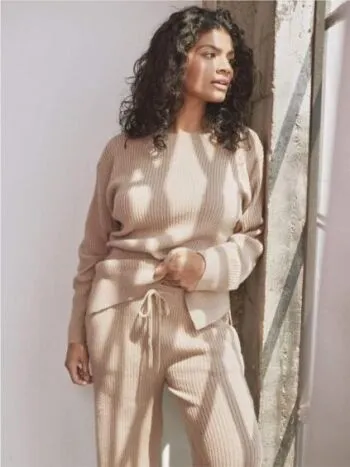
A clean tee, wide-leg joggers, and a cardigan can cover bed, desk, and grocery run without looking like you got dressed in the dark. That is the whole point of a loungewear capsule. Remote work still shows up in U.S. Bureau of Labor Statistics telework data, and market reports now explicitly name work-from-home capsule wardrobes as a segment.
Why loungewear finally needs a capsule
The capsule wardrobe idea has always been about control, not minimalism for its own sake. The term is traced to Susie Faux, the London boutique owner behind Wardrobe in the 1970s, then widened by Donna Karan in the 1980s, and later made internet-friendly by Caroline Rector at Un-Fancy. Rector put it this way: “Pare down your current clothes situation into a happy little 37 piece capsule wardrobe.”
Loungewear deserves that same discipline because it gets worn more than almost anything else in a home-centered week. If your day includes video calls, school runs, errands, and actual downtime, the same pair of joggers has to survive all of it. That is why fit, laundering, and shape retention matter as much as softness.
The small set that actually works
The cleanest at-home wardrobe is built from a tight mix of interchangeable pieces, not random “lazy day” buys. Start with matching sets, soft tees, relaxed tanks, wide-leg joggers, leggings, cozy cardigans, pull-on shorts, and one or two outer layers that can take the look from couch to curb. That gives you enough variation to avoid monotony without bloating the drawer.
A practical formula looks like this:
- Two soft tops, one tee and one relaxed tank
- One matching set that can be worn together or split apart
- Two bottoms, usually wide-leg joggers and leggings
- One pair of pull-on shorts for warmer days
- One cozy cardigan for indoor layering
- One sharper outer piece, like a trench or blazer, for stepping out
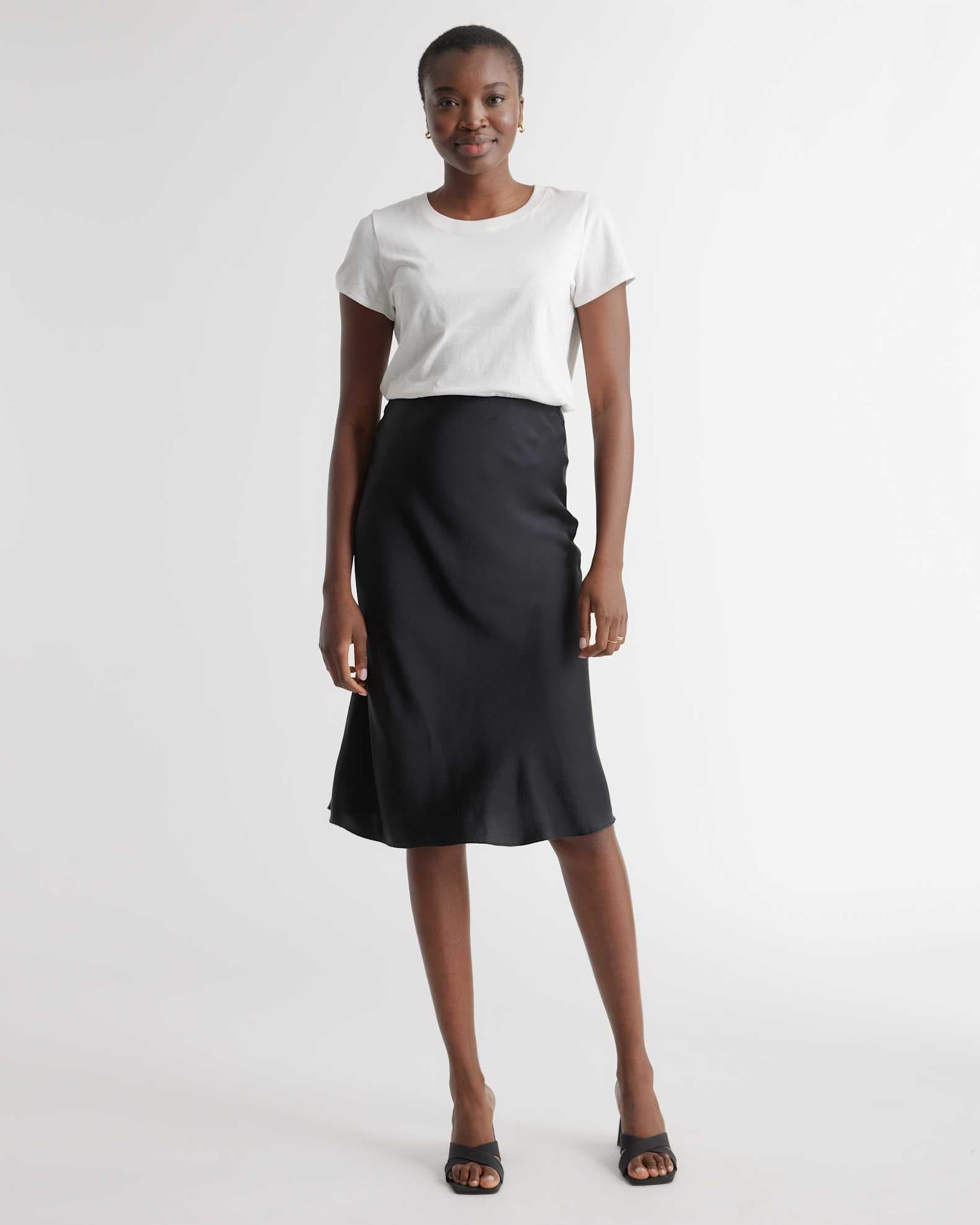
A clean tee under a blazer reads intentional, a knit set with simple sneakers looks finished, and joggers under a trench stop being “home clothes” the second the coat goes on. If every piece can layer with at least two others, the capsule starts doing real work.
Choose fabrics like you mean it
Fabric is what separates real loungewear from sad sleepwear. Brushed cotton and French terry are the safest daily drivers because they feel soft without collapsing into shapelessness. Modal and jersey bring drape and that smooth, fluid hand that makes a tank or tee look a little more considered. Cashmere or merino blends earn their keep when you want lightweight warmth without bulk.
The test is brutally simple: does the waistband twist, do the knits bag out, and does the piece keep its shape after repeated washing? If the answer is no, it is not capsule material. The best loungewear pieces hold their line at the hem and through the knee, which is exactly why the silhouette matters just as much as the fabric. Wide-leg joggers should skim, not balloon. Leggings should sit flat, not fight you at the waist. Cardigans should drape instead of slouching into a tired pile.
Pick a palette that looks intentional
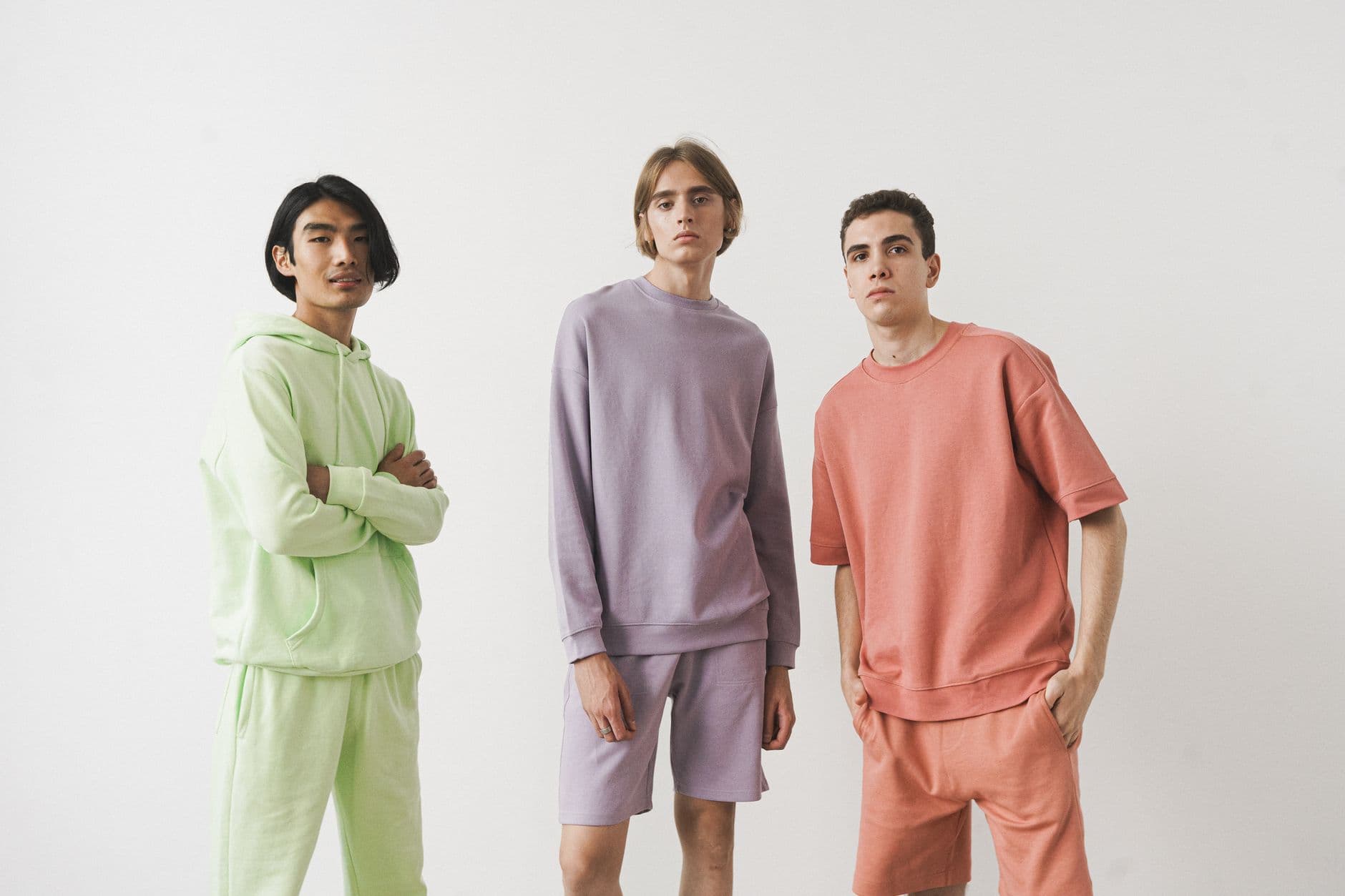
Color does half the styling for you. The easiest loungewear capsule palette runs through oatmeal, heather gray, navy, black, and olive, then adds one accent color so the whole thing does not flatten out. Those tones all play nicely together under coats, over tees, and with knitwear, which means you can get dressed in seconds and still look like you thought about it.
This is where a lot of home clothes fail. Too many bright colors and every piece looks like a separate mood; too many washed-out grays and it starts reading like sleep. The sweet spot is neutral, layered, and slightly edited. When your cardigan, joggers, and tee all belong to the same color family, you can throw a coat over the top and head out without changing the outfit.
The real-life styling test
A loungewear capsule should pass three tests: the laptop test, the curb test, and the laundry test. On camera, it needs clean lines and a palette that does not scream pajamas. On the curb, it needs to look finished under a trench, blazer, or wool coat. In the wash, it needs to come back in one piece.
TechSci Research puts the global loungewear market at USD 7.11 billion in 2025 and forecasts an 8.86 percent CAGR from 2026 to 2031. DataHorizzon Research values the market at about USD 16.2 billion in 2024 and expects it to reach USD 26.8 billion by 2033. Technavio projected in a PR Newswire distribution that sleepwear and loungewear should grow by USD 36.46 billion from 2025 to 2029, helped by demand for designer and premium options.
Why buy less, wear more actually works here
Loungewear is one of the rare categories where cost-per-wear can be brutally honest. You are not buying a piece for the fantasy version of your life. You are buying for the version that sits on Zoom, makes coffee, answers the door, and still wants to look decent at 6 p.m.
It also plays well with resale. ThredUp’s 2024 Resale Report shows that the global secondhand apparel market continues to grow, and loungewear fits that circular logic neatly. Cardigans, tees, leggings, and knit sets are easy to inspect for pilling and shape, which makes them smart secondhand targets if you want to build the wardrobe without overbuying.
This article was produced by Prism’s automated news system from verified source data, official records, and press releases, then run through automated quality and moderation checks before publishing. The system is built and supervised by the people who set the standards it runs under. Read our full AI policy.
Did this article answer your question?