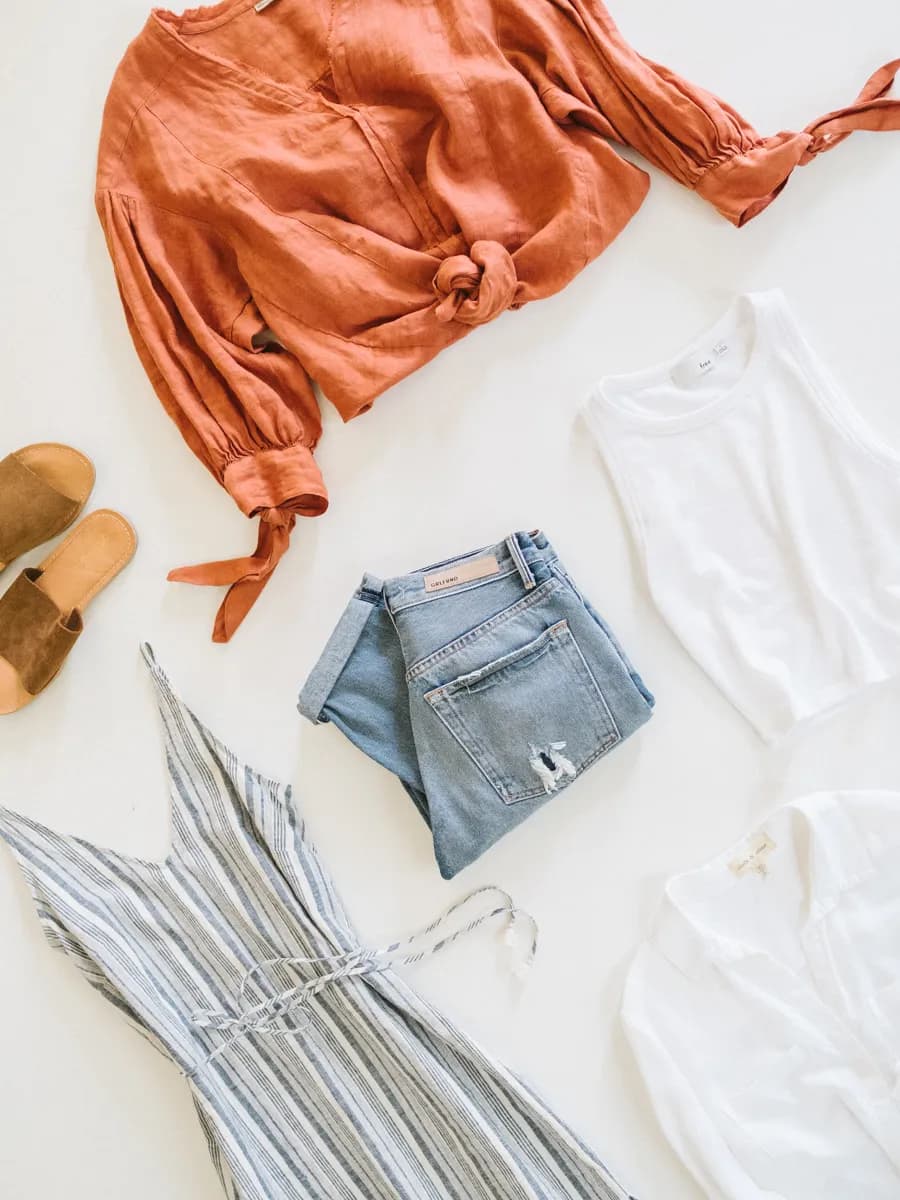
How to care for a capsule wardrobe that lasts season after season
A capsule wardrobe lasts only when you care for it well. Wash less, store better, and protect key pieces so every buy keeps paying you back.
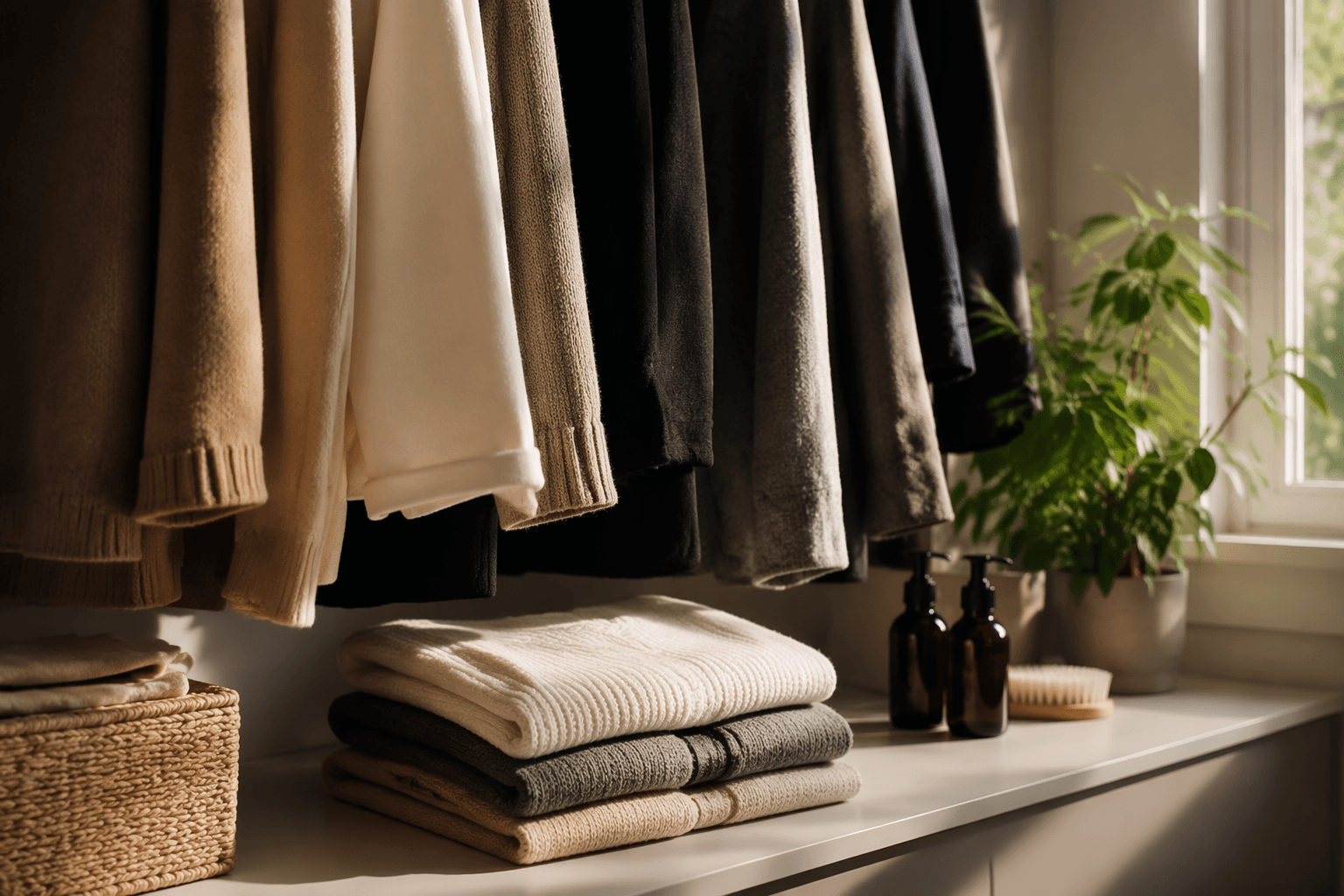
The wool sweater that resists pilling, the silk blouse that keeps its drape, and the tailored trouser that still breaks cleanly at the shoe after a season of rotations are what give a capsule wardrobe its reputation. The real work is not the edit, it is the upkeep.
For The Laundress, capsule dressing is a wardrobe built to be protected, not merely assembled. If the pieces pill, fade, stretch, or lose shape quickly, the whole system turns back into replacement shopping.
The case for keeping fewer, better pieces in rotation
Capsule wardrobes are often framed as a sustainability strategy because they encourage buying less and wearing pieces longer. Cost per wear still matters more than the sticker price. A $120 sweater that stays in rotation for five winters is a better capsule buy than a cheaper top that bags out, pills, and looks tired after one season.
The idea is flexible, not fixed. In January 2024, experts put a capsule wardrobe at about 85 pieces or fewer. Who What Wear has taken the concept down to 30 pieces, while some starter lists go as low as 10.
The best shorthand for the logic is still Steve Jobs, who wore the same black turtleneck, Levi’s jeans, and New Balance sneakers for years.
Start with the care label, not the checkout screen
A capsule wardrobe should begin with the label inside the garment, because care instructions tell you whether something belongs in a low-maintenance system or will demand constant intervention. Reading the care label before you buy can help clothes keep their color, shape, and quality for much longer.
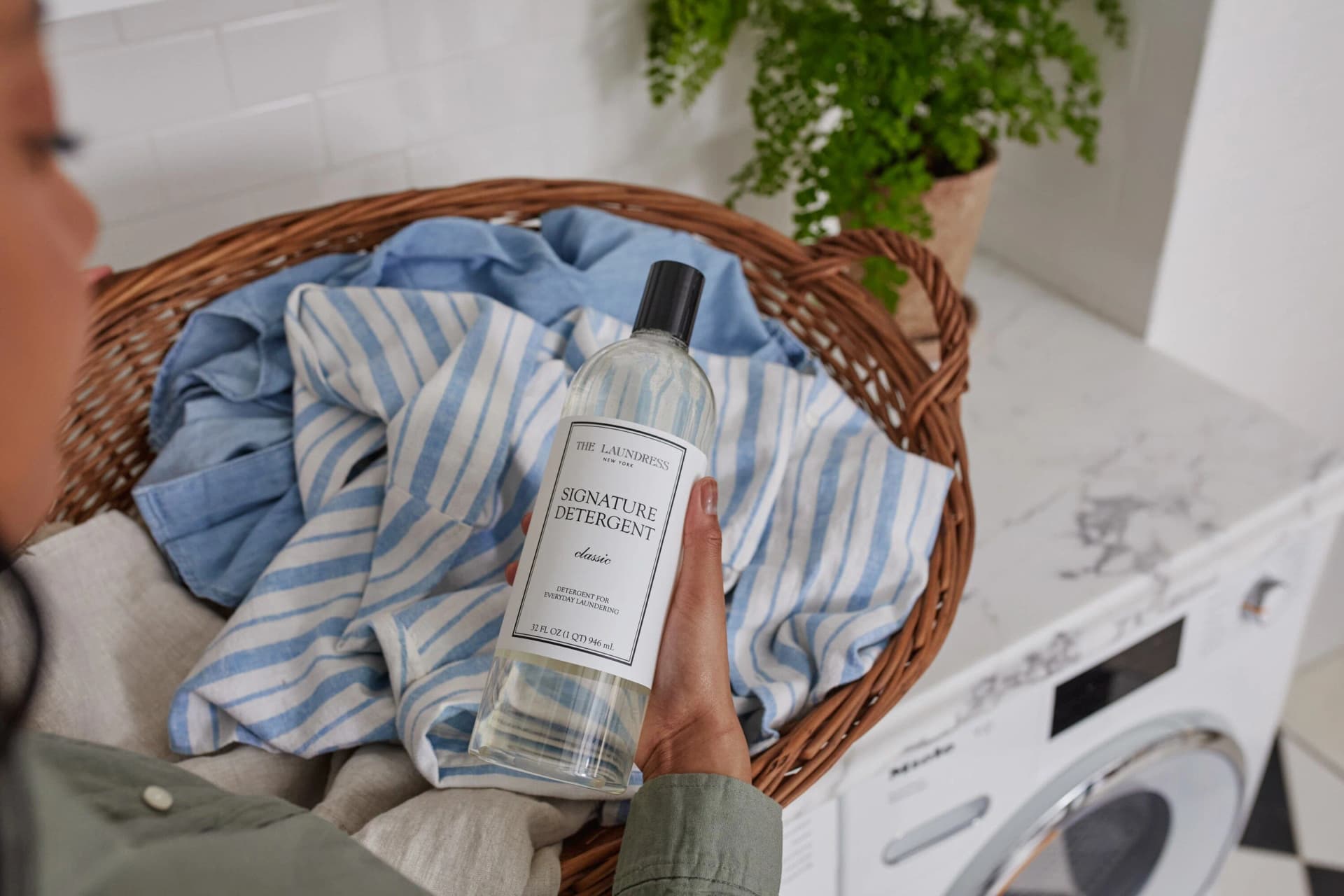
Sort laundry by fiber content, not just by color. Wool, silk, denim, cotton, and synthetic blends each ask for slightly different handling, and a mixed load can be harder on the most delicate pieces. Turn garments inside out before washing to reduce surface friction, and use mesh bags for delicates so straps, lace, and fine knits do not abrade against zippers and buttons.
Cold water is the default worth trusting when the care label allows it. It is gentler on color and structure, especially for pieces that need to keep their shape over repeated wear. That one habit protects the very clothes a capsule relies on most, from black trousers to soft tees to the knit that seems to anchor every outfit.
Wool sweaters and knits need restraint
Knits are also the easiest to damage through over-washing. After wearing a sweater, let it air out before deciding it needs a full clean, and save the machine for actual soiling rather than habit.
When pilling appears, handle it early. A fabric shaver or sweater comb can restore the surface before the fuzziness spreads across the chest or along the underarm seams. Dry knits flat so they do not stretch out on a hanger, and pack away off-season sweaters only after cleaning them first.
Storage matters as much as washing. Keep cedar or another moth deterrent with stored wool, cashmere, and other natural fibers so the pieces you saved for next season are still worth pulling back out.
Silk blouses and tailored pieces prefer low-drama care
The refined parts of a capsule, the silk blouse, the tailored trouser, the polished shirt, usually look most expensive when they are treated with the least fuss. Spot-treat stains early instead of letting them set, because a tiny mark on silk or fine cotton becomes much harder to remove once it has been through heat and repeated wear. Airing out between wears is often enough for pieces that are not visibly dirty.
If the garment can go in the machine, the mesh bag becomes your insurance policy. If it cannot, keep the cleaning schedule conservative and use the care label as the final word. This is especially important for the kinds of elevated basics capsules rely on most, since one damaged blouse can throw off multiple outfits.
Denim, tees, and other high-rotation staples need protection, not punishment
The most-worn pieces in a capsule are often the least carefully treated. Jeans get washed too often, tees go through unnecessary cycles, and the black top you wear twice a week is the first thing to lose its shape if you treat every wear like a crisis. Refresh those items by airing them out and spot-cleaning early, then wash only when they really need it.
That approach extends the life of the workhorses in your closet. It also keeps their color and hand-feel closer to new, which matters when one denim jacket or one ribbed knit is supposed to work across multiple seasons.
A sustainable capsule is maintained, not just edited
The broader message has been building for years. Kathryn Kellogg’s January 24, 2023 piece for Going Zero Waste placed the capsule wardrobe squarely inside sustainable fashion, and Courtney Carver’s Be More with Less pairs capsule-building with laundry care for the same reason: buying less only goes so far if you do not protect what you own.
This article was produced by Prism’s automated news system from verified source data, official records, and press releases, then run through automated quality and moderation checks before publishing. The system is built and supervised by the people who set the standards it runs under. Read our full AI policy.
Did this article answer your question?