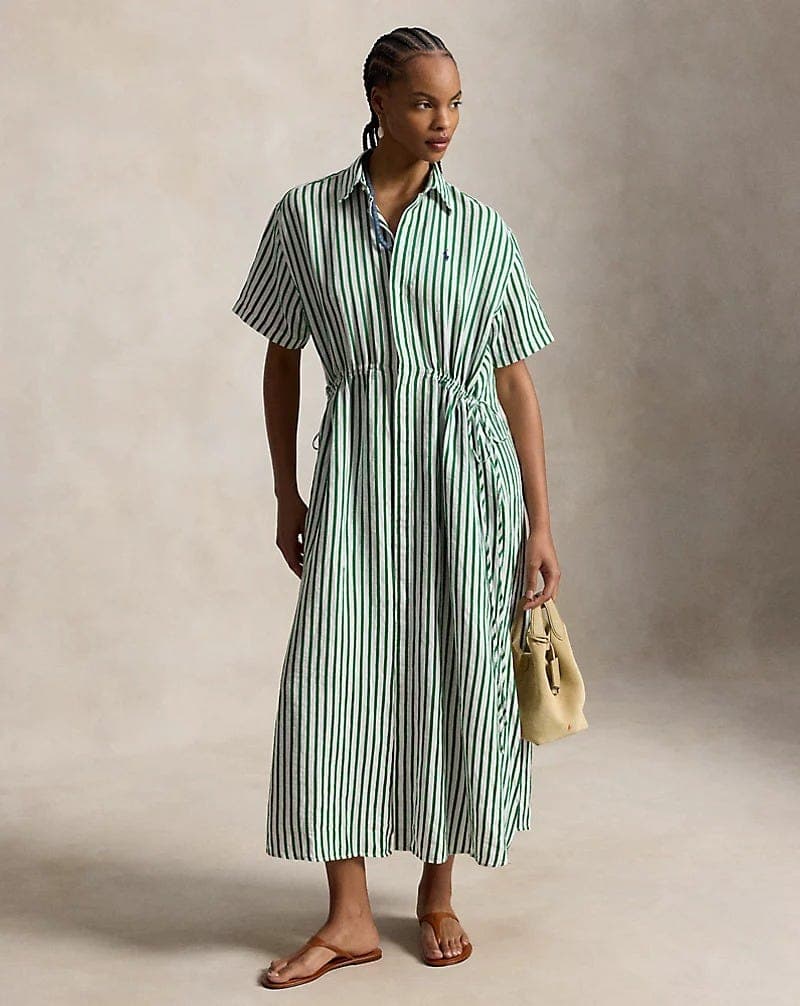
How to curate a fashionable capsule wardrobe that makes getting dressed easy
Most people wear just 20% of their wardrobe 80% of the time. Lauren Morley's Twenty Outfit Wardrobe System fixes that with a surprisingly small set of hero pieces.
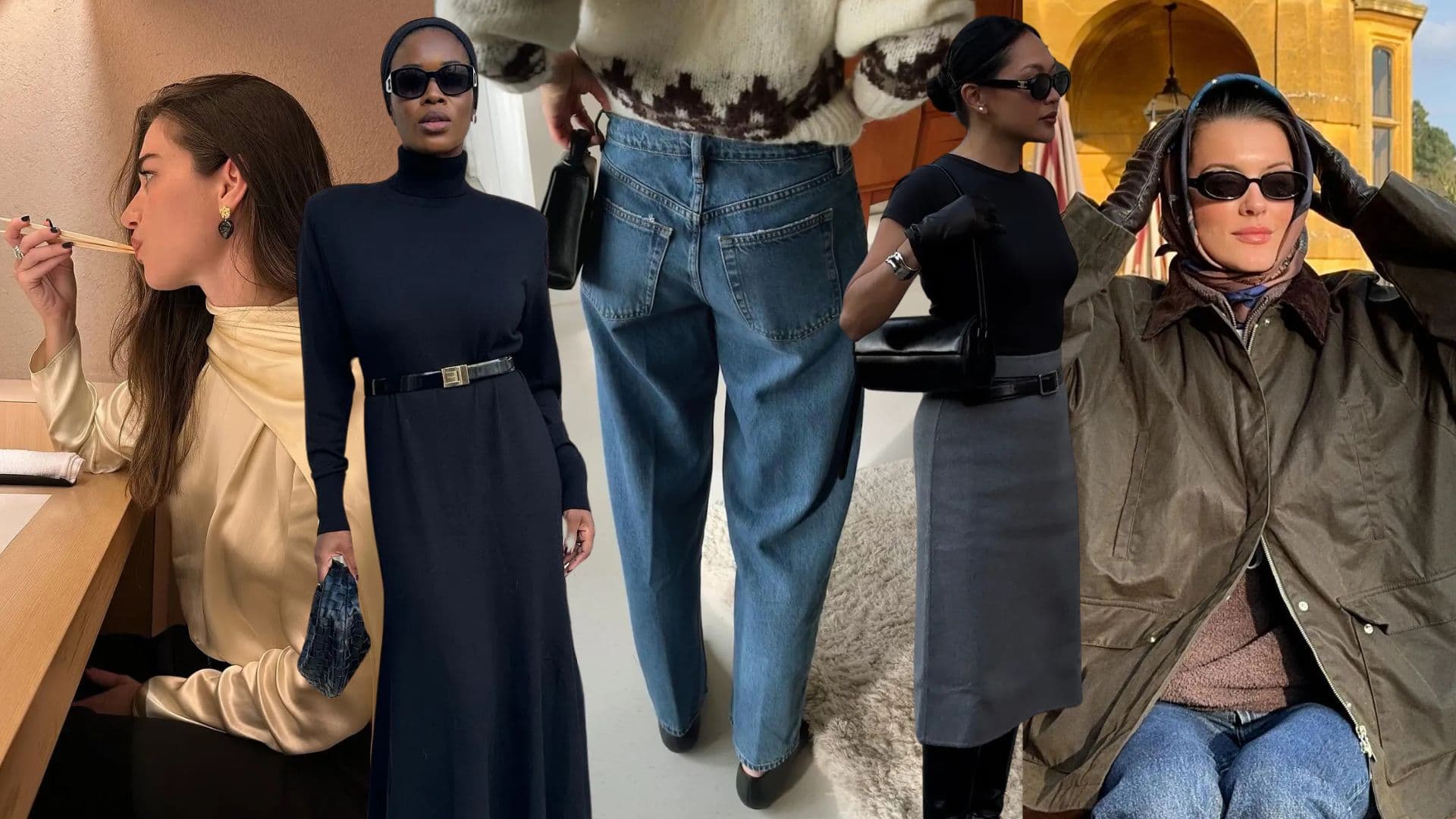
The wardrobe math that changes everything
Most people wear roughly 20% of their wardrobe 80% of the time. Read that again. If you own 60 pieces of clothing, you're probably dressing from the same 12 items on repeat while the other 48 hang in the dark collecting regret. That's the Pareto Principle applied to your closet, and it's the statistic that sits at the core of everything Lauren Morley teaches.
Morley, creator of the Twenty Outfit Wardrobe System and co-host of the Millennial Minimalists podcast, has a different proposition: stop counting pieces and start planning outfits. Specifically, 20 of them. Her premise, demonstrated in a recent Breakfast Television segment with host Dina, is elegantly blunt. Twenty outfits covers roughly a month of dressing. If you can map those 20 looks before you ever open your closet in the morning, you can get dressed in under a minute and still look entirely pulled together. That's not a hypothetical. That's what happened when Morley overhauled her own wardrobe after years of owning too much, shopping constantly, and still feeling like she had nothing to wear.
Choose 5 to 7 hero pieces first
The system starts not with a shopping list but with a short roster of pieces that can carry real weight. Morley's core kit is deliberately lean: a few tees in neutral or versatile tones, one blazer, one trench or lightweight coat, two bottoms (think a straight-leg trouser and a relaxed jean or skirt), and one dress. That's it. These aren't just basics; they're the structural bones of your entire outfit rotation. Each piece needs to earn its place by working across multiple looks, not just one.
The blazer is the real workhorse here. In Morley's demonstrations, a single blazer moves from a sharp office look over a white tee and tailored trousers, to a weekend outfit thrown over a midi dress, to a travel combination layered over a striped tee with straight-leg denim. Same piece, three completely different registers. The trench or light coat performs the same trick for outerwear, which becomes critical the moment the weather turns unpredictable, as it always does in spring.
Map the 20 outfits before you buy a single thing
Here's where the method separates itself from every "capsule wardrobe" listicle you've ever clicked on. Morley doesn't start with shopping. She starts with a grid. Before anything enters or leaves your closet, you map out 20 complete outfit combinations using what you already own, covering the real contexts of your life: work meetings, casual weekends, travel days, social dinners.
For a mixed office-and-weekend lifestyle, a concrete grid might look like this:
- Work looks (8 outfits): blazer + tailored trouser + tee in three color rotations; blazer + dress; trench + midi skirt + fitted knit; trouser + blouse, no blazer for warmer days
- Weekend looks (8 outfits): denim + tee + trench; dress + sneakers; relaxed jean + oversized tee; jean + tee layered under blazer for cooler mornings
- Travel/transitional looks (4 outfits): trench over dress; blazer + comfortable jean + flat shoe; trouser + tee + sneaker; layered knit over tee with jean
Twenty outfits. One blazer. One trench. Two bottoms. A dress. A few tees. That's the math.
Accessories multiply, they don't decorate
Once the clothing grid exists, Morley brings in accessories as outfit multipliers rather than afterthoughts. Her rule: keep a small capsule of two to three bags and two to three pairs of shoes. A structured shoulder bag for work, a casual tote or crossbody for weekends, a clutch or smaller bag for evening. For shoes, something clean and flat that works with both trousers and denim, a heel or block-heel boot for office and dressed-up moments, and a white sneaker or comfortable loafer for everything else.
Swap in a different bag or shoe and the same clothing combination reads as an entirely different outfit. That's the multiplication effect Morley builds on. It's why the accessories edit is just as important as the clothing edit; one wrong choice in either category creates a piece that only works with one specific look, which is exactly the kind of single-use item she teaches clients to remove.
Layering for the in-between season
Spring dressing is where most wardrobes break down. The morning is 48 degrees, the afternoon hits 68, and by evening you're back to needing something with structure. Morley's system handles this through layering logic rather than seasonal overhauls. The trench becomes the transitional anchor: lightweight enough to carry in a tote, structured enough to elevate any outfit underneath it. The blazer does the same work indoors, where spring air conditioning creates its own micro-climate of cold.
The tees are the internal regulators. A long-sleeve fitted tee under a blazer works for a cold morning; peel off the blazer at noon and you have a different look with zero additional pieces. This is the layering system Morley demonstrates specifically for the transitional gap between winter and spring, the window where most people default to buying something new because nothing in their existing wardrobe feels right. The fix isn't more pieces; it's smarter combinations with what already exists.
Photograph your outfits and audit ruthlessly
Two practical habits make the whole system stick. First: photograph each of your 20 outfits once you've mapped them. Store them in a phone album or a notes app. On a Tuesday morning when your brain hasn't fully loaded, you're not styling; you're just scrolling and choosing. Morley teaches this to clients as a grab-and-go reference that removes the friction from the getting-dressed decision entirely.
Second: audit regularly and remove single-use items. If a piece only works in one specific combination and can't be remixed into at least two or three outfits on your grid, it's not earning its place. Single-use items are the reason the 80/20 problem exists in the first place. They look appealing in isolation (usually in a store, under flattering light, styled by someone else) but they create closet paralysis at home because they only make sense with things you don't consistently wear together.
The audit isn't about minimalism as an aesthetic. It's about function. Every piece that can't pull its weight in the 20-outfit grid is actively making your mornings harder.
Start the audit today
The most actionable entry point to Morley's system isn't buying anything. It's a single exercise: open your closet right now and identify the 20% of pieces you actually reach for. Chances are, you'll find your own version of the same small kit already in there: a reliable blazer, a few tees you trust, a bottom or two that always works. The Twenty Outfit Wardrobe System doesn't ask you to start over. It asks you to be intentional about what you already know works, plan it out in advance, accessorize it deliberately, and stop mistaking a full closet for a functional one.
This article was produced by Prism’s automated news system from verified source data, official records, and press releases, then run through automated quality and moderation checks before publishing. The system is built and supervised by the people who set the standards it runs under. Read our full AI policy.
Did this article answer your question?