Light-tint sunglasses add subtle polish to summer outfits
Light-tint sunglasses split the difference between clear frames and dark shades, and Jacques Marie Mage’s Dealan makes that case with expensive ease.
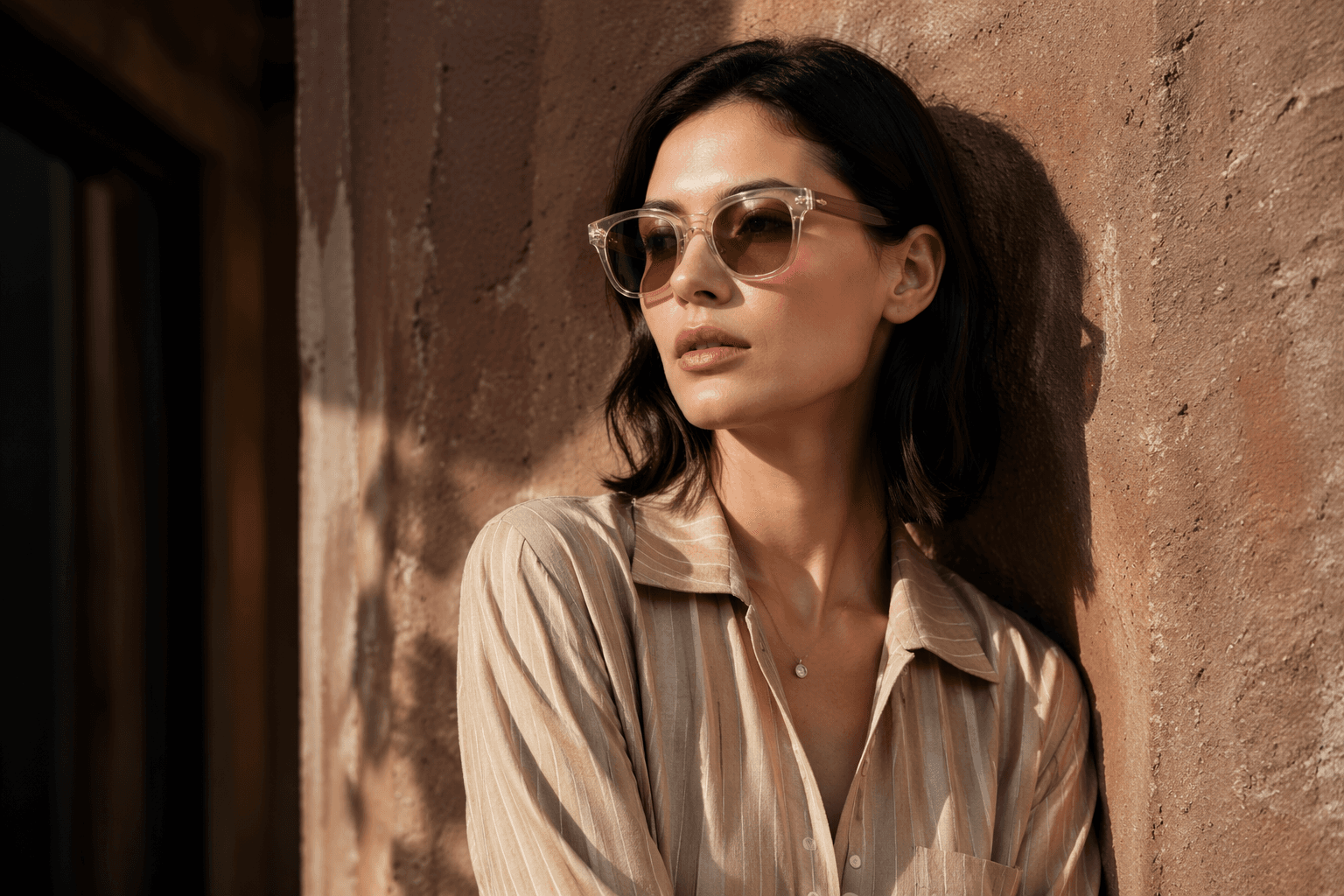
Light-tint sunglasses are the rare accessory that looks intentional without trying too hard. They cut the glare, keep the face visible, and land in that sweet spot between clear frames and the full blackout energy of standard sunnies, which is exactly why they work so well in a capsule wardrobe.
The case for the softer lens
The appeal is practical before it is aesthetic. Different lens tints can reduce glare and eye fatigue while changing how colors read, so the effect is not just about style, it is about how the world looks through them. Light tint gives you that subtle mood shift, the kind that makes a white tee, a crisp shirt, or a linen set feel a little more pulled together the second they hit your face.
That also makes the category easy to wear indoors and outdoors without feeling costume-y. Photochromic lenses take that idea even further by staying relatively clear inside and darkening outside, but a lightly tinted pair gives you more of a style statement, a visible finish that still feels calm. If your closet runs on repetition, the right pair of light-tint sunglasses works like a final layer, not a dramatic one.
Why the Dealan keeps coming back
The strongest case in this lane is Jacques Marie Mage’s Dealan, a frame the brand calls a coveted design from its debut season in Spring 2015. The story matters because the shape is not chasing a disposable trend; it is tied to a ‘60s-era relationship between an artist and their eyewear, which gives the frame its swagger and its permanence.
That heritage is part of why it reads more like an object than an accessory. The current version is sold in limited production batches and listed at $960 on the brand’s site, which puts it firmly in luxury territory. You are paying for the silhouette, the scarcity, and the kind of name-recognition that makes the frame feel collected rather than merely bought.
For capsule dressing, that matters. A piece like this has to do more than look pretty in a product shot. It has to work with the same stripped-back wardrobe over and over, and the Dealan’s light tint gives it range: polished with tailoring, relaxed with denim, and sharp enough to hold its own with summer basics that can otherwise look too plain.
What actually protects your eyes
Style is the visible part of the story, but the eye-health part is where people get sloppy. The American Academy of Ophthalmology is clear that the most important sunglasses feature is 100% UV protection or UV400 labeling. That is the line that should decide whether a pair is worth wearing, not how dark the lens looks in the mirror.
Darker lenses do not necessarily protect better, which is a useful reality check if you have been equating tint depth with performance. The academy also recommends oversized or wraparound frames for better side protection from UV rays, which means the best everyday pair is not only about tone, but about coverage and shape.
That is the real sweet spot for light-tint sunglasses in summer. You can have the polished, low-key feel of a lighter lens and still insist on the technical details that matter. For a capsule wardrobe, that balance is the whole point: one pair that looks refined, works hard, and does not force you to choose between fashion and function.
The long fashion memory of sunglasses
Sunglasses have been reading as serious fashion objects for decades, not just practical gear. The Metropolitan Museum of Art has an André Courrèges sunglasses design in The Costume Institute collection dated to circa 1965, and that detail is a neat reminder that the idea of sunglasses as style architecture is hardly new.
Courrèges belongs to the era when accessories started to look like forward-looking design instead of afterthoughts. That history still matters because it explains why sunglasses can change the entire posture of an outfit with one small move. A good frame alters the line of the cheek, the proportion of the face, and the mood of even the simplest summer uniform.

Light-tint styles carry that legacy in a quieter register. They do not hide the face the way a black lens can, and they do not disappear like a clear frame. They sit in the middle, which is why they feel so useful for people building a tight wardrobe around clean shapes, neutral colors, and pieces that need one final layer of edge.
How to wear them without overthinking it
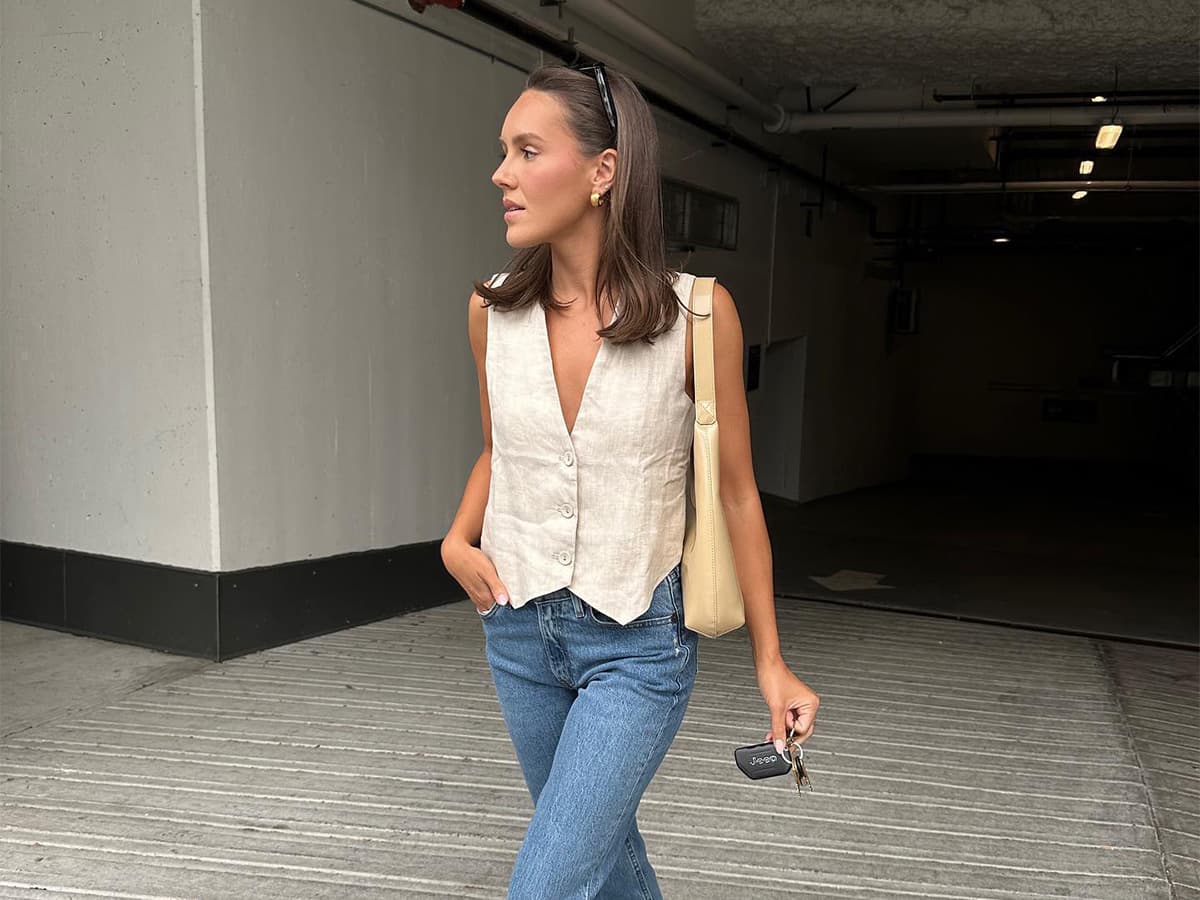
Light-tint sunglasses work best when the rest of the outfit already has a clear point of view. Think clean shirting, relaxed tailoring, sharp tanks, sun-faded denim, or a dress with enough shape that the glasses can act as the finishing touch instead of the main event. The lens does the polishing for you, so you do not need much else.
A few easy pairings make the point fast:
- Crisp button-downs and straight-leg denim
- Tailored shorts and a tucked-in tee
- Linen sets that need a little structure
- Sleek tanks with wide-leg trousers
- Simple summer dresses that benefit from one strong accessory
That is why this category is such a smart single purchase for capsule dressers. It fills the gap between clear frames, which can feel a little too understated, and dark sunglasses, which can read heavy in bright weather. Light-tint sunglasses are the more versatile middle ground, the pair that looks intentional from breakfast to late afternoon and keeps the outfit polished without announcing itself too loudly.
This article was produced by Prism’s automated news system from verified source data, official records, and press releases, then run through automated quality and moderation checks before publishing. The system is built and supervised by the people who set the standards it runs under. Read our full AI policy.
Know something we missed? Have a correction or additional information?
Submit a Tip