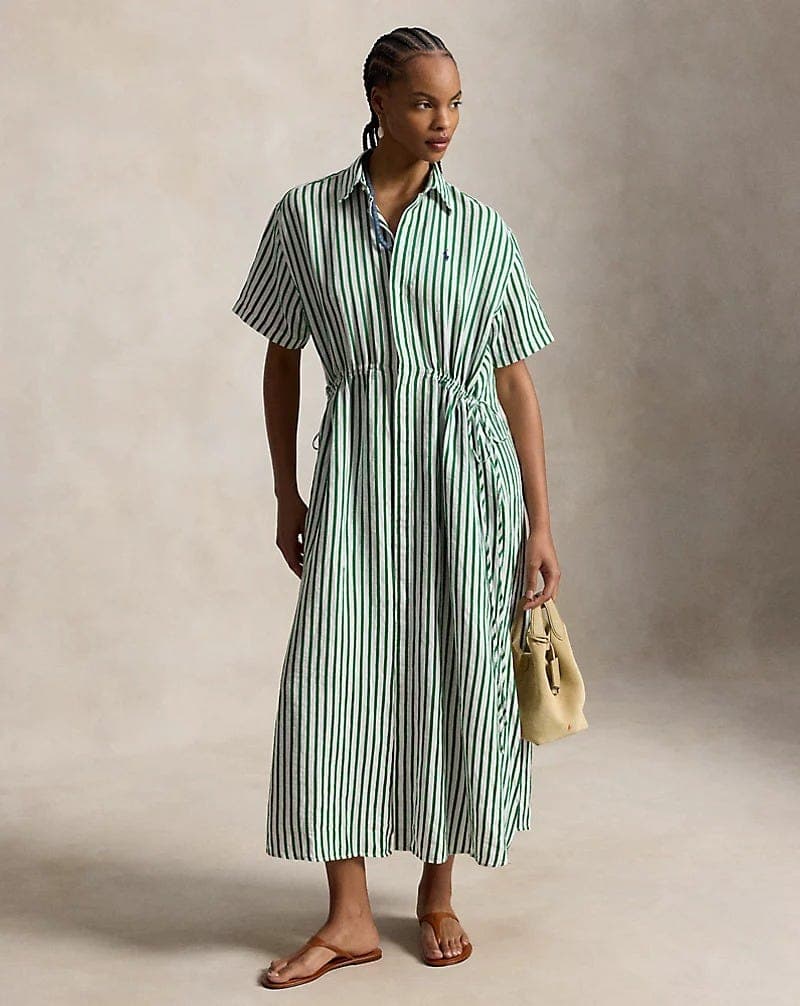
Marie Claire backs Deiji Studios as a summer capsule staple
Deiji Studios is the rare summer brand that earns its rack space: linen sets, soft layers, and neutral staples that pack light, repeat well, and actually beat heat.
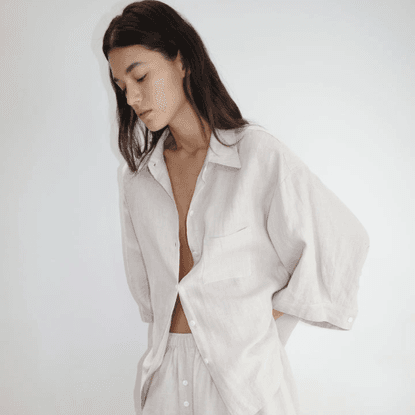
Why Deiji Studios lands in the capsule conversation
Deiji Studios works because it solves the oldest summer wardrobe problem: too much heat, not enough effort. In a feed where 95.6% of readers scroll without commenting, that matters because the most shareable idea is also the simplest one, a uniform that looks polished, packs light, and cuts decision fatigue.
Founded in 2016 by Byron Bay-based friends Juliette Harkness and Emma Nelson, the brand was built around high-comfort linen bedding and loungewear that blurs sleepwear and ready-to-wear. That origin story is exactly why it keeps showing up in capsule wardrobes: Deiji is not trying to be fashion drama. It is trying to be the thing you reach for when you want to look composed without building a whole outfit from scratch.
The aesthetic is part of the appeal too. FARFETCH describes the brand through neutral palettes, lightweight linens, and pared-back detailing, and that is the formula in a nutshell. Nothing shouts. Everything layers. The result feels more like a smart uniform than a trend chase, which is why editors keep circling it when the weather turns sticky.
The pieces that do the heavy lifting
If you are building a summer capsule around Deiji, start with the sets. Net-a-Porter says the label’s 01 and 03 sets are made with OEKO-TEX certified fabrics, and that detail is not just good marketing fluff. It means the clothes are positioned as comfortable, wearable pieces first, with enough structure to move from home to street without looking half-dressed.
The smartest Deiji wardrobe is not about collecting a dozen separate items. It is about choosing five or six pieces that can do triple duty:

- The 01 set, for travel days, slow weekends, and anything that needs to look intentional with zero styling
- The 03 set, for the same reason, but with enough freshness that it does not feel like you are wearing a repeat of the first look
- A lightweight shorts set, the kind Who What Wear saw on Monikh Dale and Jessica Skye back in July 2022, because that is the easiest answer to high summer dressing
- A neutral linen top, which can sit with the matching bottom or break away with denim, tailored trousers, or a swim cover-up
- An easy trouser or relaxed short, useful when you want more coverage than a mini but less heat than a full outfit
- One soft layer in organic cotton or linen, for evenings, air-conditioning, and the usual vacation overpacking panic
The power move here is mix-and-match. A Deiji top with washed denim reads cleaner than a loud top with the same denim. The matching set with a structured sandal and a proper bag looks more considered than the same set worn with slides. And the easy separates keep the brand from turning into costume, which is the trap of a lot of “minimal” labels.
Why the brand feels so current without looking trendy
Deiji’s bigger retail footprint helps explain why it has stuck in editor conversations. The brand’s stockists include Net-a-Porter, SSENSE, Moda Operandi, Ounass, Viavia, 29CM, and Studio Easy, alongside Deiji concept stores in Byron Bay and Paddington, Australia. That spread says something important: this is not a niche local label anymore, even if the design language still feels intimate and beach-adjacent.
SSENSE frames the line as sustainable sleepwear and loungewear for everyday wear, and that is the right lane to think about. Deiji is not competing with occasionwear brands or trying to win on novelty. It is competing with the real-life rotation pieces in your closet, the things you wear on repeat when the forecast is brutal and you still want to look pulled together.
The Byron Bay identity also matters. Byron has a way of making minimal clothes feel lived-in rather than sterile, and Deiji leans into that with softness instead of polish-for-polish’s-sake. The brand’s social, ethical, and environmental consciousness gives it another layer of credibility, but the real test is whether the clothes can survive actual life: carry-ons, long lunches, beach-to-dinner detours, and the kind of outfit repetition that happens when a piece is genuinely good.

Is the price worth it?
This is where Deiji has to earn its keep, because capsule dressing lives or dies on cost-per-wear. The brand makes sense if you wear the same set three ways, and if a shirt can move from sleep-adjacent mornings to city errands to dinner with a different shoe. If you only want one pretty linen moment, the math gets less convincing.
But if your wardrobe is built around friction reduction, Deiji is easy to justify. OEKO-TEX certified fabrics, breathable linen, and organic-cotton pieces are exactly the kind of materials that matter when the weather is hot and you are wearing the same silhouettes on repeat. The value is not in insider cachet. It is in the fact that these clothes can become part of your weekly rhythm without making you think too hard.
The capsule takeaway
Deiji Studios is strongest when you treat it as a system, not a one-off purchase. The brand’s best pieces bridge loungewear and ready-to-wear, which means the same uniform can cover the airport, the apartment, and the kind of summer day that starts with coffee and ends with dinner outdoors.
That is why Deiji keeps landing in the quiet-luxury conversation. It does not scream for attention. It quietly solves the wardrobe problem summer creates, and that is what makes it feel like a staple instead of a trend.
This article was produced by Prism’s automated news system from verified source data, official records, and press releases, then run through automated quality and moderation checks before publishing. The system is built and supervised by the people who set the standards it runs under. Read our full AI policy.
Did this article answer your question?