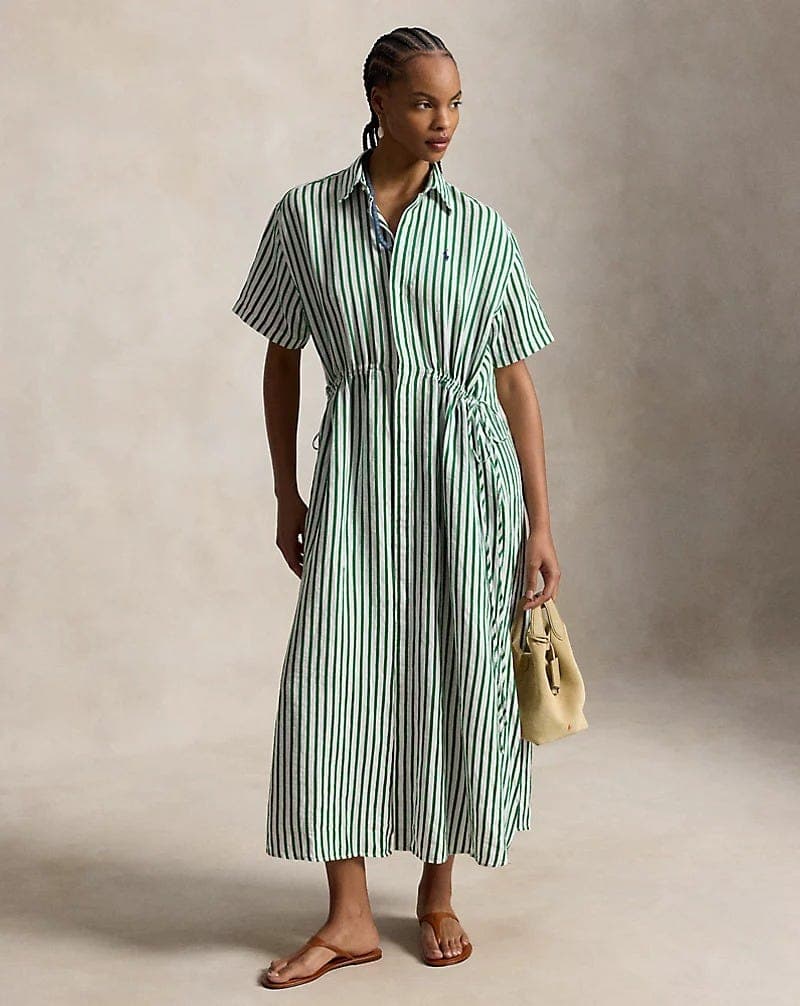
Mid-February 2026: 37 Quiet‑Luxury Brands Ranked by Craft, Materials and Repairability
Loro Piana’s vicuña push proves quiet‑luxury now sells provenance and repairability as much as price; the mid‑February ranked list of 37 measures craft, materials and fixability.

1. Loro Piana
Loro Piana tops material conversation on the list thanks to a deliberate expansion: the brand “has expanded its material story by integrating vicuña wool, a fiber historically reserved for Incan royalty and now ethically sourced from the Andes.” The notes say “The introduction of vicuña into its ready‑to‑wear lines offers tactile luxury and a narrative steeped in environmental stewardship and regional preservation,” and that “Loro Piana’s products are soft‚ lived expressions of patience‚ rarity‚ and conscience.” That sentence ties the label’s cashmere reputation to a clear material narrative, refined cashmere and wool, now amplified by vicuña and traceable sourcing.
2. Hermès
Hermès appears on the list as a model of craft-led sustainability: “Brands like Hermès and Gabriela Hearst demonstrate that sustainability‚ when rooted in craftsmanship‚ longevity‚ and ethical sourcing‚ becomes a natural expression of quiet values.” Expect the entry to emphasize painstaking leather work, slow‑moving Hermès ateliers and an emphasis on longevity rather than logos, exactly the quiet luxury the list ranks under craft and materials.
3. Gabriela Hearst
Gabriela Hearst is named alongside Hermès for embedding sustainability into product logic, not marketing. The list frames the brand as an exemplar where “sustainability‚ when rooted in craftsmanship‚ longevity‚ and ethical sourcing‚ becomes a natural expression of quiet values,” signaling high marks for material traceability, durable knit and a repair‑first approach common to the quiet‑luxury rubric.
4. The Row
The Row is explicitly praised for its ethos: “The Row ... embraces minimalism‚ slow production‚ and impeccable tailoring as a quiet protest against excess‚ expressing values through timeless form rather than overt branding.” On the list that translates to top scores for tailoring, clean silhouettes and slow‑made suits and knitwear that age into a wardrobe rather than a trend.
5. Brunello Cucinelli
Brunello Cucinelli is singled out not just for garments but for corporate intent: “Brunello Cucinelli explicitly blends profit with purpose‚ investing in the cultural and social wellbeing of its local Italian town, a philosophy the founder refers to as ‘humanistic capitalism.’” That makes the brand a high‑ranked case study in repairability and local craft investment: knitwear and suiting rooted in community care.
6. LŪRA
The source provides only a fragment: “LŪRA represents a new generation of quiet [...]” The truncation leaves the ranking intact but unnamed beyond that line; the list flags LŪRA as a contemporary contender, suggesting new atelier voices are present even if the supplied notes cut the profile short.
7. Italian knitwear exemplar (unnamed)
The original list groups entries under “Italian knitwear and suiting,” and this slot represents one of those unnamed brands. The source material confirms the list sorts labels by this craft area, and the unnamed entry would be judged by yarn pedigree, stitch construction and repairability rather than logo.
8. Italian suiting exemplar (unnamed)
Another Italian knit/suit slot appears in the list without a supplied name; based on the ranking criteria, a brand in this position would be evaluated for tailoring precision and material provenance, consistent with the list’s emphasis on craft, materials and repairability credentials.
9. Discrete leather goods exemplar (unnamed)
“Discrete leather goods” is an explicit category in the ranking; this unnamed slot stands for brands that focus on understated, repairable leather, the kind of hardware and stitching that quietly outlives seasonal bags.
10. Discrete leather goods exemplar (unnamed)
A second unnamed discrete leather goods position highlights the list’s attention to small leather ateliers where construction, lining choice and stitch density determine longevity more than monogram placement.
11. Minimalist atelier exemplar (unnamed)
Minimalist ateliers make up a named category and this unnamed entry represents a house judged for restraint, cut, and the material story behind each minimal silhouette, the list privileges silence over signage.
12. Minimalist atelier exemplar (unnamed)
A second minimalist atelier slot underscores the list’s focus on studios that “express values through timeless form rather than overt branding,” mirroring language used for The Row and reinforcing slow production as a ranking axis.
13. Repairability credential exemplar (unnamed)
Repairability credentials are explicitly called out as a category; this unnamed brand slot signals the list measures practical factors: whether soles are replaceable, seams are accessible, and if brands supply repair manuals or services.
14. Repairability credential exemplar (unnamed)
Another repairability entry emphasizes product durability and post‑purchase support, “These brands show their commitments through product durability‚ responsible material use‚ and support for artisanal and ecological systems,” language the list repeats as a rubric.
15. Craft-driven knitwear (unnamed)
This slot stands for a craft‑driven knitwear label whose entry would be judged on needle gauge, hand finishing and fiber origin, following the list’s declared axis of craft, materials and repairability.
16. Fiber innovation slot (unnamed)
The list highlights material innovation; following Loro Piana’s vicuña example, this unnamed slot represents brands experimenting with rare fibers or ethical traceability without ostentatious branding.
17. Heritage atelier (unnamed)
A heritage atelier position on the list rewards houses that maintain workshops and traditional techniques, aligning with the report’s statement that “product becomes narrative‚ and tradition looks forward.”
18. Small leather atelier (unnamed)
This entry covers a smaller leather specialist evaluated for discreet design and repair systems rather than hype‑driven resale value, reflecting the list’s discrete leather goods focus.
19. Contemporary minimalist label (unnamed)
The contemporary minimalist entry reflects a new crop of quiet labels who prioritize flat seams, neutral palettes and slow production cycles, the aesthetic the list treats as a quiet protest against excess.

20. Sustainability‑embedded brand (unnamed)
“Sustainability is not an accessory to the brand, it is embedded in its philosophy‚ operations‚ and storytelling,” and this unnamed slot represents a brand the list classified under that exact principle.
21. Artisan partnership exemplar (unnamed)
This slot signifies brands that support artisanal and ecological systems physically, sourcing from small workshops or cooperatives, matching the list’s explicit measures for responsible material use.
22. Durability first label (unnamed)
An entry awarded for practical longevity: construction that encourages resoling and restitching, aligning with the list’s emphasis that “These brands show their commitments through product durability‚ responsible material use‚ and support for artisanal and ecological systems.”
23. Material provenance slot (unned)
This entry would be judged for traceability, from farm to fiber, mirroring Loro Piana’s vicuña narrative of origin, stewardship and regional preservation noted in the source material.
24. Tailoring atelier (unnamed)
A tailoring atelier on the list is ranked for cut retention and repair pathways, how a suit can be maintained across years, which is the exact repairability axis called out by the piece.
25. Small knit atelier (unnamed)
A small knit house entry reflects the list’s Italian knitwear and suiting axis and would be evaluated for yarn sourcing, stitch longevity and the ability to restitch rather than discard.
26. Quiet‑luxury newcomer (unnamed)
The list includes new generation names like the fragmentary LŪRA mention; this slot represents a similar newcomer where the material story and repair options matter more than celebrity endorsement.
27. Leather repair champion (unnamed)
This slot stands for brands that actively provide repair services and parts, aligning with the report’s repairability credentials category and the broader claim that sustainability is embedded rather than appended.
28. Atelier with local investment (unnamed)
Mirroring Brunello Cucinelli’s model of local investment and “humanistic capitalism,” this slot recognizes brands that invest in community wellbeing as part of their craft model.
29. Slow‑production suiting (unnamed)
This position rewards slow production in suiting: measured runs, time‑tested canvases and tailors able to alter and repair garments for decades, criteria emphasized throughout the analysis.
30. Quiet accessories house (unnamed)
An accessories entry judged for understated hardware, leather thickness and lifecycles rather than trend pegs or logo saturation, reflecting the list’s discrete leather goods category.
31. Provenance storyteller (unnamed)
“Young consumers increasingly seek meaning in the materials they wear, stories of origin‚ care‚ and responsibility,” and this slot denotes brands that foreground provenance in product copy and supply chains.
32. Innovation and personalization signal (fragment)
The notes include a fragmentary claim: “# 81 % say innovation and personalization influence their decisions to purchase luxury products 40 2.” That awkward line appears as supplied and suggests the list’s accompanying analysis flagged innovation and personalization as major consumer drivers, though the exact context is truncated in the source material.
33. Repair‑forward knit label (unnamed)
A repair‑forward knit brand on the list would be ranked for replaceable collars, available spare yarn and local repair partners, practical signals the analysis lists as commitment markers.
34. Conservative silhouette atelier (unnamed)
This slot rewards brands that choose restraint: fabrics that patina, cuts that age well, and communication that avoids performative claims, echoing the list’s critique about how brands communicate, “Eschewing performative [...]” before the supplied text drops out.
35. Materials‑first house (unnamed)
A materials‑first entry would be judged for fiber selection, traceability and stewardship, criteria highlighted by Loro Piana’s vicuña work and the list’s repeated emphasis on embedded sustainability.
36. Repairability benchmark (unnamed)
The final unnamed benchmark position represents a brand deemed to set standards for repair pathways, service networks, parts inventories and clear guidance that keep garments alive longer, fulfilling the list’s repairability axis.
37. The list’s point of view
The ranked, categorized list published in mid‑February 2026 threads craft, materials and repairability into a single thesis: quiet luxury now equals provenance, fixability and slow production, not logos. The supplied notes make that explicit, “Sustainability is not an accessory to the brand, it is embedded in its philosophy‚ operations‚ and storytelling”, and the list’s named exemplars (Loro Piana, Hermès, Gabriela Hearst, The Row, Brunello Cucinelli, LŪRA) anchor that argument while the rest of the 37‑slot ranking remains largely unnamed in the supplied material.
This article was produced by Prism’s automated news system from verified source data, official records, and press releases, then run through automated quality and moderation checks before publishing. The system is built and supervised by the people who set the standards it runs under. Read our full AI policy.
Did this article answer your question?