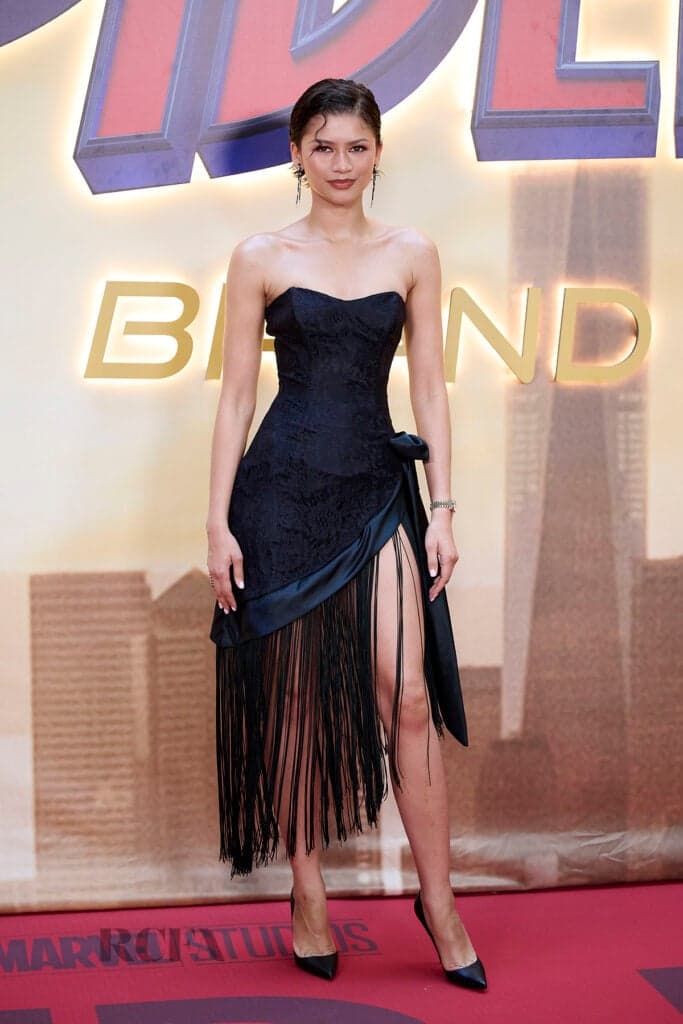
Queen Rania and Princess Rajwa revive the box clutch for evenings
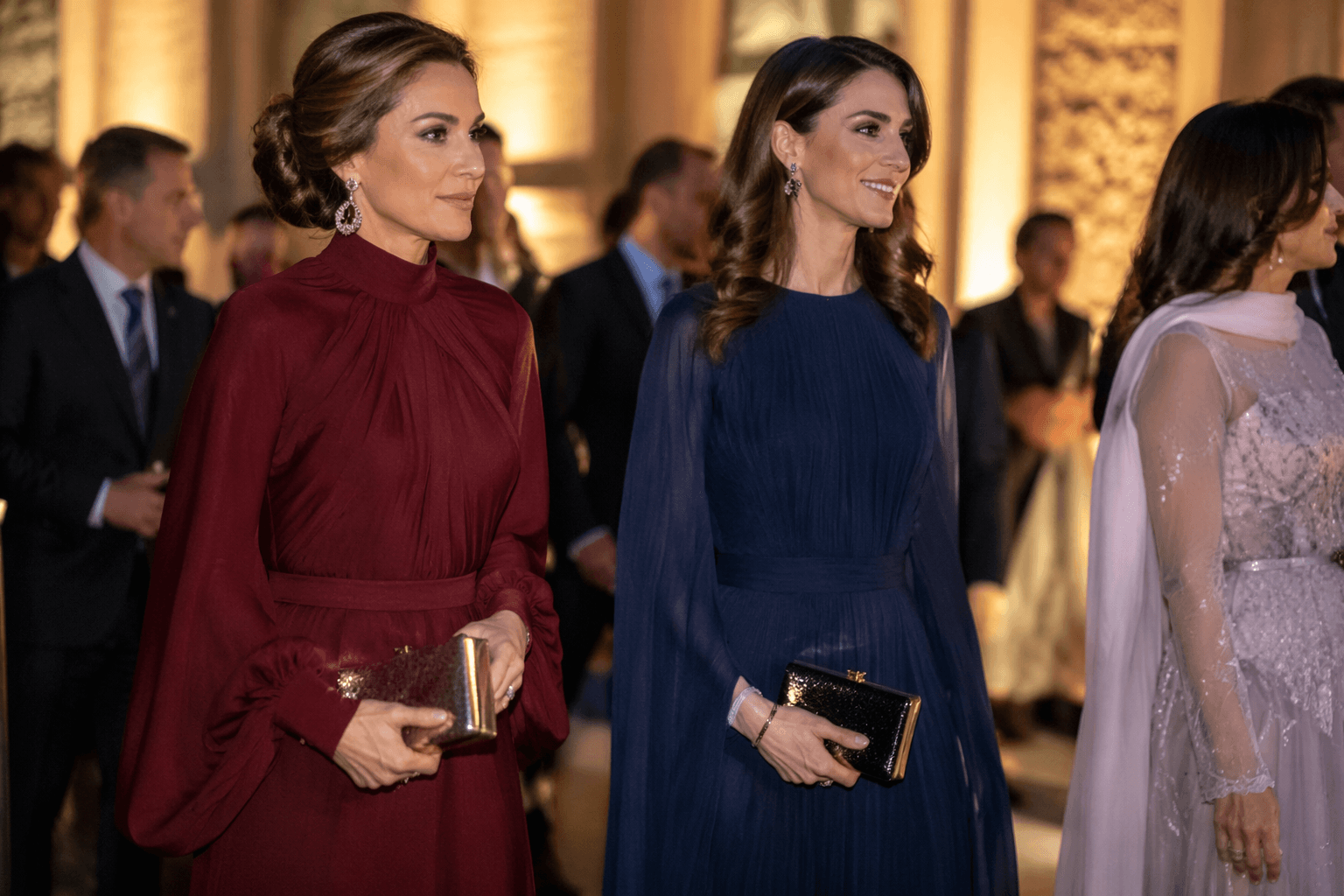
Queen Rania, Princess Rajwa, and Princess Salma make the box clutch feel newly relevant. The appeal is simple: one crisp bag that tightens a formal look.
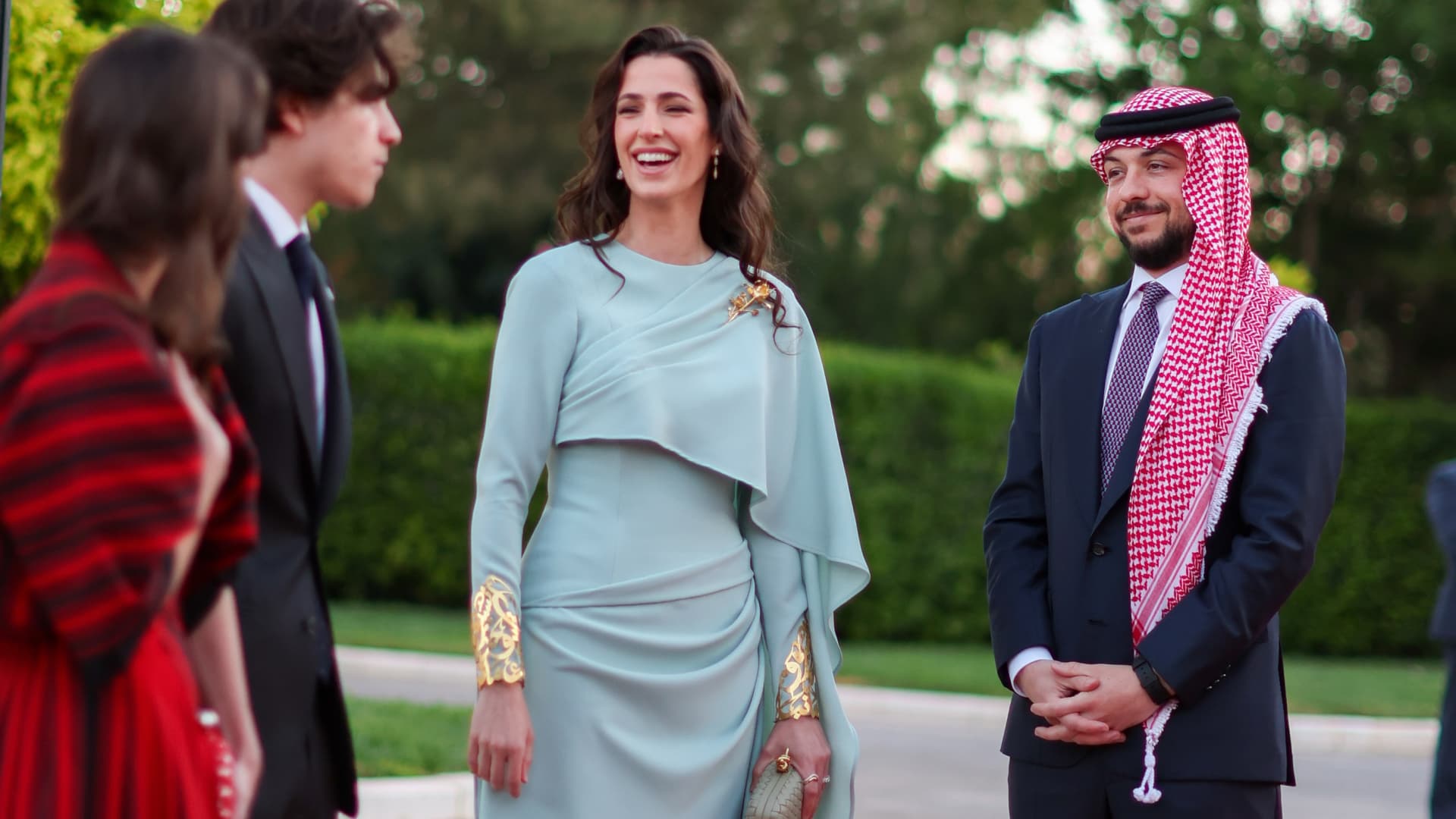
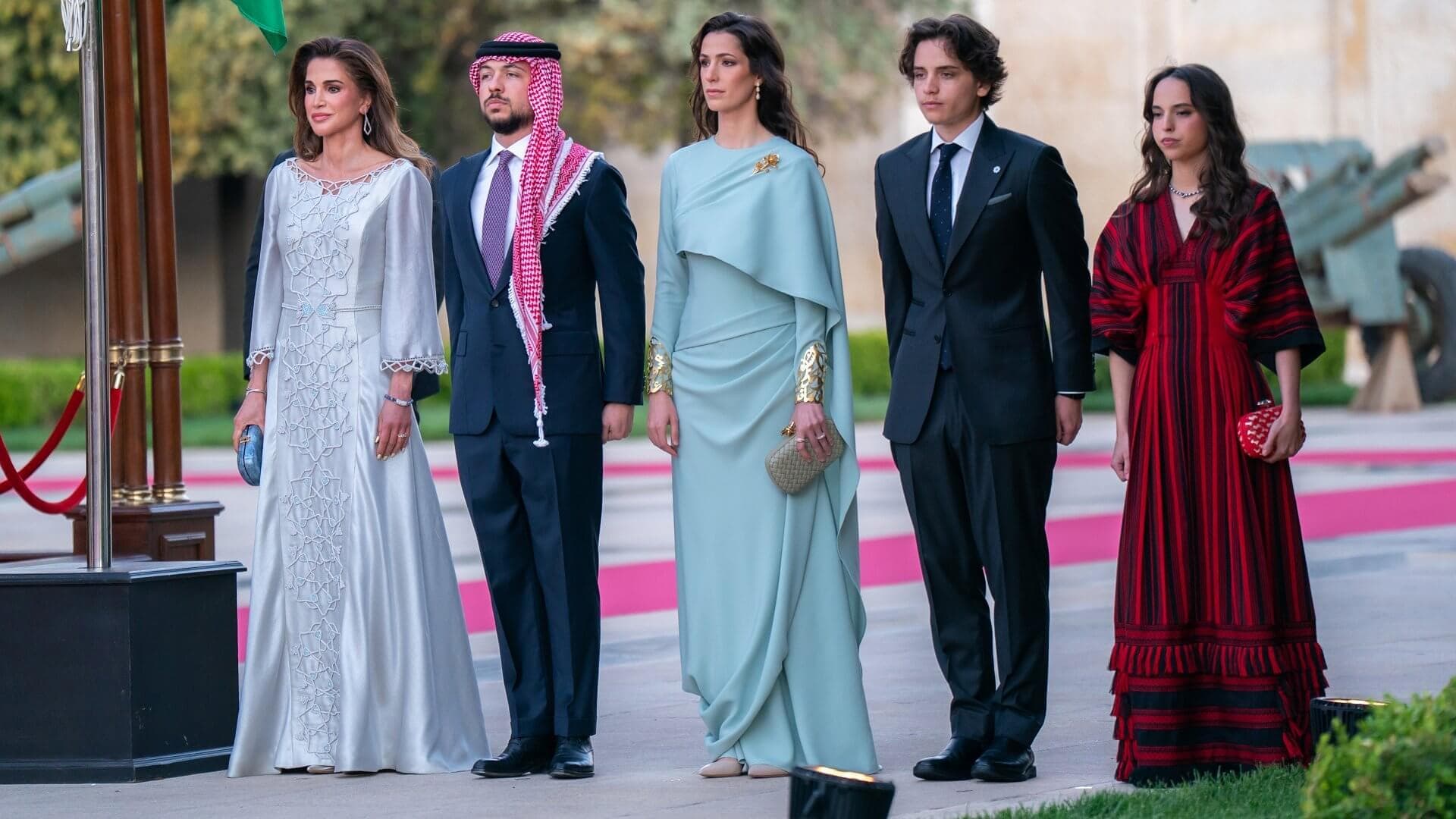
The sharpest accessory at Jordan’s 80th Independence Day was not a new heel or a showy jewel, but the structured box clutch carried by Queen Rania, Princess Rajwa, and Princess Salma. In a setting built for ceremony, the bag did exactly what the best evening accessories should do: it made the look feel finished without competing with it.
Why this royal moment matters
Jordan marked its 80th Independence Day on May 25, 2026, at Al Husseiniya Palace in Amman, where King Abdullah II attended with Queen Rania, Crown Prince Hussein, Princess Rajwa, Princess Salma, and Prince Hashem. The day was not only formal, it was deeply symbolic. Jordan’s Independence Day commemorates independence from the United Kingdom in 1946, and the Royal Hashemite Court unveiled the official 80th Independence Day logo on May 7 for use across the year’s events, activities, and promotional materials.
That context gives the clutch story its weight. This was not a casual street-style accessory moment; it was a state occasion, the kind of setting where every object on the body has to justify its presence. The family’s choice to carry a structured clutch, rather than chase a louder trend, turns the bag into a small but pointed lesson in dressing with intention.
The case for the box clutch
Box clutches first rose to popularity in the 1920s and 1930s, when evening dressing rewarded compact silhouettes and a bag that would not interrupt the line of a gown. That original logic still feels current. A rigid clutch acts like a visual exclamation point: it sharpens satin, tempers sequins, and gives a long column dress or full skirt something architectural to lean against.
Tyler Ellis, creative director and CEO of her namesake handbag brand, puts the appeal plainly: “Box clutches are timeless because they sit so beautifully in the hand, are refined, architectural, and intentionally understated.” That is the exact tension that makes them useful now. They are precise without being precious, elegant without becoming fussy, and polished enough to stand beside formalwear that already does most of the talking.
For a capsule wardrobe, that matters. A smart evening closet does not need a drawer full of bags that only work under one lighting scheme. It needs one strong structured clutch that can move between weddings, galas, awards dinners, and holiday parties with only a change of dress and jewelry. The box clutch earns its keep because it solves the same problem every time: it makes formal dressing look considered.
What a structured clutch actually fits
This is the point where many shoppers go wrong. A box clutch should be compact, but not useless. It is meant to carry the essentials, and the essentials should be chosen ruthlessly. Think of it as a disciplined companion for evenings when you only need the basics close at hand, not a tote’s worth of insurance policies.
The best test is simple: the clutch should fit what you truly carry to an event, and close cleanly without bulging. If the bag needs to be forced shut, it is too small for your life. If it swallows half your beauty kit, it is probably too large to keep the crisp profile that gives a box clutch its authority.
- cards and cash
- a lipstick or compact
- keys
- a slim phone, if the proportions allow it
A structured clutch earns its place when it can handle:
That is the whole point. The box clutch should make you edit, not apologize. It is for evenings when you want your bag to function as a finishing touch, not a backup suitcase.
How to buy one that lasts beyond a single event
The smartest box clutches are the least dependent on novelty. Skip anything so trend-specific that it reads like a one-night costume piece. A bag covered in gimmicky embellishment or tied to a single season of dress codes can look brilliant once and tired forever after.
Instead, look for structure that can travel across different formal moods. A clean frame, a polished surface, and hardware that does not fight with your jewelry will give you far more mileage than a bag shouting for attention. The best pieces behave almost like accessories in the tailoring sense: they finish the outfit and then step back.
A durable evening capsule should include a clutch that can work with more than one kind of dress. It should feel right with a sculptural gown, but it should also hold its own against a slip dress, a sharp suit, or a more traditional floor-length silhouette. That repeatability is what separates a clever buy from an impulse purchase that lives in the back of a wardrobe.
How to style it without overthinking the rest
The beauty of a box clutch is that it likes clarity. If the dress is highly embellished, let the bag be quieter. If the dress is pared-back, the clutch can carry a little more sheen or structure. Either way, the goal is balance. A strong clutch should make the whole look feel intentional, not overworked.
There is also something especially modern about the royal approach here. Queen Rania, Princess Rajwa, and Princess Salma did not use the bag to chase spectacle. They used it to create polish, and that is why it reads as relevant beyond the palace setting. In an era when formal wardrobes can feel bloated with options, the structured clutch offers a cleaner answer: one beautiful object, chosen well, repeated often, and capable of making the rest of the outfit look sharper by association.
Jordan’s Independence Day also carried a broader civic note this year, with King Abdullah II bestowing royal medals on Jordanian institutions and individuals for their contributions to the country’s progress and modernization. Against that backdrop, the box clutch reads almost like a symbol of the same idea. It is disciplined, purposeful, and exacting, a small object that understands the value of showing up with purpose.
This article was produced by Prism’s automated news system from verified source data, official records, and press releases, then run through automated quality and moderation checks before publishing. The system is built and supervised by the people who set the standards it runs under. Read our full AI policy.
Did this article answer your question?