Seven museum-to-café looks for a polished Paris summer capsule
Seven polished looks, built for long museum days and café detours, prove Paris summer style works best when shoes are comfortable and layers are light.

The crisp shirt and walking trouser
A white poplin shirt, pressed but never fussy, is the backbone of the whole capsule. It holds its own through the Louvre’s security checks and the long, steady flow of visitors, including the 8.7 million who passed through in 2024, while straight-leg trousers and proper loafers keep the silhouette polished enough for lunch after the galleries. In a city where the Louvre is open daily except Tuesdays, with last entry one hour before closing and exhibition rooms clearing 30 minutes before shut-down, the smartest outfit is the one that can stay neat for hours without asking you to think about it.
The tank, cardigan, and midi skirt
Paris summer weather is kind, but not predictable: average daily highs rise from about 69°F to 73°F, and clouds or a quick shower can still interrupt the brightest afternoon. That is why a ribbed tank, a lightweight cardigan, and a fluid midi skirt make such a useful trio. The tank keeps the base cool, the cardigan gives you a layer for breezier evenings, and the skirt moves easily from museum benches to a café terrace without looking overworked.
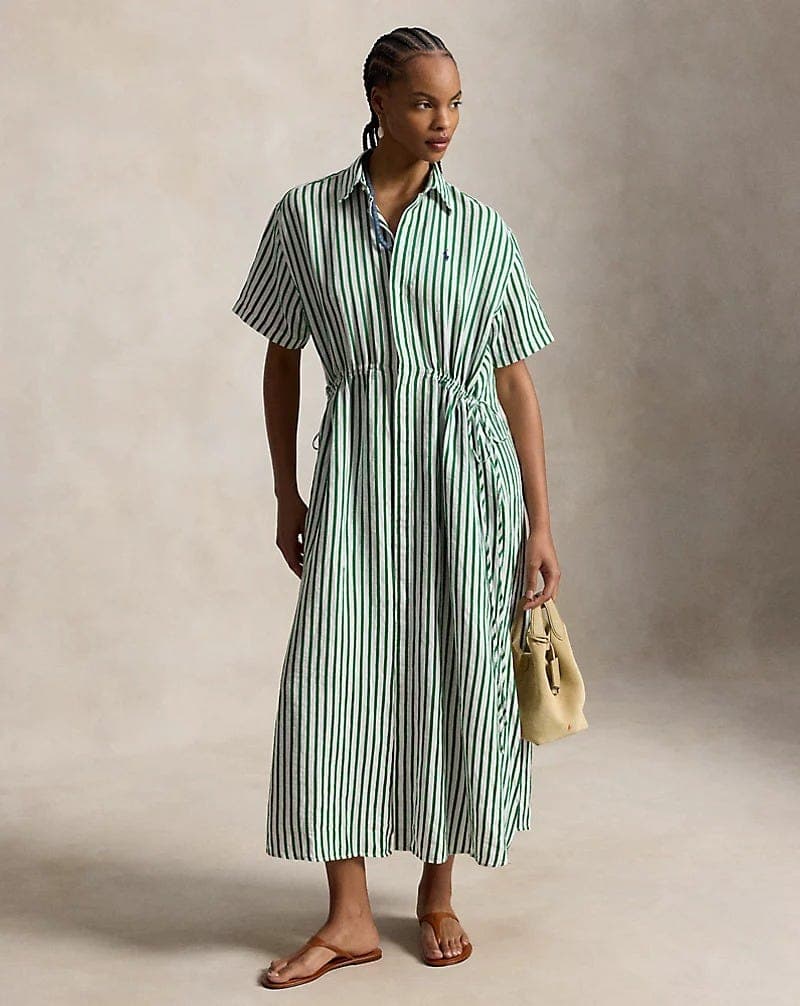
The shirt dress that never looks overpacked
A shirt dress earns its place because Paris museums generally do not enforce a strict dress code, which leaves room for ease without sacrificing polish. Choose cotton, poplin, or another fabric with a little structure, then keep the line clean and the shoe flat so the whole look feels respectful, comfortable, and ready for a day spent on stone floors. It is the kind of one-piece answer that makes packing smarter: one garment, many settings, no wardrobe drama.
The tailored short and overshirt formula
Tailored shorts, a boxy overshirt, and a compact knit tee give the capsule a sharper, more modern pulse. The combination works especially well in a city that stays busy well beyond the museum doors, and Paris Region said 2024 tourism was buoyed by the Olympic and Paralympic Games, which only sharpened the sense that the city moves fast. This is a look that can handle the queue, the gallery, and the late coffee stop without ever feeling as if it was assembled in a rush.

The blazer that behaves like a layer, not a costume
A sleeveless top under an unstructured blazer is the easiest way to look considered without becoming overdressed. The Louvre requires security checks at its entrances, so jackets that slip on and off cleanly are a practical advantage, especially when you are moving through the museum, stepping back into the heat, then heading into a shaded café. Cropped trousers keep the line light, while the blazer gives just enough authority to make the outfit feel finished.
The slip skirt and fine-knit pairing
A slip skirt with a fine-gauge knit or a soft polo is the most elegant answer to mixed indoor-outdoor plans. It feels dressy without stiffness, which matters when a day includes a museum in the morning and a long lunch afterward, and it benefits from shoes that stay low and stable rather than precious. Paris summer dressing is not about laboring over the look; it is about looking composed while crossing streets, standing in line, and arriving at the table with the hem still intact.
The finishing pieces that make the capsule repeat
The final look is really a system: a canvas tote, a silk scarf, and one backup shoe option that can reset the week without adding bulk. That is the logic behind a true museum-to-café capsule, especially in a city that welcomes huge visitor numbers and rewards anyone dressed for movement rather than performance. Seven looks do not require seven separate wardrobes, only a few disciplined separates that can be recombined as the schedule shifts and the weather stays just changeable enough to justify them.
This article was produced by Prism’s automated news system from verified source data, official records, and press releases, then run through automated quality and moderation checks before publishing. The system is built and supervised by the people who set the standards it runs under. Read our full AI policy.
Did this article answer your question?