Stephanie Dods Shares Her Secrets for Building a Capsule Wardrobe With Hero Pieces
Stephanie Dods' hero piece method turns a small, intentional wardrobe into endless outfits, starting with a single rule most shoppers ignore.

The problem isn't that you have nothing to wear. It's that nothing in your wardrobe is working together. Most closets are full of impulse buys that look compelling on a hanger and disconnected on a body, pieces that never quite anchor a look or justify a second wear. Stephanie Dods, a Manila-based creator whose styling philosophy has been gaining serious traction in Philippine fashion circles, has a name for what's missing: the hero piece.
What Makes a Hero Piece
A hero piece isn't simply an expensive item or a statement buy. It earns its place in your wardrobe by satisfying three conditions: it fits with precision, it works repeatedly without boring you, and it signals something true about your personal style. Think of a well-cut blazer in charcoal gray, the kind of piece that makes a plain white tee look editorial and a printed slip dress look boardroom-ready. "These are your workhorse pieces," Dods says. "Pieces you're going to wear over and over again."
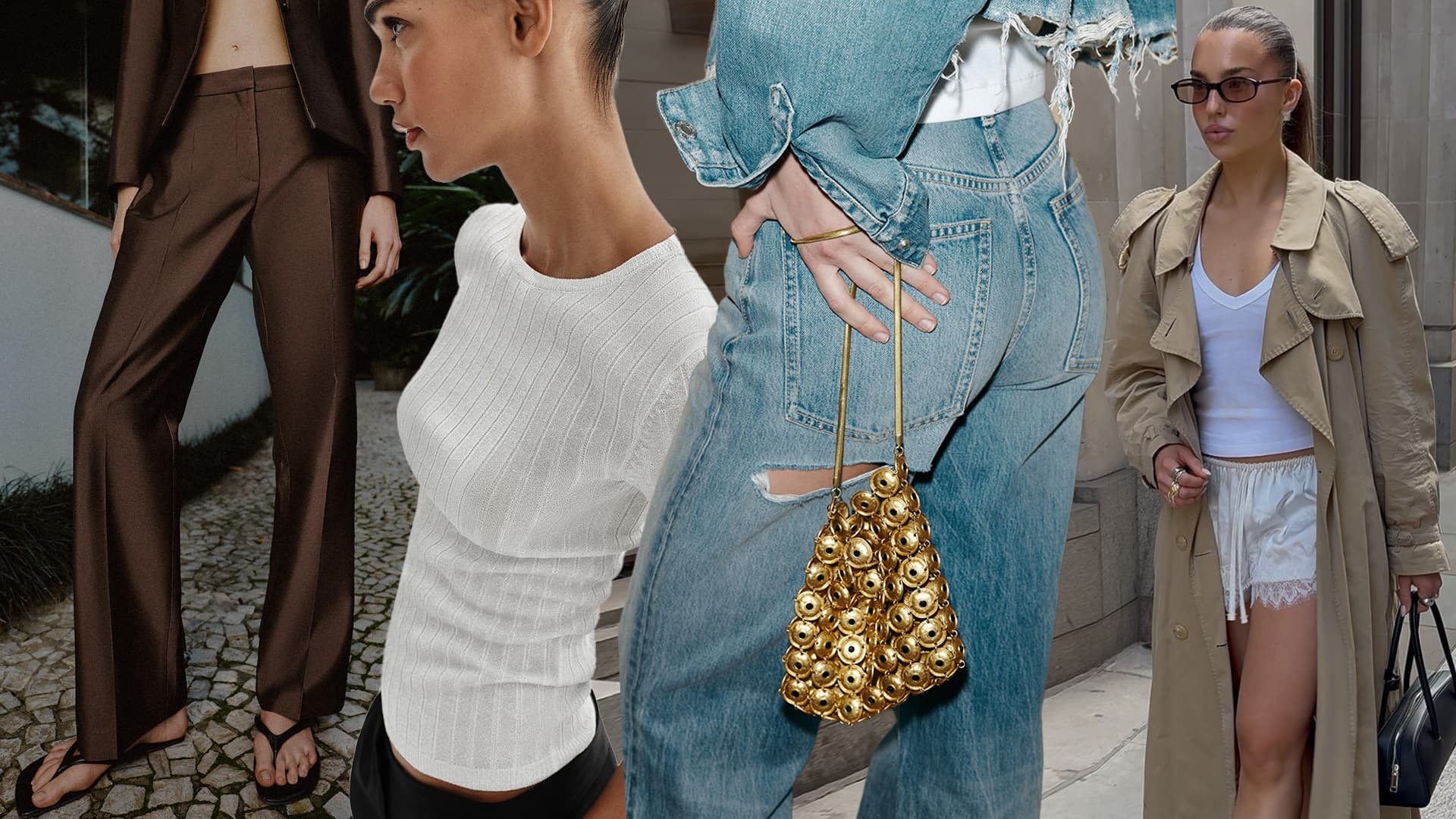
The backbone items she recommends are deliberate and specific: well-cut blazers, soft knits, structured button-ups, versatile trousers (denim included), cardigans, cropped tees, and jackets or outerwear of any kind. That last category is a personal conviction. "I'm a jacket person," she says. "I know we live in the Philippines and it's very humid, but I always find myself reaching for a jacket or any type of outerwear whenever I'm picking out a look." Personal style signal, confirmed.
Start With Neutrals
Before you identify your two or three hero pieces, your foundation needs to be built in neutrals. Dods' recommended palette is unambiguous: black, beige, and gray. "Some people say neutrals are boring, but they're actually timeless and versatile," she says. The logic is practical rather than aesthetic. When your base pieces share a neutral language, every hero item you add reads as intentional rather than accidental, and mixing becomes instinctive rather than effortful.
This is where most capsule wardrobe attempts collapse. Shoppers invest in a hero piece without considering whether their existing basics speak the same color language. A cognac blazer can be a brilliant hero item, but it needs a wardrobe that knows how to receive it.
The 60-30-10 Color Rule
To solve exactly that problem, Dods borrows a formula from interior design: the 60-30-10 color rule. Sixty percent of your outfit is a dominant color, 30 percent a secondary color, and 10 percent a pop or accent. The result is a look that feels cohesive without being monotone.
Apply it to a real outfit: wide-leg gray trousers as the 60 percent dominant layer, a cream structured button-up as the 30 percent secondary, and a printed scarf or warm-toned belt as the 10 percent accent. The proportions do the styling work for you, which means less time second-guessing yourself in front of the mirror.
The Layering Formula: Bottom, Top, Layer
Dods' assembly method is sequential by design. "Usually I'll do a bottom first, then a top, and then a layering piece," she explains. That layering piece, whether a blazer, a cardigan, a structured jacket, or a lightweight trench, typically carries the accent color or the textural contrast that elevates the whole look.
"I like pairing structured pieces with softer ones or balancing fitted silhouettes with something more relaxed," she says. "I also always try to anchor a look with one hero piece and build around it as well." This isn't purely aesthetic advice; it is a practical system for eliminating decision fatigue. When the hero piece is the anchor and the rest of the look is built around it in three parts, getting dressed stops being a problem you solve from scratch every morning.
The Three-Ways Test
Here is where Dods' method becomes a genuine shopping filter. Before purchasing any new hero piece, she applies one rule: "I always say before I buy a new piece or a new hero piece, I have to be able to style it three different ways." If you cannot immediately visualize three distinct outfits, the piece does not earn a place in your capsule. It is an elegant gate that eliminates the impulse buy almost entirely.
Run every potential hero piece through these questions before checkout:
- Can it work with the neutrals already in your wardrobe?
- Does it function in at least two different settings, such as work, weekend, or an evening out?
- Does it layer well, or does it only work solo?
Three strong answers and the piece earns its place. Fewer than three, and you are buying a single-use item dressed up as a wardrobe investment.
The Tailoring Multiplier
Perhaps the most underrated element of Dods' philosophy is the role of tailoring. Around 70 percent of her purchases are tailored, a figure that reframes the concept of investment dressing entirely. You do not need to spend more. You need pieces that fit your body with near-custom precision.
During a recent session at SM, Dods noticed a tailoring service available in the changing room, and it prompted a characteristic observation: "I think when you have something that fits almost custom, you'll keep on wearing those pieces when they're fitted perfectly." The relationship between fit and wearability is direct. A well-priced structured button-up that has been properly tailored will outlast and outperform a premium equivalent that never quite fits through the shoulders.
Build Your Capsule: The Template
Applying Dods' framework to a real wardrobe starts with identifying your heroes and then filling in the supporting cast. Copy this structure:
- Heroes (2-3): Your most versatile, best-fitting pieces that anchor every look. Think a well-cut blazer, a soft knit cardigan, and a pair of tailored trousers in a neutral.
- Tops (5): Structured button-ups, cropped tees, and knitted tops in your neutral palette. These typically occupy the 30 percent secondary color position in most outfits.
- Bottoms (3): One in denim, one in a solid neutral such as black or gray, and one with a subtle variation in silhouette such as wide-leg or straight-cut. Bottoms consistently anchor the 60 percent dominant color layer.
- Shoes (2): One casual, one elevated. Both should work with at least four of your bottoms.
This 13-piece structure creates well over 30 distinct outfits. Apply the 60-30-10 rule consistently, and those outfits will always look considered rather than assembled in haste.
The 7-Day Remix Challenge
The fastest way to audit whether your current wardrobe contains true hero pieces is to spend one week building every outfit from a single anchor. Choose one hero item on Monday and wear it in a different configuration each day through Sunday, changing only the supporting pieces.
Day-by-Day Framework
1. Monday: Hero blazer over a neutral tee and tailored trousers.
2. Tuesday: Same blazer belted over a midi skirt with a soft knit underneath.
3. Wednesday: Blazer worn as outerwear over a structured button-up and denim trousers.
4. Thursday: Introduce a second hero, such as a soft knit cardigan, and begin the sequence again.
5. Friday: Cardigan over a cropped tee with wide-leg neutral trousers.
6. Saturday: Cardigan layered over a structured button-up with denim.
7. Sunday: Both heroes together, cardigan over the blazer, styled against your simplest neutral bottom.
If the combinations start to feel forced by day three, the supporting basics need attention, not the hero pieces. The challenge reveals wardrobe gaps with precision: you likely need more neutral bottoms, not more tops.
Why Fewer Pieces Work Harder
The through-line in Dods' entire approach is that a smaller, better-edited wardrobe is actually the more generous one. It returns time, removes the cognitive weight of getting dressed, and creates the conditions for a personal style that reads as consistent rather than accidental. The hero piece is not a luxury purchase; it is a structural decision. Choosing two or three pieces that perform on repeat, in multiple configurations, across different settings, changes how the rest of your wardrobe behaves. Everything supporting a strong hero piece becomes more useful by its proximity to it.
Tailoring, a neutral foundation, and the discipline of the three-ways test are the tools that make a capsule wardrobe function rather than simply exist.
Know something we missed? Have a correction or additional information?
Submit a Tip