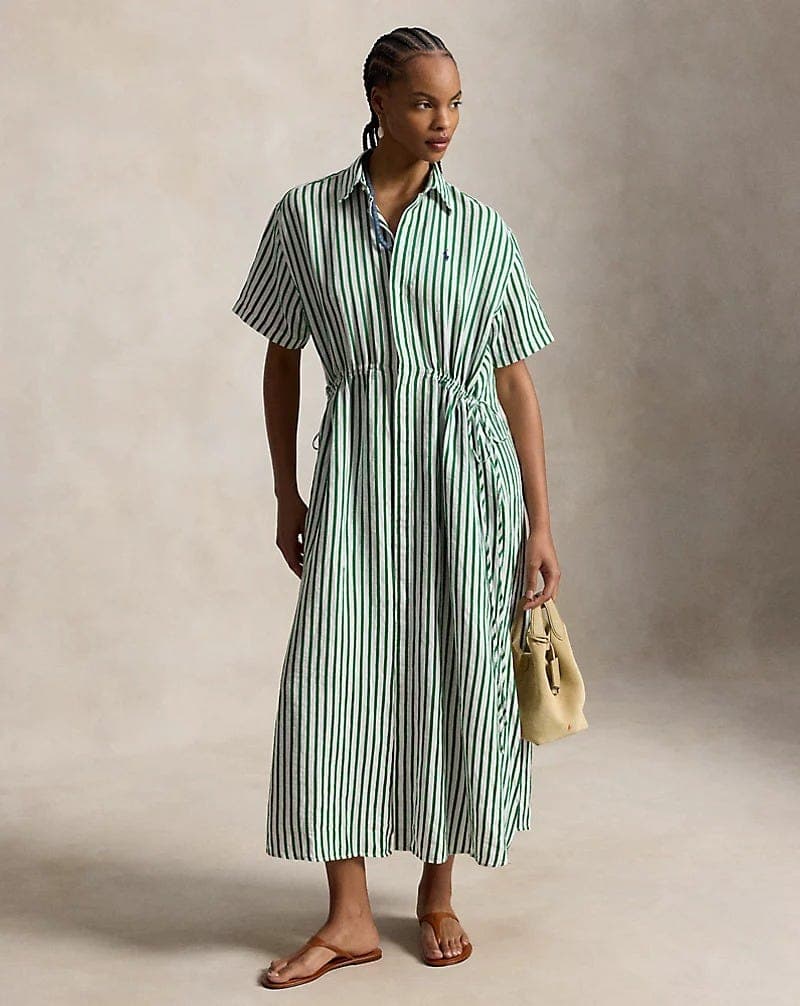
Stockholm Editor Reveals the Polished, Sustainable Scandi Capsule Wardrobe
Scandi style works best as a system: clean layers, sturdy basics, and weather-ready pieces that keep earning their place. The result is polished, not precious.
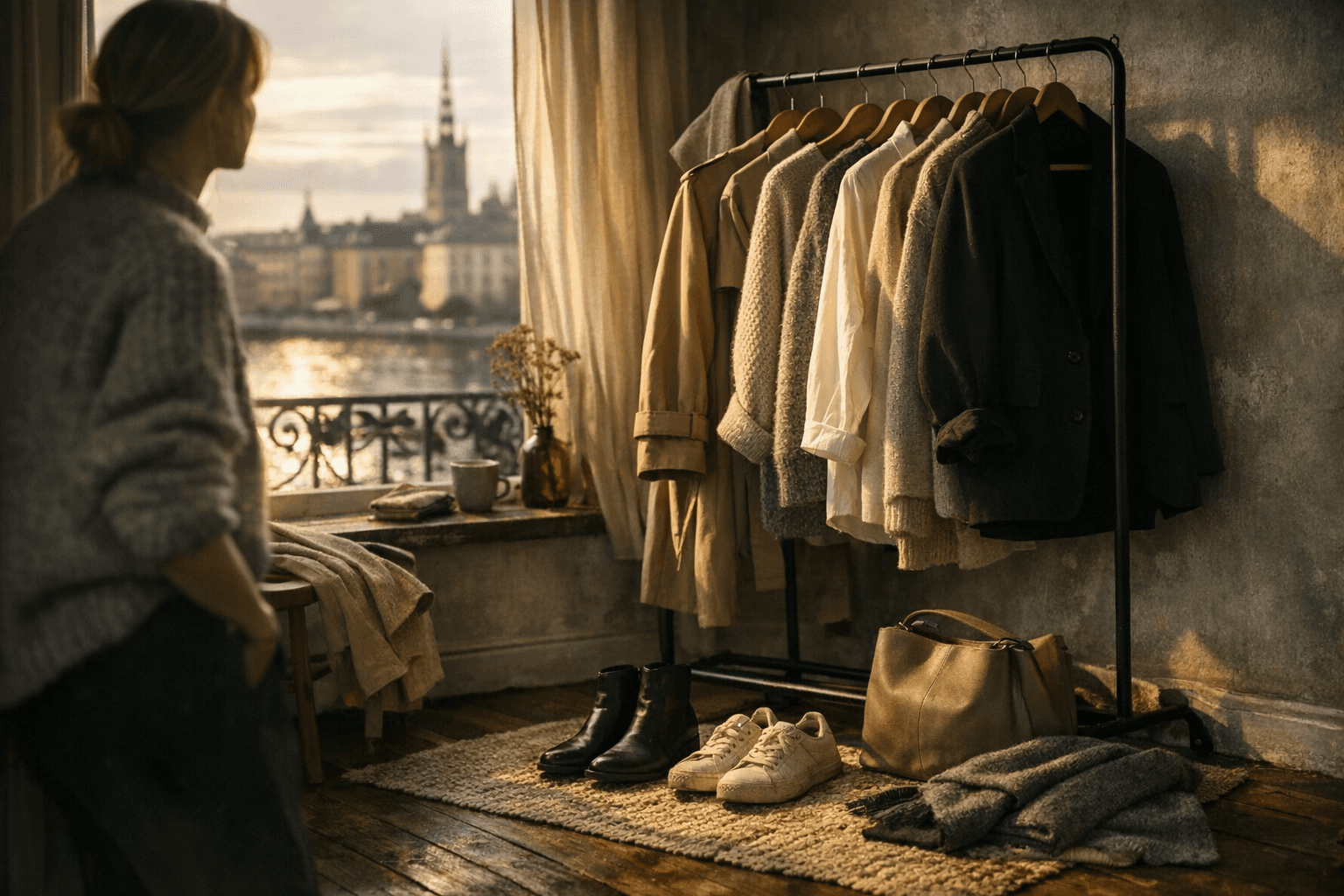
The Scandi capsule is a wardrobe system, not a mood board
Johanna Lager’s Stockholm take on Scandi style works because it cuts straight to the point: a capsule should make getting dressed easier, not more performative. That idea has roots in London, where boutique owner Susie Faux is widely credited with popularizing the capsule wardrobe in the 1970s, built around a small set of high-quality pieces that could mix and match across seasons.
That original logic still feels current, but the Scandinavian version sharpens it for real life. The look is built from clean layers, everyday pieces, and a kind of polish that reads intentional without ever looking stiff. It is style designed to survive a commute, a cold morning, a warm office, and the kind of unpredictable weather that punishes anything too delicate.
Start with pieces that do the heavy lifting
The easiest way to build this wardrobe is to think in functions rather than outfits. Every item should solve more than one problem: warmth, structure, polish, and repeat wear. If a piece only looks good in perfect conditions, it does not belong in a Scandi capsule.
The backbone of the look
• A layering piece that can sit under a coat or over a light top without bulk • A polished basic that sharpens everything around it • A fresh-weather staple that handles shifting temperatures and damp sidewalks • A shoe that feels practical but still looks clean enough for the rest of the outfit
What makes the formula work is restraint. The clothes do not need drama because the appeal comes from proportion, texture, and ease. A slightly structured knit, a crisp shirt, straight-leg trousers, and outerwear with enough shape to pull everything together can do more than a closet full of statement pieces.
Why texture matters
Scandi dressing has always looked good when the fabric does the talking. Think smooth against soft, matte against polished, and layers that feel light rather than fussy. The result is a wardrobe that looks considered even when the individual pieces are quiet.
Fresh-weather staples are the difference between a look and a life
The “fresh-weather” part of the capsule matters more than most style roundups admit. Scandinavian dressing is often pictured as serene and minimalist, but the real advantage is practical: the clothes are built for changing conditions. A good capsule needs pieces that can handle a chilly morning, a mild afternoon, and the return of wind or rain without forcing a full outfit change.
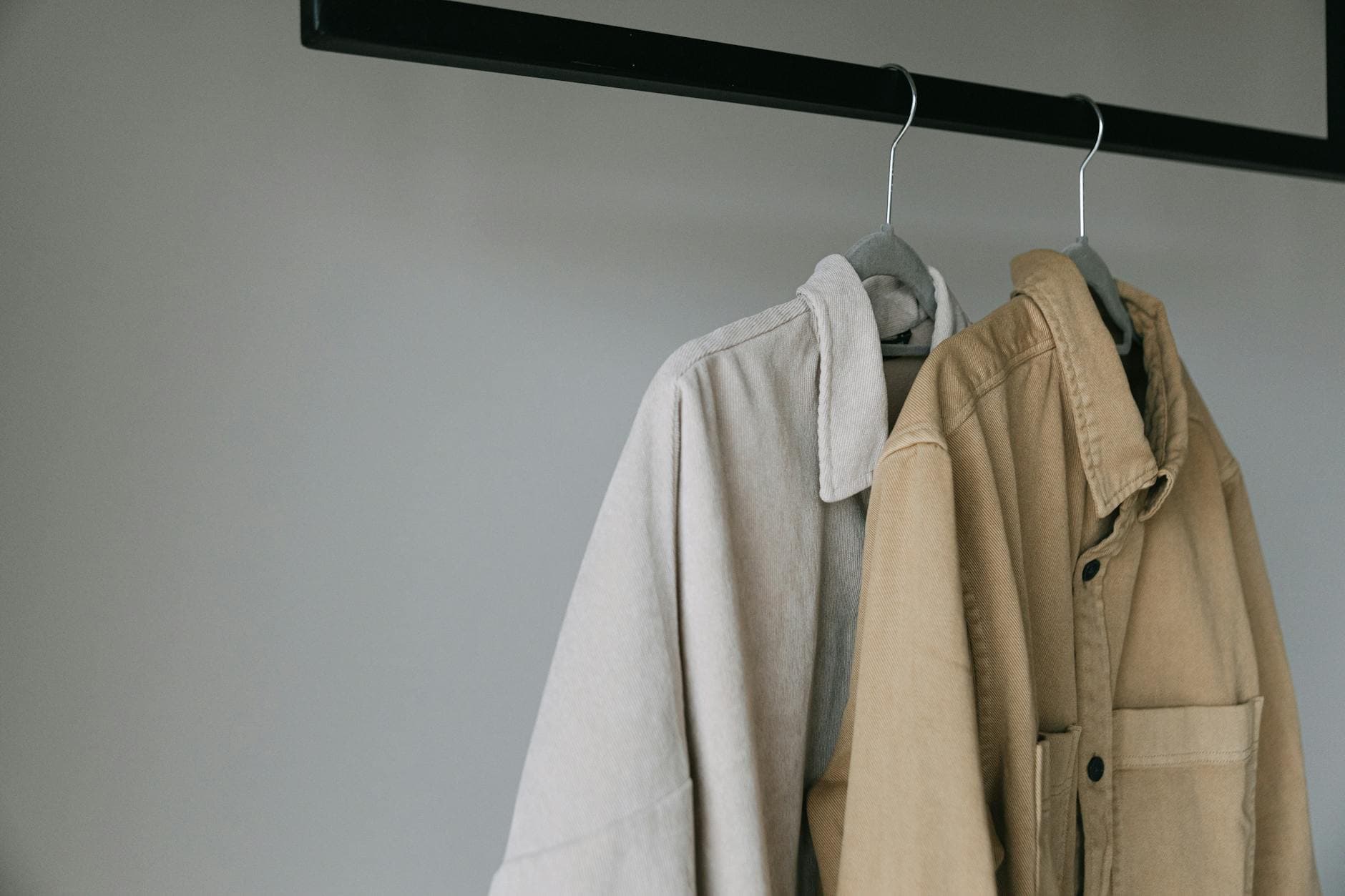
That is why Lager’s framing lands. The best pieces are not the most decorative ones, but the ones you reach for again and again because they work in motion. A wardrobe like this earns its keep when it can look polished on the street, feel comfortable indoors, and still hold its shape after repeated wear.
The sustainability argument is not an afterthought
The cleanest part of the Scandi capsule is also the smartest. Sweden’s government-supported Textile & Fashion 2030 platform, led by the University of Borås, is designed to promote collaboration, research, innovation, and new sustainable business models in the textile and fashion sector. Its five-year mission is driven by Smart Textiles in collaboration with the University of Borås’s Textile School, the Swedish Fashion Council, RISE, Svensk Handel, and TEKO, which tells you how seriously Sweden treats fashion’s environmental footprint.
The numbers make the case even more forcefully. Sweden’s Environmental Protection Agency says textile consumption in 2024 reached 13.6 kilograms per person, up 2.2 kilograms from 2023. The agency’s message is blunt: the most sustainable textile is one that is cared for properly, repaired when needed, and used as much as possible.
That approach aligns with the wider pressure on clothing consumption across the European Union. The European Environment Agency says textiles remain among the largest environmental-pressure categories in EU household spending, which is why capsule wardrobes matter beyond aesthetics. A tighter closet is not just easier to manage. It is also one of the few style choices that can quietly reduce waste while still improving how you dress every day.
How to make the formula work in real life
The trick is not buying into a fantasy of perfection. It is editing your wardrobe until every piece has a job and every outfit can handle actual life. Johanna Lager’s version of Scandi style rewards clothes that layer cleanly, hold up to weather, and look finished without trying to stage a moment.
Use this simple filter
• Does it layer easily? • Does it make other pieces look sharper? • Will it still work after repeated wear? • Is it worth repairing, keeping, and using often?
If the answer is yes, it belongs in the capsule. If not, it is just clutter with better branding. That is the real Scandinavian lesson: the most modern wardrobe is not the fullest one, but the one that keeps proving it deserves space.
This article was produced by Prism’s automated news system from verified source data, official records, and press releases, then run through automated quality and moderation checks before publishing. The system is built and supervised by the people who set the standards it runs under. Read our full AI policy.
Did this article answer your question?