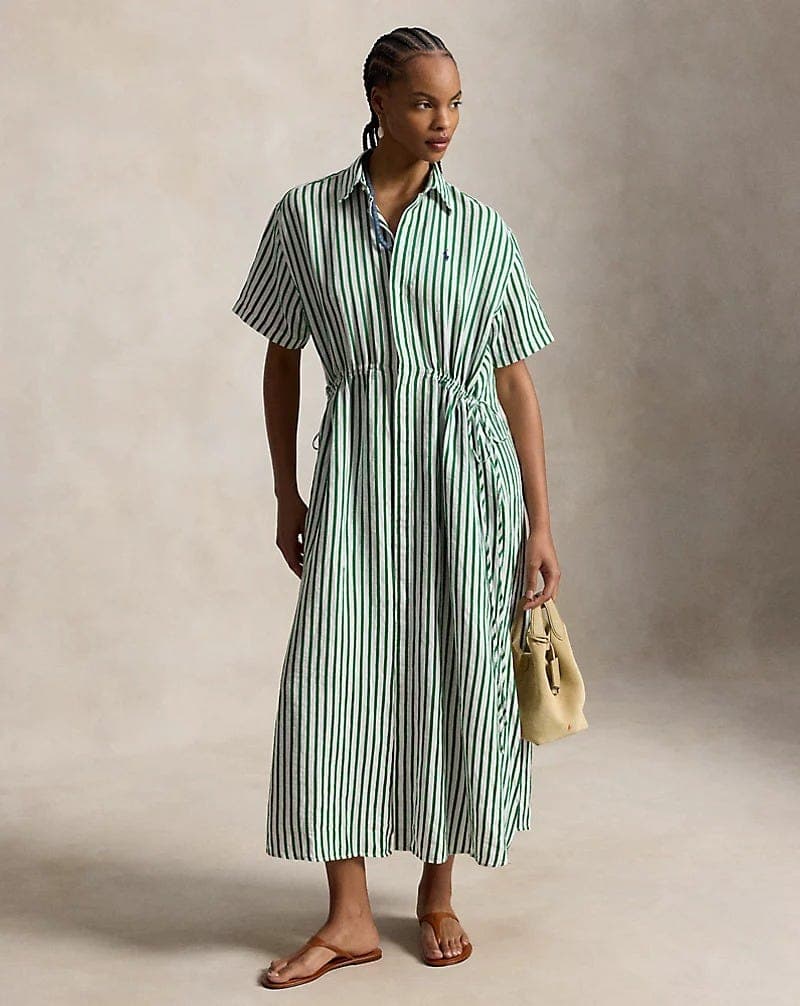
Tencel basics make capsule wardrobes easier, cooler, and more sustainable
Tencel is the rare capsule fabric that looks polished, breathes hard, and survives repeat wear without drama. It earns its place when you want easy layering, fewer wrinkles, and a cleaner closet.
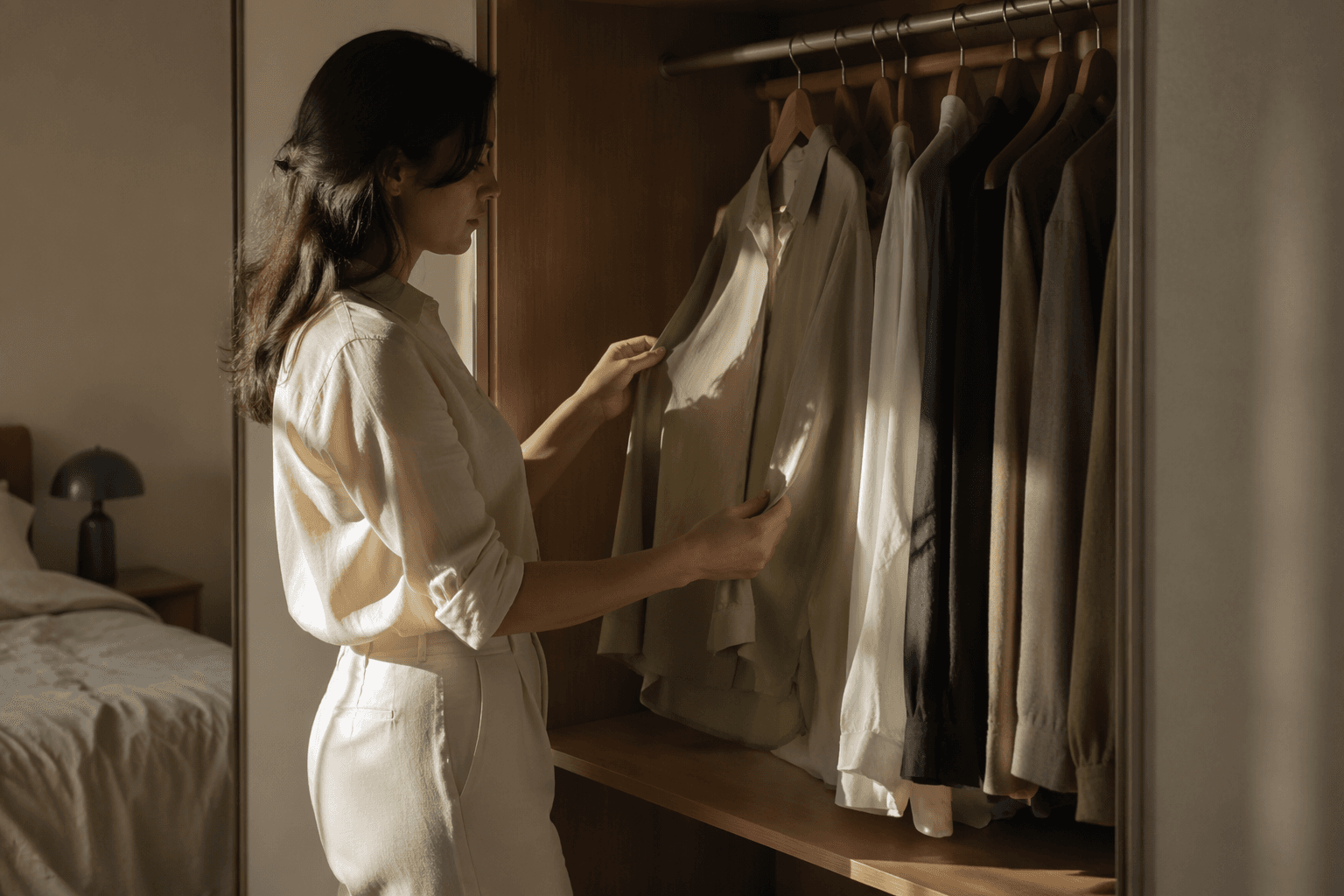
Why Tencel keeps making the capsule cut
The smartest capsule pieces do the most with the least, and Tencel has that quietly expensive kind of usefulness. It gives you the soft drape of a fabric that knows how to behave, the kind of cooling feel you want in warm weather, and a low-maintenance finish that makes getting dressed feel almost unfairly easy.
Capsule wardrobes are built on a simple idea: fewer pieces, more versatility, better quality. That philosophy has always been about editing, but the modern version has a sharper edge. Shoppers are trying to escape the churn of fast fashion, which Britannica describes as the rapid production of inexpensive, low-quality clothing that mimics popular styles, and replace it with clothes that last, layer, and work hard across more than one season.
What Tencel gets right
Tencel is strongest where a capsule wardrobe is most demanding. It is breathable, moisture-wicking, wrinkle-resistant, and it drapes cleanly, which is a rare combination when you are building around basics. Cotton can be crisp and dependable, but it often needs a little more structure to look intentional. Linen has beautiful texture and that sun-faded ease, but it wrinkles fast and can read rumpled the second you sit down.
Tencel sits in the middle in a way that feels smart, not bland. It moves with the body instead of clinging, and it gives T-shirts, tanks, trousers, and slip skirts a smoother line. If cotton is the dependable workhorse and linen is the breezy romantic, Tencel is the one that makes minimal dressing look finished without trying too hard.
The drape is the point
A lot of capsule wardrobes fail because the clothes are technically versatile but visually flat. Tencel solves that problem with movement. The fabric falls instead of flaring, so a simple tank or tee feels more sculptural, and a pair of wide-leg pants reads less like loungewear and more like a deliberate silhouette.
That drape matters even more when you are layering. Under a blazer, Tencel smooths out the bulk. Under a cardigan, it keeps the outfit from looking stiff. On its own, it gives basics a little fluidity, which is exactly what makes a pared-down closet feel styled rather than sparse.
Why the sustainability argument is stronger than the slogan
The environmental case for Tencel is not just that it sounds greener than cotton or synthetic blends. Lenzing says TENCEL™ Lyocell is made from certified or controlled wood sources in a resource-saving closed-loop production process. More than 99.8 percent of the solvent used in production is recovered and fed back into the loop, which is the kind of industrial detail that actually makes a sustainability claim worth listening to.
Lenzing also describes lyocell as the latest generation of regenerated cellulose fibers, with commercial production spanning about 30 years. That matters because it is not an experimental novelty anymore. It is a mature fabric platform, and its performance in clothing is exactly why it keeps showing up in summer basics and activewear-adjacent pieces.
The company says its cellulosic fibers are designed to provide moisture regulation, flexibility, and softness in activewear applications, and that helps explain Tencel’s reputation as a summer-friendly staple. In plain clothes, that means the fabric can handle heat, sweat, and movement without immediately losing its shape or comfort.
Where Tencel is worth the money
Not every basic needs to be Tencel. A heavyweight cotton tee still has its place, and linen still owns certain silhouettes, especially when you want texture and a little looseness. But Tencel is worth paying for when the piece is supposed to disappear into a lot of outfits and still look polished after repeated wear.
- fluid T-shirts and tanks that need to skim, not stick
- straight-leg or wide-leg trousers that should hold a clean line
- slip skirts and dresses that benefit from drape
- long-sleeve layers that sit smoothly under jackets or overshirts
- travel pieces that need to dry out and recover without much fuss
It earns its spot in:
The investment makes the most sense when you want a fabric that will not fight you. If your wardrobe lives on repeat wear, carry-on packing, and quick outfit changes, Tencel is one of the few fabrics that feels practical without looking utilitarian.
The real capsule wardrobe advantage
Tencel is not just about sustainability credentials. It makes the whole capsule system easier to live in. Because the fabric is breathable and wrinkle-resistant, it can move from work to errands to dinner without demanding a costume change. Because it drapes well, it plays nicely with minimalist silhouettes instead of flattening them. Because it feels soft and light, it is the kind of base layer you actually reach for.
That is the quiet win here: a capsule wardrobe only works if the basics are flexible enough to repeat. Tencel gives you that repeatability without sacrificing polish. You can build around one Tencel tee, one pair of trousers, one skirt, and suddenly the closet starts doing the styling for you.
Why size inclusivity matters in a minimalist closet
The Good Trade’s updated Tencel guide points to breathable, comfy pieces in a variety of sizes, and that detail is not a side note. Capsule wardrobes are supposed to simplify dressing, but they only work if the options are real and wearable across bodies. The cleaner the closet gets, the more every item has to earn its place, and size-inclusive basics are what keep that idea from turning into a narrow aesthetic instead of a usable wardrobe system.
That is also where the article’s broader fashion context lands cleanly. Capsule dressing grew out of the minimalist fashion movement of the 1970s and 1980s, but today it has become more pragmatic. It is less about an abstract uniform and more about building a small, stable rotation of clothes that look good, layer well, and survive the season after the trend has moved on.
Tencel fits that evolution perfectly. It is easy, but not cheap-looking. It is sustainable, but not preachy. And in a wardrobe built to be edited down, that combination is exactly what deserves a permanent hanger.
This article was produced by Prism’s automated news system from verified source data, official records, and press releases, then run through automated quality and moderation checks before publishing. The system is built and supervised by the people who set the standards it runs under. Read our full AI policy.
Did this article answer your question?