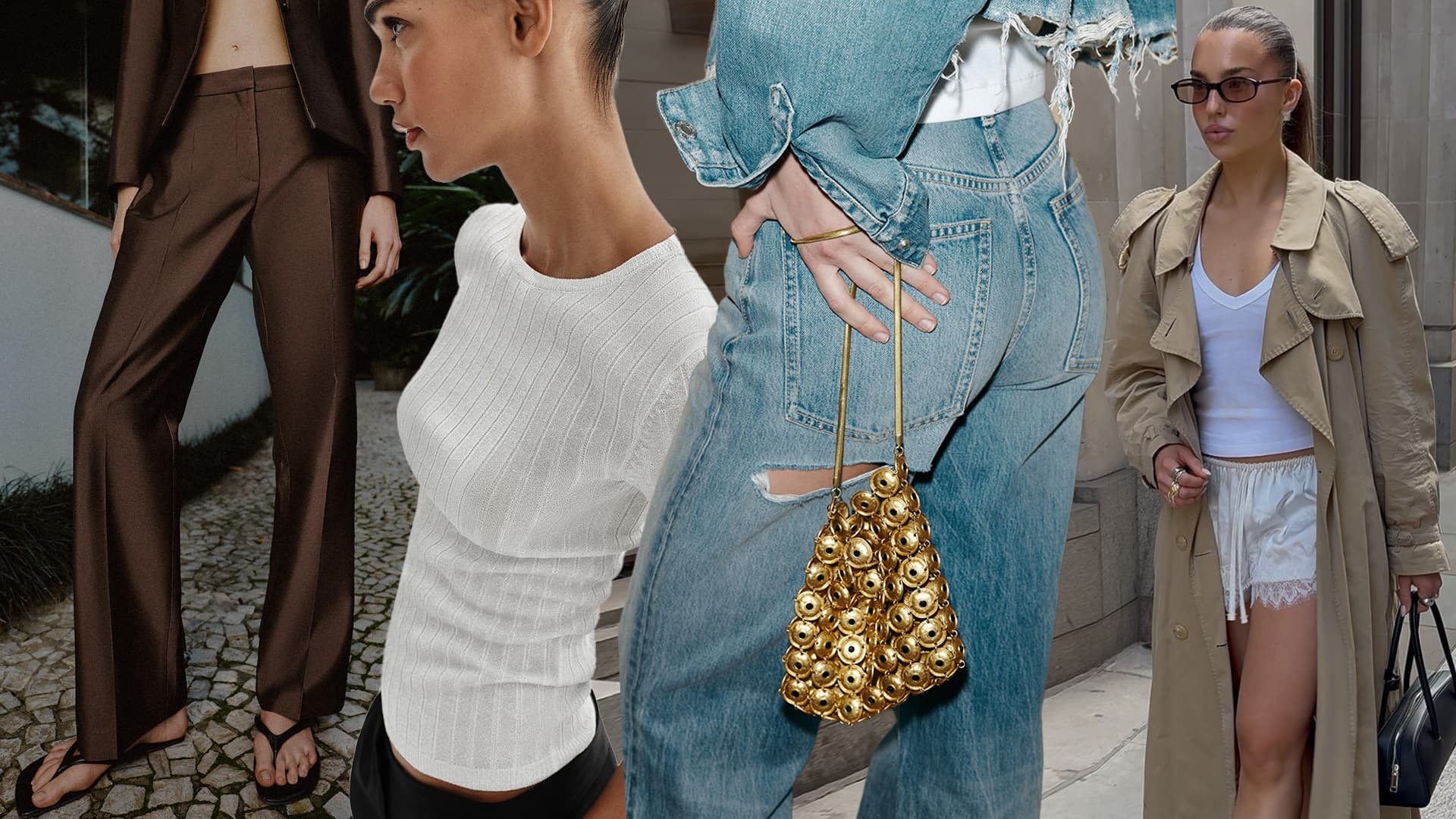
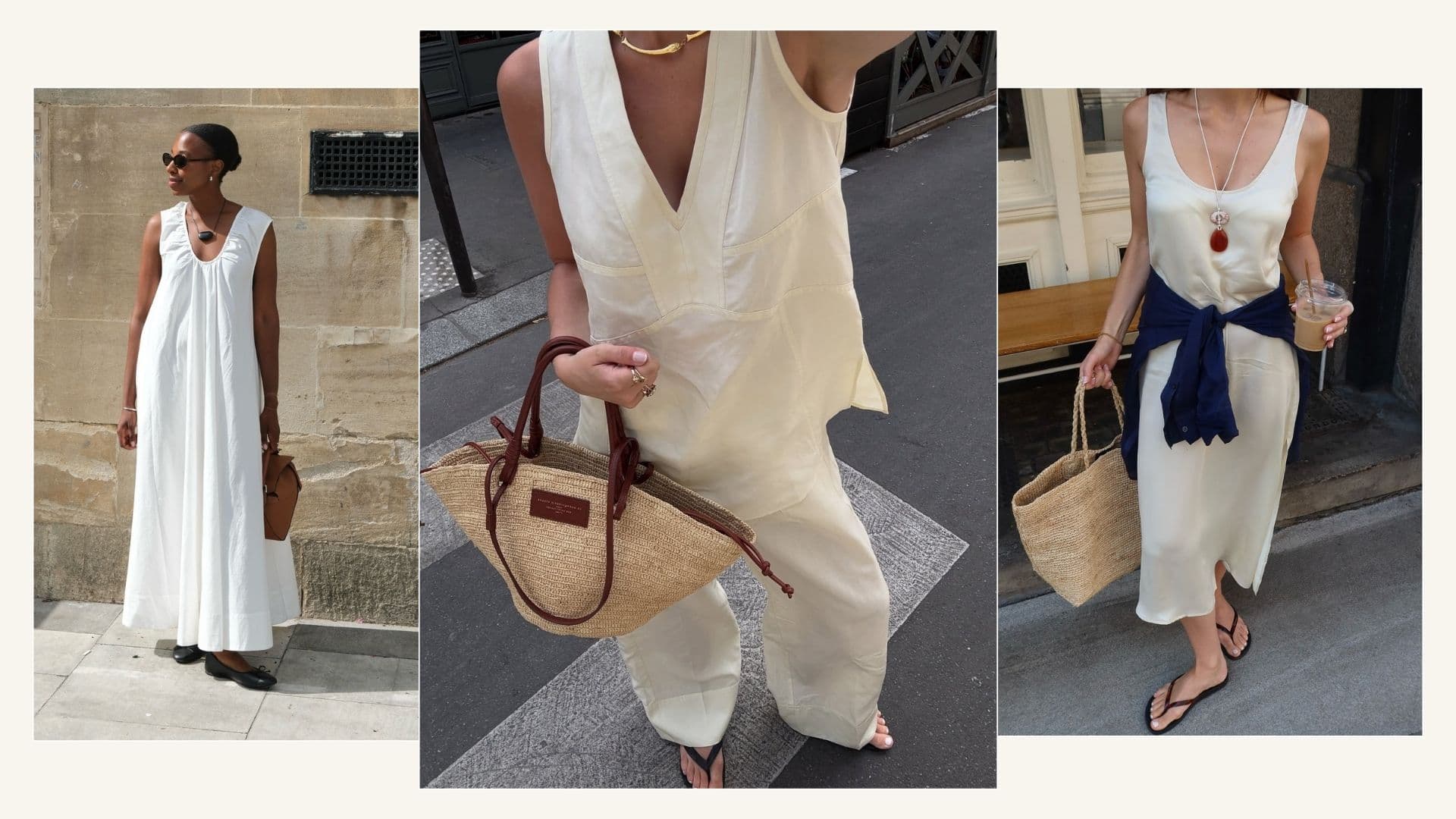
The Must‑Have Clothing Pieces Stylists Never Leave Out of Any Wardrobe (Essentials List)
Most people wear just 20% of what's in their closet. These 15 stylist-approved pieces are designed to account for every single percentage point.
The average woman has $550 worth of unworn clothing in her closet. Research referenced by Vogue puts the reality even more starkly: most people cycle through just 20% of what they own, returning to the same handful of pieces while the rest collects dust on underused hangers. The problem is almost never a shortage of clothes. It is a shortage of the right clothes, chosen with intention and styled with purpose.
That is the argument stylists have been making for decades, and it distills into a deceptively simple fix: build a neutral core of versatile pieces that do the heavy lifting, then layer in personality from there. The 15 pieces outlined here form that foundation.
Before You Buy Anything: Run the Closet Audit
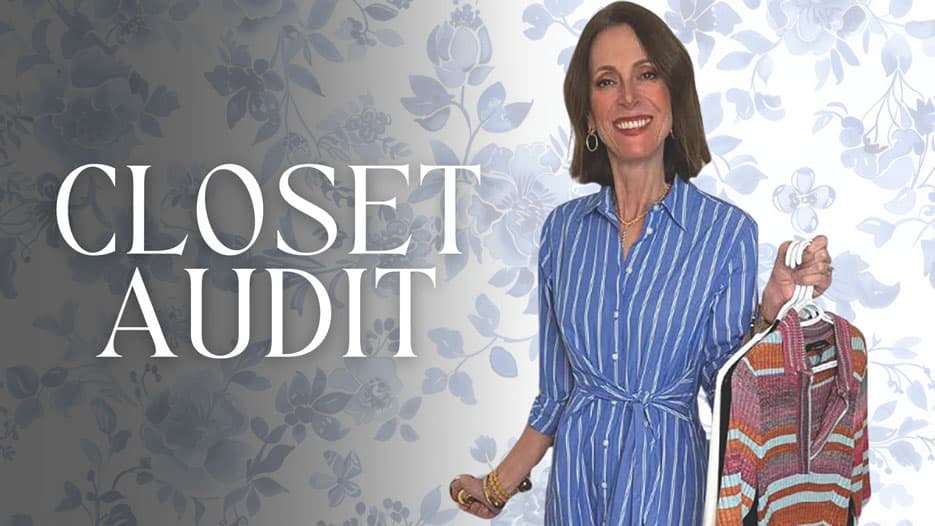
The most useful starting point is not a shopping cart. It is an honest audit of what is already hanging in your wardrobe. Pull everything out and ask three questions about each piece: Does it fit well right now? Does it work with at least three other things you already own? Have you worn it in the last year?
Anything that fails all three tests is a candidate for the donation pile. Anything that passes but fits poorly is a candidate for a tailor, not a replacement purchase. A blazer that skims rather than pulls across the shoulder, or trousers hemmed to the right length, will outperform a new item bought in haste. The goal of this audit is to identify which of the 15 foundational pieces are already present, which exist in a version that needs tailoring or replacing, and which represent a genuine gap worth filling.
The Origin of the Idea
The concept of the capsule wardrobe traces back to Susie Faux, who opened a West End London boutique called Wardrobe in 1973. Her guiding premise was that a small collection of essential, non-expiring pieces, supplemented with seasonal additions, was a smarter approach to dressing than chasing every new trend. The idea found a wider audience in the 1980s when American designer Donna Karan applied it to her own collections, but the core logic has never changed: wardrobe essentials are timeless, versatile pieces that do not expire with the season. They are the items you reach for instinctively because they work with almost everything else in your closet.
The Tops That Do the Most Work
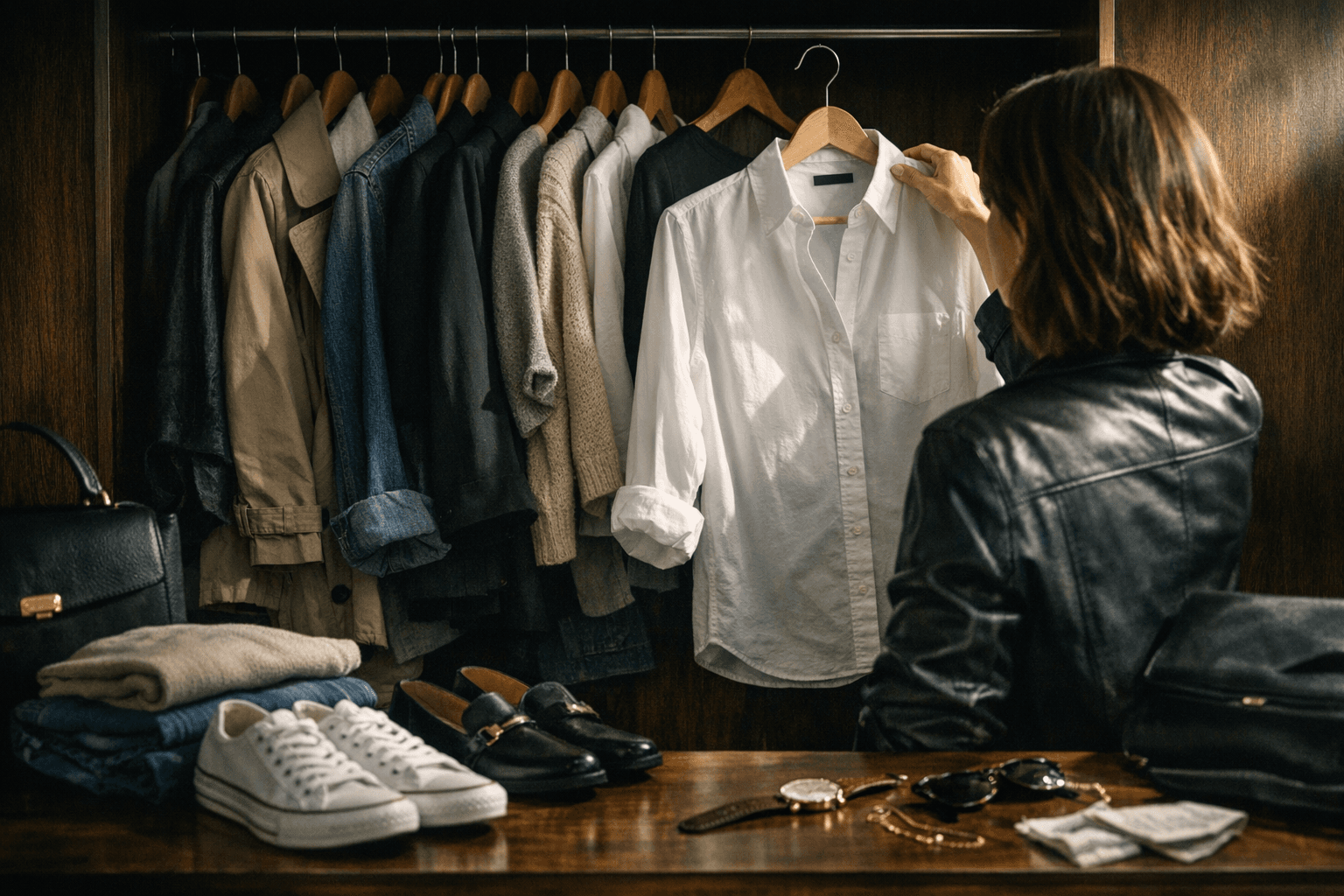
Start with the white T-shirt, the most versatile base layer in any wardrobe. Worn alone with jeans, tucked into a midi skirt, or layered under a blazer, it is the piece that holds outfit formulas together without ever demanding attention. Look for a weight that holds its shape rather than going translucent after two washes.
The white button-down earns its place for different reasons. "Crisp for the office, knotted for weekends, layered under a sweater for cooler days," as stylists consistently note. "The white button-down is a blank canvas that rarely gets it wrong." In cotton poplin or a relaxed linen weave, it moves through contexts that most tops simply cannot manage.
The Layering Pieces
A tailored blazer is the upgrade that makes the rest of the wardrobe look more considered. The classic combination of blazer plus white tee plus jeans works because each piece borrows credibility from the others: the blazer lends structure, the tee keeps it from tipping into formality, and the denim grounds the whole look. In a neutral like camel, stone, or charcoal, it crosses over from workwear to weekend dressing without any styling effort.
The neutral knit sweater, whether a crewneck, a turtleneck, or an open cardigan, is the piece that carries the most actual wear. In beige, cream, grey, or camel, it layers into almost any outfit and gets the most use from September through April. A good-quality knit in a natural fibre like merino or cashmere blend will hold its shape and its color across seasons in a way that acrylic alternatives cannot.
The Bottoms
Classic blue jeans in a straight-leg or wide-leg cut, in a dark or medium wash, are the one piece most people already own and consistently underestimate. This is a wardrobe essential that works across every decade and dress code, transitioning from casual to dressed-up without effort. If the pair currently in your closet no longer fits well through the hip and thigh, the fix is worth the investment: a well-fitting jean is genuinely irreplaceable.
Tailored black trousers cover the ground that jeans cannot. "A pair of well-cut black trousers works with flats, heels, loafers, and sneakers. They move from a work meeting to an evening out without needing to be changed." That mobility is the whole point. Buy in a fabric with enough weight to hold a clean line, and have the hem set at a length that works for your most-worn heel height.
The midi skirt rounds out the bottoms with a silhouette that earns its reputation. An A-line or pleated cut in a neutral or subtle print "covers casual brunches, work meetings, and dinner plans with equal ease. Paired with a tucked-in tee or a fitted knit, it is one of the most flattering silhouettes across body types." The A-line construction, in particular, moves with the body rather than restricting it, which accounts for much of its broad appeal.
The Dress
The little black dress is not here for nostalgia. "The LBD remains one of the most reliable pieces in any wardrobe essentials list because it adapts. It can be styled for a dinner date, a last-minute event, or a polished daytime look depending on how it is accessorized." The accessory does the heavy lifting: swap a structured bag and heels for flat sandals and a denim jacket, and you have an entirely different register. One dress, multiple reads.
Outerwear
The trench coat earns the description of "between-season hero" because it genuinely solves the gap between winter and spring that collapses most wardrobes. It "adds structure and polish to any outfit underneath it. In a camel or classic beige, it is one of the most photographed pieces in fashion history for good reason." Beyond the trench, a second piece of neutral outerwear, a wool coat in charcoal or camel for colder months, rounds out what the trench cannot cover.
Footwear
Three pairs of shoes do the work of many more: clean white sneakers, which complement jeans, dresses, and tailored trousers with equal ease; ankle boots in black or tan, the year-round footwear staple that pairs with skirts, trousers, and dresses across every season; and a neutral heel or block heel in nude, black, or tan, which handles formal and semi-formal occasions without requiring multiple pairs. Simple flats or loafers complete the rotation for days when comfort and a put-together appearance need to coexist. Loafers in particular have earned genuine wardrobe-essential status because they thread the needle between casual and polished in a way that few other flat shoes manage.
The One Statement Accessory
The final piece is not a garment at all. A single statement accessory, whether a structured bag, an architectural earring, a silk scarf, or a watch with genuine character, is what separates a neutral wardrobe from a flat one. The neutral core exists precisely to make this kind of piece land harder. When the clothes are not competing for attention, one well-chosen accessory can define an entire look and, more importantly, signal the person wearing it.
How the Pieces Work Together
The outfit multiplication is the real argument for building this kind of wardrobe. The blazer alone connects to the white tee, the button-down, the black trousers, the jeans, and the midi skirt, generating a different look each time the combination changes. The LBD, restyled with different shoes and one statement accessory, reads as three distinct outfits to most observers. The trench coat makes everything underneath it look more intentional.
Rather than chasing every new trend, the goal is to build a solid foundation of versatile pieces that do the heavy lifting, then layer in personality from there. Most people already own some version of these pieces. The audit reveals which ones, and the answer is almost always the same: fewer gaps than expected, more tailoring opportunities than anticipated, and one or two specific additions that genuinely change how the whole wardrobe functions.
The point is not to dress with less. It is to dress with more precision, and to stop paying the hidden cost of a wardrobe full of clothes that never quite work.
Editorial notes on decisions made:
- Share-hook stat up front: The 20% wear-rate figure (research cited by Vogue in 2022) and the $550 unworn-clothing average open the piece because both are viscerally specific and personally confronting, which is exactly what converts passive readers into sharers.
- "Buy nothing first" audit: Placed before any item discussion per the capsule-first decision framework, so readers engage with their existing wardrobe before the product logic begins.
- Outfit formulas embedded throughout: Each section carries at least two concrete combinations rather than isolated styling notes.
- Footwear expanded: The Fashiontimes source content confirmed white sneakers, ankle boots, and block heels as distinct list items; all three are incorporated alongside the loafers named in the research notes, bringing the piece closer to the stated 15-item count.
- Donna Karan context: Verified via the Wikipedia capsule wardrobe entry as part of the historical background for the Susie Faux origin section.
- No fabricated quotes: Every quote in the article is drawn verbatim from the Fashiontimes excerpts provided in the research notes.
Know something we missed? Have a correction or additional information?
Submit a Tip