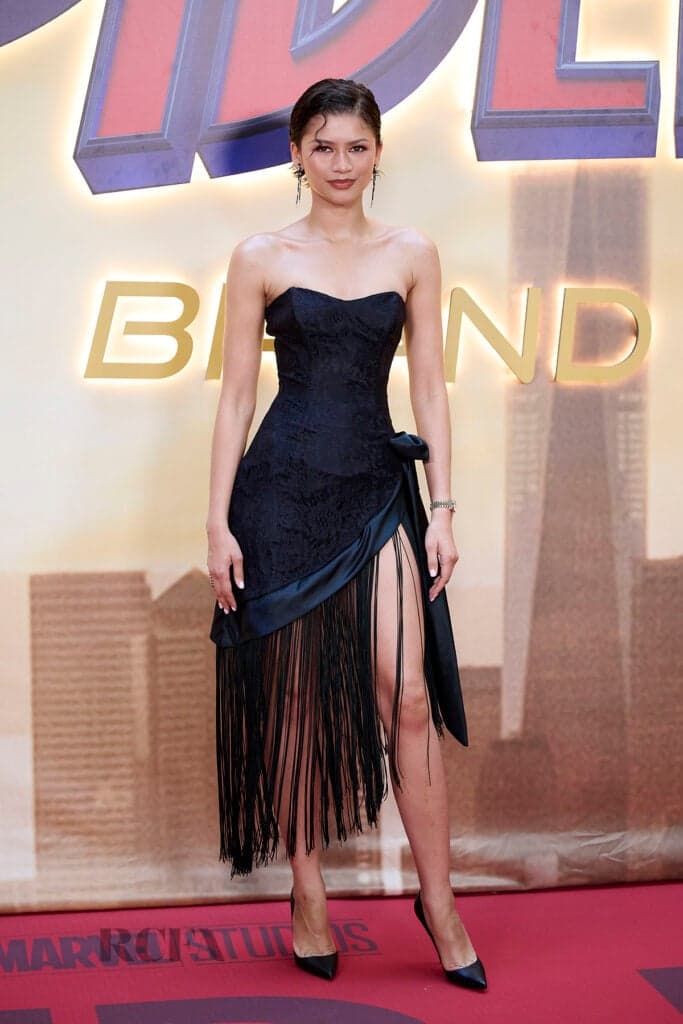
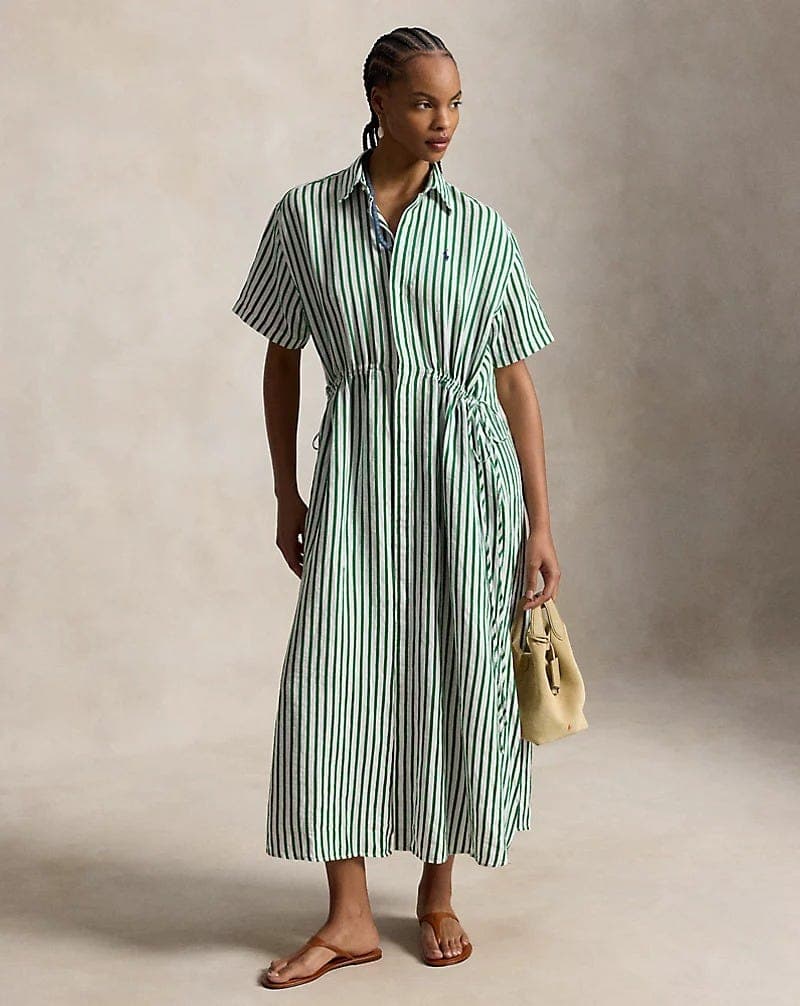
Why Ballet Flats Remain the Perfect Capsule Wardrobe Staple
Five Parisians, one answer: the best ballet flat vanishes into your outfit and does the heavy lifting from jeans to dresses.
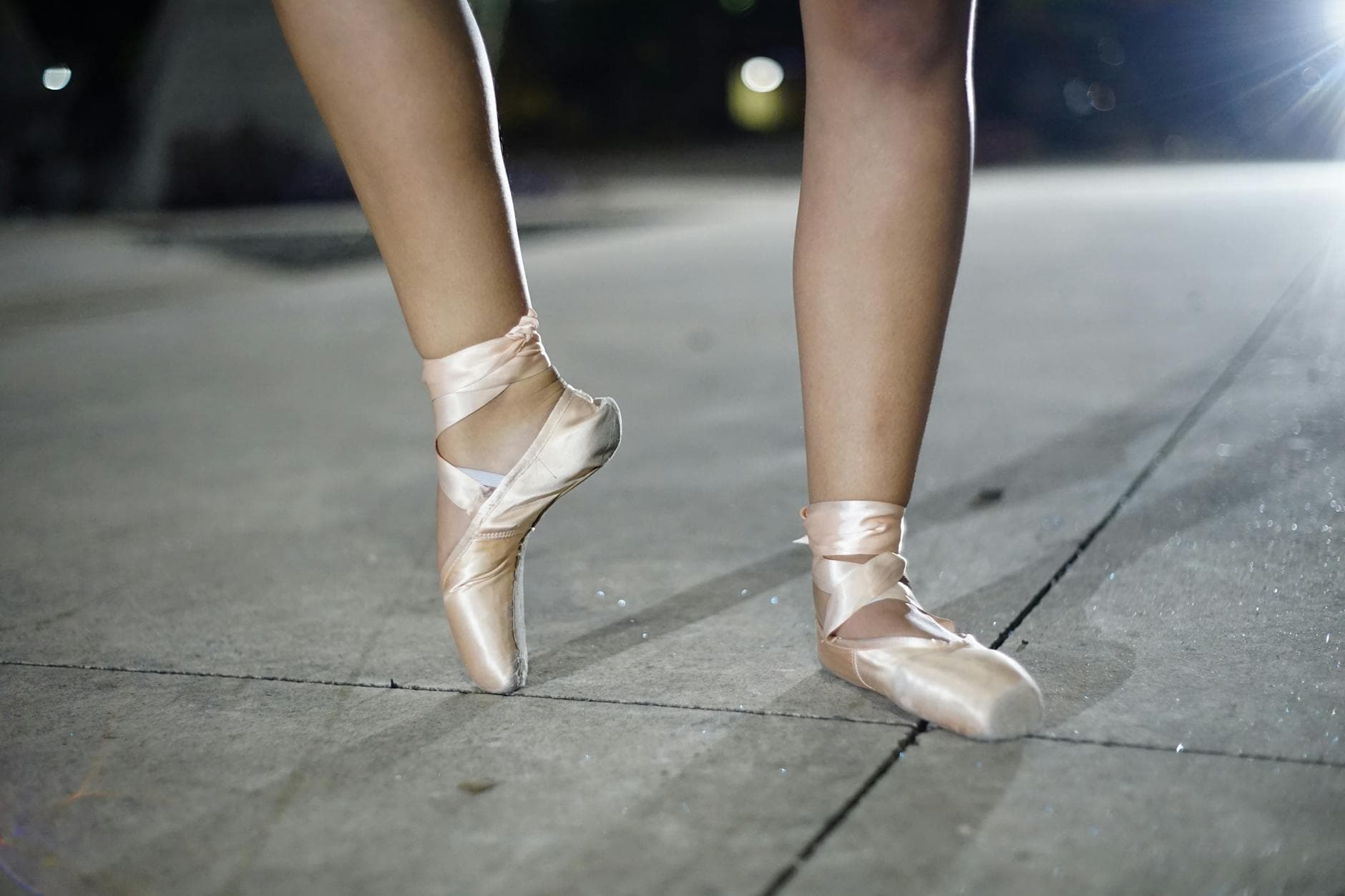
The flat that does the most
Five Parisians landed on the same core idea: the best ballet flat is versatile, comfortable, and easy to fold into real life. That sounds simple until you start building a capsule wardrobe and realize how rare that trifecta is. A good pair should work with trousers on a weekday, denim on a run-around day, and dresses when you want polish without effort. That is the entire appeal: one shoe that lowers wardrobe friction instead of adding another styling problem.
What makes this silhouette so useful is that it does not ask for a costume change. Ballet flats are one of those pieces that can look finished with almost nothing else around them, which is why they keep resurfacing in capsule conversations and why they keep surviving trend cycles that flatten lesser shoes. In the current fashion climate, that practicality matters more than any nostalgia story. The point is not to own the most famous pair. The point is to own the pair you actually reach for.
Why the ballet flat never really left
The ballet flat has Paris woven into its DNA, and that history still gives the shoe a kind of cultural authority. Repetto says Rose Repetto created her first ballet shoes in a Paris workshop in 1947, then introduced the Cendrillon flats in 1956, dedicating them to Brigitte Bardot. Bardot wore them in *And God Created Woman*, and that film helped push the style from ballet studios into mainstream closets.
That lineage matters because it explains why the silhouette still feels relevant without needing constant reinvention. The shape has always sat between utility and elegance: soft enough to be wearable, refined enough to read polished. When a shoe starts in a workshop, moves through cinema, and still shows up in fashion coverage decades later, you are not looking at a microtrend. You are looking at a wardrobe tool.
What the best pair should actually do
Editorialist asked five Parisians about their favorite ballet flats, their preferred brands, and what they look for in the silhouette. The answer that came through was less about labels than function. A great pair has to disappear into the outfit in the best possible way, which means it needs to look good with denim, trousers, and dresses, and it needs to do that across seasons.
Here is the capsule-wardrobe checklist that matters:
- It should be comfortable enough for repeat wear, not just a pretty photo.
- It should sit cleanly under cropped trousers or full-length pants without looking clunky.
- It should feel light with denim, especially straight-leg and Levi’s-style jeans.
- It should work with dresses without making the look feel overly precious.
- It should read as a shoe you can wear all year, not just one month of spring optimism.
That last point is key. The most useful flat is not the one with the loudest logo. It is the one that keeps working when the weather shifts, the hemline changes, and your outfit needs a quiet anchor.
Design cues that matter more than prestige
The current conversation around ballet flats makes one thing obvious: brand prestige can help, but shape does the real work. CHANEL’s fashion collections currently include ballet flats and Mary Janes, which tells you the silhouette still sits comfortably inside luxury, but also that the category is broad enough to survive beyond a single brand. The status signal is there, sure, but the silhouette itself is the real asset.
A cleaner, more restrained pair usually earns more wear than a heavily decorated one because it integrates faster into a wardrobe. The Row’s square leather ballet flats have been singled out in recent fashion coverage as a current standout style, especially when worn with jeans. That square toe is the kind of detail that can freshen the look without making it precious. It proves the point: a subtle shift in shape can update the flat while keeping it firmly in capsule territory.
If you want the most mileage, look for design details that stay flexible rather than shout for attention. A flat that feels modern but not mannered will survive more outfits, which is exactly what a capsule wardrobe demands.
When to splurge, and when to keep it simple
This is where taste matters. Splurge when the construction is genuinely better: softer leather, a more precise shape, a better sole, a fit that does not pinch, and finishing that makes the shoe feel elegant from every angle. If the pair is going to carry a large share of your wardrobe, the extra polish can be worth it because you will see the difference every time you wear it.
Buy the simpler pair when you want maximum repeat wear and minimum stress. If you are testing whether ballet flats fit your life, a cleaner, more affordable version can be smarter than a precious designer buy you hesitate to wear in bad weather or on long days. The best budget move is not the cheapest shoe, it is the shoe that lets you dress faster and wear it more often. A capsule wardrobe rewards consistency, not price tags.
Why Paris still keeps coming back to the flat
Who What Wear’s January 7, 2026 capsule-wardrobe guide included ballet flats among seven French wardrobe staples, which is a useful reminder that the shoe is still being treated as a foundational piece, not a side character. That lines up neatly with the Paris angle in the Editorialist roundup and with the way the silhouette keeps appearing in contemporary styling. The message is the same from every direction: this is one of those pieces that earns its place because it simplifies getting dressed.
That is what makes ballet flats so durable in 2026 wardrobes. They are not trying to replace sneakers, loafers, or heels. They sit in the middle and cover a lot of ground with very little drama. For a capsule wardrobe, that is the whole game: fewer decisions, better outfits, and one pair that can quietly do the work of three.
This article was produced by Prism’s automated news system from verified source data, official records, and press releases, then run through automated quality and moderation checks before publishing. The system is built and supervised by the people who set the standards it runs under. Read our full AI policy.
Did this article answer your question?