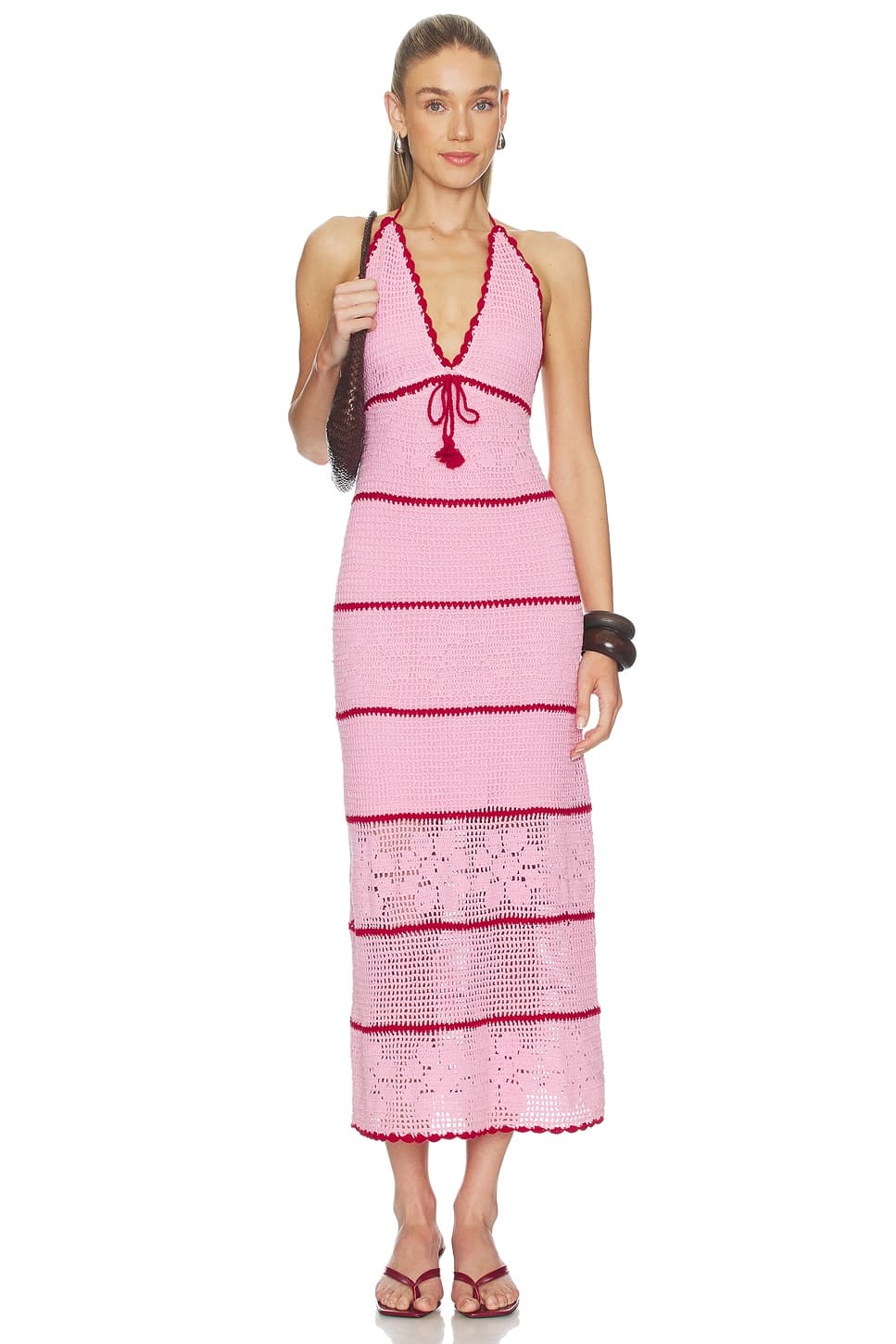
Why cotton dresses are the chicest summer capsule staple
Cotton dresses win the capsule test when they stay polished after errands, survive the suitcase, and still look right layered into early fall.
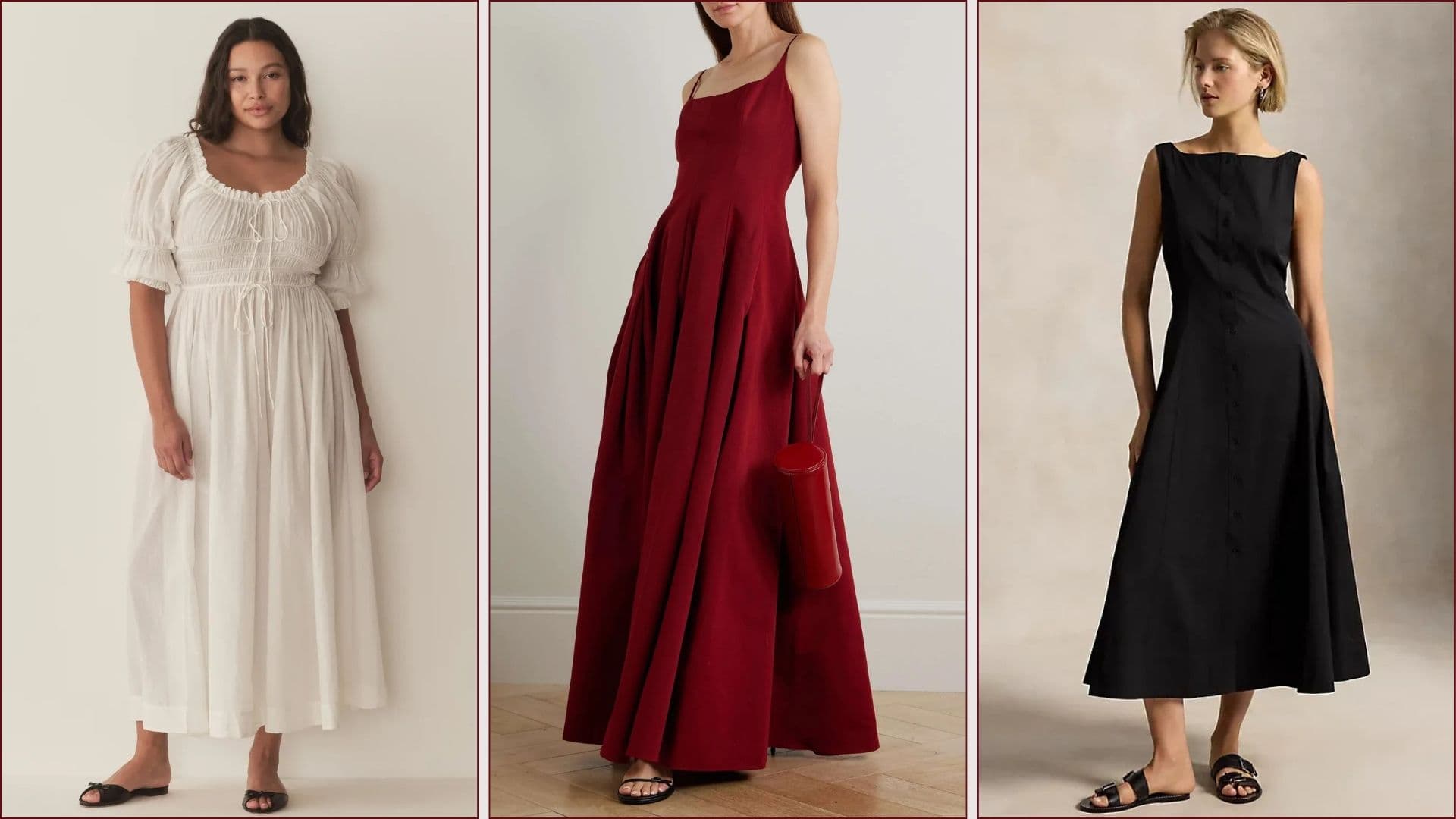
Cotton beats the one-and-done summer dress
The smartest summer dress is not the prettiest one for a single afternoon. It is the one that keeps showing up, and cotton is doing that job better than linen right now. Who What Wear’s latest edit makes the case plainly: cotton dresses are just as versatile as linen, only chicer for summer, and far easier to live with when you are building a small wardrobe that has to work hard.
That is the real capsule test. A dress earns its space when it can handle office days, errands, dinner, vacation packing, and the first cool stretch of early autumn without turning into a costume. Cotton clears that bar because it feels airy, light, chic, and breathable, but it does not demand the same level of babysitting that linen does.
Why cotton wins on repeat wear
Linen has its place. It looks beautiful in heat, and it has that dry, effortless texture that always reads expensive. But it comes with friction: constant ironing, quick wrinkling, and the risk of looking crumpled or slightly unpolished by lunchtime. That is fine if you are dressing for a single moment. It is less convincing if you want a dress you can pull on again and again.
Cotton is the lower-maintenance answer, and maintenance is where capsule wardrobes are really won or lost. If a dress can be washed without drama, worn with sandals one day and a jacket the next, and still feel composed after a long commute or a flight, it starts paying for itself fast. Cost-per-wear is not just about the ticket price. It is about whether the dress can keep producing outfits without asking for extra time, extra ironing, or a fresh styling plan every time it leaves the hanger.
The 27-dress edit is about range, not excess
Who What Wear’s summer 2026 cotton-dress edit includes 27 dresses, sorted into clear price bands: under £100, under £300, and over £300. That structure matters because it turns shopping into a wardrobe decision instead of a mood board exercise. The point is not to collect options. The point is to find the dress that fits your actual rotation and your actual budget.
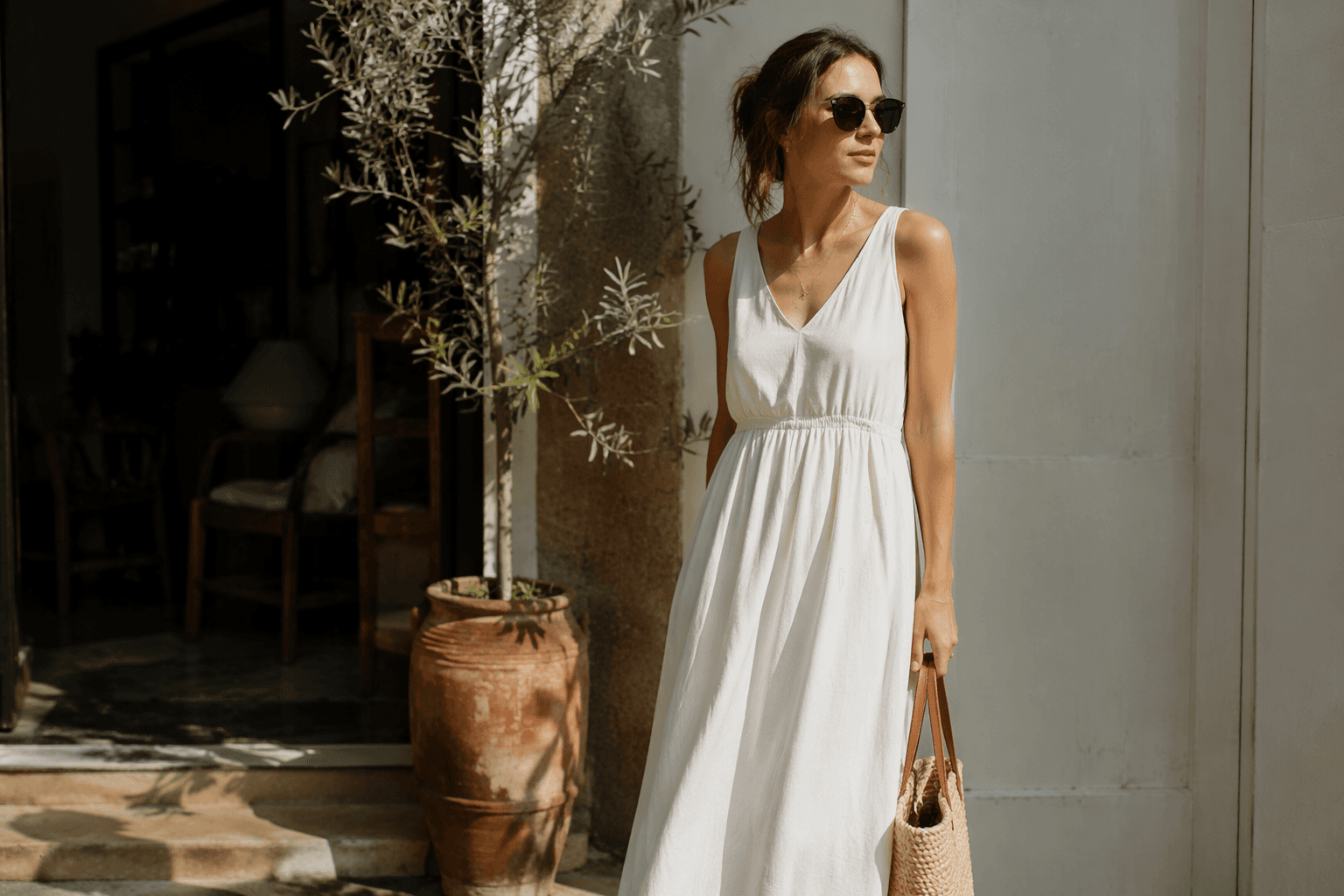
The best thing about cotton is how broad the category can be. It works across silhouettes, colors, lengths, and personal styles, which is exactly why it belongs in a capsule. A cotton dress can read casual with flat sandals, cleaner with a sharp bag, or a little more dressed up with jewelry and a structured layer. When one fabric can swing that wide, you need fewer pieces overall, and a smaller closet starts behaving like a much larger one.
How to style one dress from July into September
The easiest way to judge a summer dress is to imagine it in bad conditions, not perfect ones. Can it survive a rushed morning, a warm train platform, a packed suitcase, and a second wear before laundry day? Cotton usually answers yes. It is the kind of fabric that lets you keep the rest of the outfit simple, which is exactly what you want when you are trying to build a wardrobe with discipline.
For daytime, cotton dresses work best when the silhouette is relaxed enough to move with you but still neat enough to look intentional. For night, the same dress gets reset with jewelry, a different shoe, or a smarter layer. And when early fall arrives, cotton holds its own longer than you would think, especially when you add a cardigan, a blazer, or a light jacket. That extra range is what makes the fabric feel less seasonal and more permanent.
If a dress only looks right in one context, it is a seasonal purchase. If it can do all of this, it becomes part of the system.
The wider summer wardrobe is built on the same logic
The cotton-dress argument fits neatly into Who What Wear’s broader summer capsule thinking, which says an easy warm-weather wardrobe can be built from a small number of elevated pieces worn on repeat. That approach also shows up in coverage built around simple midi dresses and cotton basics, the kind of clothing that holds a closet together instead of overwhelming it. The message is consistent: fewer pieces, better chosen, worn harder.
That is why cotton feels more relevant than a quick trend cycle. It is not trying to be the loudest thing in the room. It is trying to be the most useful thing in the room, which is usually what ends up looking the chicest anyway.

Cotton’s popularity is not accidental
The appetite for cotton is enormous. Cotton Incorporated says its Lifestyle Monitor Survey has tracked consumer attitudes for nearly three decades, and the numbers are striking: 90% of consumers wish cotton were in more products, while 75% believe better-quality garments are made from natural fibers like cotton. That is not just nostalgia talking. It is a sign that shoppers keep coming back to the same material because it feels better in real life.
Textile Exchange adds the bigger picture. Cotton is the most widely used natural fiber in fashion, textile, and apparel, produced in more than 70 countries and supporting the livelihoods of 100 million households worldwide. That scale explains why cotton sits at the center of so many closets and so much industry conversation at once. It is beloved because it is familiar, but it also carries real responsibility because it is so widely used.
The sustainability conversation is part of the buying decision now
Cotton’s appeal does not erase its problems. Textile Exchange points to the chemical intensity of conventional cotton production, along with risks tied to pesticides, synthetic fertilizers, soil and water contamination, and greenhouse gas emissions. That is the tension every thoughtful capsule wardrobe has to sit with now: the fabric can be practical, beautiful, and deeply woven into everyday dressing, while still needing serious improvement in how it is grown.
That is why organic, regenerative, and recycled cotton pathways matter, and why the industry is pushing harder on data and accountability. Textile Exchange’s Climate+ strategy aims to cut greenhouse gas emissions from fiber and raw material production by 45% by 2030, in line with the Paris Agreement 1.5°C pathway. The direction is clear: cotton is not going away, so the work is to make it better.
For a wardrobe, though, the immediate takeaway is simpler. Cotton dresses earn their place because they solve the daily problems that make clothes sit unworn. They are breathable, versatile, less fussy than linen, and adaptable enough to move from high summer into the first cold mornings of fall. In a small closet, that kind of reliability is the closest thing to luxury.
Know something we missed? Have a correction or additional information?
Submit a Tip