Why Skirts Are the New Power Piece for 2026
Skirts are back as the easiest way to look polished without defaulting to jeans or trousers, and the right proportions make them feel sharp, not corporate.
The new power move
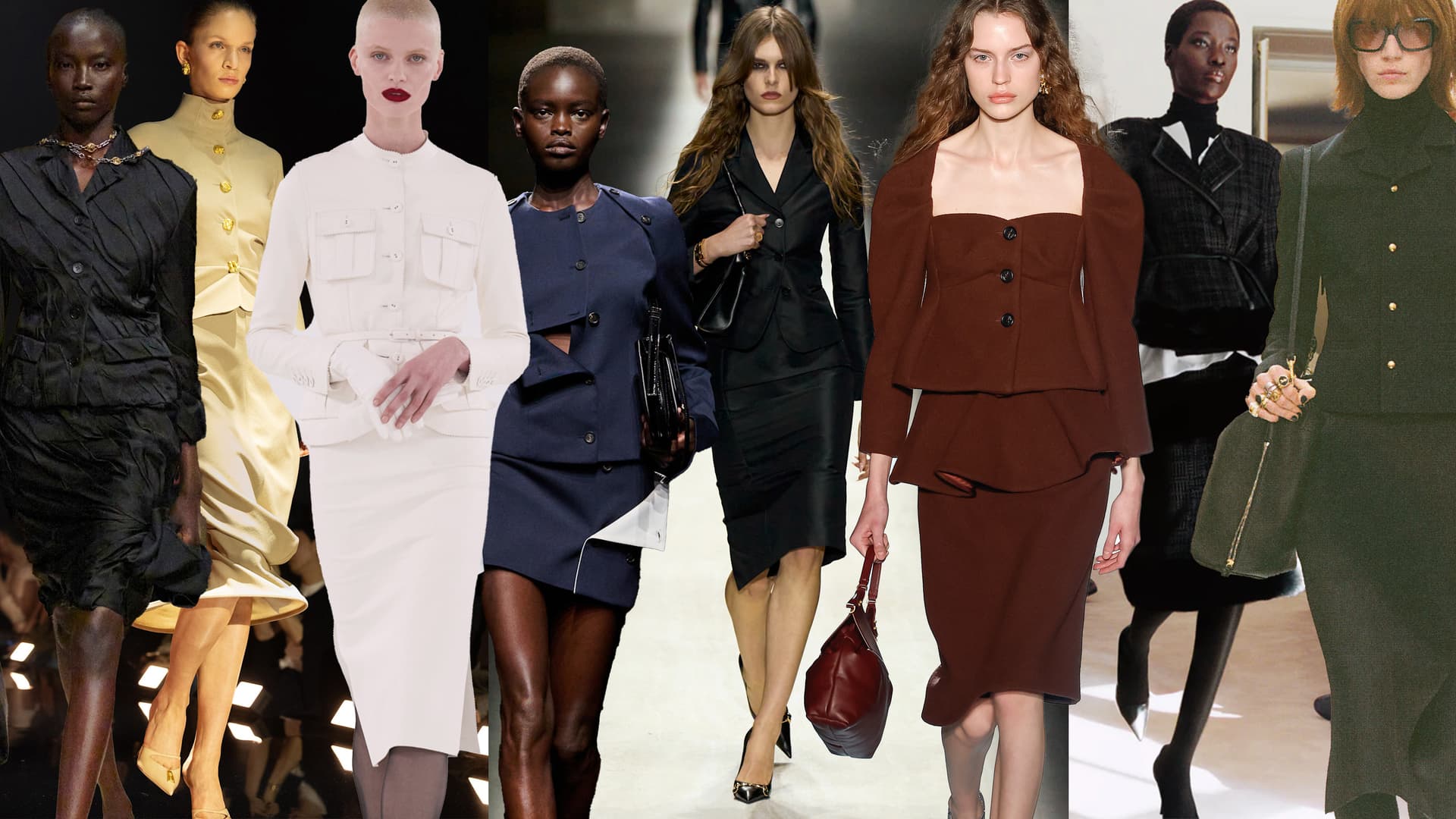
The smartest skirt styling for 2026 has nothing to do with looking precious. It is about getting dressed faster, looking sharper, and making one piece do more work than expected. New York Fashion Week Fall 2026 felt noticeably more polished and dressed-up, with retailers calling out modern classics and practical clothes instead of theatrics, and that mood matters because it pushes skirts out of the decorative category and into everyday utility.
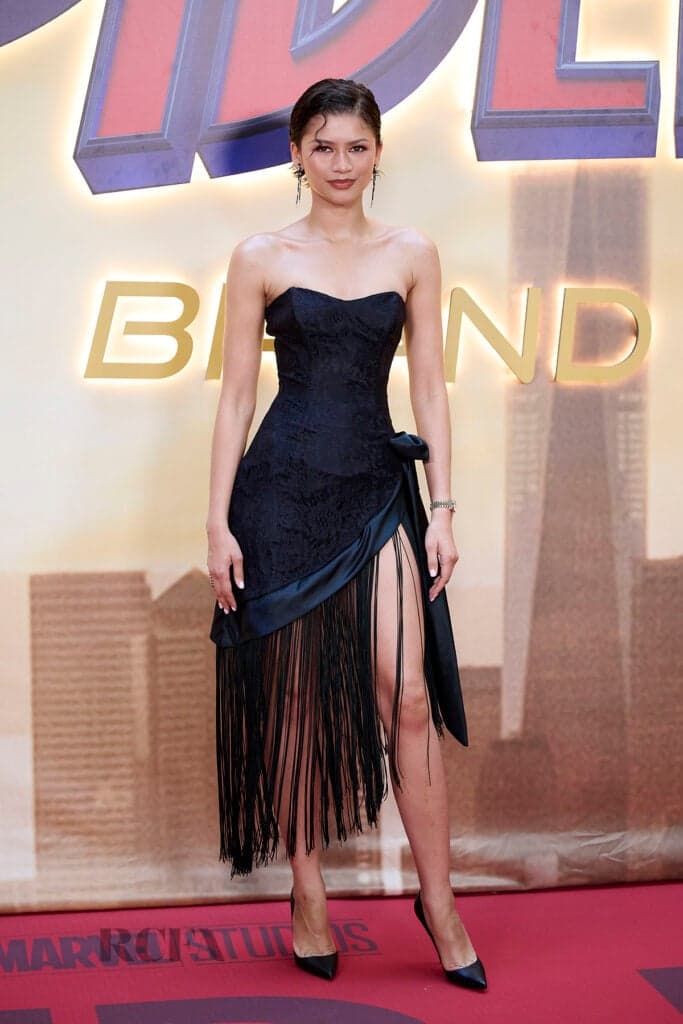
The runway details backed that up. WWD saw leathers, shearling, velvet, layering, bows, and fringe everywhere in New York, while Milan’s spring 2026 collections sent an even cleaner message: femininity with sharp discipline. That is the lane skirts are sliding into now, not frilly afterthoughts, but the easiest way to build a look that can handle work, dinner, and a day when you need to look like you meant it.
Why skirts suddenly feel so useful
The capsule-wardrobe angle is the whole story. Who What Wear’s 2026 wardrobe roundups have been pushing elevated essentials and anti-trend pieces, and that is exactly where skirts win: they give you a polished alternative to jeans and trousers using pieces you probably already own. A skirt can make a plain knit feel intentional, turn a blazer into a full outfit, and pull a T-shirt into something cleaner without a wardrobe overhaul.
That is why the strongest version of this trend is not a runway look copied verbatim. It is a usable formula. One skirt, one top, one shoe, and a few well-judged proportions are enough to cover the kinds of days most wardrobes actually need: office hours, gallery openings, dinners, travel days, and those in-between afternoons that still need you to look put together.
The formula that makes it modern
The sweet spot is structure without stiffness. The skirt should have enough shape to read as deliberate, but not so much volume that it starts to feel costume-y or corporate. A straight skirt, a softly pleated shape, or a clean midi with a bit of body gives you the best return, because the line stays crisp while the movement keeps it alive.
Start with a sharper base
A skirt with a clean waist and a controlled hemline does the heavy lifting. Think straight, slightly flared, or pleated rather than clingy or overworked. The point is to echo the more disciplined mood seen on the 2026 runways without making the look feel like office dress code.
Pair it with something compact on top
The top should balance the skirt, not fight it. A close-fitting knit, a tucked-in shirt, or a boxy jacket with a little shape at the shoulder all work because they keep the silhouette focused. That balance is what makes the look feel current instead of fussy.
Choose one shoe that can do more than one job
This is where the outfit becomes practical. A sleek flat, a low heel, or a refined boot can all keep a skirt from tipping into overdone territory. The right shoe should work for a desk, a dinner, or a day out without changing the whole mood of the outfit.
How to wear it without reading corporate
The difference between modern and corporate is in the attitude of the silhouette. Chanel’s 1957 update, with its boxy jacket and straight skirt, still feels useful because the lines are clean and the movement is built in, not layered on top. That is the energy to borrow now: crisp, controlled, and easy to wear.
For work, a skirt suit is the obvious answer, but not the stiff one. The trick is to keep the jacket slightly boxy or softly unstructured and the skirt straight or lightly pleated, so the outfit looks intentional without locking you into boardroom territory. Armani’s late-1970s formula did exactly that, pairing unstructured jackets with full pleated skirts and other separates, and it still reads as authoritative because it lets the body move.
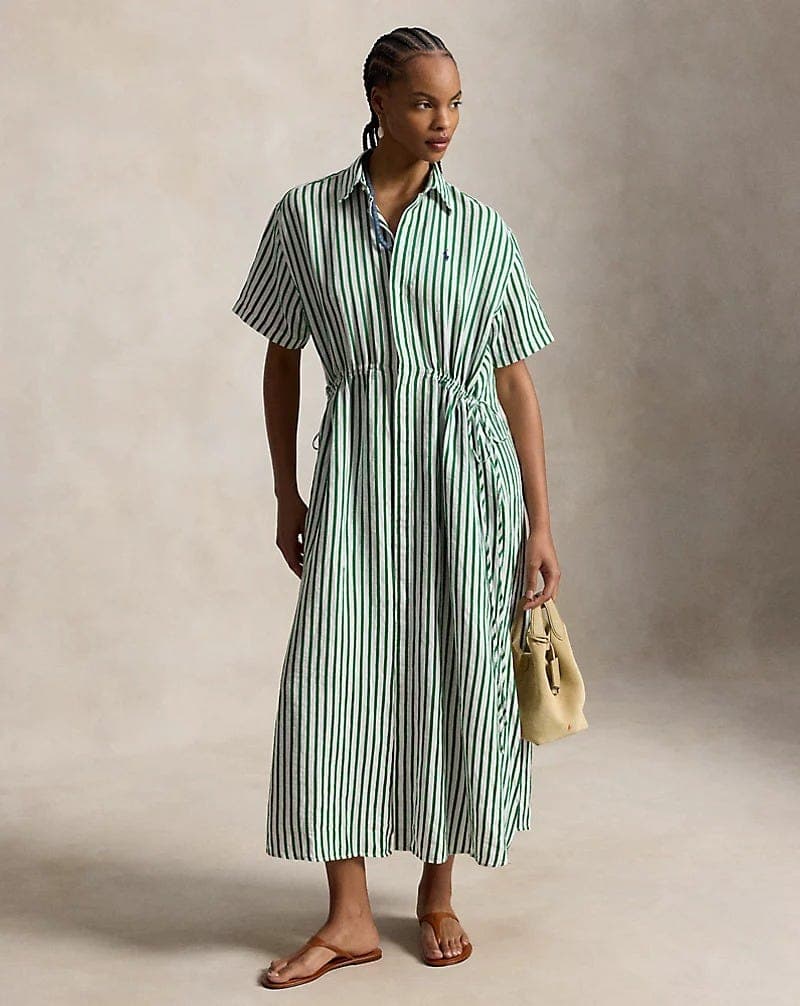
For elevated daywear, the skirt is even better. A leather or velvet version nods to the textures that dominated New York, while a pleated or straight style keeps the outfit grounded. Throw on a knit, a sharp trench, or a simple tee and suddenly the skirt is doing the work jeans usually do, only with more polish and less effort.
For events, the same logic applies. The skirt can carry the glamour if the top is restrained. A fitted top against a fuller skirt, or a compact jacket over a sleek skirt, creates the kind of contrast that looks expensive because it is balanced, not loud. That is the kind of dressing that feels right in a season where even the most dressed-up runway clothes were still trying to stay close to real life.
The history makes the comeback make sense
Skirt suiting is not a new idea, it is a recurring one. The Metropolitan Museum of Art traces Chanel’s iconic two- or three-piece suit back to the teens, with later refinements after 1954 that made the pieces easier to wear and move in. The details mattered: skirt pleats and high-cut armholes were designed to keep the suit active rather than restrictive, which is exactly why the silhouette keeps coming back when fashion wants authority without armor.
The Met also dates one Chanel suit in its collection to spring/summer 1963 and another updated version to about 1957, a reminder that the house kept refining the formula instead of abandoning it. Giorgio Armani’s women’s tailoring carried that story into the late 1970s, when his unstructured jackets and full pleated skirts helped define dress-for-success dressing for a new era. Women’s tailoring has long been tied to agency and social mobility in Western culture, and The Met’s Women Dressing Women guide makes that connection clear. Even the first French guild for women dressmakers, established in 1675, points to how long women have used tailoring as a form of access, polish, and self-definition.
The skirt pieces that matter now
The current skirt mood is showing up across the market in brands that understand structure as a luxury, not a limitation. Saint Laurent, Prada, Tom Ford, Fendi, Ralph Lauren, and Khaite all sit comfortably inside this direction, because each one knows how to make a skirt look clean, modern, and expensive without over-explaining it.
The takeaway is simple: the skirt is back because it solves a real wardrobe problem. It gives you a cleaner option than jeans, a softer answer than trousers, and a more finished result than just reaching for another knit dress. In a year defined by polished reality, that is exactly what a power piece should do.
This article was produced by Prism’s automated news system from verified source data, official records, and press releases, then run through automated quality and moderation checks before publishing. The system is built and supervised by the people who set the standards it runs under. Read our full AI policy.
Did this article answer your question?